How Big Do Northern Pike Get in North Dakota?
It’s a question that echoes in the mind of every angler heading out on North Dakota’s vast waters: just how big do northern pike actually get around here? While tales of monstrous pike are legendary, getting a realistic picture of their potential size, and more importantly, how to actually encounter one, can feel like chasing a ghost. This guide will dive deep into the world of North Dakota's northern pike, exploring their growth patterns, record-breaking catches, prime habitats, and the very best strategies to help you land that toothy trophy you've been dreaming of.
Understanding Northern Pike Growth in North Dakota Waters
Northern pike are apex predators, and their growth in North Dakota is a fascinating mix of genetics, environment, and sheer appetite. They are true freshwater sharks, streamlined and powerful, capable of explosive strikes that can make even a seasoned angler jump. But what makes some pike grow to gargantuan sizes while others remain more modest?
Factors Influencing Pike Size
The size a northern pike achieves isn't just a random roll of the dice; it's a complex interplay of several crucial factors. Think of it like this: a garden tomato will only grow as big as its soil, water, and sunlight allow. Pike are much the same.
First off, genetics play a role, as some fish simply have the potential for larger growth. However, this potential can only be realized if environmental conditions are optimal. The most significant factor is often food availability. North Dakota's larger systems, like Lake Sakakawea and Devils Lake, boast incredibly rich forage bases, including abundant cisco (tullibee), yellow perch, and various suckers. These protein-rich diets fuel rapid growth in pike, allowing them to pack on pounds quickly. A pike with a consistent supply of large, oily prey fish will outgrow a pike in a sparser environment every time.
Water quality and habitat diversity are also key. Lakes and rivers with good oxygen levels, varied depths, and plenty of submerged vegetation or structure provide ideal ambush points and comfortable living conditions. A healthy ecosystem means healthier, faster-growing fish. Lastly, fishing pressure can influence the average size. Heavily fished waters might see fewer older, larger pike simply because they are caught before they reach their maximum potential. However, regulations like the North Dakota Northern Pike Daily Limit help manage populations to ensure sustainable fishing. Knowing the seasonal movements of these fish is also crucial, and you can get a better idea by checking the North Dakota Fishing Season Calendar.
Average vs. Trophy Pike Sizes
When we talk about pike size, it's important to differentiate between an "average" catch and a true "trophy." For most North Dakota anglers, a northern pike in the 24- to 30-inch range is a fairly common and respectable catch. These fish typically weigh a few pounds and offer a spirited fight. If you're consistently catching pike around this size, you're having a good day!
However, the "trophy" designation starts to kick in when pike push past the 36-inch mark, heading towards the 40-inch range and beyond. These are the giants, the ones that make your heart pound and your arms ache. A 40-inch pike can easily weigh into the double digits, often 15-20 pounds or more, depending on its girth and condition. Pike exceeding 45 inches are exceptionally rare and truly in the "fish of a lifetime" category. These massive fish are typically older, wiser, and have successfully evaded anglers for many seasons. The pursuit of these elusive monsters is why so many anglers dedicate their efforts to the Trophy Northern Pike Waters in North Dakota.
Here’s a quick comparison to set expectations:
| Pike Size Category | Typical Length (Inches) | Estimated Weight (Pounds) | Commonality |
|---|---|---|---|
| Small | Under 24 | Under 3 | Very Common |
| Average | 24 – 30 | 3 – 8 | Common |
| Large | 30 – 36 | 8 – 15 | Less Common |
| Trophy | 36 – 45+ | 15 – 30+ | Rare |
| State Record | 50+ | 37+ | Extremely Rare |
North Dakota's Record-Breaking Northern Pike
Every angler dreams of catching a record, and North Dakota has certainly delivered some true monsters over the years. These record-breaking fish serve as a testament to the incredible potential of the state's fisheries. They remind us that while they might be rare, truly gargantuan pike are out there, lurking in the depths.
The Current State Record Northern Pike
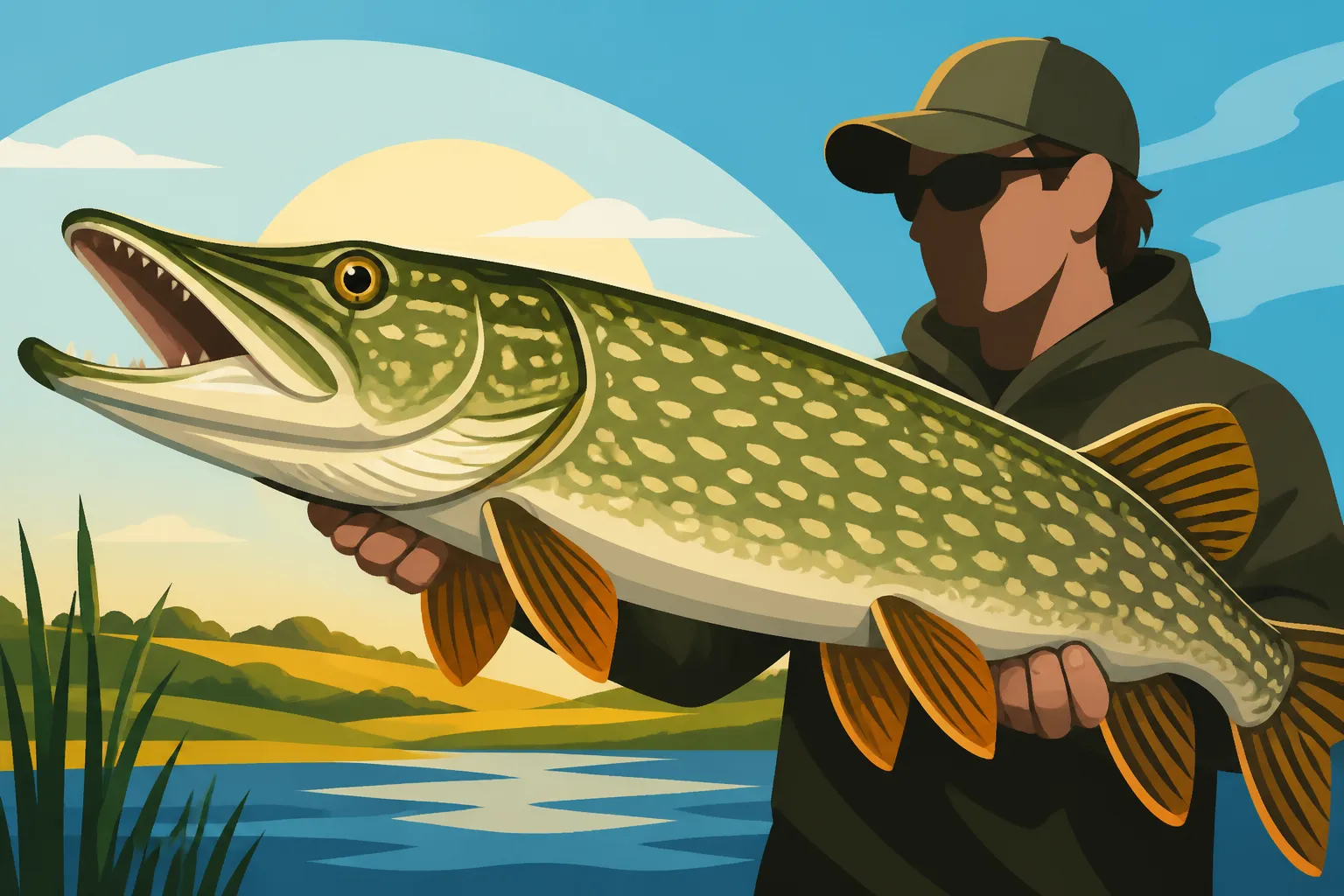
The official North Dakota Northern Pike State Record Weight is a truly astonishing fish, weighing in at 37 pounds, 8 ounces. While the exact length isn't always widely publicized, you can imagine a fish of that weight would be pushing or exceeding 50 inches! This magnificent specimen was caught in the McClusky Canal, a waterway that connects the New Johns Lake system to Lake Audubon, demonstrating that big fish can come from unexpected places, not just the massive reservoirs.
Catching a fish of this caliber is a once-in-a-lifetime event, the culmination of perfect conditions, immense luck, and a skilled angler using the right presentation. It takes many years for a pike to reach such an epic size, meaning it had to survive countless hazards, from predators to other anglers, while also finding an abundant food source. The McClusky Canal, with its connection to a rich system, provided just the right environment for this particular pike to thrive and grow to legendary status.
Notable Big Pike Catches Over the Years
Beyond the official state record, North Dakota has a long history of producing incredibly large northern pike. These fish might not have tipped the scales for a new record, but they certainly provided unforgettable moments for the anglers who caught them. Lakes like Sakakawea and Devils Lake, for example, consistently produce pike in the high 30-inch and even low 40-inch range annually. Anglers often report 20-pounders during prime seasons, particularly during the pre-spawn in spring or the aggressive feeding frenzies of fall.
I remember one chilly October morning on Lake Sakakawea, a friend of mine hooked into what felt like a submerged log. After a grueling fight, he landed a pike that measured 46 inches and weighed an estimated 28 pounds before being carefully released. It wasn't a state record, but it was a true beast, with a gaping maw and powerful fins that left a lasting impression. These are the kinds of stories that fuel the passion for pike fishing in North Dakota, showcasing the real potential for giants in these waters. It's a testament to the robust ecosystems and careful management of fisheries that allow such impressive fish to thrive.
Where to Find Big Northern Pike in North Dakota
Finding big northern pike isn't just about luck; it's about understanding their preferred habitats and seasonal movements. These fish are ambush predators, so they're always looking for places to hide and wait for an unsuspecting meal to swim by. North Dakota offers a diverse range of waters, each with its own characteristics that can hold colossal pike. If you're looking for an expansive guide to fishing locations, check out the Best Fishing Lakes in North Dakota.
Prime Habitats for Large Pike
When you're targeting those truly large northern pike, you need to think like a predator. They favor areas that offer cover, cooler water, and easy access to their prey.
Lake Sakakawea: This massive reservoir is perhaps North Dakota's most famous big pike fishery. Its immense size, diverse structure (including old river channels, submerged timber, and countless bays), and incredible forage base (especially cisco) make it ideal. Look for big pike in the deeper bays and along sharp drop-offs, particularly where old creek beds or submerged trees offer cover. In the spring and fall, they'll often be shallower, cruising weed edges or rocky points. During summer, they might retreat to cooler, deeper water, only moving shallow during low light periods.
Devils Lake: Known more for its incredible walleye and perch, Devils Lake also holds some truly massive northern pike. The lake's unique flooded timber and extensive weed beds provide unparalleled ambush opportunities. Large pike can be found lurking deep within the drowned trees or along the outside edges of extensive weed flats. These fish are masters of camouflage, blending into their surroundings, so a keen eye on your sonar or a methodical approach is key.
Missouri River System (including Lake Oahe and the river sections): The Missouri River below Garrison Dam and further south into Lake Oahe also holds impressive pike. The current offers a constant flow of oxygen and baitfish, and the varied bottom structure – from rock piles to current seams – provides excellent habitat. Large pike often relate to current breaks, back eddies, and the deeper holes near these features.
Smaller Lakes and Ponds: Don't overlook some of North Dakota's smaller, lesser-known lakes and even larger ponds. While they might not produce the sheer numbers of the big lakes, some can grow surprisingly large pike, especially if they have a healthy food chain and aren't heavily fished. These often include sloughs and reservoirs that might be harder to access, but can be incredibly rewarding. The key here is exploring and sometimes accepting a slower bite in exchange for a potential monster.
Best Fishing Times for Trophy Pike
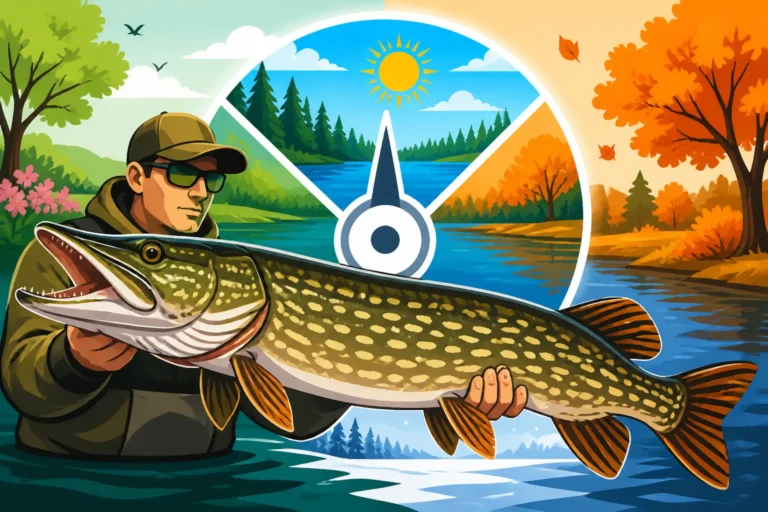
Timing is everything when it comes to trophy pike. Their behavior changes dramatically with the seasons, and understanding these patterns is crucial for success. For a broader overview, you can refer to the North Dakota Northern Pike Fishing Guide.
Early Spring (Ice-Out to Late May): This is arguably one of the best times to target truly large pike. After ice-out, big females are focused on spawning or recovering from it, and are often found in shallower, warmer bays and protected coves. They are extremely hungry and aggressive as they replenish their energy. This is when they are most accessible near shore or in relatively shallow water before they move to deeper, cooler haunts. Larger spoons, jerkbaits, or even large dead baits under a bobber can be incredibly effective.
Fall (September to Ice-Up): Fall is another prime window for trophy pike. As water temperatures drop, pike enter a pre-winter feeding frenzy, trying to pack on as much weight as possible. They become incredibly aggressive and will actively chase down large baits. Look for them concentrated near deeper points, main lake structures, and healthy weed lines. This is a fantastic time for trolling large crankbaits or casting big swimbaits.
Summer: Catching trophy pike in summer can be more challenging. They often retreat to deeper, cooler water, typically in 20-40 feet, relating to submerged humps, rock piles, or deep weed edges. Early mornings and late evenings are the best times, as they may move shallower to feed during low light. Trolling large presentations with downriggers or lead core can be effective, as can vertically jigging large spoons or soft plastics on offshore structure. You can often find them suspended over baitfish schools.
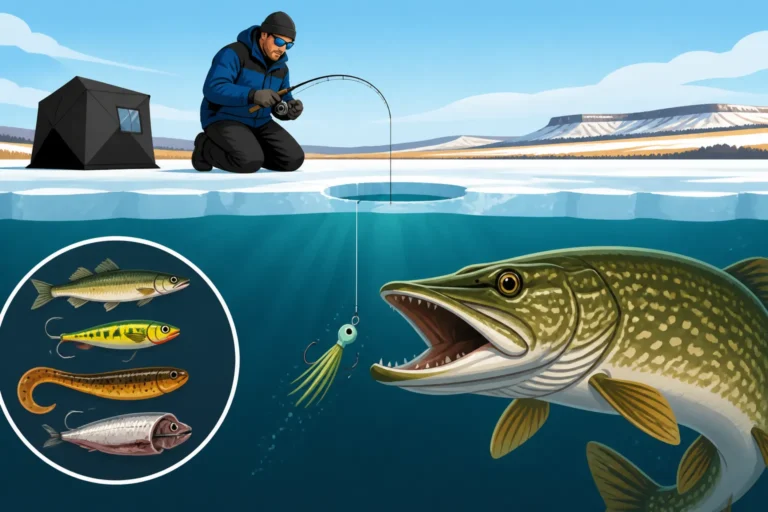
Winter (Ice Fishing): While summer can be tricky, ice fishing for northern pike can be incredibly rewarding, especially with tip-ups. Large pike will often cruise flats adjacent to deep water or hold near structure under the ice. Setting multiple tip-ups with large dead baits (suckers or smelt) is a common and effective strategy. Focus on depths ranging from 8 to 20 feet, often along transitions or where baitfish are concentrated. For more specific details on winter tactics, check out Ice Fishing for Northern Pike With Tip-Ups.
Strategies for Catching North Dakota's Largest Pike
Targeting trophy northern pike requires more than just showing up at the lake; it demands the right gear, specific techniques, and a hefty dose of patience. These are powerful fish, and they require gear that can handle their incredible strength and sharp teeth.
Essential Gear and Lures for Big Pike
When you're after a monster pike, you need to scale up your tackle. Don't go to a knife fight with a spoon, as they say.
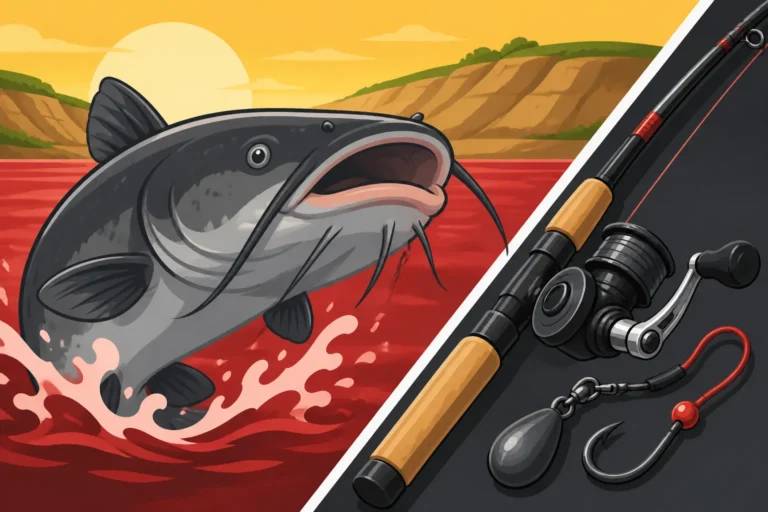
Rods and Reels: A medium-heavy to heavy power casting or spinning rod, typically 7 to 9 feet long, is a good starting point. This length provides the leverage needed to cast large lures and fight powerful fish. Pair it with a stout baitcasting reel or a large spinning reel (4000-5000 series) with a smooth, reliable drag system. Many anglers find the right combination of strength and sensitivity for pike on Amazon by searching for "heavy action muskie rods" or "saltwater spinning reels," as these are often built for similar powerful predators.
Line and Leaders: Spool up with a strong braided line, often in the 50-80 pound test range. The lack of stretch in braid gives you excellent sensitivity and hooking power. Crucially, you must use a wire or heavy fluorocarbon leader (80-130 pound test) at least 12-18 inches long. Pike have razor-sharp teeth that will easily sever monofilament or lighter fluorocarbon, leaving you with a lost fish and lure.
Lures: Trophy pike demand substantial offerings.
- Large Spoons: Classic Dardevle or Johnson Silver Minnow spoons in sizes up to 1-2 ounces are perennial favorites. Their flash and wobble are irresistible.
- Jerkbaits: Big, suspending jerkbaits (6-10 inches) like those from Rapala or Livingston Lures, twitched erratically, can trigger aggressive strikes.
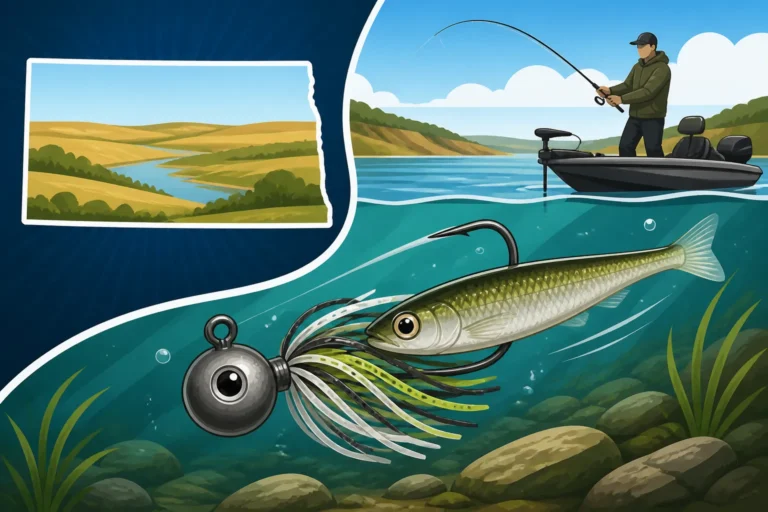
- Swimbaits: Soft plastic swimbaits, often weighted and rigged with large hooks, mimic natural prey fish beautifully. You can find a huge variety of these, often sold in bulk, on Amazon.
- Spinnerbaits/Bucktails: Large muskie-style spinnerbaits or bucktails create a lot of vibration and flash, excellent for covering water and drawing reaction strikes.
- Crankbaits: Deep-diving crankbaits are essential for trolling in open water, while shallow-running versions are great for targeting weed edges.
- Live/Dead Bait: For tip-up fishing, large live or dead suckers (8-12 inches) or smelt are incredibly effective, especially in winter.
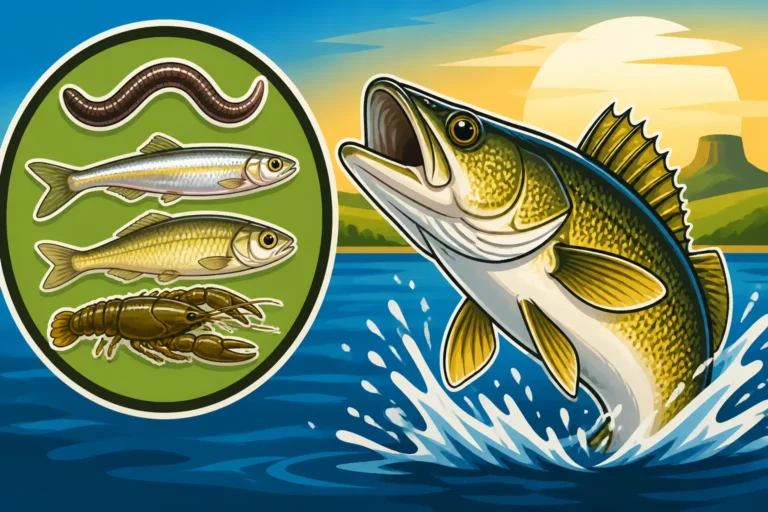
When considering what prey pike eat, it’s helpful to check out What Do Northern Pike Eat? to get an idea of what forage they target in North Dakota.
Techniques for Targeting Monster Pike
Once you have the right gear, it's about putting it to good use with proven strategies.
Casting and Retrieving: This is a highly active and rewarding way to fish for pike. Make long casts to cover, allowing your lure to sink to the desired depth, then retrieve with varying speeds and pauses. For spoons and spinnerbaits, a steady retrieve with occasional twitches often works best. For jerkbaits and swimbaits, incorporate pauses and erratic movements to mimic an injured baitfish. Focus your casts on known pike holding areas like weed lines, points, and structural elements. Mastering Northern Pike Casting Techniques is essential.
Trolling: For covering large expanses of water, especially in big lakes like Sakakawea, trolling is incredibly effective. Use a heavy-duty rod holder and troll large crankbaits or swimbaits at speeds between 2.0 and 4.0 mph. Experiment with different depths using lead core line, snap weights, or downriggers until you find where the fish are holding. Trolling allows you to present your lure to many fish over a wide area and is particularly useful in summer when pike are scattered.
Ice Fishing with Tip-Ups: As mentioned earlier, tip-ups are a fantastic way to target big pike through the ice. Set them up with large dead or live bait (where legal) suspended at various depths, typically 5-15 feet off the bottom or just above known structure. Spread your tip-ups to cover different depths and areas. When the flag flies, don't rush! Let the pike run with the bait for a bit before setting the hook firmly. This ensures the fish has fully committed to the meal. Remember to follow North Dakota Ice Fishing Rules for shelter and line limits.
Patience and Persistence: Trophy pike fishing is not for the faint of heart. You might go hours, or even full days, without a bite. But when that massive fish finally hits, all the waiting and effort will be worth it. Pay attention to details: water temperature, wind direction, baitfish presence, and changes in depth. Log your successes and failures to learn patterns. And always remember proper fish handling when you do land that monster. Large pike are powerful, and unhooking them safely and releasing them responsibly is key to maintaining our incredible fisheries. If you're planning on keeping a pike for the table, knowing How to Fillet a Northern Pike Without Bones will come in handy.
Disclaimer
This article is for general informational purposes only and does not constitute professional advice. Laws, prices and regulations vary by location and change over time. Consult a qualified professional for guidance on your specific situation.