Best Time to Fish the Spillway Below a Dam
There's nothing quite like the rush of water below a dam, especially around a spillway. Many anglers, myself included, have stood at these roaring junctions, wondering if it's the right time to cast a line or if the fish are even there. It can be frustrating to put in the effort, only to find the conditions are all wrong. This guide aims to take the guesswork out of that equation, helping you understand the best times to fish the spillway below a dam in North Dakota, what makes these spots so appealing to fish, and how to maximize your chances of a successful outing.
Understanding the Dynamics of Dam Spillways: Why Fish Gather Here
Dam spillways in North Dakota are often overlooked by some anglers, but they are absolutely goldmines for those who understand their unique dynamics. These aren't just random spots on a river or lake; they're incredibly complex ecosystems driven by turbulent water, changing oxygen levels, and a constant buffet of food. Ignoring these factors is like trying to solve a puzzle with half the pieces missing.
The Attraction of Current and Oxygen
Think about it from a fish's perspective. The water roaring through a spillway isn't just fast; it's highly oxygenated. Fish, much like us, need oxygen to thrive, and slower, stagnant waters can sometimes have lower oxygen levels, especially during hot summer months or under thick winter ice. The aerated water from a spillway provides a refreshing, energy-boosting environment. This is particularly true for many of our favorite North Dakota species, like walleye and sauger, which absolutely love well-oxygenated, moving water. They don't just swim in the current; they use it to their advantage, often resting in slack water pockets or behind submerged structures, darting out to ambush prey swept past them.
Moreover, the current acts like a conveyor belt, bringing a steady supply of food. Baitfish, insects, and other small organisms are constantly churned up and carried downstream, creating a natural feeding frenzy. Larger predatory fish know this, and they position themselves strategically to capitalize on this free-flowing buffet. It’s a dynamic, ever-changing food court for them, making these areas prime hunting grounds. The sheer volume of water movement also helps to distribute scents, drawing in fish from further downstream.
Structure and Ambush Points
The "structure" below a spillway isn't always obvious from above the surface, but it's crucial. Dams and spillways inherently create a variety of underwater features: scour holes where the powerful water has dug deep depressions, rock piles from rip-rap erosion, submerged debris, and eddies where the current slows down. These are not just random underwater features; they are critical ambush points and resting areas for fish.
Walleye, for example, are notorious for preferring areas where they can stay out of the direct, heavy current, conserving energy, while still being close enough to dart into the flow to grab a passing meal. They might sit behind a large boulder, in the calmer water of an eddy, or along the edge of a deep scour hole. Northern pike will often lurk in the slightly calmer, slower water adjacent to the main current, waiting for an unsuspecting baitfish to drift by. For North Dakota Channel Catfish Fishing Guide readers, those deep holes and current seams are ideal spots where big cats will settle in, using their keen sense of smell to detect food. Understanding how fish use these subtle underwater features is key to casting your lure in the right spot. It’s not just about finding the current; it’s about finding the edges of the current, the seams, and the breaks that create those perfect ambush points.
Seasonal Strategies: Tailoring Your Approach to North Dakota's Spillways
Fishing a spillway isn't a one-size-fits-all affair. The "best time" is heavily influenced by the season, as water temperatures, fish spawning cycles, and feeding behaviors change dramatically throughout the year. Knowing what to expect in spring, summer, fall, and even winter can drastically improve your success.
Spring Run-Off and Post-Spawn Activity
Spring is often one of the most exciting times to fish spillways in North Dakota. As the snow melts and rains swell rivers, the dams and their spillways often release more water. This increased flow means more oxygen and a strong current, drawing fish that are either finishing their spawn or are actively feeding to recover. For species like walleye, which often spawn in river systems or near currents, the areas below spillways become prime feeding grounds shortly after their spawning rituals. They're hungry, aggressive, and often stacked up in good numbers.
During this time, the water might be turbid, so brightly colored lures or those that create a lot of vibration are particularly effective. Jigging with a stout jig and a plastic grub or live minnow can be deadly. Fish will be hugging the bottom, just out of the strongest current, so getting your bait down quickly is important. Remember that North Dakota Fishing Season Dates and Limits are always in effect, so double-check regulations for your target species, especially during sensitive spawning periods. The bite can be fantastic, but patience is still key, as fish might only turn on during specific windows of the day.
Summer's Steady Flow
Summer fishing below a spillway in North Dakota can be incredibly productive, especially during periods of stable water flow. As lake and river temperatures rise, the highly oxygenated water churning from the spillway becomes even more attractive to fish. Many species will congregate in these cooler, more oxygen-rich zones, making them reliable hotspots. This is a fantastic time for North Dakota Walleye Fishing Guide enthusiasts to target active fish.
During the warmer months, fish tend to be more active and willing to chase lures. Trolling crankbaits that imitate baitfish can work well, especially in the deeper scour holes or along current seams. Bottom bouncing with crawler harnesses or drifting live bait (like leeches or minnows) are also proven methods. Early mornings and late evenings often provide the best bite as fish become more comfortable moving into shallower, faster-moving water under low light conditions. Mid-day can still be good, but you might need to target deeper pockets or areas with more shade. On days when the sun is blazing, fish might retreat to the deepest, coolest parts of the spillway.
Fall Feeding Frenzy
Autumn is a transition period, and it's a phenomenal time to fish North Dakota's spillways. As water temperatures begin to drop, fish sense the approaching winter and enter a frantic feeding phase. They need to put on weight to survive the lean months ahead, and the abundant food supply below a spillway makes it an irresistible buffet. This is often when you'll find some of the biggest fish of the year.
The fall bite can be intense and lasts throughout the day, though dawn and dusk remain prime times. Both walleye and northern pike will be exceptionally aggressive. Large crankbaits, swimbaits, and even casting spoons can trigger violent strikes from hungry predators. Pay close attention to subtle changes in current and water temperature, as fish might move to different depths or current breaks throughout the day. For those interested in North Dakota Northern Pike Fishing Guide, fall is your opportunity for a true trophy. Always be mindful of changing weather patterns in the fall; cold fronts can sometimes slow the bite, but a sustained period of stable, cooling weather usually means fantastic fishing.
Winter's Churn: Ice-Out and Beyond
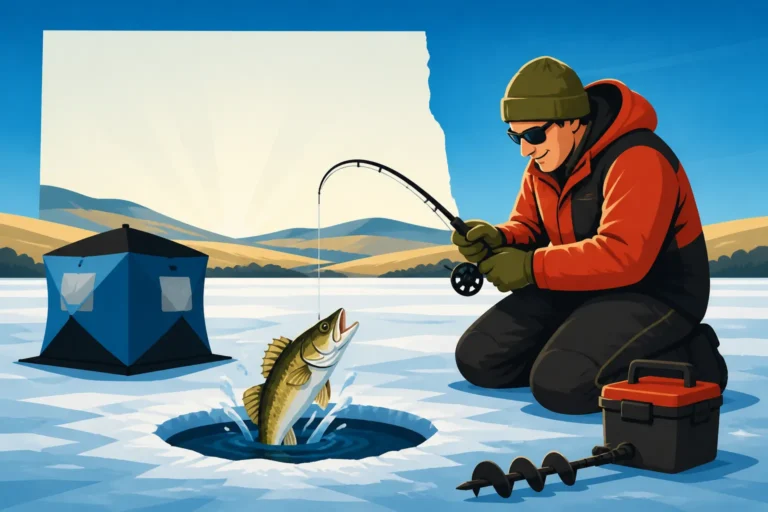
Even in North Dakota's harsh winters, spillways can offer unique fishing opportunities, especially for ice anglers during early and late ice periods. While the main body of a lake might be frozen solid, the strong current below a spillway can keep a section of water open or create thinner, more dangerous ice. This open water or thin ice creates a dynamic environment.
For safety reasons, fishing directly in the immediate, turbulent discharge of a spillway during winter is usually impossible or extremely dangerous due to unpredictable ice thickness. However, the areas downstream from the spillway, where the current disperses but still keeps the water oxygenated, can be excellent. Fish will often hold in these slightly warmer, more oxygen-rich areas. As winter progresses, the current can also keep baitfish moving, attracting predators. If you're venturing out onto the ice near a spillway, extreme caution is paramount. Early Ice Fishing Safety Tips and knowing What to Wear Ice Fishing in North Dakota are critical. The bite can be slow but rewarding, with species like walleye, sauger, and even perch being caught. Jigging spoons and small soft plastics tipped with a minnow head are popular choices.
Daily Rhythms and Environmental Cues: Timing Your Spillway Trip
Beyond the seasons, the "best time" to fish a spillway can shift dramatically based on the time of day and various environmental factors. Ignoring these subtle cues is a common mistake that can lead to a frustrating day on the water.
Early Morning and Late Evening
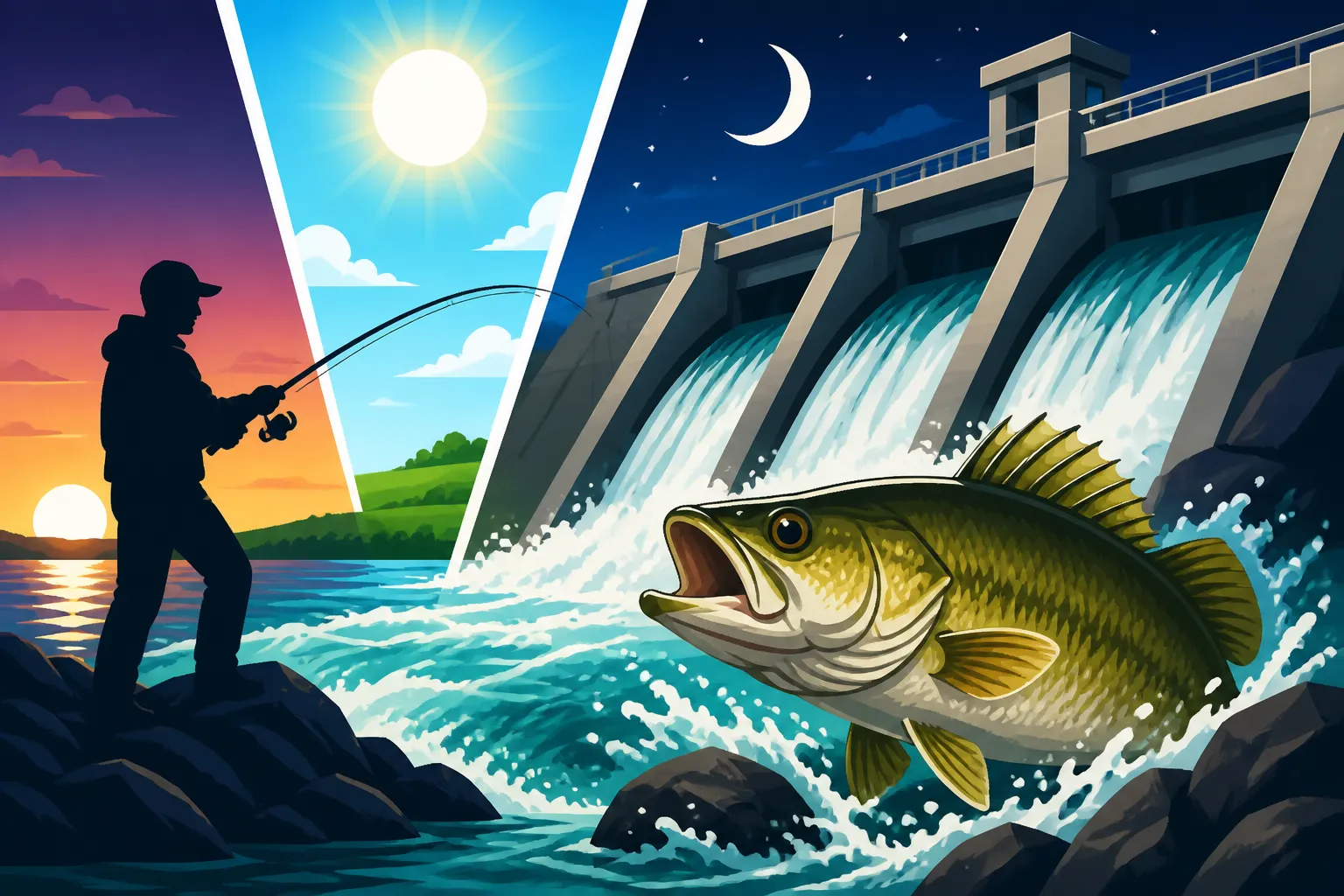
This is almost universal fishing wisdom, but it bears repeating: early morning and late evening are often the absolute prime times for spillway fishing. Why? Lower light conditions provide a sense of security for many predatory fish, allowing them to move into shallower, more aggressive feeding positions without the threat of aerial predators or excessive boat traffic. The water temperature is also typically at its coolest points during these times, especially in summer, which fish appreciate.
Think about the transition periods: sunrise and sunset. As the sun begins to peek over the horizon, or dips below it, the activity can explode. Fish that have been holding in deeper, calmer water will often move into the turbulent, food-rich areas below the spillway. This is when you should be on the water, already rigged up and ready to cast. The bite can be fast and furious for a relatively short window, so make the most of it. Many seasoned anglers will say that a half-hour before sunrise and an hour after sunset are their most productive times.
Overcast Days and Approaching Storms
Don't let a cloudy sky deter you from hitting the spillway. In fact, overcast conditions often translate to fantastic fishing! Similar to low light conditions at dawn and dusk, a consistent cloud cover reduces light penetration into the water, making fish feel more comfortable and active throughout the day. You might find that the mid-day lull completely disappears on a heavily overcast day, and fish will bite aggressively for hours.
Interestingly, the period just before a major storm front rolls in can also be incredibly productive. A sudden drop in barometric pressure often triggers a feeding frenzy as fish sense the change and know that feeding opportunities might be limited once the storm hits. However, use extreme caution if you're out on the water when a storm is actually approaching. Lightning and high winds are serious threats, and your safety should always come first. Post-storm fishing can be hit or miss; sometimes the fish shut down, but if the storm stirred up baitfish and created new current patterns, it can also reignite the bite.
Water Level and Flow Changes
This is perhaps one of the most critical, yet often overlooked, factors for spillway fishing. The amount of water being released from a dam directly impacts fish behavior. A sudden increase or decrease in flow can significantly alter the "best time" to fish. When the dam operators increase the flow, it can initially stir up baitfish and sediment, sometimes leading to a strong bite as predators capitalize on the chaos. However, an excessively strong current can also make it difficult for fish to hold position and for anglers to present lures effectively.
Conversely, a sudden decrease in flow might concentrate fish into smaller, deeper pools, making them easier to locate but sometimes harder to entice as they become more wary. Stable, consistent flow over a period of a few days is often ideal, as fish become accustomed to the conditions and establish predictable feeding patterns. Keeping an eye on local water flow reports (often available from hydrographic services) can give you a significant advantage. Learning How to Fish Current Seams on the Missouri River applies directly to understanding how varying flows impact fish location below spillways.
Essential Gear and Safety Considerations for North Dakota Spillway Anglers
Fishing below a dam's spillway isn't just about timing; it's also about having the right tools and, more importantly, prioritizing your safety. The powerful currents and often uneven terrain require a thoughtful approach to gear and a heightened awareness of your surroundings.
Rods, Reels, and Line for Strong Currents
When you're dealing with the powerful currents of a spillway, you can't show up with flimsy gear. You'll want a medium-heavy to heavy action spinning or baitcasting rod, typically in the 7 to 8-foot range. This length provides the leverage needed to cast heavier lures and to fight strong fish in current, while the power helps control fish before they can use the current against you. For a North Dakota Walleye Fishing Guide day on the spillway, a powerful rod is non-negotiable.
Pair that rod with a robust reel capable of handling heavy lines. A spinning reel in the 3000-4000 size range or a baitcasting reel with a good drag system is ideal. As for line, braided line is often preferred for its strength, sensitivity, and lack of stretch, which helps detect subtle bites in turbulent water. A 20-30 lb test braided line is a good starting point, often paired with a fluorocarbon leader (10-20 lb test) for abrasion resistance and invisibility. The braid cuts through the current better than monofilament, allowing your lure to get to depth more efficiently. You can find a fantastic selection of these types of fishing lines and other essentials on Amazon.
Lures, Bait, and Tackle
The specific lures and baits will depend on your target species and the season, but there are some general favorites for spillway fishing. Jigs are paramount. Heavy jigs (1/2 oz to 1 oz or more, depending on current) tipped with soft plastics (grubs, paddle tails) or live minnows are incredibly effective for walleye, sauger, and even pike. Bright colors like chartreuse, orange, or white often work well in stained or turbulent water.
Crankbaits that dive deep and have a strong vibrating action are also excellent, especially for trolling or casting into current seams. Consider both diving lipless crankbaits and those with large lips designed for deep dives. Spinners and spoons can also be effective, mimicking injured baitfish. For catfish anglers targeting those big Red River cats below a dam, Best Bait for North Dakota Fishing often means using cut bait, stink baits, or large chunks of worms fished on heavy sinker rigs. Always carry a variety of weights to ensure your bait gets to the bottom in strong currents.
Safety First: Waders, PFDs, and Awareness
Fishing near spillways can be dangerous, and safety must always be your top priority. If you plan to wade, investing in good quality, felt-soled wading boots with studs for extra grip is crucial. Chest waders will allow you to access shallower areas, but never wade into water where the current feels too strong or the bottom is unknown. The currents below spillways can be deceivingly powerful, even in seemingly shallow areas.
Always wear a personal flotation device (PFD), even if you're not planning to enter the water. A slip on a wet bank or unexpected surge of water could send you tumbling, and a PFD could be a lifesaver. Keep a sharp eye on changing water levels and flows, which can happen rapidly without warning. Be aware of signage around dams, as some areas may be restricted or outright off-limits for safety reasons. Never attempt to fish directly in the roaring white water of a spillway itself; focus on the calmer water immediately downstream, the eddies, and the current breaks. Fishing with a buddy is always a good idea in these potentially hazardous locations. Remember, the fish aren't worth risking your life.
| Season | Best Time of Day | Common Species | Recommended Techniques | Safety Notes |
|---|---|---|---|---|
| Spring | Morning, Evening (especially post-spawn) | Walleye, Northern Pike, Catfish | Jigging with minnows/grubs, casting crankbaits | Watch for rising water levels, slippery banks. |
| Summer | Early Morning, Late Evening | Walleye, Sauger, Smallmouth Bass, Catfish | Trolling crankbaits, bottom bouncing, drifting live bait | Stay hydrated, wear sun protection. |
| Fall | All Day (especially low light) | Walleye, Northern Pike, Sauger | Large crankbaits, swimbaits, spoons, jigging | Be aware of sudden cold fronts, dress in layers. |
| Winter | Mid-day (for active bites) | Walleye, Sauger, Perch | Ice fishing downstream in calmer oxygenated areas | EXTREME ICE SAFETY, unpredictable ice near current. |
Disclaimer
This article is for general informational purposes only and does not constitute professional advice. Laws, prices and regulations vary by location and change over time. Consult a qualified professional for guidance on your specific situation.