Ice Fishing Techniques for Crappie
The biting cold of a North Dakota winter is often seen as a deterrent, but for those of us who love chasing panfish, it's an invitation. Crappie can be incredibly rewarding through the ice, but they can also be notoriously finicky, leaving many anglers scratching their heads. This comprehensive guide is dedicated to breaking down the most effective ice fishing techniques for crappie, helping you unlock their secrets and fill your bucket.
Understanding Crappie Behavior Under the Ice
Crappie are fascinating fish, and their behavior changes significantly once the lakes freeze over. They aren't just swimming aimlessly; they have specific habits and preferred hangouts. Knowing these patterns is your first step to consistent success.
Crappie Locating Strategies in Winter
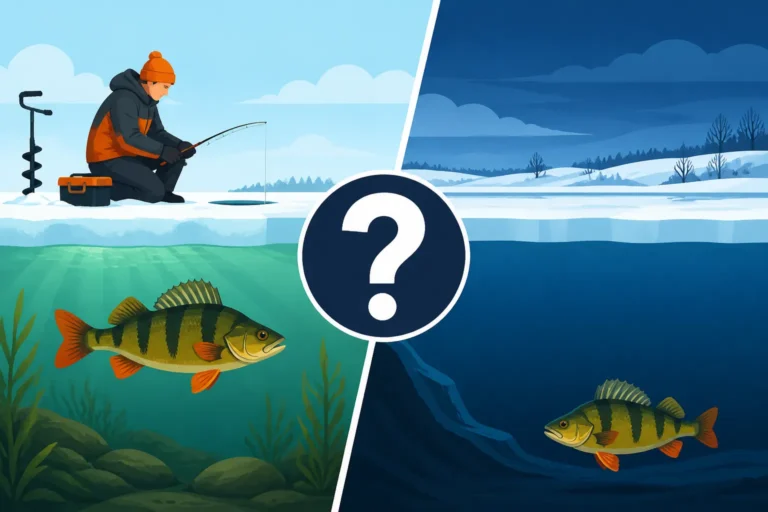
When the ice first forms, crappie often hold relatively shallow, near weed lines or structure they used in the fall. As winter progresses and ice thickens, they tend to move deeper, seeking out stable temperatures and concentrations of baitfish. Think about basins, deep weed edges, submerged timber, or even brush piles that might have been dropped by anglers. These spots offer both shelter and a food source.
Finding these winter hideouts is often a process of elimination. Start by looking at contour maps of the lake, identifying areas with significant depth changes or historical structure. Think about bottlenecks between basins or points that extend into deeper water. Once you're on the ice, don't be afraid to drill a series of holes, moving systematically across these likely areas. Using an electric auger can save you a lot of time and effort in this scouting phase. Remember, crappie often suspend, meaning they might not be right on the bottom. Your fish finder will be an indispensable tool here, showing you not just the depth, but also any suspended marks. You'll want to review your How to Read a Fish Finder for Ice Fishing skills for this.
Seasonal Crappie Movements and Depths
Crappie depth preferences aren't static; they shift throughout the ice fishing season. During early ice, you might find them in 8-15 feet of water, often still relating to the remnants of summer vegetation or shallow breaks. As mid-winter sets in and oxygen levels can fluctuate, they often retreat to deeper basin areas, sometimes suspending 10-20 feet down over 30-50 feet of water. They're following the baitfish, and finding that baitfish school is paramount. Think about large schools of minnows, which crappie will actively pursue.
Come late ice, as the days lengthen and snow melts, more oxygen enters the water, and crappie might start to venture shallower again, preparing for their spring spawn. They might be found near those same early-ice structures, but often more aggressively feeding. The key is adapting. If you're not getting bites at one depth, adjust. Try fishing higher in the water column, then lower, until you pinpoint where they're holding. Sometimes, a subtle change of five feet can make all the difference. Understanding Black Crappie Habitat in North Dakota can give you great insights into these movements.
Essential Gear for Ice Fishing Crappie
Having the right equipment can turn a frustrating day into a fantastic one. Crappie have incredibly light bites, especially in cold water, so sensitivity is king.
Rods, Reels, and Line for Sensitive Bites
For crappie, you want ultra-light to light action rods, typically 24 to 30 inches long. These shorter rods allow for precise jigging movements in your ice shelter and amplify those faint "thumps" or visual line twitches that signify a bite. A good quality graphite rod with a sensitive tip is crucial. Paired with this, a small spinning reel (500 to 1000 size) with a smooth drag is ideal. You're not fighting a monster, so finesse is more important than brute strength.
When it comes to line, 2 to 4-pound test monofilament or fluorocarbon is generally the sweet spot. Monofilament has a bit of stretch, which can act as a shock absorber for those light bites, while fluorocarbon is nearly invisible underwater and has less stretch for increased sensitivity. Some anglers prefer a very thin braided line with a fluorocarbon leader for ultimate sensitivity, especially when fishing deeper water, but this can be a bit more finicky to tie in freezing temperatures. Look for brands known for their thin diameter and high knot strength. You can find a fantastic selection of these specialized crappie rods and lines on Amazon, which makes it easy to compare options.
Lure Selection: Jigs, Plastics, and Live Bait
Crappie are primarily insect and small baitfish eaters, so your lures should mimic these food sources. Small jigs, usually 1/32 to 1/16 ounce, are staples. Think about teardrop jigs, small tungsten jigs, or horizontally-sitting jigs like Fiskas or Custom Jigs & Spins. The weight of tungsten jigs helps them drop faster and offers more sensitivity for feeling bites.
Pair these jigs with tiny soft plastic tails, often in sizes 1-2 inches. Popular styles include small tubes, grubs, or micro plastics that have a subtle swimming action. Colors can vary, but often bright colors like chartreuse, orange, or pink work well in stained water, while more natural colors like white, black, or subtle greens are effective in clear water. Don't underestimate the power of glow-in-the-dark jigs for deeper water or low-light conditions.
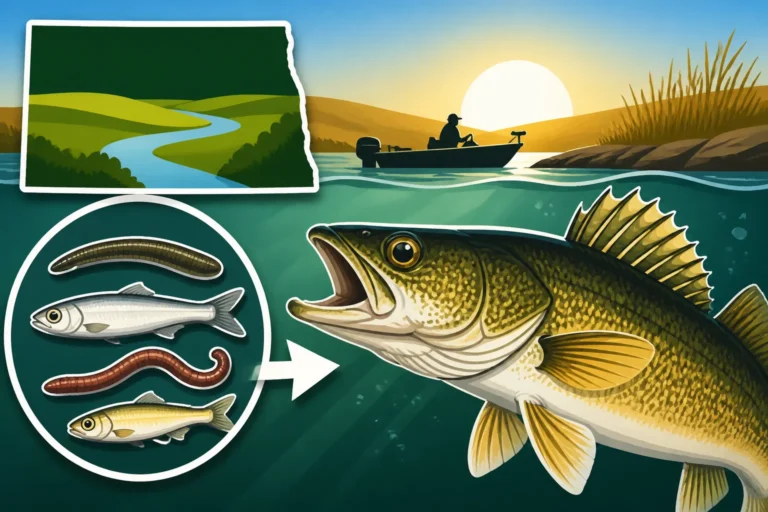
Live bait is often the ace up your sleeve, especially for finicky crappie. Small minnows (shiners or fatheads), waxworms, or maggots are excellent choices. Tipping your jig with a live minnow head or a couple of maggots can provide that extra scent and subtle movement that triggers a bite when plastics alone won't do the trick. For more specifics, check out our guide on Best Bait for Crappie in North Dakota.
The Role of Electronics in Finding Crappie
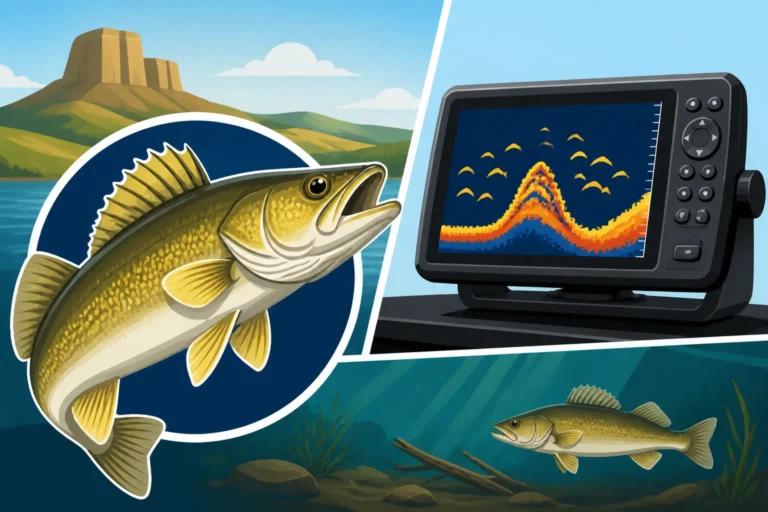
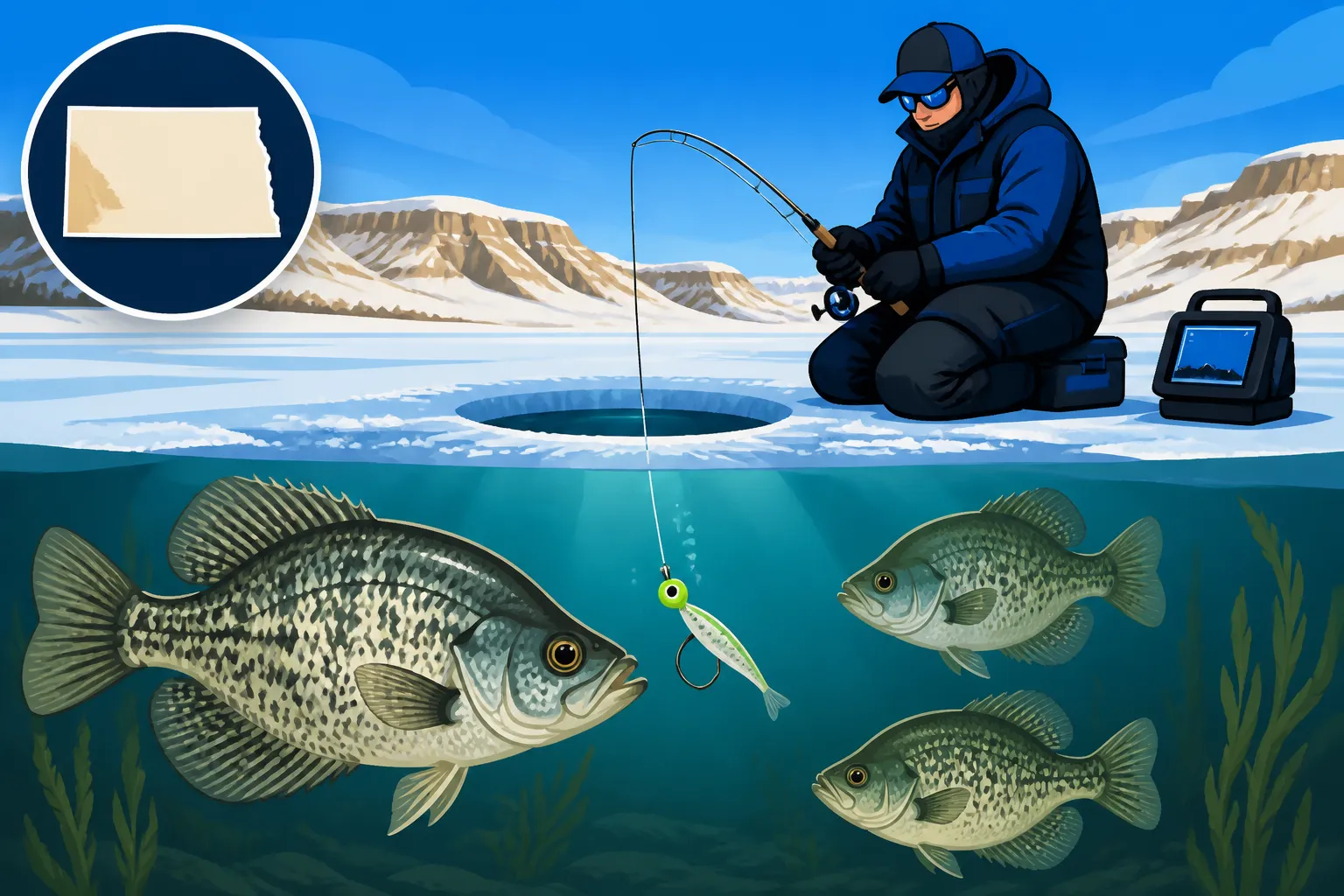
Modern ice fishing electronics are game-changers for crappie fishing. A good flasher or a portable fish finder with a sonar screen is indispensable. These devices allow you to see your lure in real-time and, more importantly, see fish approaching it. This feedback loop is crucial for adjusting your presentation.
When you see a fish mark on your screen, you can raise or lower your jig to meet it. If the fish rises to your lure, you know you're in the right zone. If it just sits below, you might need to adjust your jigging cadence or even the size/color of your lure. The sensitivity of these units means you can even see the faintest nibbles as slight disturbances around your lure. Make sure your unit's transducer is properly deployed in your hole for the clearest readings. For a deeper dive into these gadgets, refer to Ice Fishing Electronics and Fish Finders.
Proven Crappie Ice Fishing Techniques
Now that you've got the gear, let's talk about putting it to work. Crappie ice fishing is all about finesse and presentation.
Jigging and Presentation Finesse
Crappie often prefer a subtle approach. Unlike aggressive walleye or pike, they rarely chase down a wildly erratic lure. Your jigging motion should be subtle, almost imperceptible. Try a slow lift-and-drop, a gentle quiver, or just holding the bait still with minimal movement. Often, the bite comes on the pause, as the lure falls or is completely still.
A common technique is to drop your jig to the depth where you're seeing crappie on your fish finder. Then, give it a few subtle twitches or a slow lift of about 6-12 inches, followed by a slow, controlled fall. Watch your line closely, as crappie bites can be incredibly light. Sometimes, the only indication is a slight "tick," a momentary halt in the line's descent, or your line simply going slack. Set the hook immediately with a gentle wrist flick when you detect anything out of the ordinary. Experiment with different jigging cadences until you find what the crappie are responding to.
Deadsticking and Setup for Finicky Crappie
When crappie are particularly finicky, a deadstick setup can be incredibly effective. This involves having a second rod set up with a simple hook and live bait (usually a small minnow) suspended motionless in the water, typically a foot or two above where you're actively jigging. The idea is that the active jigging might attract fish, and if they're not willing to commit to the artificial lure, they might take the easy meal offered by the deadstick.
For a deadstick, a slightly stiffer rod than your jigging rod can be useful, as you won't be actively holding it. Use a small bobber (pencil or spring bobber) that is sensitive enough to show the lightest bite. Some anglers prefer to use a rod holder to keep the rod perfectly still. The key is minimal movement. The natural swimming action of the minnow is often all it takes to entice a reluctant crappie. Many anglers run a deadstick in a separate hole a few feet away from their jigging hole to cover more water and offer different presentations simultaneously. Remember to adhere to North Dakota Ice Fishing Rules regarding the number of lines you can fish with.
Maximizing Your Catch: Hole Hopping and Patience
Crappie are often schooled, but those schools can be highly mobile. Don't be afraid to move if the bite slows down. This is where "hole hopping" comes in. Drill several holes in a promising area, fan out over a structure or depth contour, and fish each hole for 10-15 minutes. If you're not getting bites or seeing fish on your electronics, move to the next hole. This aggressive approach helps you quickly locate active fish.
On the flip side, sometimes crappie require patience. Once you find a school, they might take a while to "turn on." It's not uncommon to sit on a school for 20-30 minutes before they start to bite consistently. Pay attention to how the fish react on your sonar. If they're showing interest but not biting, try changing your jigging action, lure color, or even switching to a tiny live bait. Sometimes, just waiting them out is the best strategy. Keep yourself comfortable in a good portable ice shelter, especially on those windy North Dakota days. Check out options for Best Portable Ice Shelters for Wind to stay warm and focused.
Dealing with Common Challenges
Ice fishing for crappie isn't always smooth sailing. North Dakota winters throw a lot at you, from extreme cold to finicky fish.
Adjusting to Tough Conditions
Cold fronts are notorious for shutting down a crappie bite. When temperatures drop drastically or barometric pressure shifts, crappie often become less active and suspend tighter to the bottom or deeper in the water column. In these conditions, extreme finesse is required. Slow down your jigging even further, use smaller lures, and definitely incorporate live bait. Sometimes, going with a virtually motionless deadstick is the only way to get them to bite.
Wind can also be a challenge, making it hard to feel subtle bites and keeping you uncomfortable. This is where a good ice shelter becomes a non-negotiable piece of gear. Inside a shelter, you can stay warm, your line won't get blown around, and you can focus on those incredibly light crappie takes. Dress in layers, and don't underestimate how quickly the brutal North Dakota winds can cut through inadequate clothing. Consider bringing a portable heater to stay comfortable. You can find a wide range of highly-rated portable heaters and other cold-weather gear on Amazon to ensure you're prepared for whatever Mother Nature throws your way. It’s also wise to review tips on How Cold It Gets Ice Fishing in North Dakota for proper preparation.
Ice Fishing Safety and Comfort for Crappie Anglers
Safety should always be your top priority when ice fishing. Never venture onto ice that you're unsure about. Always check ice thickness regularly, especially at early or late ice. A spud bar or an auger can be used to test the ice as you go. Carry ice picks, and know what to do if you fall through. Fish with a buddy, and let someone know where you're going and when you expect to return.
For comfort, dress in layers. Good insulated boots, gloves, a hat, and a warm winter suit are crucial. Hand warmers and foot warmers can also be a lifesaver on particularly frigid days. Beyond warm clothing, consider a comfortable ice fishing chair or bucket, and have a good thermos filled with hot coffee or soup. Keeping your hands warm is particularly important for crappie fishing, as you need that dexterity and sensitivity to feel the light bites. Using a good ice sled to transport your gear can make your day much easier. For more comprehensive gear advice, check out Best Ice Fishing Gear for North Dakota and How to Ice Fish in North Dakota.
Crappie ice fishing can be incredibly rewarding, offering a unique challenge and delicious rewards. By understanding their behavior, equipping yourself with the right gear, and mastering these finesse techniques, you'll be well on your way to consistent success on North Dakota's frozen waters.
| Jig Type | Best Conditions | Retrieve Style | Key Feature |
|---|---|---|---|
| Tungsten Micro Jig | Deep water, finicky bites, maximum sensitivity | Slow lift-drop, subtle quiver, deadstick | Heavy for its size, drops fast, high sensitivity |
| Teardrop Jig | All-around, stained to clear water | Gentle jigging, pauses | Classic panfish shape, often tipped with bait |
| Small Tube Jig | Moderate activity, mimicking small baitfish | Light jig, slow retrieve, twitch | Soft plastic action, versatile |
| Horizontal Jig | Hovering crappie, subtle presentation | Short lifts, gentle bounces | Sits horizontally, good for tipping |
Disclaimer
This article is for general informational purposes only and does not constitute professional advice. Laws, prices and regulations vary by location and change over time. Consult a qualified professional for guidance on your specific situation.