Paddlefish Snagging Season on the Missouri River
Many anglers dream of battling a truly prehistoric giant, but the thought of navigating the specific season, permits, and unique techniques for North Dakota paddlefish can feel overwhelming. It's a special kind of fishing that doesn't follow the usual rules, leaving many wondering where to even begin. This comprehensive guide will demystify the annual paddlefish snagging season on the Missouri River, covering everything from understanding the fish and the rules to essential gear and on-the-water etiquette, ensuring you're well-prepared for an unforgettable adventure.
The Unique Appeal of North Dakota Paddlefishing
There's something incredibly primal and exciting about targeting paddlefish. These magnificent creatures are like living fossils, having cruised North Dakota's waters for millions of years, and the sheer power they possess on the end of a line is unlike anything most anglers have experienced. It's not just a fishing trip; it's an encounter with history, a test of strength, and a unique North Dakota tradition that draws enthusiasts from all over.
What Makes Paddlefish So Special?
Paddlefish, often called "spoonbills" because of their long, paddle-shaped snout, are one of the largest and longest-living freshwater fish in North America. They're filter feeders, sifting plankton from the water, which means they don't bite traditional baits. This feeding strategy is precisely why the unique method of "snagging" is employed. Imagine a fish that can weigh over 100 pounds and grow several feet long, with a lifespan that can exceed 50 years—these aren't your typical panfish. Their unique biology and massive size make them a truly bucket-list species for many anglers.
Beyond their impressive statistics, paddlefish have a distinct appearance that sets them apart. Their smooth, scaleless skin, shark-like tail, and, of course, that prominent paddle, make them instantly recognizable. Catching one feels less like catching a fish and more like wrestling a streamlined, ancient creature from the depths. It's an experience that leaves you both awestruck and exhausted, and definitely provides stories for years to come around the campfire.
Why Snagging is the Method of Choice
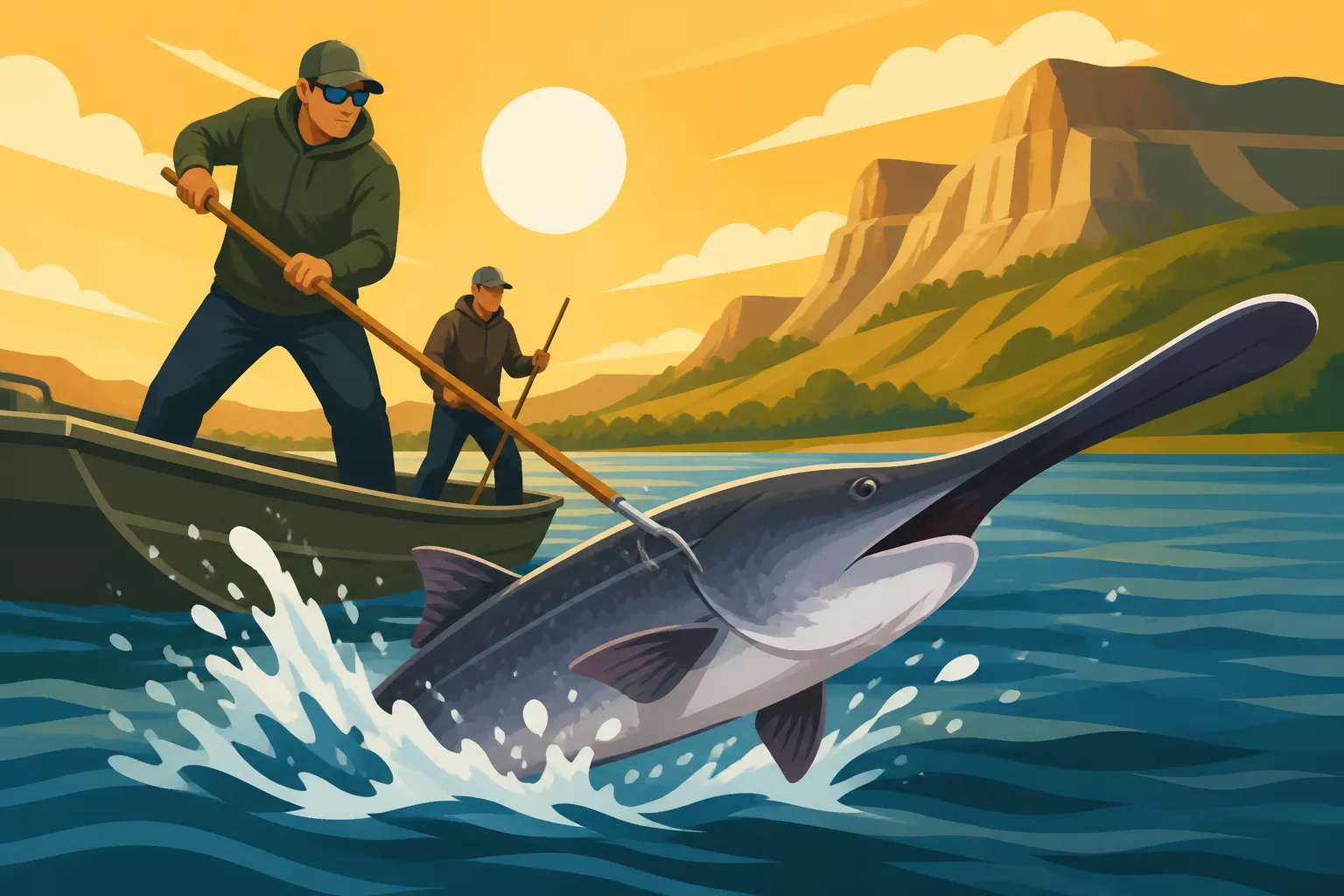
Since paddlefish filter feed, they don't chase lures or bite bait in the conventional sense. This is where "snagging" comes in, a method specifically designed to hook the fish externally. While it might sound a bit unconventional to those used to casting and reeling, it's the accepted and legal way to harvest these giants in North Dakota, and it's regulated very strictly. The technique involves heavy gear and a forceful, sweeping cast, designed to pass a large, weighted treble hook through the water column where paddlefish are congregating.
It's a physically demanding style of fishing. You're not waiting for a subtle bite; you're actively trying to intercept a large, fast-moving fish with a hook. This means repeated, powerful casts, often from a boat or designated snagging platform, and then a strong, consistent retrieve. The moment you feel that "thump" of a snagged paddlefish, the fight is on, and it's often a long, hard pull that tests both your gear and your endurance. It’s a challenge that many anglers eagerly embrace, even if it means sore muscles the next day.
A Legacy on the Missouri River
The Missouri River system is the lifeblood for North Dakota's paddlefish population, particularly the stretch below Garrison Dam and into Lake Sakakawea. This area provides the critical habitat for these fish, especially during their spawning runs. The annual paddlefish snagging season isn't just a recreational event; it's deeply tied to the conservation and management of this unique species. The North Dakota Game and Fish Department carefully monitors the population and sets regulations to ensure these ancient fish can thrive for future generations.
Generations of anglers have gathered along these riverbanks and in these waters to partake in the tradition. It's a social event, a community gathering, with stories shared, tips exchanged, and the camaraderie of fellow enthusiasts all seeking that monster catch. For many, the Missouri River in spring signifies more than just fishing; it represents the renewal of a cherished tradition, a chance to reconnect with nature and participate in a unique slice of North Dakota's outdoor heritage. Learning about the Missouri River Fishing Guide can help you understand the broader fishing opportunities available there.
Deciphering North Dakota's Paddlefish Snagging Season
Understanding when and where you can legally snag paddlefish is absolutely critical. Unlike other fish species with year-round open seasons, paddlefishing is highly regulated with specific dates, designated areas, and often a lottery system for tags. Missing these details can quickly turn an exciting trip into a disappointing one, or even lead to legal trouble. It's essential to plan well in advance and stay informed.
Annual Season Dates and Zones
The North Dakota paddlefish snagging season typically runs for a limited window in May. However, these dates, and the specific open zones, can vary slightly each year based on river conditions, water levels, and biological assessments of the paddlefish population. Generally, the primary snagging area is the Yellowstone River from the North Dakota/Montana border to its confluence with the Missouri River, and the Missouri River from the confluence downstream to an area below Garrison Dam, near the Oahe Dam. Specific areas, like the Intake Diversion Dam in Montana, often have their own unique rules and access considerations that impact North Dakota anglers.
It's vital to remember that not all stretches of the Missouri River are open for paddlefish snagging. The North Dakota Game and Fish Department publishes a detailed North Dakota Fishing Season Dates and Limits annually, which outlines the precise boundaries and dates. Always double-check the latest regulations before heading out. Imagine driving hours to a prime spot, only to find out it's closed for paddlefishing or that the season hasn't started yet! Staying updated saves a lot of heartache and wasted time.
Understanding the Lottery and Permits
Here's where it gets a little more complex for snagging an adult paddlefish: the lottery and tagging system. While there might be a general open season for paddlefish, many anglers also apply for a limited number of special tags through a lottery system. These tags often allow for snagging during a specific timeframe or in particular zones, and they are highly sought after. If you're hoping to get a prime tag, you'll need to submit an application well in advance, usually in late winter or early spring.
The purpose of this lottery and tagging system is purely conservation. It helps the North Dakota Game and Fish Department manage the harvest and ensure the long-term health of the paddlefish population. Not everyone who applies will get a tag, and that's just part of the process. It truly adds to the mystique and value of catching a paddlefish, knowing that each tag represents a carefully managed opportunity. Don't forget to review the question of Do You Need a Paddlefish Tag in North Dakota? to fully understand the requirements.
Key Dates and Where to Find Official Information
Staying on top of official information is paramount for a successful paddlefish snagging trip. The North Dakota Game and Fish Department's website is your absolute best friend here. They will publish the yearly fishing proclamation, which includes all the specific paddlefish regulations, season dates, zone maps, and application deadlines for any lottery tags. Don't rely on old pamphlets or hearsay from the bait shop; always go straight to the source.
I always recommend setting reminders on your calendar for key dates—like the lottery application deadline, the start of the general season, and when the proclamation is usually released. Checking sources like the North Dakota Fishing Regulations Explained and the annual North Dakota Fishing Proclamation are crucial steps. This proactive approach ensures you're not left scrambling at the last minute and helps you avoid any misinterpretations that could lead to issues on the water.
| Activity/Information | Typical Timing | Where to Find Information | Importance |
|---|---|---|---|
| Annual Fishing Proclamation | Late Winter/Early Spring | ND Game and Fish Website, Retailers | Critical for all regulations, dates, limits |
| Paddlefish Tag Lottery Application | Typically February/March | ND Game and Fish Website (Online application portal) | Essential for limited lottery tags |
| Paddlefish Snagging Season | Typically May (Specific dates vary) | ND Game and Fish Proclamation | Exact start/end dates for snagging |
| Paddlefish Snagging Zones | Annual Proclamation | ND Game and Fish Website (Maps often included) | Knowing legal areas to snag |
| Paddlefish Tag Purchase Deadline | Before snagging, if applicable | ND Game and Fish Website, Authorized License Vendors | Necessary for legal harvest |
| License Purchase | Before fishing begins | ND Game and Fish Website, Retailers, Amazon (for related gear) | Required for all fishing, including paddlefishing |
Navigating the Regulations: Licenses, Tags, and Limits
Once you understand when to go, the next hurdle is what you need to legally participate. North Dakota has specific licensing and tagging requirements for paddlefish, which are different from standard fishing. Ignoring these rules isn't just risky; it's a surefire way to ruin your trip and potentially incur fines. Let's make sure you're squared away.
Required Licenses and Paddlefish Tags
First and foremost, you'll need a valid North Dakota fishing license. This is your baseline requirement for any fishing activity in the state, including paddlefishing. Whether you're a resident or a nonresident, you must possess the appropriate license. For details on how to get one, you can check out the How to Get a North Dakota Fishing License guide. It's often easiest to purchase these online directly from the North Dakota Game and Fish Department, or from authorized vendors like sporting goods stores or even some convenience stores.
On top of your general fishing license, if you plan to keep a paddlefish, you will almost certainly need a specific paddlefish tag. These tags are often part of the lottery system we discussed, or they might be available for purchase for a designated "general" season, depending on the year's regulations. Each kept paddlefish requires a tag, and these tags must be immediately attached to the fish as soon as it's harvested. This system helps biologists accurately track harvest numbers. Think of it like a deer tag for fishing – it's that important. Don't head out without clarifying your tag situation.
Daily and Seasonal Limits
North Dakota's paddlefish regulations include strict daily and seasonal limits, which are designed to protect the species and distribute the harvest fairly among anglers. Typically, the daily limit is one paddlefish, and the seasonal limit is also often one, meaning once you keep a paddlefish and tag it, your paddlefishing season is over for the year for that particular type of tag. These limits apply regardless of whether you’re fishing from a boat or from shore.
It's absolutely essential to be crystal clear on these limits before you start fishing. Imagine the excitement of snagging a second monster paddlefish, only to realize you can't legally keep it. Releasing a large, potentially exhausted fish that has been fought hard can be challenging and stressful for the fish. Being aware of your limits from the outset helps you make responsible decisions on the water and ensures you're complying with conservation efforts. If you're confused, consult the North Dakota Fishing Regulations Explained for the most up-to-date information.
Gear Restrictions and Legal Snagging Methods
Not just any fishing gear will do for paddlefish, and there are very specific rules about what constitutes legal snagging equipment. You're typically allowed one rod and reel, and it must be heavy-duty to handle the brute force of these fish. The line needs to be strong, often braided, with a high pound test. As for hooks, regulations usually specify large, single treble hooks, often weighted to help them sink and sweep through the water column effectively. Using multiple hooks, illegal sizes, or non-approved weights can lead to citations.
The method itself is also regulated. "Snagging" means intentionally hooking a fish in any part of its body other than the mouth. While it sounds simple, the actual technique involves a lot of casting and reeling, trying to sweep the hook through areas where paddlefish are known to congregate. There are also rules about how many lines you can use simultaneously and how you must handle a snagged fish. For instance, any paddlefish that has been gaffed or had its internal organs removed cannot be released, emphasizing the need for careful handling and immediate tagging if you intend to keep it. Always refer to the North Dakota Snagging Regulations for Paddlefish for precise details on gear and methods.
Essential Gear and Effective Snagging Techniques
Paddlefishing isn't like bass fishing where a medium-action spinning rod will suffice. You're going after fish that can outweigh a grown man, often in strong currents, and they will put up an epic fight. Having the right gear isn't just about comfort; it's about successfully landing the fish and minimizing stress on both yourself and the paddlefish, whether you plan to keep it or release it.
Rods, Reels, and Line for Monster Paddlefish
When it comes to paddlefishing, think heavy-duty, robust, and durable. Your rod should be a stout, heavy-action rod, typically 7 to 9 feet long, capable of handling significant weight and stress. Look for rods designed for saltwater big game or muskie fishing – they have the backbone required. A weak rod will quickly snap or fail under the immense strain of a fighting paddlefish. Many anglers prefer fiberglass rods for their durability and parabolic bend, which helps absorb shocks.
Pair that rod with a high-capacity baitcasting reel or a robust spinning reel, capable of holding hundreds of yards of heavy line. A good retrieve ratio is helpful, but cranking power is paramount. Most importantly, fill that reel with strong braided line, often in the 80 to 100+ pound test range. Braided line offers minimal stretch, which is crucial for feeling the "thump" of a snag and setting the hook, as well as providing the sheer strength needed for the fight. Brands like PowerPro or Berkley X9 are popular choices, and you can find a wide selection of these heavy lines on Amazon or at your local sporting goods store. Having the right Best Fishing Rods for North Dakota Anglers is a good start, but for paddlefish, you need to go even bigger.
Choosing the Right Snagging Hooks and Weights
The business end of your paddlefishing setup is just as critical as your rod and reel. You'll typically be using large, heavy treble hooks. Regulations often specify the maximum legal gap between points, so make sure your hooks comply. Sizes can range from 8/0 to 12/0 or even larger. These aren't small hooks; they need to be strong enough not to bend or break under extreme pressure. Some anglers will sharpen their hooks meticulously for better penetration, which is a good idea.
To get those hooks down to where the paddlefish are and to allow for effective snagging, you'll need substantial weight. This usually comes in the form of heavy lead weights, often pyramid or bell sinkers, weighing anywhere from 6 ounces to a pound or more, depending on the current and depth. These weights are often attached above the treble hook, creating a compact, heavy rig that can be cast a good distance and sink quickly. Having a variety of weights on hand is smart, as river conditions can change throughout the day. You can find robust treble hooks and lead weights suitable for paddlefishing easily on Amazon or at any well-stocked tackle shop.
Mastering the Snagging Cast and Retrieve
Snagging paddlefish isn't about finesse; it's about power and repetition. The basic technique involves casting your heavy rig out into the current, letting it sink to the appropriate depth where paddlefish are migrating, and then using a steady, sweeping retrieve. The idea is to cover as much water as possible, allowing your hook to pass through the path of these filter-feeding fish. This isn't a gentle cast; you'll be putting your whole body into it, launching those heavy weights and hooks a considerable distance.
Once the rig is in the water, the retrieve is key. Many anglers use a slow, sweeping motion with their rod, paired with a steady reel retrieve, to keep the hook moving through the water column. You're not waiting for a "bite" in the traditional sense; you're waiting for that sudden, heavy "thump" or resistance that tells you a paddlefish has been snagged. When that happens, set the hook hard, and prepare for a fight! It's physically demanding, requiring endurance and a powerful casting arm, but the reward of hooking into a truly massive fish makes every cast worthwhile. Don't be afraid to experiment with different depths and retrieve speeds until you find what works in your chosen spot.
Safety, Etiquette, and Conservation on the Water
Paddlefishing on the Missouri River can be an intense experience, and often involves crowded conditions, strong currents, and powerful fish. Because of this, safety and respecting fellow anglers and the resource itself are incredibly important. A successful trip isn't just about catching a fish; it's about having a safe, enjoyable, and responsible experience.
On-Water Safety Considerations and Best Practices
The Missouri River, especially below the dams, can have strong currents, fluctuating water levels, and swift eddies. If you're fishing from a boat, always ensure you have all required safety gear, including properly fitting life jackets for everyone on board. The water can be cold, even in May, so dressing in layers and being prepared for immersion is wise. Always tell someone where you're going and when you expect to return. Be aware of submerged hazards like snags or sandbars that can shift with the current.
If fishing from shore, be mindful of slippery banks and uneven terrain. The sheer weight and power of a snagged paddlefish can pull an unprepared angler off balance, especially on unstable footing. Consider wearing appropriate footwear with good grip. Keep an eye on children and pets, as the combination of heavy casting, large fish, and strong currents can be dangerous. Knowing how to properly anchor your boat in current and maintain control is paramount for a safe day on the water. A good Essential Gear Checklist for North Dakota Fishing will always include safety items.
Respecting Fellow Anglers and the Resource
Paddlefish snagging areas can get crowded, especially during peak season and on weekends. Practicing good angler etiquette is crucial for everyone's enjoyment. This means giving other anglers enough space to cast and fight their fish without interference. Avoid casting directly over someone else's line, and be patient if a boat needs to navigate around your casting area. A polite nod and a friendly greeting go a long way. Remember, everyone is out there for the same exciting experience.
Beyond respecting people, it's vital to respect the paddlefish population and the river ecosystem. This means following all regulations, not littering, and minimizing your impact on the environment. If you’re keeping a fish, handle it efficiently and humanely. If you're releasing one, do so carefully to maximize its chances of survival. Understanding Where Is Paddlefish Snagging Legal in North Dakota? also contributes to respecting designated zones.
Handling and Releasing Paddlefish Responsibly
Landing a large paddlefish is a challenge, and handling it carefully once it's on shore or in the boat is equally important. These fish are large and powerful, and they can thrash significantly. If you intend to keep your fish, dispatch it quickly and humanely. Have your paddlefish tag ready to attach immediately, as required by law. Many anglers use a blunt object or a gaff to bring the fish to shore, but be aware of specific regulations regarding gaff use.
If you snag a paddlefish and decide not to keep it (perhaps it's too small, or you've already filled your tag, or you simply prefer to release), responsible handling is paramount. Try to keep the fish in the water as much as possible while removing the hook. Avoid dragging it on rough surfaces or dropping it. Minimize the time it spends out of the water, especially if it's a hot day. Supporting the fish by its belly and allowing it to recover before swimming off increases its chances of survival. Consider wearing heavy gloves, which you can easily find on Amazon, to protect your hands from the powerful fish and the large hooks.
Beyond the Snag: What to Do After Your Catch
So, you've battled a magnificent paddlefish and brought it to shore. Now what? For many, the next steps involve cleaning, processing, and enjoying the fruits of their labor. Paddlefish are known for their firm, white, and delicious meat, making them a prized catch beyond the thrill of the fight.
Processing Your Paddlefish: Cleaning and Filleting
Cleaning a large paddlefish is no small feat. Their unique skeletal structure and lack of scales mean a different approach than cleaning a walleye or pike. Many anglers choose to "steampunk" a paddlefish, which involves removing the head, tail, and dorsal fin, then splitting the body cavity. The thick, firm meat can then be cut into steaks. The skin is typically left on during cooking and removed before eating, or carefully skinned off before cooking.
Due to their size and the unique nature of the fish, processing can be a messy and somewhat challenging task for first-timers. It's helpful to watch some instructional videos or ask an experienced paddlefisher for tips. Having a very sharp, strong fillet knife (or even a saw for larger bones) and a sturdy cleaning station is essential. Remember, responsible anglers utilize their catch, and the generous amount of delicious meat from a paddlefish makes all the effort worthwhile.
Preserving Your Catch for Future Enjoyment
Once your paddlefish is cleaned and portioned, proper preservation is key to enjoying it for weeks or months to come. Refrigeration is fine for a few days, but for longer storage, freezing is the way to go. Vacuum sealing the fillets or steaks is highly recommended as it prevents freezer burn and maintains the quality and flavor of the meat for an extended period. You can find excellent vacuum sealers and bags on Amazon.
Many anglers also enjoy smoking paddlefish. The firm, mild meat takes on smoky flavors beautifully, creating a delectable treat. Whether you plan to grill, bake, fry, or smoke your paddlefish, proper handling and preservation from the moment it's caught will ensure you get the most out of your unique North Dakota trophy. This is a fish that deserves to be savored!
The Enduring Memories of a North Dakota Paddlefish Adventure
Beyond the meat in your freezer, the true reward of paddlefishing is the experience itself. It's the challenge of the cast, the shock of the snag, the intense fight, and the sheer awe of holding a creature that has roamed these waters since the age of dinosaurs. It's the camaraderie with fellow anglers on the riverbank, the shared stories, and the sense of accomplishment that comes with tackling such a unique and formidable fish.
A North Dakota paddlefishing trip is more than just a fishing excursion; it's an adventure that etches itself into your memory. From carefully studying the North Dakota Fishing License Cost Guide to ensuring you have all your tags in order, every step contributes to an unforgettable journey. So, if you're looking for a truly epic fishing experience, consider heading to the Missouri River for paddlefish snagging. It's a tradition that combines history, sport, and a taste of the wild that is distinctly North Dakotan. Catching a North Dakota Paddlefish Snagging Record might be a long shot, but the memories are a guaranteed trophy.
Disclaimer
This article is for general informational purposes only and does not constitute professional advice. Laws, prices and regulations vary by location and change over time. Consult a qualified professional for guidance on your specific situation.