Lake Trout in North Dakota
Finding a truly challenging, deep-water sportfish in North Dakota can sometimes feel like searching for a needle in a haystack, especially if you're accustomed to targeting walleye or pike in shallower haunts. Many anglers are curious about what other robust species lurk beneath the surface. This guide is dedicated to shedding light on the elusive and exciting world of lake trout fishing in North Dakota, particularly where they thrive and how you can successfully bring one to your net.
The Mystery of Lake Trout in North Dakota's Waters
When you mention "trout" in North Dakota, most folks immediately think of the rainbow trout stocked in smaller ponds and lakes, or maybe the occasional brown trout. But lake trout? That's a different beast altogether, a true cold-water dwelling powerhouse that demands specific conditions and a bit of a strategic shift in your fishing approach. They're not as widespread as some other game fish, which makes them all the more intriguing for anglers seeking a unique challenge.
What Makes a Lake Trout Tick? Identification and Behavior
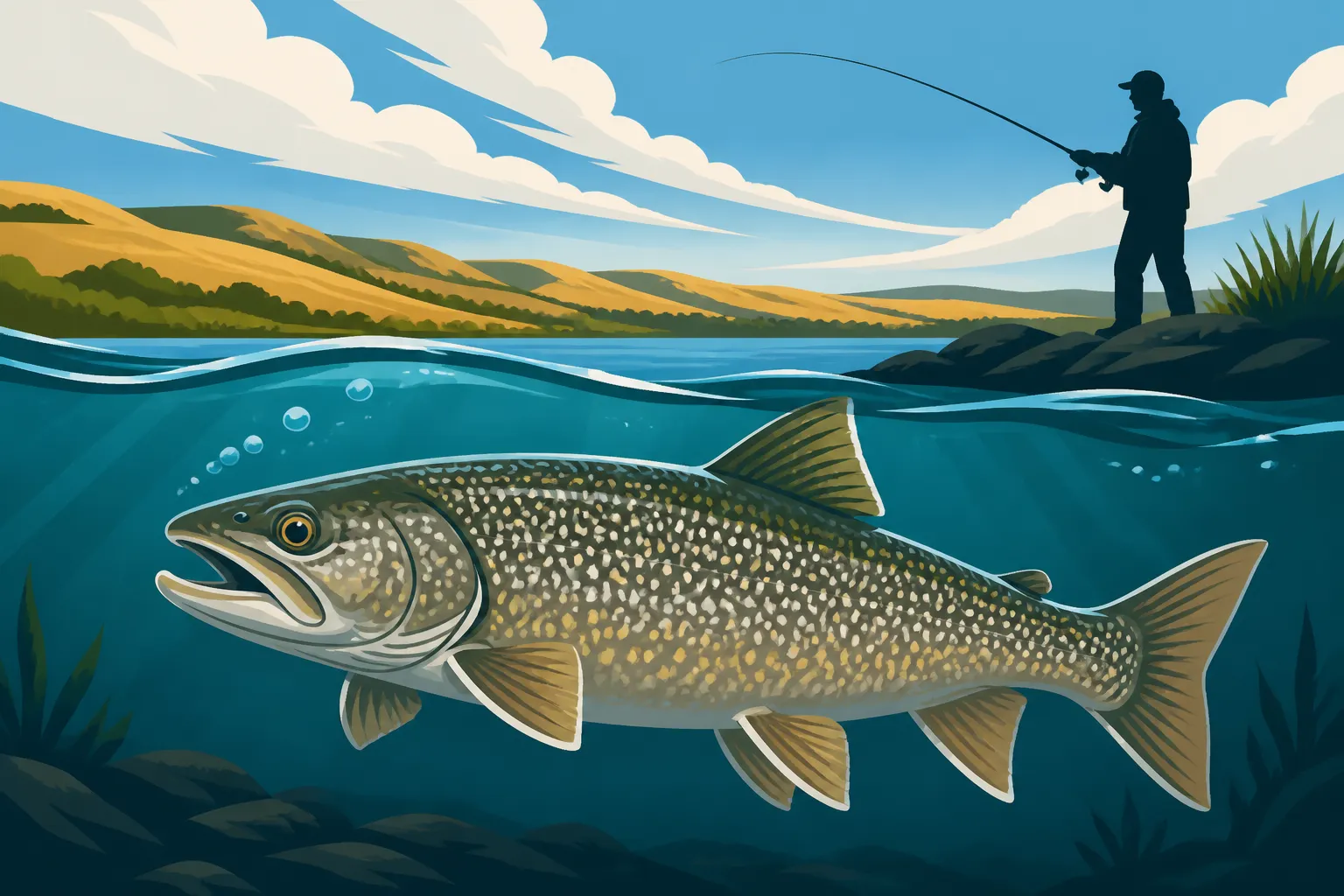
Lake trout are members of the char family, often characterized by their deep, dark green to gray bodies, adorned with lighter, often worm-like markings (vermiculations) on their back and sides. Unlike many other trout species, they have a deeply forked tail, which is a key identifier. Their mouths are large, extending back beyond the eye, and they are armed with plenty of sharp teeth, a clear sign of their predatory nature. These fish are built for the depths, with streamlined bodies that allow them to chase down prey in cold, dark environments.
As cold-water specialists, lake trout thrive in deep, oxygen-rich waters that remain cool even during the peak of summer. They are primarily piscivorous, meaning they feed on other fish. In North Dakota's primary lake trout fishery, their diet often consists of abundant baitfish, but they are opportunistic predators and will eagerly strike at anything resembling a meal. Their behavior is largely dictated by water temperature; they'll seek out the thermocline (the layer where water temperature changes rapidly) or deeper, colder water as temperatures rise, making them a year-round deep-water target.
Lake Trout vs. Chinook Salmon: A Tale of Two Deep Dwellers
It's common for anglers to sometimes confuse lake trout with Chinook salmon, especially in waters like Lake Sakakawea where both exist and are often targeted with similar deep-water techniques. While both are powerful, large game fish that inhabit colder, deeper waters, there are distinct differences. Chinook salmon typically have a more silvery body with distinct black spots on their back and tail, and their flesh is famously orange-red. Lake trout, as mentioned, are darker, more mottled, and have that characteristic deeply forked tail and worm-like markings. Understanding these visual cues can help you identify your catch correctly, especially important for adhering to specific regulations for each species. It’s a good idea to refresh yourself on identifying fish species, as catching a North Dakota Chinook Salmon Fishing Guide might require different approaches than what works for lake trout.
| Feature | Lake Trout | Chinook Salmon |
|---|---|---|
| Coloration | Deep green/gray, lighter worm-like markings | Silvery body, black spots on back and tail |
| Tail | Deeply forked | Slightly forked to square, spotted |
| Mouth | Large, extends past eye, many teeth | Large, usually dark gums, often black tongue |
| Habitat Preference | Deep, cold, oxygenated water | Deep, cold, open water (migratory patterns) |
| Primary Diet | Fish (opportunistic) | Fish (especially baitfish) |
| Spawning | Fall, on rocky shoals in lakes | Fall, in rivers/streams (stocked in ND lakes) |
| Average Size (ND) | Can reach trophy sizes, often 5-15 lbs | Often 5-20+ lbs, can be larger |
Where North Dakota's Lake Trout Roam
When it comes to lake trout in North Dakota, there's one body of water that stands head and shoulders above the rest: Lake Sakakawea. This massive reservoir, formed by the Garrison Dam on the Missouri River, provides the vast, cold, and deep habitat that these fish absolutely require to thrive. While you might dream of discovering a hidden gem, the reality is that Lake Sakakawea is the place to target these impressive fish in the state.
Lake Sakakawea: The Premier Lake Trout Destination
Lake Sakakawea is a behemoth, stretching for miles across the North Dakota landscape, boasting an incredible amount of deep water. It's not just big; it's also incredibly varied, with steep drops, submerged timber, and deep points that create ideal holding patterns for lake trout. The reservoir's ability to maintain cold water temperatures year-round, even through scorching North Dakota summers, is crucial for sustaining a lake trout population.
Anglers often find success focusing on the deeper sections of the lake, particularly in the eastern and central regions near the Garrison Dam where the water is deepest. Areas with pronounced underwater structure, like humps, drop-offs, and old river channels, are prime hunting grounds. These features concentrate baitfish, which in turn attract the predatory lake trout. Think about those main lake points and steep breaklines that descend into the abyss – that's where the lakers often hang out, patiently waiting for an unsuspecting meal to swim by. It's truly a unique experience to explore this vast water body, and I'd recommend checking out the Lake Sakakawea Fishing Guide for North Dakota Anglers to get a broader understanding of its immense potential.
Understanding Lake Trout Habitat and Seasonal Movements
Lake trout are highly sensitive to water temperature, which heavily dictates their movements throughout the year. In the colder months, like early spring and late fall, they might be found slightly shallower, though still often preferring depths over 30-40 feet. As the water warms in summer, they retreat to the deepest, coolest parts of the lake, often holding at depths of 60 to 100 feet or more. This means that success often hinges on your ability to find and consistently present lures in these deep-water havens.
During winter, under the ice, they'll still be in deep water but can be caught with vertical jigging techniques. As the ice melts and temperatures slowly rise, they might briefly move shallower, offering an exciting opportunity for open-water anglers before they descend back into their summer sanctuary. Understanding these seasonal movements is key to consistently locating and catching lake trout, making specialized gear for deep-water presentation an absolute necessity.
Mastering the Art of Lake Trout Angling in North Dakota
Successfully catching lake trout in North Dakota, especially in a vast water body like Lake Sakakawea, is less about luck and more about strategy, patience, and the right gear. These fish aren't usually found lurking in the shallows, so you'll need to adapt your techniques to target them in their preferred deep-water environments.
Open Water Techniques: Trolling and Jigging
For open water fishing, trolling is arguably the most effective method for covering vast expanses of water and presenting lures at the precise depths where lake trout are holding. This isn't your grandma's shallow-water trolling; we're talking about serious deep-water presentations.
- Downriggers: These are essential tools for getting your lures down to specific depths, often 50 to 100 feet or more. They allow you to run your lures far behind the boat at a controlled depth, irrespective of boat speed. You can experiment with various spoons, like traditional trolling spoons in chrome, blue, or green patterns, or even large stickbaits. The key is to find the depth where the fish are active, often indicated by your fish finder. Many anglers swear by a slower troll speed, typically 1.5 to 2.5 mph, to entice these often-lethargic deep-water predators.
- Dipsy Divers and Lead Core Line: If you don't have downriggers, or want to deploy additional lines, Dipsy Divers or lead core line can get your baits deep. Dipsy Divers use water pressure to dive, and you can adjust their settings to "planer" them out to the side of the boat, helping to cover more water. Lead core line sinks due to its lead-filled core, allowing you to achieve depth by letting out a certain number of "colors" (each color is typically 10 yards and sinks to a specific depth at a given speed). This method works well with spoons or even heavier crankbaits.
- Heavy Vertical Jigging: When you've located a school of lake trout on your electronics, vertical jigging can be incredibly effective. Large, heavy jigs (think 1 to 3 ounces) or blade baits are dropped directly over the fish. The retrieve involves a sharp lift and drop, mimicking a dying baitfish. Sometimes a slower, subtle jigging action is preferred. This technique is especially potent when fish are concentrated around specific structures like humps or submerged points. For the right gear, many anglers find excellent heavy-duty jigs on
Amazon.
When thinking about your approach, consider how fish react to different conditions. Sometimes, a change in barometric pressure can make them finicky. Learning Deep Water Structure Fishing Techniques can give you an edge, as lake trout are often oriented to specific contours and breaks.
Ice Fishing for Lake Trout: A Winter Challenge
Lake trout provide a fantastic ice fishing opportunity for those brave enough to venture out onto the vast, frozen expanse of Lake Sakakawea. While you're still targeting deep water, the approach changes.
- Heavy Jigging Rods: You'll need stout ice fishing rods capable of handling powerful runs and heavy jigs. A medium-heavy to heavy power rod with a fast action tip is ideal for detecting subtle bites in deep water and setting the hook effectively.
- Electronics are Key: A high-quality fish finder or flasher is almost non-negotiable for ice fishing lake trout. These devices allow you to see your lure in the water column and identify fish as they approach, helping you understand their reaction to your presentation.
- Lures and Baits: Large jigging spoons (like Northland Buck-Shot Spoons or Swedish Pimples), heavy tube jigs (tipped with a piece of cut bait or a minnow head), or even soft plastics designed for deep-water jigging are all popular choices. Don't be afraid to go big; lake trout have large mouths and aren't shy about attacking substantial baits.
- Hole Hopping and Patience: Drilling multiple holes in a grid pattern over known deep-water structure is often necessary. Be prepared to move if you're not seeing fish on your electronics. Patience is also critical; sometimes, it takes time for a lake trout to decide to strike, and subtle movements of your lure can be the key to triggering a bite. How to Ice Fish in North Dakota covers more general ice fishing strategies, but remember lake trout require a deep-water adaptation.
It's always a good idea to bring an ice fishing shelter, especially on Lake Sakakawea, where winds can be brutal. You can find robust, portable shelters that stand up to the elements on Amazon, making your deep-water ice adventures much more comfortable.
Essential Gear and Tackle for North Dakota Lakers
Regardless of the season, having the right gear is paramount.
- Rods and Reels: For open water, a medium-heavy to heavy action spinning or casting rod, 7 to 8 feet long, paired with a reliable reel spooled with 20-30 lb braided line and a fluorocarbon leader (15-25 lb) is a good starting point. The braid provides sensitivity and strength for deep-water battles.
- Electronics: A high-quality fish finder with down imaging or side imaging is incredibly helpful for locating deep-water structure and marking fish. Brands like Humminbird and Lowrance offer excellent options.
- Lures: A varied selection of heavy spoons, crankbaits, tube jigs, and blade baits in various sizes and colors. Consider what's available on
Amazonfor specific deep-diving lures. - Terminal Tackle: Heavy-duty swivels, snap swivels, and leader material are important to prevent line twist and withstand the powerful fight of a lake trout.
- Safety Gear: Given the size of Lake Sakakawea and its potential for rough water or extreme cold, always prioritize safety. This includes life jackets, a VHF radio, warm clothing, and knowing the weather forecast.
The sheer size of Lake Sakakawea often necessitates a capable boat. Best Boats for North Dakota Lakes provides insights into vessels that can handle such vast waters, which is crucial when targeting deep-water species like lake trout.
Navigating Lake Trout Regulations and Conservation
Fishing for lake trout in North Dakota isn't just about catching fish; it's also about being a responsible angler and understanding the rules designed to sustain this unique fishery. While the regulations for more common species like walleye or pike are often discussed, specific rules for lake trout might be less familiar to some. It's always your responsibility to know the current North Dakota Fishing Regulations Explained before heading out.
Size and Daily Limits: What You Need to Know
Lake trout regulations, like all fishing rules, can change to reflect the health of the fishery. Typically, there are specific daily and possession limits for lake trout, and sometimes minimum or maximum size restrictions. These limits are put in place to ensure that enough fish survive to reproduce and maintain a healthy population. For instance, there might be a limit on how many fish you can keep per day, and perhaps a special provision for trophy-sized fish, or even a protected slot limit.
It's crucial to consult the latest North Dakota Fishing Proclamation issued by the Game and Fish Department before each fishing season. This document is the definitive source for all regulations, including those pertaining specifically to lake trout. Don't rely on outdated information or hearsay; a quick check can save you from a potential penalty. Keep in mind that fishing without the proper license is a serious offense, so ensure you have your North Dakota Fishing License Guide in order.
Catch and Release: Protecting Future Generations
Given that lake trout are a specialized fishery, and often the result of significant stocking efforts, practicing responsible catch and release is highly encouraged, especially for larger, older fish. These trophy-sized lake trout represent years of growth and contribute significantly to the genetic diversity and reproductive potential of the population.
When practicing catch and release for deep-water fish, there are a few extra considerations:
- Minimizing Barotrauma: When deep-water fish are brought to the surface quickly, they can suffer from barotrauma due to the rapid change in pressure. Their swim bladders expand, making it difficult for them to swim back down.
- "Fizzing" (Venting): This technique involves carefully puncturing the swim bladder with a hollow needle to release excess air. It requires practice and knowledge, so it's best to learn from an experienced angler or professional if you plan to do it.
- Descending Devices: These tools attach to the fish's jaw and are weighted to rapidly return the fish to its original depth, allowing the swim bladder to decompress naturally. Many anglers consider this the safest option for deep-water release. You can find various descending devices and fizzing needles on
Amazon.
- Careful Handling: Always handle lake trout gently. Use wet hands to minimize the removal of their protective slime coat. Support the fish horizontally, especially larger ones, to avoid damaging internal organs or the jaw.
- Quick Release: Have your camera ready, snap a quick photo if you desire, and get the fish back into the water as quickly as possible. Ensure it swims away strongly. If it seems disoriented, hold it gently in the water, facing into any current, until it regains its strength.
The Role of Stocking in Sustaining North Dakota's Lake Trout
The presence of a viable lake trout fishery in North Dakota is largely a testament to the North Dakota Game and Fish Department's diligent stocking programs. Lake Sakakawea, while offering excellent habitat, doesn't typically support widespread natural reproduction of lake trout to sustain a significant sport fishery on its own. Therefore, stocking efforts are crucial.
Each year, countless fingerlings (young fish) are raised in hatcheries and released into Lake Sakakawea. These stockings aim to supplement the population, providing anglers with opportunities to catch these majestic fish while managing the overall health of the ecosystem. These efforts highlight the importance of adhering to regulations, as every fish caught and released or harvested responsibly contributes to the long-term success of the program. These programs are vital for the continued enjoyment of species like the North Dakota Chinook Salmon Fishing Guide and, of course, the lake trout.
The Thrill and Taste of North Dakota Lake Trout
So, why go through all the effort of targeting deep-water giants with specialized gear? Simply put, lake trout offer an unparalleled fishing experience in North Dakota, combining the challenge of the hunt with the reward of a powerful fight and excellent table fare.
The Unforgettable Fight: A True Angler's Test
If you've never hooked into a large lake trout, you're in for a treat. These fish are renowned for their incredible strength and endurance. Once hooked, they don't give up easily. They'll often make powerful, deep runs, stripping line from your reel with surprising speed. Then they might try to dive straight to the bottom, using their weight and the deep water to their advantage. It's a true test of your gear and your angling skill.
Imagine the scenario: you're trolling a spoon 80 feet down over a deep breakline on Lake Sakakawea, watching your graph carefully. Suddenly, your rod doubles over, and the clicker screams as line peels off. The initial shock gives way to an adrenaline rush as you realize you've hooked into something substantial. The fight might last several minutes, with give-and-take battles that leave your arms aching but your spirit soaring. This kind of raw power and sustained battle is what draws many anglers to target lake trout.
The Culinary Delight: Lake Trout on the Table
Beyond the fight, lake trout are also excellent eating fish, making them a dual reward for the dedicated angler. Their firm, often reddish-orange flesh is rich in flavor and can be prepared in various ways. While perhaps not as universally praised as walleye for their delicate flakes, lake trout offer a robust flavor that stands up well to grilling, baking, smoking, or even pan-frying.
Due to their deep-water, cold habitat, their flesh is typically very clean and healthy. When you fillet a lake trout, you'll often notice a good layer of fat, which contributes to their rich taste and keeps the meat moist during cooking.
Here are a few popular preparation methods:
- Grilled: Season with lemon, dill, and butter, then grill until flaky. The high fat content prevents it from drying out.
- Baked: Stuff with herbs and vegetables, then bake whole or in fillets.
- Smoked: Lake trout take beautifully to smoking, developing a deep, savory flavor. This is a favorite among many North Dakota anglers.
- Fish Tacos: Flake the cooked meat and use it as a flavorful base for fish tacos with fresh salsa and slaw.
Remember to keep your catch on ice in a quality cooler, easily found on Amazon, to ensure the best possible flavor and freshness until you're ready to clean and cook your prize. The satisfaction of enjoying a meal sourced directly from the challenging waters of Lake Sakakawea is a unique reward.
Disclaimer
This article is for general informational purposes only and does not constitute professional advice. Laws, prices and regulations vary by location and change over time. Consult a qualified professional for guidance on your specific situation.