North Dakota Northern Pike State Record Weight
There's nothing quite like the thrill of a massive northern pike hitting your line, and for many anglers in North Dakota, the dream isn't just a big fish, it's a record-breaking fish. The sheer power and aggressive nature of these toothy predators make every encounter memorable, but chasing that state record can feel like a quest for a mythical beast. This guide is here to shed light on North Dakota's current northern pike state record, how these giants grow, and what it really takes to pursue a true trophy.
The Legendary North Dakota Northern Pike State Record Weight
When you're out on the water, whether it's the sprawling expanse of Lake Sakakawea or a hidden gem in the Turtle Mountains, the thought of hooking into a state record northern pike is always lurking in the back of your mind. It's the kind of fish that defines a lifetime of angling, a true testament to patience, skill, and a little bit of luck. North Dakota is known for producing some truly monstrous pike, and the state record is a prime example of just how big these fish can get in our waters.
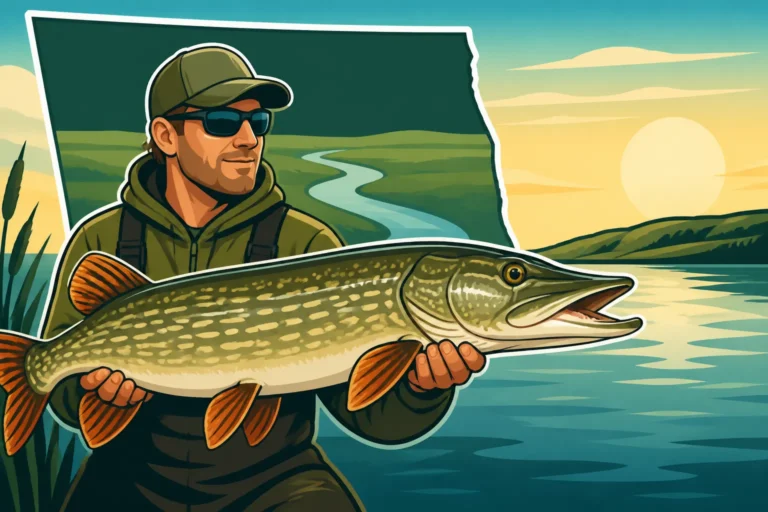
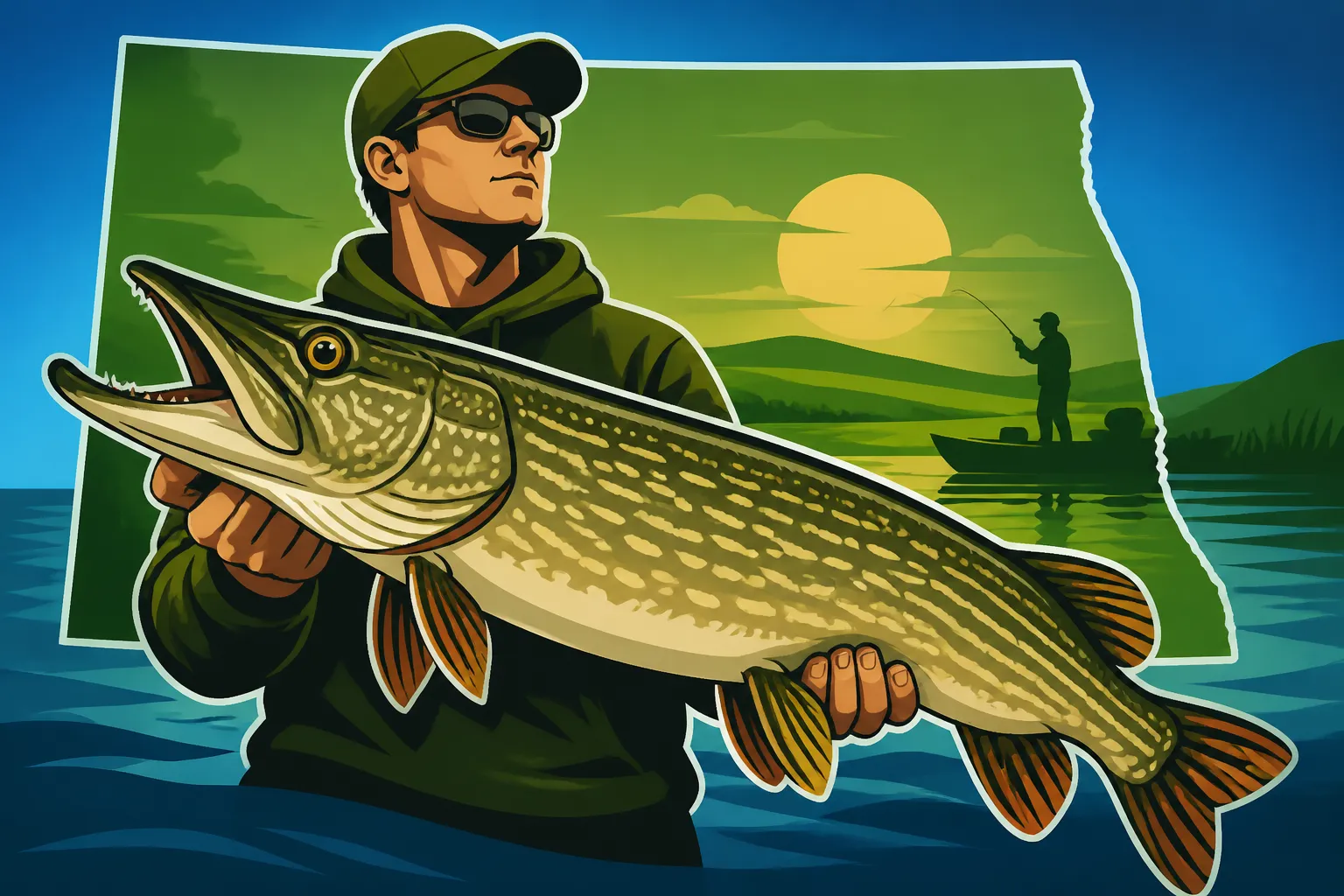
The current official North Dakota state record for northern pike stands at an incredible 37 pounds, 8 ounces. This colossal fish was caught way back in 1968 by angler Lothair Bergen. It's a weight that has stood for decades, making it one of the most revered records in North Dakota's fishing history. Think about that for a moment: nearly 40 pounds of pure muscle and aggression, a fish that would have been an absolute beast to bring to the boat or through the ice. It's a benchmark that every serious pike angler secretly hopes to surpass, proving that our state's waters hold incredible potential.
The Angler Behind the Monster Catch
Lothair Bergen's name is etched into North Dakota angling lore, associated forever with that magnificent 37-pound, 8-ounce northern pike. While details from over 50 years ago can be sparse, the fact remains that he managed to land a fish that has outlasted countless other trophy catches. It's a reminder that sometimes, the simplest setups and persistent effort can lead to the most extraordinary outcomes. This fish was caught long before advanced electronics were commonplace, relying more on local knowledge and sheer determination. Imagine the fight, the adrenaline, and the ultimate satisfaction of knowing you'd just landed something truly special. It's the kind of story that keeps us all casting, hoping to write our own chapter in the state's fishing records.
Where the Record Was Set: Lake Sakakawea
The legendary 37-pound, 8-ounce northern pike was caught on Lake Sakakawea, which for many North Dakota anglers, probably comes as no surprise. Lake Sakakawea is a behemoth of a reservoir, covering an immense area with countless bays, points, and vast stretches of open water. Its sheer size and diverse habitat provide the perfect conditions for northern pike to thrive and grow to gargantuan proportions. The Missouri River system, of which Sakakawea is a part, offers an abundance of forage fish, from smelt to ciscos and various minnow species, fueling the growth of these apex predators.
This makes Lake Sakakawea Fishing Guide for North Dakota Anglers an essential read for anyone dreaming of their own record-breaking catch. The deep, cold waters and extensive structure of Sakakawea allow pike to find ample food and places to ambush their prey, leading to the development of these truly massive specimens. While the record was set decades ago, Sakakawea continues to produce huge pike, making it a perennial favorite for trophy hunters. The possibility of another record-setter lurking in its depths is a constant draw for anglers from all over.
What Makes a Northern Pike a Record Breaker?
Catching a truly massive northern pike, one that even approaches the state record, requires more than just luck. It demands an understanding of what drives these fish to grow so large and how to target them effectively. These aren't your average hammer handles; these are seasoned predators that have survived and thrived for many years in a challenging environment.
Age and Growth Factors
Northern pike are known for their rapid growth in their early years, but to reach truly enormous sizes like the state record, they need to live a long life with a consistent food supply. A 30-pound-plus pike is likely many years old, possibly well over a decade. Factors influencing their growth include:
- Abundant Food Sources: Lakes with a healthy population of baitfish, such as smelt, ciscoes, perch, and even smaller walleye, provide the necessary energy for pike to pack on pounds. Lake Sakakawea, for instance, has a rich forage base that contributes to the growth of trophy pike.
- Genetics: Like all animals, some pike simply have the genetic predisposition to grow larger and live longer than others.
- Habitat Quality: Large, complex water bodies with a variety of depths, weed beds, submerged structures, and clear, oxygenated water offer ideal conditions for pike to hunt, hide, and avoid predators themselves.
- Reduced Predation: While adult pike are apex predators, young pike are vulnerable. Surviving to maturity in an environment with fewer larger predators (like other huge pike or humans harvesting them too early) allows them to reach their full potential.
Understanding these factors gives you a better idea of where to focus your efforts. You're not just looking for any pike; you're looking for the prime habitat where a true monster might reside. How Big Do Northern Pike Get in North Dakota Lakes? delves deeper into this topic.
Distinguishing a Northern Pike from its Cousins
While most anglers can easily identify a northern pike, it's worth noting some key features, especially if you think you've caught a potential record. Pike are often confused with their closely related cousin, the muskie, or sometimes even tiger muskies (a sterile hybrid of pike and muskie). Here's how to tell a pure northern pike apart:
- Scales on Cheek and Gill Cover: Northern pike typically have scales covering the entire cheek and only the upper half of the gill cover. Muskies, on the other hand, have scales only on the upper half of both their cheek and gill cover, or even less. Tiger muskies will have an intermediate pattern.
- Body Markings: Pike usually have light, bean-shaped spots on a darker body background. Muskies have dark markings (spots, bars, or blotches) on a lighter background, or no markings at all. Tiger muskies have distinct vertical bars or tiger-like stripes.
- Tail Fin: The tail fin of a northern pike is more rounded, whereas a muskie's tail fin is typically more pointed or forked.
- Pores Under the Jaw: Northern pike usually have 5 or fewer pores on each side of the underside of their jaw, while muskies have 6 or more.
If you ever land a fish that seems abnormally large, knowing these identification points is crucial for proper documentation. You can find more details on Northern Pike Identification in North Dakota.
| Species | Cheek Scales | Gill Cover Scales | Body Markings | Pores Under Jaw |
|---|---|---|---|---|
| Northern Pike | Fully scaled | Upper half scaled | Light spots on dark background | 5 or fewer |
| Muskie | Upper half or less scaled | Upper half or less scaled | Dark spots/bars on light background | 6 or more |
| Tiger Muskie | Variable, often intermediate | Variable, often intermediate | Distinct vertical bars/stripes | Variable |
Strategies for Pursuing a Trophy Pike
The quest for a trophy northern pike, let alone a state record, requires dedication, the right gear, and a strategic approach. These are not fish you stumble upon every day; they are elusive, powerful, and demand respect.
Prime Locations and Seasons
While Lake Sakakawea holds the current record, other North Dakota waters are also renowned for their trophy pike potential. Lakes like Devils Lake, Lake Audubon, and even some smaller regional reservoirs can produce legitimate giants. Look for water bodies that have:
- Vast size and depth: Larger lakes offer more habitat and room for pike to grow.
- Abundant forage: A robust population of baitfish is key to supporting large pike.
- Complex structure: Weedy bays, submerged timber, rock piles, sudden depth changes, and points offer ambush points.
- Lower fishing pressure: Waters that aren't overfished tend to have older, larger fish.
Seasonally, northern pike are aggressive throughout the open water season, but certain times stand out for trophy potential. Early spring, right after ice-out, finds large pike in shallower waters, often near spawning areas, where they are actively feeding after the long winter. Fall is another excellent time, as pike bulk up for winter, becoming more aggressive in their feeding. During the winter, Ice Fishing for Northern Pike With Tip-Ups can be incredibly effective, especially on expansive frozen lakes where pike roam. Best Season to Catch Trophy Northern Pike offers an in-depth look at these timings.
Essential Gear for Monster Pike
You don't want to bring a knife to a gunfight, and the same goes for tackling a 30+ pound pike. Your gear needs to be up to the task:
- Heavy-Duty Rod and Reel: A medium-heavy to heavy power casting or spinning rod, typically 7 to 9 feet long, paired with a stout reel capable of handling heavy lines and big fish. Look for durable reels that can withstand the strain. You can find some excellent options on Amazon.
- Strong Line: Braided line in the 30-65 pound test range is highly recommended for its strength and no-stretch properties, allowing for solid hooksets. A fluorocarbon leader (60-100 lb test) is essential to prevent bite-offs from their razor-sharp teeth.
- Robust Lures: Big pike demand big baits. Large crankbaits, swimbaits, jerkbaits, spoons, and spinnerbaits in sizes 6 inches and up are effective. Live bait, like large suckers or ciscoes, can also be deadly, especially when fished under a large bobber or on a quick-strike rig. Some of my favorite pike lures are easily found on Amazon.
- Heavy Leaders: Steel or very heavy fluorocarbon leaders are non-negotiable. Pike have teeth like a miniature shark, and they will snap regular fishing line with ease.
- Landing Gear: A large, sturdy net with a rubberized mesh is crucial for safely landing and handling big pike. Lip grippers are also very helpful for controlling the fish while unhooking. Don't forget long-nosed pliers or specialized hook removers. Best Net for Landing Big Pike goes into more detail. Always have these ready, because when a big one hits, you won't have time to scramble.
The Moment of Truth: What to Do If You Catch a Potential Record
Imagine the scenario: you're fighting a fish, and it feels absolutely massive. You get it to the boat or through the ice, and it's clearly a fish of a lifetime, potentially even a new state record. What now?
- Be Prepared: Before you even hit the water, know the current state record. Have a certified scale (or access to one quickly) and a measuring tape. It's not a bad idea to keep a camera ready, too!
- Handle with Care: These fish are precious. If it's a potential record, you want to keep it alive if possible for official weighing. This means a quick fight, minimizing time out of water, and having a plan for transportation.
- Weigh Immediately: For a state record, the fish must be weighed on a certified scale (often found at bait shops, grocery stores, or meat markets). Get it there as quickly and safely as possible. Don't let the fish dry out or lose weight.
- Documentation is Key: The North Dakota Game and Fish Department will require specific documentation, including photos, measurements, and a witness. They'll also want to verify the species. Make sure you understand the full North Dakota Fishing Regulations Explained regarding record fish.
- Enjoy the Moment: Whether it's a state record or just your personal best, landing a truly giant northern pike is an incredible accomplishment. Take pride in your catch, snap some photos, and if it's not a record and regulations allow, consider releasing it to fight another day.
Chasing that state record northern pike is a journey filled with anticipation and the promise of an unforgettable catch. With the right knowledge, gear, and a bit of determination, who knows? The next time you hit the waters of Lake Sakakawea, you might just be the one to rewrite North Dakota's fishing history.
Disclaimer
This article is for general informational purposes only and does not constitute professional advice. Laws, prices and regulations vary by location and change over time. Consult a qualified professional for guidance on your specific situation.