Red River Channel Catfish Maximum Size
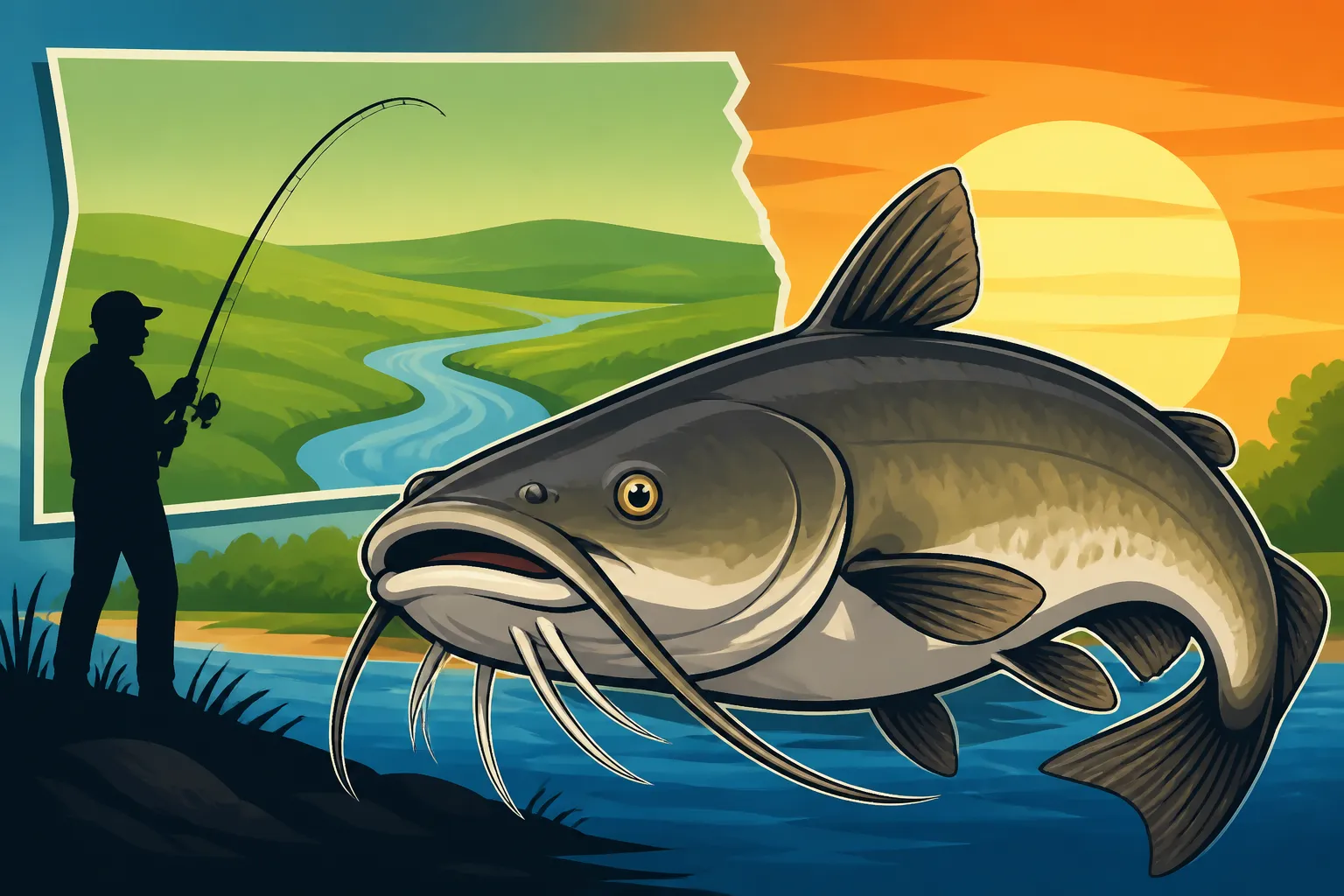
Every angler who's spent time on the Red River of the North dreams of it: that massive, hard-pulling channel catfish that tests your gear and your grit. It’s not just a fish; it’s a legend, and when you’re out on those muddy waters, a natural question pops into your head: just how big do these Red River monsters really get? This guide will dive deep into the potential maximum size of channel catfish in North Dakota's famous Red River, exploring what makes them grow so huge and what it takes to tangle with one.
The Legend of Red River Channel Catfish Size
Let’s be honest, the Red River isn't just a river; it's the river when it comes to trophy channel catfish in North America. Anglers from all over the country make pilgrimages here, armed with heavy rods and big hopes, and for good reason. The sheer size of the fish pulled from these waters is nothing short of incredible, often making other prime catfish spots look like kiddie ponds.
North Dakota's Reputation for Trophy Catfish
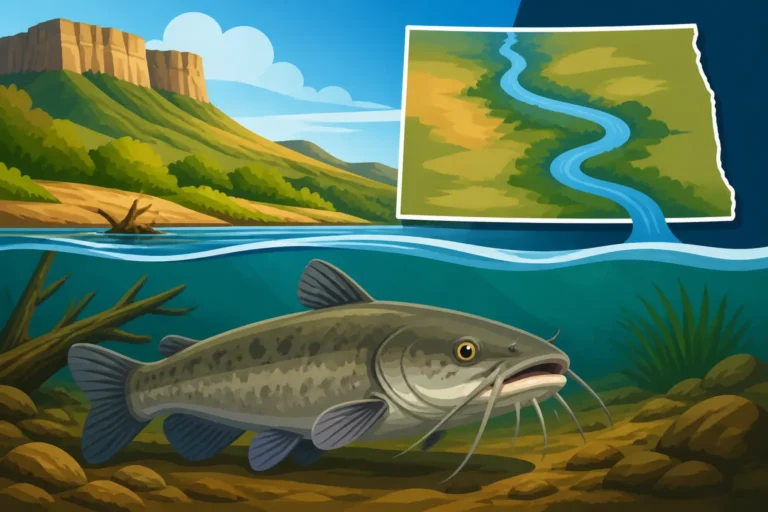
The Red River, which flows north and forms much of the border between North Dakota and Minnesota, is a unique fishery. It's a slow-moving, often murky river, which might not look like much to the untrained eye, but beneath that chocolate-milk surface lies an ecosystem teeming with life. This river system is incredibly rich in nutrients, a direct result of draining some of the most fertile agricultural land in the world. This fertility means an almost endless buffet of food for channel catfish – from small baitfish like emerald shiners to various invertebrates, clams, and even carrion. These fish aren't just surviving; they're thriving and growing at an astonishing rate.
When you're out there, feeling the current tug on your line and hearing stories of 20-pounders and even larger, it builds a certain mystique. It’s not just hype; there’s a genuine feeling of awe when you hook into a fish that feels like it could pull your boat downriver. The Red River's reputation for producing these beasts is well-earned, and it's what keeps so many of us coming back. If you're wondering where specifically to drop a line, you'll find plenty of suggestions in our guide on Red River Catfish Fishing Spots in North Dakota.
Understanding "Maximum Size" – What Does It Really Mean?
When we talk about "maximum size" for a channel catfish in the Red River, it's important to clarify what that entails. Are we talking about the average size you're likely to catch on a good day? Or are we discussing the absolute biggest fish ever recorded, the stuff of local legend and state records? For the Red River, the "maximum size" isn't just an occasional anomaly; it's a consistent, impressive benchmark.
While the average channel cat you pull in might be a respectable 5-10 pounds, the Red River is known for producing "trophy" fish that regularly break the 15-pound mark, with many pushing well over 20 pounds. The true "maximum" is often defined by the state record, which represents the pinnacle of what has officially been caught and documented. However, there are always whispers and tales of even larger, undocumented "river monsters" that test anglers' strength and then slip away, fueling the chase for the next giant. It's this potential for a truly gargantuan fish that makes fishing the Red River such an exciting prospect.
Factors Influencing Channel Catfish Growth on the Red River
So, what's the secret sauce behind these colossal Red River catfish? It's not just one thing, but a combination of environmental factors, genetics, and smart management practices that allow these fish to reach such impressive dimensions.
Abundant Food Sources and Rich Habitat
The Red River is a biological powerhouse, and that’s a huge part of why its channel catfish get so large. Imagine a constantly refreshed buffet for fish. The river's slow flow, combined with its high turbidity (which means it's pretty murky), creates an ideal environment where catfish can hunt effectively without being easily seen by predators. The river bottom is often silty or muddy, perfect for burrowing invertebrates and a host of other organisms that form the base of the food chain.
Furthermore, the surrounding agricultural lands contribute a steady flow of nutrients, supporting a robust population of baitfish. Think of it: a seemingly endless supply of food, from worms and insects to clams and smaller fish, means these catfish don't have to work too hard to bulk up. They have ample opportunity to feed and grow, especially during the warmer months when their metabolism is high. This rich, fertile environment is a literal growth incubator for channel catfish, contributing directly to their impressive size. You can learn more about their preferred haunts in our Channel Catfish Habitat on the Red River guide.
Water Conditions, Flow, and Climate
The Red River's unique hydrological characteristics also play a crucial role in the growth and survival of its catfish. Unlike some rivers with drastic flow fluctuations, the Red often maintains a relatively stable flow, preventing extreme changes that can stress fish populations. While it does flood sometimes, the general pattern supports a healthy ecosystem. The long, warm summers in North Dakota provide an extended feeding season, allowing fish to pack on weight before the colder months.
Even during the winter, although the river freezes over, the deep pools and slow current offer stable overwintering habitats. While harsh winters can certainly impact fish survival, the overall climate and consistent water conditions minimize widespread die-offs and provide a generally favorable environment for these fish to mature and reach impressive sizes over many years. Knowing the Best Time of Year for Red River Catfish can also significantly impact your success in finding these larger specimens.
Fishing Pressure and Management Practices
While the Red River is a popular fishing destination, the combination of responsible angling practices and North Dakota's wildlife management efforts helps protect the trophy fishery. Many serious catfish anglers practice selective harvest, meaning they might keep a few smaller fish for the frying pan but release the larger, older, breeding stock. This ensures that the genes for large size continue to be passed down.
The North Dakota Game and Fish Department also sets North Dakota Fishing Regulations Explained which, while generally generous for channel catfish, contribute to the overall health of the fishery by managing populations sustainably. These practices, combined with the natural resilience of catfish, ensure that the Red River continues to produce those incredible, maximum-sized fish that keep us all coming back for more. Don't forget to check How Many Catfish Can You Keep in North Dakota? before your next outing!
What to Expect: Real-World Sizes and State Records
When you head out to the Red River, it's good to have a realistic expectation of what you might catch, while also knowing the incredible potential that lies beneath the surface. You're likely to catch a lot of fish, but those true giants are a special prize.
Average vs. Trophy Size Catfish
Most anglers fishing the Red River will encounter channel catfish in the 5 to 12-pound range. These are fantastic fish – strong fighters, and a joy to catch. They’re plentiful, aggressive, and make for a memorable day on the water. However, the Red River consistently produces fish that far exceed this average.
A "trophy" channel catfish on the Red River usually starts around 15 pounds. These fish are notably longer and much heavier, with broad shoulders and powerful tails. Fish in the 20-pound class are caught every season, and these are the ones that really get the heart pumping, giving you a fight you won't soon forget. These fish are true specimens of the species and are often released by dedicated anglers to ensure the fishery remains robust.
Here's a quick look at what you might expect:
| Category | Typical Weight Range | Typical Length Range | Characteristics |
|---|---|---|---|
| Average Cat | 3-12 pounds | 18-28 inches | Good fight, common catch, often good eating size |
| Trophy Cat | 15-25+ pounds | 30-40+ inches | Incredible fight, powerful, broad shoulders, impressive size |
| State Record | 40+ pounds | 40+ inches | Legendary, rare, once-in-a-lifetime catch |
The North Dakota State Record Channel Catfish
Now, for the really big question: what about the maximum? The North Dakota state record for a channel catfish, specifically from the Red River, is a truly colossal fish. While I can't give you the exact current number, it's well into the 40-pound range, representing a fish of monumental proportions. Imagine a catfish that's almost as long as some people are tall and weighs as much as a small child!
This record is a testament to the Red River's capacity to grow truly giant fish. It's not just a fluke; it speaks to the sustained health and productivity of the river system. Catching a fish of that magnitude requires not only skill and persistence but also a fair bit of luck. It's the kind of catch that gets immortalized in photos and stories, becoming a part of the Red River's rich angling folklore.
Catching a River Monster: Tips for Targeting Giants
If your goal is to land one of these Red River monsters, you need to adjust your approach. You can't expect to catch a 20-pounder with ultralight gear. First, you'll need heavy-duty equipment. Think sturdy catfish rods (many anglers prefer a medium-heavy to heavy action rod with plenty of backbone), paired with robust baitcasting reels capable of holding 50-80 pound braided line. If you're looking to upgrade your setup, you can find a lot of great options on Amazon, or check out our guide on the Best Rod Setup for Red River Catfish.
When it comes to bait, these big cats aren't picky, but they do prefer something substantial and smelly. Cut bait, like fresh goldeye or suckers, fished on a slip-sinker rig, is a perennial favorite. Large chunks of chicken liver or commercial stink baits can also be effective. The key is to present your bait in known catfish haunts: deep holes, current seams, and structure like fallen trees. Patience is paramount; sometimes, it takes hours for a true behemoth to find your offering, but the reward is absolutely worth the wait. For more detailed bait advice, see our Best Bait for Channel Catfish in North Dakota article.
The Thrill of the Catch and Responsible Angling
Hooking into a truly massive channel catfish on the Red River is an experience every angler should have. It's more than just the size; it's the raw power and determination these fish exhibit.
The Fight of a Big Red River Catfish
When a big Red River channel cat takes your bait, it's not a subtle nibble. It's often a sudden, brutal thump, followed by a powerful, unwavering run. These fish are built for current, and they use every ounce of their muscle to fight back. You'll feel the rod bend nearly in half, the drag screaming as line peels off your reel. They don't jump much, but they'll dog it deep, rolling and twisting, making powerful headshakes that transmit right up your line to your hands.
The fight from a 20-pound-plus catfish can last for several minutes, taxing both you and your gear. You need to be ready to adjust your drag, pump the rod, and keep the pressure on. It's a true test of strength and endurance, and when you finally guide that magnificent fish to the net, there's an overwhelming sense of accomplishment. It's a primal satisfaction that only comes from battling a true river giant. If you're looking for an overall guide on targeting these fish, be sure to check out our North Dakota Channel Catfish Fishing Guide.
Practicing Catch and Release for Future Generations
Given the legendary status and impressive size of Red River channel catfish, many anglers choose to practice catch and release, especially for the larger trophy fish. These bigger cats are often the prime breeders, responsible for sustaining the river's robust population. Releasing them ensures that they can continue to spawn and contribute to the next generation of giants.
If you do choose to release a trophy catfish, handle it with care. Keep the fish in the water as much as possible, use wet hands when handling, and support its full body weight, especially when lifting for a quick photo. Minimize the time it's out of the water and revive it gently before letting it swim away strong. This commitment to conservation helps ensure that the Red River remains a premier destination for maximum-sized channel catfish for years to come, offering countless future anglers the chance to experience the thrill of a lifetime.
Disclaimer
This article is for general informational purposes only and does not constitute professional advice. Laws, prices and regulations vary by location and change over time. Consult a qualified professional for guidance on your specific situation.