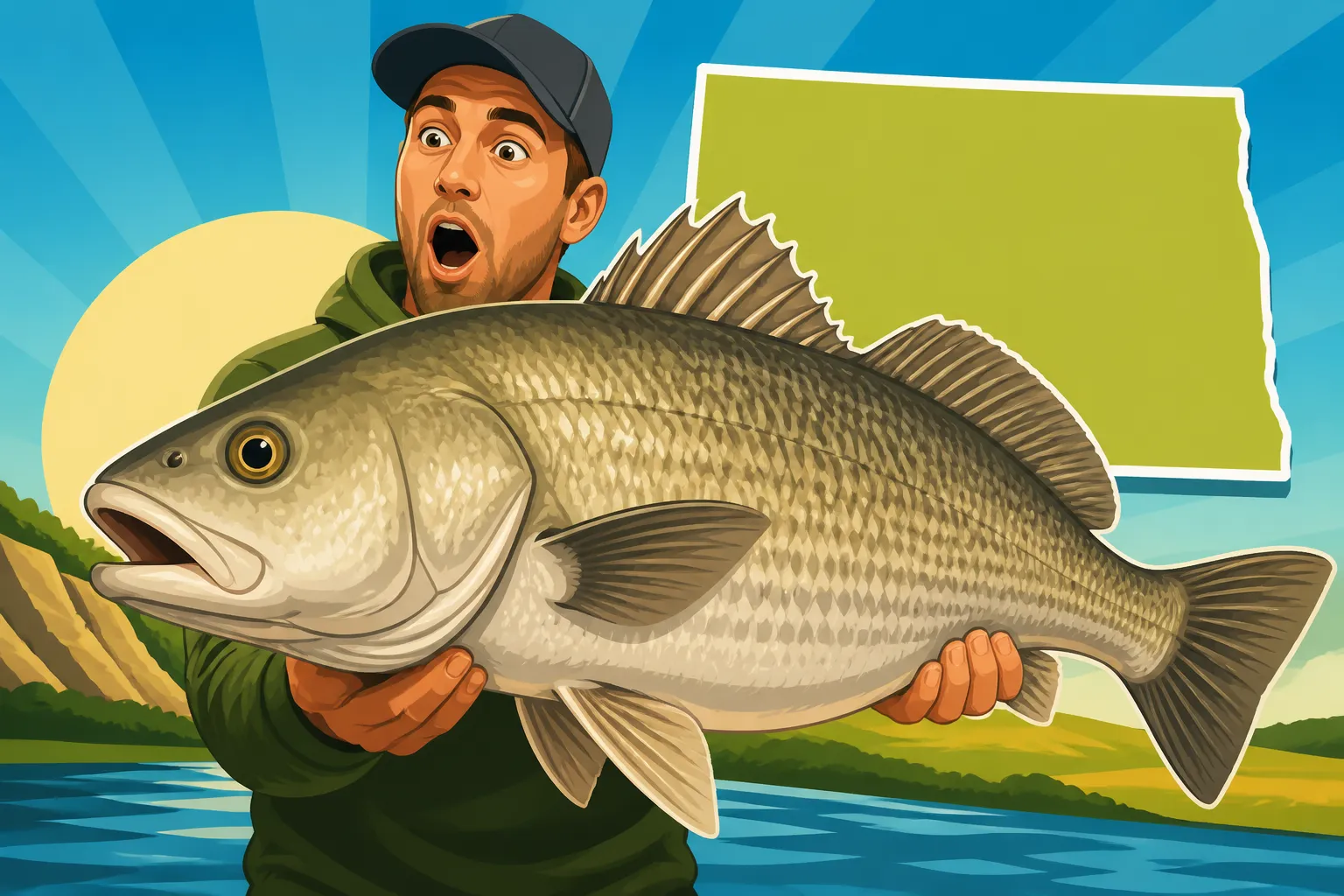
Biggest Freshwater Drum Ever Caught in North Dakota
You know, when most people talk about trophy fishing in North Dakota, their minds instantly jump to giant walleye from Lake Sakakawea, monstrous pike from Devils Lake, or even those colossal channel catfish out of the Red River. But there's another hard-fighting, often underestimated fish lurking in our waters that deserves its moment in the spotlight: the freshwater drum. Many anglers are curious about the true giants of this species, and this guide is going to dive deep into just that – focusing on the biggest freshwater drum ever recorded in our great state and how you might just land one yourself.
The Unsung Hero: Understanding North Dakota's Freshwater Drum
Before we delve into the record books, let's take a moment to truly appreciate the freshwater drum. Often affectionately, or perhaps sometimes dismissively, called "sheepshead," these fish are an integral part of North Dakota's aquatic ecosystems. They might not have the glamor of a walleye, but what they lack in perceived prestige, they more than make up for in fight and resilience.
What Makes a Freshwater Drum Tick?
Freshwater drum ( Aplodinotus grunniens) are a fascinating species. Their name comes from the drumming sound they make using specialized muscles against their swim bladder, a unique adaptation you might even hear if you're quiet enough on the water. They are typically silvery-bronze in color, with a high, rounded back and a distinctively sloped forehead. Their diet is primarily made up of bottom-dwelling invertebrates like mussels, snails, and crayfish, which is why you often find them rooting around in softer substrates. This diet contributes significantly to their growth and often to their robust, strong bodies. While they might not be the prettiest fish in the lake to everyone, their powerful tails and determined fights make them a blast to catch, especially on lighter tackle.
You'll find these fish thrive in a variety of conditions, from clear lakes to turbid river systems, demonstrating their incredible adaptability. In North Dakota, they're quite widespread, populating major river systems and many larger lakes. What Fish Species Live in the Missouri River? and What Fish Species Live in the Red River? are both places where you'll find healthy populations of these robust fish.
Freshwater Drum in North Dakota's Waters
When you think about fishing in North Dakota, the freshwater drum might not be the first species that comes to mind, but they are absolutely abundant and offer fantastic angling opportunities. They are particularly prevalent in the Missouri River System, including Lake Sakakawea and Lake Oahe, as well as the Red River of the North. These larger bodies of water provide the extensive habitat and food sources necessary for drum to not just survive, but truly thrive and grow to impressive sizes.
I've spent countless hours on the Red River chasing catfish, and more often than not, I've hooked into some truly solid drum there too. They often inhabit similar areas, especially those deep holes and current breaks where food tends to accumulate. Sometimes, they're so common that anglers mistake them for less desirable catches, but trust me, a big drum on the end of your line will quickly change your perception. They pull hard, run deep, and refuse to give up, making for an exhilarating battle. Their presence is a good sign of a healthy ecosystem, as they play an important role in the food web. Freshwater Drum in North Dakota are a common catch, and knowing their habits can make you a more successful angler overall.
Chasing the Legend: The North Dakota State Record Freshwater Drum
Every state has its fishing legends, those truly massive fish that set the bar for all others. For freshwater drum in North Dakota, there's a specific fish that stands out, a testament to the potential of this often-underappreciated species.
The Record-Setting Catch
The current North Dakota state record for freshwater drum is an impressive specimen. This record-breaking fish weighed in at a hefty 20 pounds, 4 ounces. Just imagine pulling a fish of that size from the water! It was caught on the mighty Missouri River. A fish like this isn't just a lucky catch; it speaks to the health of our waters and the incredible growth potential of freshwater drum in prime habitat.
For context, a drum that breaks the 20-pound mark is truly a leviathan. Most anglers who regularly catch drum might land fish in the 2 to 8-pound range. A double-digit drum is considered a great catch, but to hit over 20 pounds, that's something else entirely. It showcases the immense power these fish possess and the surprising size they can achieve in the nutrient-rich waters of North Dakota's major river systems.
What Does a Fish Like That Mean for Anglers?
Catching a fish of that magnitude, whether it's a state record or simply a personal best, is an unforgettable experience. It validates the pursuit of these overlooked species and proves that our state offers trophy opportunities beyond the usual suspects. This record encourages anglers to broaden their horizons, to try different techniques, and to explore different stretches of water where a monster drum might be lurking.
It also highlights the importance of good fisheries management and healthy habitats. For a fish to grow so large, it needs a stable environment with plenty of food and relatively undisturbed conditions. This record isn't just about one angler's triumph; it's a positive indicator for the overall health of the Missouri River Fishing Guide ecosystem. And let's be honest, it plants a seed of ambition in every angler who hears about it – could my next cast be the one that hooks a new state record?
Strategies for Landing Your Own Trophy Drum
So, you've heard the tale of the giant drum and now you're itching to pursue your own. Excellent! While finding a 20-pounder is a rare feat, consistently catching large freshwater drum is absolutely achievable with the right approach.
Prime Locations and Best Baits
Trophy freshwater drum are most often found in our largest river systems, particularly the Missouri River and the Red River of the North. Look for areas with a good current, but also nearby deeper holes, current breaks, and structural elements like fallen trees, rock piles, or even bridge pilings. These areas provide cover, ambush points, and prime feeding grounds where their invertebrate prey congregates.
When it comes to bait, drum aren't particularly picky, but some options definitely outperform others for bigger fish.
- Live Bait: Minnows, nightcrawlers, and leeches are incredibly effective. A simple bottom rig with a weight and a single hook, or a Carolina rig, works wonders. Hook the bait lightly to allow for natural movement. You can find quality live bait at local tackle shops, or if you're stocking up for a longer trip, consider buying a good bait aerator bucket on Amazon to keep them lively.
- Cut Bait: For truly large drum, especially in the Red River, cut bait can be a game-changer. Chunks of oily fish like suckers or shad, or even pieces of hot dog, can attract bigger fish. The scent trail they leave is irresistible.
- Artificial Lures: While live bait is king, drum will readily strike artificials. Jigs tipped with soft plastics, particularly those mimicking crayfish or worms, can be very effective, especially when bounced along the bottom. Spinnerbaits and crankbaits that dive deep and create vibrations can also provoke strikes, particularly if you're trying to cover more water from a boat.
Remember, patience is key. Drum often feed slowly and deliberately, so give them time to find and take the bait.
Tackle and Techniques for Big Drum
You don't need highly specialized gear, but a solid, medium-heavy action rod paired with a reliable spinning or baitcasting reel is ideal. This setup provides the backbone needed to handle powerful runs and the shock absorption for their head-shaking fights. Best Fishing Rods for North Dakota Anglers are generally versatile enough to handle drum. Use a strong monofilament or braided line, in the 10-20 pound test range. Braided line, in particular, offers excellent sensitivity for detecting subtle bites and superior strength for battling big fish in current. Best Fishing Line for North Dakota Lakes discussions often include braided options perfect for drum.
A few techniques that have proven successful for big drum:
- Bottom Fishing: This is perhaps the most common and effective method. Use a slip-sinker rig or a three-way swivel rig to keep your bait near the bottom. Cast your rig out, let it sink, and keep a relatively tight line to feel for bites. Drum bites can range from a light tap to a slow, steady pull.
- Drifting: On river systems, drifting your bait or jig along the bottom with the current can be incredibly productive. This allows you to cover more ground and present your bait naturally. Just be mindful of snags, as you'll often be in rocky or debris-laden areas.
- Trolling: While less common for drum specifically, if you're trolling for walleye or catfish with deep-diving crankbaits or bottom bouncers, you'll often pick up drum as a bonus. They love to hit those aggressive presentations.
Always be aware of the North Dakota Fishing Regulations Explained regarding line limits and other general rules. For example, How Many Lines Can You Fish With in North Dakota? might influence your setup if you're trying different baits simultaneously.
Beyond the Record: The Role and Value of Freshwater Drum in North Dakota
While the pursuit of a state record is thrilling, the freshwater drum offers so much more to the North Dakota angler and ecosystem. It's a species that deserves respect, both for its sporting qualities and its ecological significance.
Are Freshwater Drum Good to Eat? Dispelling Myths
One of the biggest misconceptions about freshwater drum is their table fare. Many anglers consider them a "trash fish" and dismiss them as inedible. This couldn't be further from the truth! While they can sometimes have a stronger flavor, especially larger, older fish, smaller to medium-sized drum (1-5 pounds) have firm, white, flaky flesh that is excellent when properly prepared. Are Freshwater Drum Good to Eat? is a question often asked, and the answer is a resounding "yes" if you treat them right.
The key to good-tasting drum is bleeding them immediately after catching and keeping them on ice. Fillet them promptly, removing any red meat or fatty portions along the lateral line. Many people compare their flavor and texture to cod or snapper. They are fantastic fried, baked, or even grilled. Don't let old wives' tales deter you from trying a delicious meal!
Conservation and Respect for the Species
Even though drum are abundant, practicing responsible angling is always important. If you're targeting trophy fish, consider catch and release, especially for the largest specimens that contribute significantly to the gene pool. If you decide to keep some for the table, take only what you need and what is legal according to current regulations.
The freshwater drum's presence indicates a healthy aquatic environment. They are robust, adaptable, and a valuable component of North Dakota's diverse fisheries. By respecting them as a game fish and a food source, we help ensure their populations remain strong for generations of anglers to enjoy. Next time you're out on the water, give these powerful fish a try. You might just find your new favorite fighting fish, and perhaps even land a new personal best or discover a delicious meal you've been missing out on! Don't forget to stock up on all your fishing essentials, from hooks to fishing line, which you can easily find on platforms like Amazon.
Disclaimer
This article is for general informational purposes only and does not constitute professional advice. Laws, prices and regulations vary by location and change over time. Consult a qualified professional for guidance on your specific situation.