Are Bullhead Good to Eat?
It's a common story: you're out fishing a quiet North Dakota slough or a slower moving river, and you hook into what feels like a decent fish, only to pull up a bullhead. Immediately, a lot of anglers get a little disappointed, sometimes even frustrated, because bullhead often carry a reputation as a "rough fish" or even a "trash fish." But let me tell you, that perception often hides a delicious secret! This guide is all about peeling back those layers of misconception and showing you why bullhead, especially those from our clean North Dakota waters, can be a truly tasty and underrated catch for your dinner table.
Understanding the Bullhead in North Dakota Waters
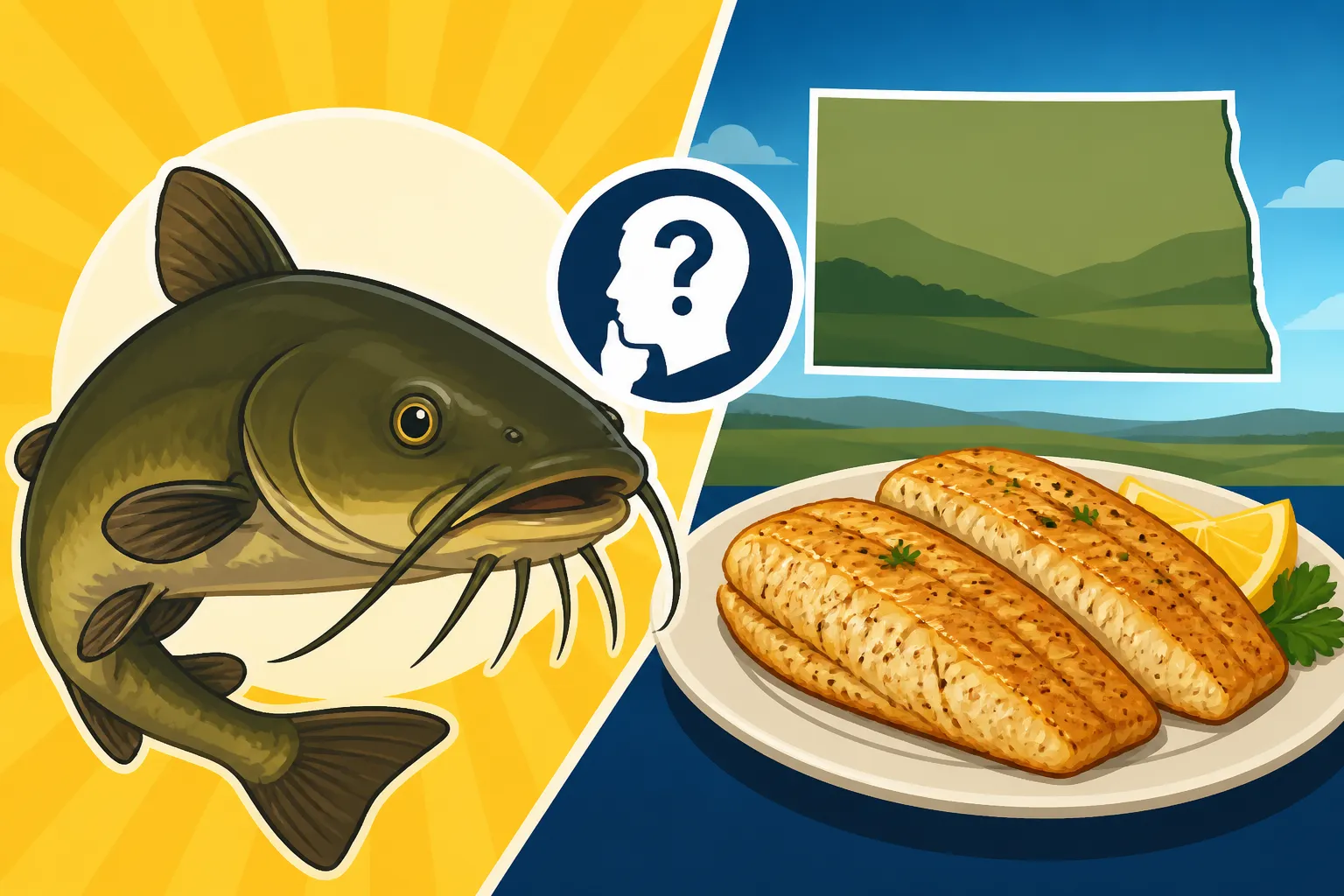
Before we even talk about whether they're good to eat, let's get acquainted with the fish itself. Bullhead are incredibly common across North Dakota, thriving in many of our lakes, ponds, and river systems. They're often grouped with their larger catfish cousins, and for good reason—they share many similar characteristics. You'll primarily encounter the Black Bullhead and occasionally the Brown Bullhead here, both recognizable by their dark coloration, smooth, scaleless skin, and those distinctive barbels around their mouths that look like whiskers.
Bullhead Characteristics and Habitat
Bullhead are quite hardy, capable of surviving in a wide range of water conditions, from clear, pristine lakes to murkier, warmer sloughs that might be less hospitable to other game fish. This resilience is often one reason they get a bad rap; people associate them with less desirable fishing spots. However, a bullhead pulled from a clean, cold lake or a well-aerated river can be a very different creature from one found in a stagnant, muddy puddle. They’re bottom feeders, rooting around for insects, small crustaceans, and plant matter. This diet, along with their environment, plays a huge role in their flavor profile, just like any other fish.
You'll find bullhead practically everywhere in North Dakota, from smaller community fishing ponds to large reservoirs like Lake Sakakawea, though they tend to prefer the shallower, warmer bays and backwaters. They're particularly prevalent in many of the prairie lakes and slower stretches of rivers. They can be a blast to catch, especially for kids, as they're usually quite aggressive and not too finicky about bait. A simple worm on a hook is often all it takes! If you're looking to target these fish, you might be interested in our general guide on Fish Species Found in North Dakota Lakes and Rivers to understand their place in the ecosystem.
Common Perceptions and Misconceptions
The biggest hurdle for bullhead isn't their taste, but their image. Many anglers automatically classify them as "rough fish," meaning they're not typically pursued for sport or table fare by the masses. This label often comes from their appearance—those whiskery barbels and dark, somewhat slimy skin aren't as aesthetically pleasing as a shimmering walleye or a brightly colored perch. There's also the challenge of cleaning them, which we'll dive into later. Their tough, rubbery skin can deter many, making it seem like more trouble than it's worth.
Another misconception is that all bullhead taste "muddy." While it's true that a bullhead from an extremely muddy, stagnant pond might pick up some off-flavors, this isn't universally true. A bullhead from clean, flowing water or a deeper, cooler lake will often have sweet, flaky, white meat. It's similar to how a walleye from a murky river might taste different from one caught in a crystal-clear lake. The environment truly matters, and it’s a shame to dismiss an entire species based on the worst possible conditions.
The Culinary Truth: Are Bullhead Really Good to Eat?
Okay, let's cut to the chase: yes, absolutely, bullhead can be delicious! Many seasoned anglers and chefs will tell you that bullhead, when properly handled and prepared, offer a surprisingly sweet, firm, and flaky white meat that rivals many more "desirable" fish. Think of it as a hidden gem in North Dakota's waters, just waiting to be discovered by those willing to look past its humble exterior.
Flavor Profile and Texture
The meat of a bullhead is generally white, firm, and has a mild, sweet flavor. It doesn't have the strong, "fishy" taste that some people associate with bottom feeders. The texture is usually flaky but substantial, holding up well to various cooking methods. This makes them quite versatile in the kitchen. For those who enjoy the mild flavor of other North Dakota panfish or even catfish, bullhead will be a pleasant surprise. The key, as with most fish, is freshness and proper handling from the moment it's caught.
One of the biggest factors affecting flavor is the water quality, as mentioned earlier. A bullhead caught in a clear, cool prairie lake, say, one of the smaller, managed lakes in the Turtle Mountains, will almost certainly have cleaner-tasting meat than one from a shallow, muddy pond in the heat of summer. It's all about where they're feeding and living. Don't be afraid to experiment with bullhead from different water bodies to find your preferred flavor profile.
Why Many People Overlook Them
So, if they're so good, why do they get such a bad rap? It really comes down to a few persistent issues. First, the sliminess of their skin when fresh out of the water. It can be off-putting, and cleaning them does require a bit more effort than a scaled fish. Second, their size. While some bullhead can grow to a decent size, many are smaller, making the cleaning process seem like a lot of work for a small amount of meat. Finally, there's the cultural perception. We're often conditioned to think of walleye, perch, or northern pike as the "trophy" fish, and anything else is secondary. This societal bias often prevents people from even giving bullhead a chance.
It's a bit of a self-fulfilling prophecy: people assume they're not good, so they don't bother to catch or clean them properly, and thus never experience their true potential. But for those of us who have put in the effort, the reward is well worth it. You might even find them to be one of the Best Eating Fish in North Dakota for certain preparations.
| Aspect | Common Perception of Bullhead | Culinary Reality of Bullhead |
|---|---|---|
| Appearance | Ugly, whiskery, slimy, "trash fish" | Unique, adds to character for some, not relevant to taste |
| Habitat | Muddy, stagnant water, therefore "muddy" | Thrives in diverse waters; flavor depends on clean habitat |
| Cleaning | Difficult, too much work for little meat | Requires specific technique (skinning), yields good fillets |
| Flavor | Strong, "fishy," muddy taste | Mild, sweet, firm, flaky white meat when from clean water |
| Texture | Soft, mushy, or tough | Firm, flaky, holds up well to cooking |
| Value | Low value, not worth keeping | Underrated, economical, delicious alternative |
Preparing Bullhead for the Plate
The biggest hurdle for most anglers wanting to try bullhead is the cleaning process. Unlike scaled fish, bullhead have tough, leathery skin that needs to be removed. But don't let that intimidate you! With the right technique and a little practice, you'll be filleting these tasty critters in no time.
Cleaning and Filleting Techniques
The most efficient way to clean a bullhead is to skin it. You'll need a sharp, sturdy knife and a pair of pliers. Here's a common method:
- Preparation: Lay the fish on a cutting board. You can spike the head down with a nail or use a sturdy clamp to hold it steady.
- Head Cut: Make a cut all the way around the head, just behind the pectoral fins, but don't cut through the backbone.
- Backbone Break: Snap the head back firmly to break the backbone, but keep the head attached. This creates a good grip point.
- Skinning: Using pliers, grab the skin near the head and pull it down firmly towards the tail. It should peel off like a glove. This is the trickiest part, but once you get a good grip, it usually comes off in one piece. For those who prefer a visual aid, searching online for "bullhead skinning tutorials" can be incredibly helpful. You might also find specialized fish skinning tools on platforms like Amazon that can make this process a breeze.
- Filleting: Once skinned, you can either gut the fish and cook it whole (if it's a smaller one), or proceed to fillet it. To fillet, make a cut behind the gills and run your knife along the backbone towards the tail, carefully separating the meat from the bones. Flip the fillet and remove any remaining rib bones.
Yes, it sounds like more work than scaling a perch, but it's a skill worth acquiring for such delicious meat. Remember that safety is paramount, especially when using sharp knives and slippery fish.
Cooking Methods and Recipes
Once you have those beautiful, white bullhead fillets, the culinary possibilities are endless! Their firm, mild meat lends itself well to many cooking styles.
- Frying: This is arguably the most popular way to enjoy bullhead. Dip the fillets in a seasoned cornmeal or flour batter and deep-fry or pan-fry until golden brown and flaky. This method creates a crispy exterior and a tender, juicy interior that's absolutely divine. Pair it with some homemade tartar sauce and a side of coleslaw for a classic North Dakota fish fry experience.
- Grilling: Marinate the fillets in your favorite blend of herbs, spices, and a little lemon juice, then grill them over medium heat. The firm texture prevents them from falling apart on the grates. Keep an eye on them, as fish cooks quickly.
- Baking/Broiling: For a lighter option, bake or broil the fillets with a pat of butter, a squeeze of lemon, and a sprinkle of dill or parsley. They'll come out moist and flavorful.
- Fish Tacos: Flake the cooked bullhead meat and use it as the star of your next fish taco night. Add some fresh salsa, cabbage slaw, and a drizzle of spicy crema.
If you're already familiar with preparing other bottom dwellers, many of the techniques used for How to Clean a Channel Catfish can be adapted for bullhead. The main difference is usually the initial skinning.
Overcoming the Perception: Enjoying Bullhead in North Dakota
So, you're convinced that bullhead might just be worth a try. That's fantastic! Now let's talk about how to embrace this often-overlooked species and integrate it into your North Dakota fishing adventures. It's about changing your mindset and appreciating the bounty our waters offer, even if it doesn't come with the flashiest reputation.
Best Places to Catch Good Eating Bullhead
As we discussed, the environment where a bullhead lives significantly impacts its taste. To ensure the best eating experience, focus on catching bullhead from cleaner, cooler, and well-oxygenated waters.
- Clear Lakes and Ponds: Look for smaller, clear lakes or managed fishing ponds that have good water quality. Many community fishing lakes across North Dakota have healthy bullhead populations.
- River Systems: Slower stretches of the Missouri River or its tributaries, or even portions of the Sheyenne or James rivers, can hold excellent bullhead. The moving water often contributes to a cleaner flavor.
- Avoid Stagnant, Muddy Pits: While bullhead can survive there, extremely shallow, muddy, and warm ponds, especially late in the summer, are more likely to yield fish with a "muddy" flavor.
Don't be afraid to ask local bait shop owners or fellow anglers where they've had success with "clean-tasting" bullhead. They often have the inside scoop on which local spots produce the best table fare for various species.
The Satisfaction of Utilizing an Underrated Resource
There's a unique satisfaction that comes with turning an often-disregarded fish into a delicious meal. It's like finding a hidden treasure! By learning to appreciate bullhead, you're not only expanding your culinary horizons but also making the most of a readily available resource. You'll find that many smaller North Dakota lakes and ponds are absolutely teeming with bullhead, making them an excellent target for consistent action, especially for families and kids. Plus, they can be a lifesaver when the more popular species aren't biting.
Consider investing in a good set of cleaning tools. A quality fillet knife and a sturdy pair of pliers are essential. You can find excellent options for both on Amazon, often bundled with other fishing accessories. This small investment can make the difference between a frustrating cleaning experience and a rewarding one. Don't let the idea of a little extra effort deter you from enjoying some genuinely good fish. It's all part of the adventure of North Dakota fishing.
Tips for Successful Bullhead Fishing
If you're looking to target bullhead specifically for the table, here are a few pointers:
- Simple Bait: Bullhead aren't picky. Worms, cut bait, chicken livers, or even hot dogs work great.
- Bottom Fishing: They're bottom feeders, so a simple bottom rig with a sinker and hook is usually all you need.
- Keep Them Fresh: Just like any fish you intend to eat, get them on ice quickly after catching. This is crucial for preserving their flavor and texture. A good cooler filled with ice is your best friend when fishing for table fare.
- Check Regulations: Always make sure you're aware of the current North Dakota Fishing Regulations Explained before heading out. While bullhead don't typically have strict limits like walleye or pike, it's good practice to know the rules for all species you might encounter.
So, next time you hook into a bullhead in North Dakota, don't just toss it back with a sigh. Consider giving it a chance. You might just discover your new favorite fish, proving that sometimes the best things truly do come in unexpected packages!
Disclaimer
This article is for general informational purposes only and does not constitute professional advice. Laws, prices and regulations vary by location and change over time. Consult a qualified professional for guidance on your specific situation.