North Dakota Fishing Rules for Kids and Families
It can feel overwhelming to introduce your kids to the joys of fishing in North Dakota when you're not entirely sure about all the rules and regulations. Between figuring out who needs a license, how many lines you can use, and all those pesky bag limits, it’s easy to get tangled up before you even cast a line. This comprehensive guide is here to untangle those knots, providing a clear, friendly breakdown of North Dakota fishing rules specifically tailored for families and young anglers, so you can focus on making cherished memories, not stressing over citations.
Navigating Fishing License Requirements for Your Young Anglers
Getting started with fishing often begins with the most basic question: who needs a license? For families, this can get a bit confusing, especially when you have kids of different ages and residency statuses. North Dakota's Game and Fish Department (NDG&F) has specific guidelines to encourage youth participation while ensuring responsible management of our precious fisheries. It’s all about striking that balance so everyone can enjoy our beautiful lakes and rivers.
When Do Kids Need a Fishing License in North Dakota?
This is usually the first question parents ask, and thankfully, North Dakota makes it pretty straightforward for the youngest anglers! For North Dakota residents, any child under the age of 16 can fish without needing a license. That's right, if your little one is 15 or younger and calls North Dakota home, they are good to go! This exemption is a wonderful way to get children hooked on fishing early, without the added expense or hassle of purchasing a license for them. Imagine a sunny afternoon at Lake Audubon, your 10-year-old from Bismarck reeling in their first walleye, and all you had to worry about was baiting the hook and snapping a photo – no license required for them! This generous age cutoff means you can take your entire family out, and only the adults (and older teens) need to concern themselves with getting their permits in order. It's truly designed to remove barriers and make fishing accessible for the next generation. To dive deeper into all the specifics for adults and children, you might want to read our full guide on Do Kids Need a Fishing License in North Dakota?.
Now, if you're a non-resident family visiting our great state, the rules shift just a little. Non-resident children also have an age exemption, but it’s typically for those under 16. However, it's always wise to double-check the most current regulations directly from the NDG&F website, as these specific nuances can sometimes be updated. The core idea remains the same: the state wants to make it as easy as possible for kids to experience fishing, whether they live here or are just visiting. This ensures that a family vacation to a place like Devils Lake, even if you’re from out of state, can still include some fantastic fishing adventures for the youngsters without an extra bureaucratic step.
It’s important to remember that while the kids might be exempt, you as the supervising adult usually aren't. Your valid license is essential, and you're responsible for knowing and adhering to all the regulations, especially when fishing with unlicensed minors. Think of yourself as the captain of the ship, ensuring everyone on board is having fun within the legal framework. This means that if you're a resident planning a family outing, you'll need to secure your own North Dakota resident fishing license, but you can rest easy knowing your kids under 16 can fish right alongside you without one. This thoughtful approach really underscores North Dakota's commitment to cultivating a love for the outdoors in future generations.
Understanding the Fishing, Hunting, Furbearer Certificate
For adults looking to purchase any kind of fishing, hunting, or furbearer license in North Dakota, there’s a little extra step called the "Fishing, Hunting, Furbearer Certificate." This isn't actually a license itself, but rather a prerequisite, a foundational document, that you need before you can buy your annual license. It’s a bit like buying a season pass to a state park; you need the pass first before you can buy entry tickets to individual attractions within it. The certificate helps streamline the system and track participants across various outdoor activities.
So, while your kids under 16 might not need a fishing license, you, as the adult angler, most certainly will, and the certificate is the first step in that process. This certificate is purchased once per season (April 1 to March 31 of the following year) and then allows you to buy any combination of individual licenses you desire – whether that's just a fishing license, or a combination license that includes hunting and furbearer permits. It essentially confirms your eligibility to participate in these activities for that license year. You can find more detailed information on this topic in our article, The Fishing, Hunting, Furbearer Certificate Explained.
Many adult anglers opt for a combination license if they plan on both fishing and hunting during the year, as it often provides a cost-effective solution compared to purchasing individual licenses separately. When you go to buy your license, whether online through the NDG&F website or at a local vendor like a bait shop or sporting goods store (many even sell licenses on Amazon's online storefront through third-party vendors for pick-up), you'll first be prompted to purchase this certificate. It’s a one-time annual fee, and once you have it, the world of North Dakota angling (and hunting, if you choose) opens up for the season. This system ensures that all adult participants are accounted for and contribute to the conservation efforts that keep our fish populations healthy.
Special Considerations for Non-Resident Children
If you're a family visiting North Dakota from another state, say from neighboring Minnesota or Montana, and you're planning a fishing trip, it's natural to wonder how the license rules apply to your children. The general good news is that just like resident children, non-resident children under the age of 16 are also typically exempt from needing a fishing license in North Dakota. This is a fantastic policy that encourages families to explore our beautiful waters, like Lake Sakakawea or the Missouri River, without adding a financial burden for every single child on the trip. It ensures that those precious first fishing memories aren't complicated by extra paperwork.
However, as a non-resident adult, your fishing license requirements are distinct from those of residents. You’ll need to purchase a non-resident fishing license, which can be for a full season, or a shorter duration like a 3-day or 10-day license, depending on the length of your stay. When bringing non-resident children, the adult responsible for them must still have a valid non-resident license. This means if you have relatives visiting – perhaps grandparents bringing their grandkids from out of state for a week of fishing fun – the grandparents would need their non-resident licenses, but the grandkids, if under 16, would likely be able to fish without one of their own. For all the comprehensive details on what you need as a visitor, check out our North Dakota Nonresident Fishing License Guide.
It's always a good practice, no matter your residency, to review the current North Dakota Fishing Regulations Explained booklet, which is available digitally on the NDG&F website or in print at most license vendors. While the under-16 exemption for non-resident kids is a long-standing policy designed to be welcoming, confirming it directly with the most up-to-date official regulations before your trip is the smartest move. This ensures there are no surprises and your family's fishing adventure is entirely smooth and worry-free.
Essential Fishing Regulations for a Smooth Family Outing
Beyond licenses, there are fundamental rules that govern how we interact with North Dakota’s waters and its aquatic inhabitants. These regulations are designed to ensure fair chase, manage fish populations, and maintain the integrity of our ecosystems. For families, understanding these basics means a safer, more enjoyable, and more respectful fishing experience for everyone.
How Many Lines Can Your Family Fish With?
This is a pretty common question, especially for families trying to maximize their chances of catching fish! In North Dakota, during the open water fishing season, the general rule is that an angler can legally use two poles or lines at any given time. This applies to each licensed angler. So, if you're an adult with a valid North Dakota fishing license, you can have two lines in the water simultaneously. This gives you a bit of versatility – maybe one line rigged with a bobber and worm for panfish, and another casting a crankbait for walleye!
However, things change a bit when it comes to ice fishing. During the hardwater season, the rules are often more generous, allowing each angler to use up to four lines through the ice. This is because ice fishing is typically more stationary, and having more lines out increases your odds in the vast expanse of a frozen lake. Imagine a family ice fishing on Devils Lake; if two adults are licensed, they could potentially have eight lines spread out, increasing the excitement when a flag goes up! You can read more about this in our guide on How Many Lines Can You Fish With in North Dakota?.
It's absolutely critical to remember that even if your children are exempt from needing a license due to their age, the number of lines they can use still falls under the two-line per person rule for open water, or four for ice fishing, as if they were licensed. You cannot, for example, have an unlicensed child operate additional lines that exceed the number allowed for the licensed adult present. The licensed adult is ultimately responsible for ensuring all lines being used by the group, including those used by unlicensed kids, adhere to the legal limits. Keeping track of lines, especially with excited kids, can be a challenge, so a good strategy is to set up a designated area for each person's rods to avoid tangles and confusion.
Permitted Bait and Tackle for Family Fun
When it comes to bait and tackle, North Dakota offers a wide range of options, making it easy for families to find something that works for their target species and skill levels. For most general fishing, standard live baits like worms, minnows, and leeches are perfectly acceptable and often highly effective, especially for species like walleye, perch, and panfish. These natural baits are fantastic for getting kids involved, as the simple act of baiting a hook with a wiggling worm can be an adventure in itself! You can easily pick these up at local bait shops across the state, or even find tackle boxes and basic baiting tools on Amazon for convenient delivery before your trip.
However, there are some important considerations regarding bait. For instance, the importation of live aquatic bait into North Dakota is strictly regulated to prevent the introduction of aquatic invasive species (AIS). You generally cannot bring live baitfish from out of state. Always purchase your live bait from a local North Dakota vendor to ensure compliance and help protect our waters. Additionally, certain methods, like using game fish as bait (e.g., catching a small walleye and using it to try for a bigger one), are typically prohibited. Always check the regulations booklet for the specific water body you plan to fish, as some areas may have unique bait restrictions to protect sensitive populations.
As for tackle, the sky's pretty much the limit with legal lures and artificial baits. Everything from jigs and crankbaits for walleye to small spinners and bobber setups for panfish is fair game. For kids, simple bobber fishing with a worm or a small piece of corn is often the best introduction, as it's visually exciting when the bobber goes down, and requires less complex casting technique. Ensuring you have the right size hooks for the fish you're targeting also promotes healthier catch and release. Teaching kids about different lures and why they might work for certain fish can also be a fun educational component of your family fishing trip, expanding their understanding of the aquatic world.
Accessing North Dakota's Waters Safely and Legally
One of the great things about North Dakota is the abundance of public access points to our fantastic lakes and rivers. Finding a spot for your family to fish is usually quite easy, but it's important to understand the distinctions between public and private lands to ensure you're always fishing legally and respectfully. Public fishing access sites, maintained by the NDG&F, local parks and recreation departments, or other entities, are clearly marked and provide amenities like boat ramps, fishing piers, and sometimes even picnic areas. These are ideal for families, offering safe and designated spots to cast a line without worrying about trespassing.
Many popular lakes, such as Lake Sakakawea, Devils Lake, and Lake Oahe, boast numerous public boat ramps and shore fishing areas. Even smaller community fishing ponds in various towns often have dedicated fishing piers and easy shore access, specifically designed with families and youth in mind. Our article on Fishing Piers and Shore Access in North Dakota provides a great starting point for finding these locations. When using these public areas, remember to be a good steward: pack out all your trash, avoid blocking boat ramps, and be courteous to other anglers.
Fishing on private land in North Dakota, even if it's a private pond or stream, generally requires explicit permission from the landowner. While it might seem harmless to cast a line in a quiet pond you stumble upon, doing so without permission is trespassing and can lead to legal issues. It’s always best to ask first. A simple knock on the door or a phone call can often grant you access and open up some hidden gems for family fishing. This not only keeps you on the right side of the law but also fosters good relationships between anglers and landowners, which is vital for maintaining access to our outdoor spaces. Teaching your children this respect for property rights is a valuable lesson in responsible outdoor recreation.
Daily Limits and Size Restrictions for Popular Species
Understanding daily limits and size restrictions is a cornerstone of responsible fishing, especially when teaching kids. It's not just about what you catch, but what you can keep, and why. These rules are in place to ensure healthy fish populations for generations to come, and they’re a great way to introduce your children to conservation principles.
Managing Walleye Catches with the Family
Walleye are undoubtedly North Dakota's most prized game fish, offering both a thrilling fight and delicious table fare. For families targeting walleye, understanding the daily limit and any size restrictions is crucial. While these can vary slightly by water body and change periodically based on fisheries management, a common general regulation for walleye might be a daily limit of five fish, with potentially specific slot limits or minimum length requirements. For example, some lakes might have a "no-keep" slot, meaning fish within a certain size range (e.g., 20-25 inches) must be released, while smaller or larger fish can be kept. This is designed to protect prime breeding-size fish.
Imagine you're out on Lake Sakakawea with your kids, and one of them reels in a beautiful 22-inch walleye. While it's an exciting catch, if a 20-25 inch slot limit is in effect, that fish would need to be carefully released. This is a perfect opportunity to teach your children about conservation – explaining that this fish is important for making more baby walleye, and that by letting it go, we help ensure there are plenty of fish for future trips. Always have a tape measure handy (many fishing nets even have them built into the handle!) to quickly and accurately measure your catch. Our article on North Dakota Walleye Size Limit Rules can give you the most current information.
It’s important to instill in children that these rules are not arbitrary. They are carefully set by fisheries biologists to maintain a balanced ecosystem and sustainable fishing. Teach them how to properly handle fish for release – wet hands, minimal time out of water, and supporting the fish gently. When you do catch a walleye that meets the legal criteria to keep, it’s a moment of celebration, knowing you’ve ethically harvested a fantastic meal. For ease, consider having a simple rule sheet or a photo of the current regulations saved on your phone for quick reference during your outing.
Enjoying Yellow Perch and Panfish
If you want to guarantee smiles and consistent action for the kids, targeting yellow perch and other panfish (like bluegill and crappie) is often the way to go in North Dakota. These species are abundant, often found in large schools, and eager to bite, making them perfect for young, impatient anglers. The great news is that the daily limits for panfish are generally much more generous than for walleye or pike, allowing for a much higher catch rate and often a substantial meal at the end of the day.
While specific numbers can fluctuate and vary by water body, it's common to see daily limits for yellow perch and other panfish in the range of 20 to 30 fish per angler. This allows for plenty of action and the opportunity for kids to really feel successful. Imagine a morning on Devils Lake, where the perch bite is hot. Your child could realistically catch a dozen perch in an hour, experiencing the thrill of constant bites. This high-volume fishing keeps their attention and builds confidence, which is invaluable for fostering a lifelong love of the sport. We cover these limits in more detail in our guide to Yellow Perch and Panfish Daily Limits Explained.
There are typically no size restrictions on panfish, meaning you can keep any legal-sized perch, bluegill, or crappie you catch up to your daily limit. This simplicity makes it much easier for kids to understand what they can keep. Panfish also make excellent table fare, and teaching kids how to clean their catch (with appropriate supervision and safety) can be another rewarding part of the fishing experience. It connects the act of fishing directly to providing food, reinforcing the sustainable harvest aspect of the sport. Just be sure to have a good cooler with plenty of ice to keep your bounty fresh!
Northern Pike: The Excitement of a Big Catch
For a lot of kids, nothing beats the sheer excitement of hooking into a powerful northern pike. These toothy predators offer a thrilling fight and often grow to impressive sizes in North Dakota waters. While they can be a bit more challenging to handle due to their sharp teeth and energetic thrashing, they provide an unforgettable experience for young anglers. The daily limits for northern pike are generally more conservative than for panfish, but still allow for a good harvest.
Typically, the daily limit for northern pike is three fish per angler, though this can vary by water body. For instance, some lakes might have a higher limit, while others might implement a single "trophy pike" regulation, allowing only one fish over a certain length (e.g., 34 inches) per day to promote the growth of larger fish. Always consult the current regulations for the specific lake or river you are fishing to ensure compliance. Our comprehensive North Dakota Northern Pike Fishing Guide delves into all the details.
Teaching kids how to safely handle a northern pike is paramount. Their sharp teeth require careful attention, so having a good pair of long-nose pliers or a jaw spreader is essential for hook removal. Showing them how to cradle the fish gently, away from their faces and fingers, not only protects them but also ensures the fish is returned to the water unharmed if it's a catch-and-release scenario. Landing a big pike can be quite an adrenaline rush, and it’s a fantastic way to spark a lifelong passion for angling in your children. Even if you only keep one or two for a meal, the experience of battling a powerful fish is often the highlight of a fishing trip for many youngsters.
Special Programs and Free Opportunities for Young Anglers
North Dakota is genuinely committed to nurturing the next generation of anglers. The state offers several initiatives designed to make fishing accessible, educational, and fun for kids and families, removing common barriers and creating exciting opportunities to get out on the water.
Making the Most of North Dakota Free Fishing Days
One of the absolute best opportunities for families and new anglers to experience fishing in North Dakota is during the designated Free Fishing Days. These are specific days each year when both residents and non-residents can fish North Dakota waters without needing a fishing license. It's a fantastic initiative designed to introduce people to the sport, break down the initial barrier of purchasing a license, and simply encourage everyone to get out and enjoy our natural resources.
Typically, North Dakota designates one weekend in June as a Free Fishing Weekend, aligning with National Fishing and Boating Week. There might also be additional free fishing opportunities throughout the year, sometimes during the ice fishing season. These days are perfect for bringing friends and family who are new to fishing, or for those who only get out on the water once or twice a year and don't want to commit to a full annual license. Imagine taking your neighbors, who've never fished before, out to a local pond during this time – they get to experience the thrill of a bite without any upfront cost for a license. For the most accurate and up-to-date schedule, always refer to the NDG&F website or our detailed guide on North Dakota Free Fishing Days.
While the license requirement is waived on these days, it’s crucial to remember that all other fishing regulations still apply. This includes daily limits, size restrictions, number of lines allowed, and any specific rules for particular water bodies. So, while you don't need a license, you still need to be aware of the "how-to" of legal fishing. These days often coincide with community events, youth fishing derbies, or educational programs organized by local clubs or the NDG&F, providing a supported environment for beginners. It's truly a golden opportunity to get kids and adults alike excited about angling!
Youth Fishing Events and Kid-Friendly Ponds
North Dakota is home to several fantastic initiatives and locations specifically geared toward making fishing a rewarding experience for children. The NDG&F, along with local conservation groups and communities, frequently hosts youth fishing events and derbies throughout the year. These events are often structured to provide equipment, instruction, and a supportive atmosphere, making them ideal for beginners. Kids might learn basic casting techniques, how to identify different fish species, and even get hands-on experience cleaning fish. These events are not just about catching fish; they're about building confidence, fostering a love for nature, and creating lasting memories.
Many communities in North Dakota also have designated "kid-friendly" or community fishing ponds. These ponds are often stocked regularly with species like rainbow trout, bluegill, or perch, ensuring a higher chance of success for young anglers. They are typically easily accessible, often with fishing piers, paved paths, and amenities like restrooms and picnic areas, making a family outing comfortable and convenient. For example, ponds in Bismarck, Fargo, Grand Forks, and other towns are often highlighted for their accessibility and stocking programs. These spots are perfect for an afternoon outing where the focus is entirely on the kids having fun and catching fish.
When planning a trip, keep an eye on the NDG&F's online calendar or local community event listings for these opportunities. Many local bait shops are also excellent resources for information on nearby kid-friendly fishing spots and upcoming events. Equipping your child with their own basic fishing rod and reel (you can find affordable, durable kids' combos on Amazon), some bobbers, and worms is often all it takes to get them started. The goal of these programs and ponds is simple: remove the intimidation factor, provide a positive environment, and make fishing an enjoyable activity that families can share, fostering a new generation of outdoor enthusiasts.
Ensuring Safety on the Water: Boating and Ice Fishing for Families
Safety is paramount when taking your family out on North Dakota's waters, whether it's during the open water season or bundled up for ice fishing. Understanding the rules around life jackets, boat registration, and ice safety isn't just about compliance; it's about protecting your loved ones and ensuring every trip is a safe and memorable one.
Life Jacket Rules and Water Safety Essentials
When you’re out on the boat with your family in North Dakota, perhaps cruising across the vastness of Lake Sakakawea or navigating the current of the Missouri River, safety has to be your top priority. The state has clear regulations regarding life jackets (Personal Flotation Devices or PFDs), especially concerning children. Specifically, all children 12 years of age and younger are required to wear a U.S. Coast Guard-approved life jacket whenever they are on board a boat that is underway. This means any time the boat is moving, whether under power or sail, or even being propelled by oars or paddles.
It's not enough to just have life jackets on board; they must be properly sized and fitted for each individual. A life jacket that is too big or too small won't offer adequate protection. Before you even leave the dock, take the time to ensure everyone, especially the kids, has a snug-fitting life jacket that won't slip over their head or ride up. Think of it as a critical piece of safety equipment, just like seatbelts in a car. Even if your child is over 12, or if you're on a stationary boat, encouraging (or requiring) them to wear a life jacket is always the safest bet. Accidents can happen quickly, and a life jacket can be a lifesaver.
Beyond the legal requirements, general water safety is crucial for kids. Teach them basic rules: always stay seated in a moving boat, keep hands and feet inside the vessel, and never swim near a moving propeller. If you're fishing from shore or a dock, emphasize caution around the water's edge, especially if there's a drop-off. Having a designated "safety talk" before each outing reinforces these rules and helps kids understand the importance of being careful around water. Investing in good quality, comfortable life jackets (which you can find a wide selection of on Amazon) makes it easier for kids to wear them without complaint.
Understanding North Dakota Boat Registration Requirements
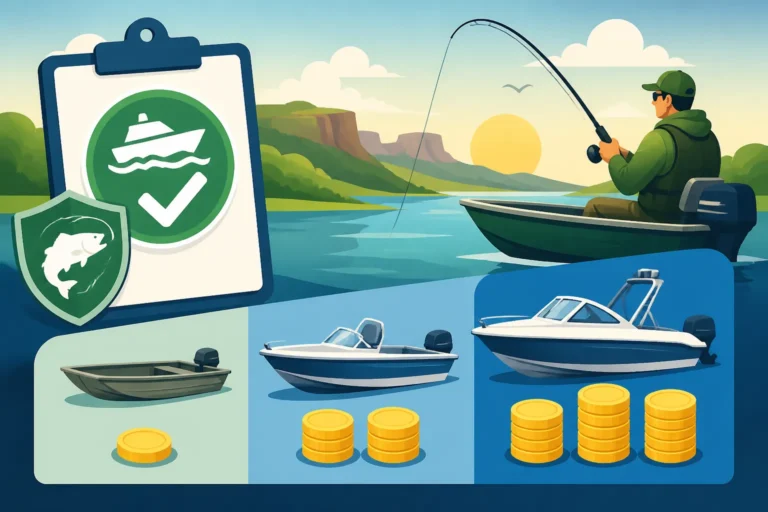
If your family’s fishing adventures involve a boat, understanding North Dakota’s boat registration requirements is another key piece of the regulatory puzzle. In North Dakota, all motorized boats, regardless of size, must be registered with the North Dakota Game and Fish Department. This includes everything from large fishing boats to smaller jon boats with even a tiny electric trolling motor. The registration process ensures that all watercraft are accounted for and contributes to funding conservation efforts and access site maintenance.
This rule also applies to sailboats over 16 feet in length and all personal watercraft (PWCs), like jet skis. Canoes, kayaks, and other non-motorized vessels generally do not require registration, though it's always good to confirm this with the most current regulations, especially if you ever consider adding a small motor to one. For example, if your family enjoys kayak fishing on a smaller lake, your kayaks likely don't need to be registered, but if you add an electric trolling motor for easier travel, then registration becomes mandatory. Our comprehensive guide on North Dakota Boat Registration Requirements provides all the necessary details, from fees to renewal periods.
The registration process typically involves submitting an application, proof of ownership (like a bill of sale or title), and paying the required fees, which often include an Aquatic Nuisance Species (ANS) fee. Once registered, you'll receive a registration card and decals that must be displayed on your boat. Remember, if you purchase a new or used boat, there's usually a timeframe within which you need to complete the registration. Keeping your registration current and having the registration card on board is essential to avoid any issues with law enforcement while enjoying your family time on the water.
Safe Ice Fishing Practices for Kids and Family Fun
North Dakota's winters offer incredible ice fishing opportunities, but they also bring unique safety considerations, especially when you have kids eager to join the fun. Ice thickness is the single most critical factor for safety on the hardwater. The general rule of thumb for safe ice fishing is usually a minimum of 4 inches of clear, solid ice for walking and ice fishing. For snowmobiles or ATVs, you'll need at least 5-7 inches, and for a small car or light truck, it's often around 8-12 inches. These are minimums, and more ice is always better. Never assume ice is safe just because others are on it. Use an ice chisel or auger to check thickness as you go.
When you're out on the ice with children, constant supervision is non-negotiable. Kids, in their excitement, might wander off or run on the ice without realizing the potential dangers. Teach them to always walk, not run, and to stay within a designated safe area. Dress everyone, especially the little ones, in warm, layered clothing, including waterproof outer layers, warm boots, hats, and gloves. Hypothermia can set in quickly in sub-zero temperatures. Portable ice fishing shelters are fantastic for families, offering a warm refuge from the wind and cold. You can find many excellent options for family-sized shelters, including insulated models, on Amazon.
North Dakota also has specific Ice Fishing Shelter Rules on North Dakota Lakes that families need to be aware of. For instance, shelters left on the ice overnight generally need to have the owner's name, address, and telephone number clearly displayed. There are also specific dates by which all shelters must be removed from the ice, typically in mid-March, to prevent them from becoming hazards as the ice melts. Understanding these regulations ensures your family's ice fishing trips are not only fun and productive but, most importantly, safe. Always carry safety equipment like ice picks, a throw rope, and a first-aid kit, and consider staying close to shore or in areas known for consistently good ice, especially with young children.
Fostering Responsible Anglers and Conservation Mindsets
Beyond learning the rules, teaching kids the why behind them is essential for developing responsible anglers. Fishing is more than just catching fish; it's about connecting with nature, respecting wildlife, and understanding our role in preserving these resources for the future. These lessons are perhaps the most valuable takeaways from any family fishing trip.
Teaching Catch and Release with Care
Catch and release is a fundamental practice in modern angling, and it’s a powerful concept to introduce to children. Not every fish caught is destined for the dinner table, especially if it's a small one, an out-of-slot fish, or a species you're not targeting. Teaching kids how to properly handle a fish for release demonstrates respect for the creature and contributes directly to conservation. It’s an opportunity to explain that some fish need to grow bigger, or are vital for reproducing, ensuring healthy populations for future generations to enjoy.
Start by emphasizing minimal handling. Explain that fish have a protective slime coat that can be damaged by dry hands or rough treatment. Teach kids to wet their hands before touching a fish and to support its body, especially if it's a larger fish like a northern pike or walleye. Show them how to quickly and gently remove the hook, using pliers if necessary. For deep-hooked fish, it's often best to cut the line as close to the hook as possible rather than tearing at the fish's gills or stomach. Our detailed guides like the North Dakota Walleye Fishing Guide and North Dakota Northern Pike Fishing Guide often include species-specific handling tips.
The act of carefully releasing a fish, watching it swim strongly back into the water, can be just as rewarding as catching it. It teaches patience, empathy, and the understanding that we are stewards of the environment. Make it a positive experience – celebrate the catch, snap a quick photo if appropriate, and then cheer on the fish as it swims away. This helps build a conservation mindset from a young age, fostering an appreciation for the fish itself, not just the act of keeping it.
Respecting the Environment and Other Anglers
Fishing with family offers a perfect classroom for teaching broader lessons about environmental stewardship and courtesy. The core principle is simple: Leave No Trace. This means whatever you pack in, you pack out – and often, pick up a little extra trash left by others. Teach your kids the importance of proper waste disposal: never leave fishing line, bait containers, plastic bottles, or food wrappers by the water. Fishing line, in particular, can be incredibly harmful to wildlife if left behind. Have a small trash bag handy on every trip and make it a family effort to keep your fishing spot pristine.
Beyond trash, respecting the natural environment also extends to being mindful of the habitat. Avoid trampling sensitive vegetation, disturbing nesting birds, or polluting the water in any way. Explain to your children that a clean and healthy environment is essential for the fish they love to catch. These simple actions reinforce the interconnectedness of all things in nature.
Equally important is teaching kids to respect other anglers. North Dakota's waters are shared resources, and everyone deserves to enjoy them peacefully. This means keeping noise levels down, especially if others are nearby, and maintaining a respectful distance from other boats or shore anglers. Teach your children not to cast their lines too close to others, to avoid loud music, and to be mindful of boat wakes if you're on the water. A simple nod or friendly wave can go a long way in fostering a positive atmosphere. By instilling these values, you’re not just teaching kids how to fish; you’re teaching them how to be responsible, respectful citizens of the outdoors, ensuring that our North Dakota fishing heritage continues to thrive.
North Dakota Fishing Rules for Kids & Families: Quick Reference
:## Understanding North Dakota's Fishing Laws When It Comes to the Kids
It's a beautiful thing to witness a child's pure joy when they reel in their first fish, feeling that tug on the line and seeing the vibrant colors of a fresh catch. As parents, grandparents, or mentors, we want to cultivate that love for the outdoors. But before you grab the rods and tackle box, it’s super important to understand the basics of North Dakota's fishing rules, especially concerning our young anglers. Trying to decipher complex legal jargon can feel like fishing in murky waters – confusing and frustrating. You just want to make sure your family outing is fun, safe, and most importantly, legal, without running into any unexpected fines. This guide will walk you through everything you need to know about fishing with kids and families in North Dakota, making sense of the official guidelines so you can focus on the memories.
Do Kids Need a Fishing License in North Dakota? A Breakdown by Age
This is usually the very first question that pops into a parent's head, and it's a valid one! The good news is that North Dakota is very welcoming to its youngest residents when it comes to fishing. If your child is a resident of North Dakota and is under the age of 16, they are completely exempt from needing a fishing license. That's right, zero paperwork and zero cost for your little ones! This policy is fantastic because it encourages families to get out on the water without the added hurdle of purchasing multiple licenses. Imagine a perfect summer day on Lake Ashtabula; your 8-year-old and 12-year-old can both fish freely alongside you, focusing solely on the excitement of the catch. This exemption is designed to foster a love for fishing early, making it accessible and hassle-free for families who call North Dakota home.
Now, if you're a non-resident family visiting North Dakota, the rules are quite similar for children. Generally, non-resident children under the age of 16 are also exempt from needing a fishing license. This is a wonderfully inclusive policy that opens up North Dakota's incredible fisheries, like Lake Sakakawea or the Red River, to visiting families without additional expense for their kids. So, if Grandma and Grandpa are bringing the grandkids from out of state for a fishing vacation, the youngsters can still enjoy the thrill of fishing without needing a license of their own. It's always a good idea, however, to quickly check the most current North Dakota Fishing Regulations Explained document from the Game and Fish Department (NDG&F) just to confirm any minor updates, as regulations can sometimes see small adjustments from year to year.
It's absolutely crucial to remember that while your kids might be exempt, you, as the supervising adult (if you are 16 or older), must have a valid North Dakota fishing license. Whether you're a resident or non-resident, your license is the foundation of the family's fishing trip. You are ultimately responsible for knowing and adhering to all the regulations, including daily limits and species restrictions, for everyone in your group, especially those fishing under the age exemption. Think of it as the adult's responsibility to set a good example and ensure everyone is fishing legally and ethically. If you need details on how to get your own permit, our guide on How to Get a North Dakota Fishing License can walk you through the process.
The Fishing, Hunting, Furbearer Certificate: What Parents Need to Know
While your younger children might be exempt from needing a fishing license, you, as an adult planning a family fishing trip in North Dakota, will encounter something called the Fishing, Hunting, Furbearer Certificate. This isn't actually a license that grants you the right to fish on its own, but rather a mandatory prerequisite for any resident or non-resident adult (typically 16 years or older) who intends to purchase an annual fishing, hunting, or furbearer license in the state. Think of it as an access pass that enables you to then buy the specific activity licenses you want for the season.
The certificate is generally valid for the entire license year, which runs from April 1st through March 31st of the following year. You only need to purchase it once per year, regardless of how many different licenses (fishing, deer, pheasant, etc.) you intend to buy. For example, if you plan to fish in the summer and then hunt pheasants in the fall, you'll purchase the certificate once, and it will apply to both your fishing and hunting licenses. This system helps the NDG&F manage and track participation across various outdoor activities efficiently. Our comprehensive overview, The Fishing, Hunting, Furbearer Certificate Explained, dives much deeper into its purpose and how it works.
When you go to acquire your own fishing license, either online through the NDG&F website or at a licensed vendor such as a bait shop or sporting goods store, you will typically be prompted to purchase this certificate first. It's an additional, relatively small fee, but it's essential. Without this certificate, you won't be able to proceed with buying your annual fishing license. So, as you plan your family's next adventure, make sure to factor this initial certificate into your preparations. It's a foundational step that ensures you, the adult leader of the fishing expedition, are fully compliant before your family even dips a line into the water.
Where to Buy Licenses and Certificates for Your North Dakota Fishing Trip
Once you understand who needs what, the next logical question is where to get it. Luckily, North Dakota makes it pretty convenient for anglers to purchase their fishing licenses and the necessary Fishing, Hunting, Furbearer Certificate. For many, the easiest and most preferred method is to purchase them online directly through the North Dakota Game and Fish Department's official website. This option allows you to complete the entire transaction from the comfort of your home, print your license immediately, or even keep a digital copy on your smartphone, which is often legally recognized as proof of license. This convenience is a huge plus when you're juggling family schedules and trying to pack for a trip.
If you prefer a more traditional approach or want to support local businesses, you can also purchase licenses and certificates from a wide network of authorized vendors across the state. These include most bait shops, sporting goods stores, and many convenience stores or general merchandise retailers. Places like Fleet Farm, Scheels, and even some Walmart locations often serve as official license vendors. A trip to a local bait shop before heading out fishing can be a great experience for kids, allowing them to see all the different lures and talk to seasoned anglers who work there. It adds to the excitement and anticipation of the fishing trip. Our article on Where to Buy a North Dakota Fishing License provides a more extensive list of options.
When buying in person, simply ask for the type of license you need (e.g., resident annual fishing license) and mention that you'll also need the Fishing, Hunting, Furbearer Certificate if you haven't purchased it yet for the current season. The staff at these locations are usually well-versed in the process and can guide you through it. Just remember to bring a valid form of identification, especially if you're establishing residency or need to confirm your age. The accessibility of these purchasing options ensures that getting your legal ducks in a row for a family fishing trip is never a major obstacle, letting you quickly move on to the more important task of planning where to catch those fish!
Essential Regulations for Family Fishing Adventures
Once the licenses are sorted, it’s time to think about the practical aspects of fishing itself. North Dakota has some straightforward rules about how many lines you can use, what kind of bait and tackle are permitted, and how to access our beautiful waters responsibly. Understanding these basics ensures a smooth, enjoyable, and legal experience for everyone in the family.
How Many Lines Can Your Family Fish With?
This is a common point of confusion for many new anglers and families. When you're fishing in North Dakota during the open water season (which is typically spring, summer, and fall), the general rule is that each licensed angler can use up to two poles or lines at any given time. So, if you're an adult with a valid license, you can have two fishing rods in the water. This allows for a bit of versatility – maybe one line with a bobber for panfish to keep the kids entertained, and another casting a lure for a bigger walleye. It's designed to give anglers a fair chance while preventing overfishing of common spots.
However, the rules are often a bit more relaxed for ice fishing. When the lakes freeze over and the ice fishing season begins, each licensed angler is typically allowed to use up to four lines through the ice. This increased limit acknowledges that ice fishing is generally a more stationary activity, and having more lines out can help cover more area and increase your chances of success. Imagine your family huddled in a warm ice house on Lake Metigoshe, each adult managing four tip-ups or jigging rods – that's a lot of potential action! We cover this specific regulation in detail in our guide: How Many Lines Can You Fish With in North Dakota?.
Here's a crucial point for families with unlicensed children: even if your child is under 16 and doesn't need a license, the number of lines they can use still falls under the individual angler limit. This means an unlicensed child can use two lines during open water season or four lines during ice fishing season, but these lines must be actively tended by the child or the supervising adult. You cannot, for example, have one licensed adult with two lines and an unlicensed child with two lines, and then have the adult walk away and leave the child's lines unattended. The licensed adult is responsible for ensuring all lines, including those used by the unlicensed kids, comply with the total limit for individuals and are actively monitored. This ensures fair play and responsible angling across the board.
Permitted Bait and Tackle for Family Fun and Safety
Selecting the right bait and tackle is part of the fun of fishing, and North Dakota generally allows for a wide array of options suitable for family outings. For most freshwater species that are popular with kids, such as perch, bluegill, and smaller walleye, natural baits like nightcrawlers (worms), minnows, and leeches are incredibly effective and widely permitted. These can be purchased fresh from almost any local bait shop. Using live bait is often the easiest way to get kids into the action, as the wiggling bait itself can be fascinating, and fish are generally more eager to bite something natural. You can easily find tackle boxes, hooks, bobbers, and small weights suitable for beginners at most sporting goods stores or even on Amazon, often in convenient kits.
When it comes to artificial lures, virtually all standard types are legal: spinners, spoons, jigs, crankbaits, and soft plastics. The key is to choose tackle appropriate for the size of the fish you're targeting and the water you're fishing. For example, small jigs with a piece of worm are perfect for panfish, while larger crankbaits are better suited for trolling for walleye on big water like Lake Sakakawea. Teaching kids about different lures and why they might attract certain fish can add an educational layer to the trip, helping them understand fish behavior.
However, there are a few important caveats regarding bait. The importation of live baitfish into North Dakota is strictly prohibited to prevent the spread of Aquatic Nuisance Species (ANS) like zebra mussels and common carp. Always purchase your live bait from a North Dakota vendor. Using game fish (like a small walleye) as bait is also generally not allowed. Furthermore, while most common fishing methods are legal, certain specialized techniques or gear types may have restrictions depending on the species or specific water body. For example, snagging for paddlefish has very specific regulations, and you wouldn't use that technique for a typical family outing. Always consult the current NDG&F regulations booklet if you have any doubts about a particular bait or tackle item for your target species and location.
Accessing North Dakota's Waters Responsibly and Legally
North Dakota offers a fantastic network of public access sites, making it relatively easy for families to find a great spot to fish. These sites are typically well-maintained by the North Dakota Game and Fish Department (NDG&F) or local municipalities, and they often include amenities like boat ramps, fishing piers, and sometimes even picnic areas or restrooms, which are a huge plus for families with kids. Popular destinations like Devils Lake, Lake Oahe, and Jamestown Reservoir have numerous designated public access points that are clearly marked, making it easy to know you are fishing legally. Our article, Fishing Piers and Shore Access in North Dakota, offers great insights into finding these prime family locations.
However, it's crucial to understand the distinction between public and private land. While you have the right to fish in public waters, accessing those waters across private land generally requires the explicit permission of the landowner. Even if a stream or lake runs through private property, you cannot trespass to get to it. This applies whether you're walking, driving, or even launching a boat. A simple rule of thumb: when in doubt, ask! Many landowners are gracious and willing to grant access if approached respectfully. This not only keeps you on the right side of the law but also fosters positive relationships between anglers and landowners, which is vital for maintaining access to our beloved fishing spots.
Another aspect of responsible access involves respecting the environment itself. Teach your children the "Leave No Trace" principles: pack out everything you pack in, and perhaps even pick up any litter you find. This includes discarded fishing line, bait containers, and food wrappers. Proper disposal of trash helps keep our waters clean and safe for both wildlife and other people. Also, be mindful of other anglers. Give them plenty of space, avoid making excessive noise, and ensure your activities don't interfere with their enjoyment. These acts of courtesy and environmental responsibility are important lessons for young anglers, helping them grow into thoughtful stewards of North Dakota's natural beauty.
Daily Limits and Size Restrictions for Common Family Catches
Understanding daily limits and size restrictions is more than just following rules; it's about active participation in conserving North Dakota's rich fish populations. For families, this can be an excellent opportunity to teach children about sustainability, the life cycles of fish, and why some fish get to go home for dinner while others get to swim away and grow bigger.
Walleye Catches: Limits and Release Education
Walleye are the undisputed kings of North Dakota's fishing scene, renowned for their delicious fillets and spirited fight. For families aiming to catch these prized fish, knowing the daily limit and any specific size restrictions is paramount. While regulations can vary by specific lake or river, a common statewide daily limit for walleye is often five fish per angler. However, it's critical to be aware of any "slot limits" or minimum length requirements that might be in effect for the water body you are fishing. A slot limit means fish within a certain size range (e.g., 20-25 inches) must be immediately released, while fish smaller or larger than that range can be kept up to the daily limit. This is a common conservation tool used to protect crucial spawning-size fish.
Imagine you're fishing on Lake Sakakawea with your excited child, and they land a beautiful 23-inch walleye. If there's a 20-25 inch slot limit in place, that fish, despite its impressive size, would need to be carefully released. This is a perfect teachable moment! Explain to your child that this fish is a "brood stock" fish, an adult that helps make more baby walleye for future fishing trips. It helps them understand the bigger picture of conservation beyond just "catching a fish." Always carry a tape measure or a measuring board on your boat or in your tackle box to quickly and accurately measure your catch. Our detailed guide, North Dakota Walleye Size Limit Rules, provides all the specific regulations you need to consult before heading out.
When releasing fish, especially larger ones or those you've handled multiple times, teach your kids how to do it gently and quickly. Minimize the time the fish is out of the water, handle it with wet hands, and support its body horizontally to avoid internal damage. Releasing a fish properly ensures its best chance of survival, reinforcing the idea that we are responsible stewards of the fishery. Catching a walleye that you can keep for dinner is a fantastic reward, but learning to responsibly release others is a sign of a truly skilled and ethical angler.
Yellow Perch and Panfish: Abundance and Simplicity
For families introducing kids to fishing, there's arguably no better target than yellow perch and other panfish like bluegill and crappie. These species are often abundant, eager to bite, and can provide consistent action, which is key to keeping young anglers engaged and excited. The great news for families is that the daily limits for these species are significantly more generous than for larger game fish, offering ample opportunity for both fun and a delicious meal.
While exact numbers can fluctuate and vary by specific water body, it's common for North Dakota to have daily limits of 20 to 30 yellow perch and panfish per angler. This high limit means that even with a couple of kids and an adult, you can quickly accumulate a respectable cooler full of fish, providing a truly satisfying and productive outing. Imagine the joy on your child's face as they reel in perch after perch on Devils Lake; the sheer volume of catches often trumps the size when it comes to keeping their interest. Unlike walleye or pike, there are typically no size restrictions on yellow perch or most other panfish, meaning any legal-sized fish you catch can be kept up to your daily limit. This simplicity makes it much easier for kids to understand what they can put in the cooler. For comprehensive details, check out our resource on Yellow Perch and Panfish Daily Limits Explained.
Panfish are also an excellent way to introduce kids to the process of cleaning and preparing their catch. While adults should handle the sharp knives, kids can help with rinsing and bagging the fillets. This completes the cycle of fishing – from catching to table – and fosters a deeper appreciation for where their food comes from. Whether you're targeting them through the ice in winter or from a boat in summer, the consistent action and generous limits of panfish make them an ideal choice for memorable family fishing trips in North Dakota.
Northern Pike: The Thrill of the Fight and Safe Handling
For those seeking a bit more excitement and a true battle on the end of the line, northern pike are an exceptional target in North Dakota. These aggressive, toothy predators grow to impressive sizes and offer a thrilling experience for any angler, especially kids looking for a challenge. While they provide an adrenaline rush, it's particularly important to understand their daily limits and, crucially, how to handle them safely.
The typical daily limit for northern pike in North Dakota is three fish per angler. However, similar to walleye, some specific lakes or management zones might have unique regulations. For example, some areas may have a "trophy pike" rule, allowing anglers to keep only one pike over a certain length (e.g., 34 inches) per day, to protect and promote the growth of larger fish in those specific waters. It's always a good habit to review the current North Dakota Fishing Regulations booklet before heading out, especially when targeting northern pike, as these rules can have nuances. Our full North Dakota Northern Pike Fishing Guide is an invaluable resource for all things pike.
Perhaps even more important than the limits is teaching kids how to safely handle a northern pike. Their mouths are full of razor-sharp teeth, which can easily cut skin. Always have a pair of long-nosed pliers or a jaw spreader handy for hook removal. Teach children to avoid putting their fingers near the pike's mouth and to support the fish's body firmly but gently when lifting it for a quick photo or release. Explaining why we handle pike carefully is a great lesson in respecting wildlife. The thrill of landing a large pike, even if it's released, creates lasting memories and can solidify a child's passion for the sport, providing that big-fish excitement that keeps them coming back for more.
Special Opportunities and Resources for Young Anglers
North Dakota offers some fantastic programs and easy-to-access resources designed specifically to get kids excited about fishing and make it easier for families to enjoy the sport. These initiatives are all about fostering a love for the outdoors from a young age, often by reducing barriers and providing supportive learning environments.
North Dakota Free Fishing Days: A Perfect Introduction
One of the absolute best ways to introduce a child to fishing, or to simply enjoy a relaxed family outing without the added expense of licenses, is by taking advantage of North Dakota's Free Fishing Days. These are designated days throughout the year when anyone, resident or non-resident, can fish in North Dakota's waters without needing to purchase a fishing license. It's a prime opportunity to grab some rods, some worms, and head to a local pond or lake without any bureaucratic hurdles.
Typically, North Dakota hosts a Free Fishing Weekend in early June, often coinciding with National Fishing and Boating Week. This makes it an ideal time to plan a family camping and fishing trip, or just a spontaneous afternoon at the water's edge. Sometimes, additional free fishing days are offered during the ice fishing season as well, encouraging participation in that unique winter sport. These days are invaluable for newcomers to try fishing for the first time without a financial commitment, or for casual anglers who might not fish enough to justify an annual license. For the exact dates of these fantastic opportunities, you can always check the North Dakota Game and Fish Department website or consult our dedicated guide on North Dakota Free Fishing Days.
While the license requirement is waived on Free Fishing Days, it is absolutely crucial to remember that all other fishing regulations remain in effect. This means daily limits, size restrictions, and rules about the number of lines allowed still apply. So, while you're not paying for a license, you still need to be a responsible angler and know the rules of the water. Many communities and local fishing clubs organize special youth fishing events or clinics during Free Fishing Days, providing equipment and instruction, making it an even more welcoming experience for families. It's truly a golden opportunity to get kids hooked on the joy of fishing!
Youth Fishing Events and Kid-Friendly Fishing Ponds
North Dakota is dedicated to cultivating a love for fishing in its younger generations, and this commitment shines through in the various youth fishing events and specially managed kid-friendly ponds across the state. These initiatives are designed to make fishing approachable, educational, and most importantly, incredibly fun for children.
Throughout the warmer months, and sometimes even during the ice fishing season, the North Dakota Game and Fish Department (NDG&F), along with various local conservation organizations and fishing clubs, hosts numerous youth fishing events and derbies. These events are often fantastic for beginners because they frequently provide loaner fishing rods, bait, and hands-on instruction from experienced anglers. Kids learn basic casting, knot tying, fish identification, and ethical angling practices in a supportive and exciting environment. Participating in a derby, even if they don't catch the biggest fish, creates a sense of camaraderie and achievement that can truly ignite a lifelong passion for the sport. Keep an eye on the NDG&F website's calendar or local community bulletins for announcements of these events in your area.
In addition to organized events, many communities across North Dakota maintain designated kid-friendly fishing ponds. These ponds are often regularly stocked with easy-to-catch species like rainbow trout, bluegill, or yellow perch, ensuring a high likelihood of success for young anglers. They typically boast amenities like easy shore access, fishing piers, and sometimes even picnic areas and restrooms, making a family outing comfortable and convenient. For example, ponds in Bismarck, Fargo, Grand Forks, and Minot are often highlighted as excellent spots for kids due to their accessibility and stocking programs. These locations are perfect for a spontaneous afternoon fishing trip, where the primary goal is simply to get a bend in the rod and a smile on a child's face. Outfitting your child with a basic, durable fishing combo (many great options are available on Amazon), along with a few bobbers and hooks, is often all you need to get started at these welcoming locations.
Ensuring Safety on the Water: Boating and Ice Fishing
Safety should always be the captain of your family fishing trip, whether you're cruising on open water or bundled up on a frozen lake. Understanding and adhering to North Dakota's regulations regarding life jackets, boat registration, and ice safety isn't just about avoiding trouble; it's about protecting your loved ones and ensuring every outing is a secure and joyous adventure.
Life Jacket Rules and Essential Water Safety for Kids
When you're out on North Dakota's beautiful lakes and rivers, the most important piece of equipment for everyone, especially kids, is a U.S. Coast Guard-approved life jacket (Personal Flotation Device or PFD). North Dakota law is very clear on this: all children 12 years of age and younger are required to wear a properly fitted life jacket whenever they are on board a boat that is underway. "Underway" means any time the boat is not anchored, moored, or aground – essentially, any time it's moving, whether under power, sail, or paddles. This rule applies to all types of vessels, from large fishing boats to kayaks and canoes.
It's not enough to simply have life jackets on board; they must be worn correctly and be the appropriate size for each child. A life jacket that is too loose can ride up and not provide adequate flotation, while one that is too tight can be uncomfortable. Before you even leave the dock or launch ramp, take a few minutes to ensure every child's life jacket is snug and secure. Even for children over 12, or for adults, it's always a smart practice to wear a life jacket, especially in cold water or if you're not a strong swimmer. Unexpected falls can happen in an instant, and a life jacket provides vital protection. You can find a wide variety of comfortable, U.S. Coast Guard-approved life jackets for all ages, including specialized ones for fishing, on Amazon.
Beyond the legal requirement, instilling general water safety habits in your children is crucial. Teach them to always stay seated in a moving boat, to keep their hands and feet inside the vessel, and never to swim near the propeller of a boat. Explain the dangers of cold water and the importance of never venturing onto the water alone. Emphasize that water can be unpredictable, and caution is always the best approach. By modeling safe behavior and having regular "safety talks," you empower your children to make smart decisions around water, ensuring that their fishing adventures are always safe and fun.
Understanding North Dakota Boat Registration Requirements
If your family’s fishing plans involve a boat, whether it's a sleek fiberglass fishing machine or a small aluminum jon boat, it's essential to understand North Dakota's boat registration requirements. In North Dakota, any motorized boat, regardless of its size, must be registered with the North Dakota Game and Fish Department (NDG&F). This also includes sailboats over 16 feet in length and all personal watercraft (PWCs). The registration process is vital for identification, law enforcement, and for funding crucial boating safety and aquatic resource management programs.
This means if you've got a small canoe or kayak that you paddle, it likely doesn't need to be registered. However, the moment you attach an electric trolling motor to that same canoe or kayak, it becomes a motorized vessel and must be registered. It's a key distinction many people overlook. If you're buying a new boat, or even a used one, there's typically a grace period during which you need to complete the registration. You'll need proof of ownership, such as a bill of sale or title, and you'll pay a registration fee, which often includes an Aquatic Nuisance Species (ANS) fee. This ANS fee is critical for funding efforts to prevent and control invasive species like zebra mussels, which can wreak havoc on our lakes. Our guide, North Dakota Boat Registration Requirements, offers a thorough breakdown of everything you need to know.
Once registered, you'll receive a registration card and decals that must be properly displayed on your boat. Always keep your current registration card on board your vessel. This ensures that if a Game Warden or other law enforcement officer stops you, you can easily provide proof of registration, making for a smooth interaction. Teaching your children about boat registration also subtly introduces them to the concept of responsible ownership and compliance with laws designed to protect our shared natural resources. It’s all part of being a good steward of North Dakota's beautiful waters.
Safe Ice Fishing Practices and Shelter Rules for Families
North Dakota winters transform our lakes into vast, frozen playgrounds, offering unparalleled ice fishing opportunities for families. However, venturing onto the ice requires a heightened awareness of safety, especially when children are involved. The most critical factor is ice thickness. A general rule of thumb for safe foot travel and ice fishing is at least 4 inches of clear, solid ice. For snowmobiles or ATVs, you typically need 5-7 inches, and for a small car or light truck, 8-12 inches. These are minimums, and it's essential to understand that ice thickness can vary greatly, even on the same body of water, due to currents, springs, or snow cover. Always check the ice thickness regularly with an auger or chisel as you move across the lake.
When ice fishing with kids, constant supervision is non-negotiable. Children, in their excitement, might run or wander onto unsafe ice without realizing the danger. Teach them to always walk deliberately, not run, and to stay within your designated safe zone. Proper layering of warm clothing, including waterproof outer layers, insulated boots, hats, and gloves, is vital to prevent hypothermia in North Dakota's frigid conditions. Portable ice shelters or "fish houses" are fantastic for families, providing a warm, wind-protected space where kids can stay comfortable, even on the coldest days. Many insulated, easy-to-set-up shelters suitable for families are available from various brands.
North Dakota also has specific Ice Fishing Shelter Rules on North Dakota Lakes that families need to be aware of. For instance, if you leave an ice shelter unattended or on the ice overnight, it generally needs to be clearly marked with the owner's name, address, and telephone number. There are also strict deadlines for when all ice shelters must be removed from the ice, typically by mid-March, to prevent them from becoming hazards as the ice melts. Failure to remove a shelter by the deadline can result in fines and the state confiscating the shelter. Always carry essential safety gear such as ice picks (worn around the neck for quick access), a throw rope, and a first-aid kit. Educating your family on these practices ensures that your ice fishing adventures are not only incredibly fun but also incredibly safe.
Fostering Responsible Anglers: Ethics and Conservation
Fishing is more than just a pastime; it's an opportunity to connect with nature and instill valuable life lessons in children. Teaching responsible angling ethics and conservation principles goes beyond simply following the rules; it shapes character and ensures the longevity of our natural resources for future generations.
Teaching Catch and Release with Care and Purpose
The practice of catch and release is a cornerstone of modern, ethical angling, and it's a powerful lesson to teach children on your North Dakota fishing trips. Not every fish caught is meant for the dinner table, especially if it's undersized, outside a slot limit, or simply a fish you wish to conserve for future growth or spawning. Teaching kids how to release a fish properly, and why it's important, instills a deep respect for wildlife and the ecosystem.
Begin by emphasizing minimal handling and quick release. Explain to your child that fish have a protective slime coat that can be easily damaged by dry hands, which makes them susceptible to disease. Teach them to wet their hands before touching a fish. When a fish is landed, show them how to remove the hook quickly and gently, using long-nosed pliers if the hook is deeply set. For fish that are hooked in the gills or swallowed the hook, it's often better to simply cut the line as close to the hook as possible rather than causing further trauma by trying to yank it out. Supporting the fish's body horizontally, especially larger fish like walleye or northern pike, prevents internal injury. Our North Dakota Walleye Fishing Guide and North Dakota Northern Pike Fishing Guide both include sections on best practices for safe handling and release for these specific species.
Watching a fish swim away strongly after being released can be just as rewarding as catching it. It teaches children that fishing isn't solely about harvesting; it's about the experience, the challenge, and contributing to the health of the fishery. Make it a celebratory moment – a quick photo if you like, and then a cheerful "Go grow bigger!" as the fish returns to the water. This practice helps cultivate a conservation mindset from an early age, demonstrating that our actions as anglers have a direct impact on the fish populations they love to pursue.
Respecting the Environment and Other Anglers on the Water
Instilling a sense of responsibility for the environment and courtesy towards others is perhaps one of the most lasting lessons a family fishing trip can offer. It goes hand-in-hand with teaching kids to be good stewards of North Dakota’s incredible natural resources. The fundamental principle to teach is "Leave No Trace." This means whatever you bring out to the lake or river, you take back with you – and ideally, you leave the area even cleaner than you found it.
Teach your children the importance of properly disposing of all trash, no matter how small. This includes discarded fishing line, bait containers, food wrappers, and plastic bottles. Fishing line, in particular, can be incredibly detrimental to wildlife if left tangled in vegetation or floating in the water. Carry a small trash bag on every outing and make it a family effort to collect any litter you encounter. This practice not only keeps our waters beautiful but also protects the wildlife that calls them home. Explain that a clean environment is vital for healthy fish and a pleasant experience for everyone.
Beyond trash, respecting the natural habitat also involves minimizing your footprint. Avoid trampling fragile shoreline vegetation, disturbing bird nesting areas, or causing unnecessary erosion. Teach kids to be mindful of their surroundings and to appreciate the wild beauty of North Dakota. Equally important is teaching them to respect other anglers. Our lakes and rivers are shared spaces, and everyone deserves to enjoy them peacefully. This means keeping noise levels down, especially near other boats or shore anglers, and maintaining a respectful distance to avoid tangling lines or disturbing someone else's fishing spot. A friendly wave or a quiet acknowledgment goes a long way. By fostering these habits of courtesy and environmental responsibility, you're not just creating enjoyable fishing trips; you're raising conscientious individuals who will cherish and protect North Dakota's outdoors for years to come.
Disclaimer
The information provided in this guide is intended for general informational purposes only and is subject to change. While we strive to offer accurate and up-to-date advice, fishing regulations in North Dakota can be complex and may vary by specific location, season, and species. It is the responsibility of every angler to consult the most current official North Dakota Game and Fish Department (NDG&F) regulations booklet or website before engaging in any fishing activity. Non-compliance with fishing laws can result in fines or other penalties. Always prioritize safety on the water and ice.