Is the Pallid Sturgeon Protected in North Dakota?
It can be incredibly disheartening to hear about the struggles faced by some of our most unique fish species, especially when you're out enjoying the waters of North Dakota and want to do your part to protect them. Many anglers are naturally curious about the conservation status of truly rare fish like the pallid sturgeon, wondering what their role is in helping these magnificent creatures survive. This guide will walk you through the protected status of the pallid sturgeon in North Dakota, why it's so critical, and what every angler needs to know to contribute to its recovery.
Understanding the Pallid Sturgeon: A North Dakota Treasure
When you picture North Dakota's rivers, you might think of walleye or catfish, but there's a truly ancient and remarkable fish that also calls these waters home: the pallid sturgeon. This isn't just any fish; it's a living fossil, a species that has navigated the mighty Missouri River system for millions of years. Its unique appearance and elusive nature make it a captivating part of our natural heritage, but also a fragile one.
What Makes the Pallid Sturgeon So Special?
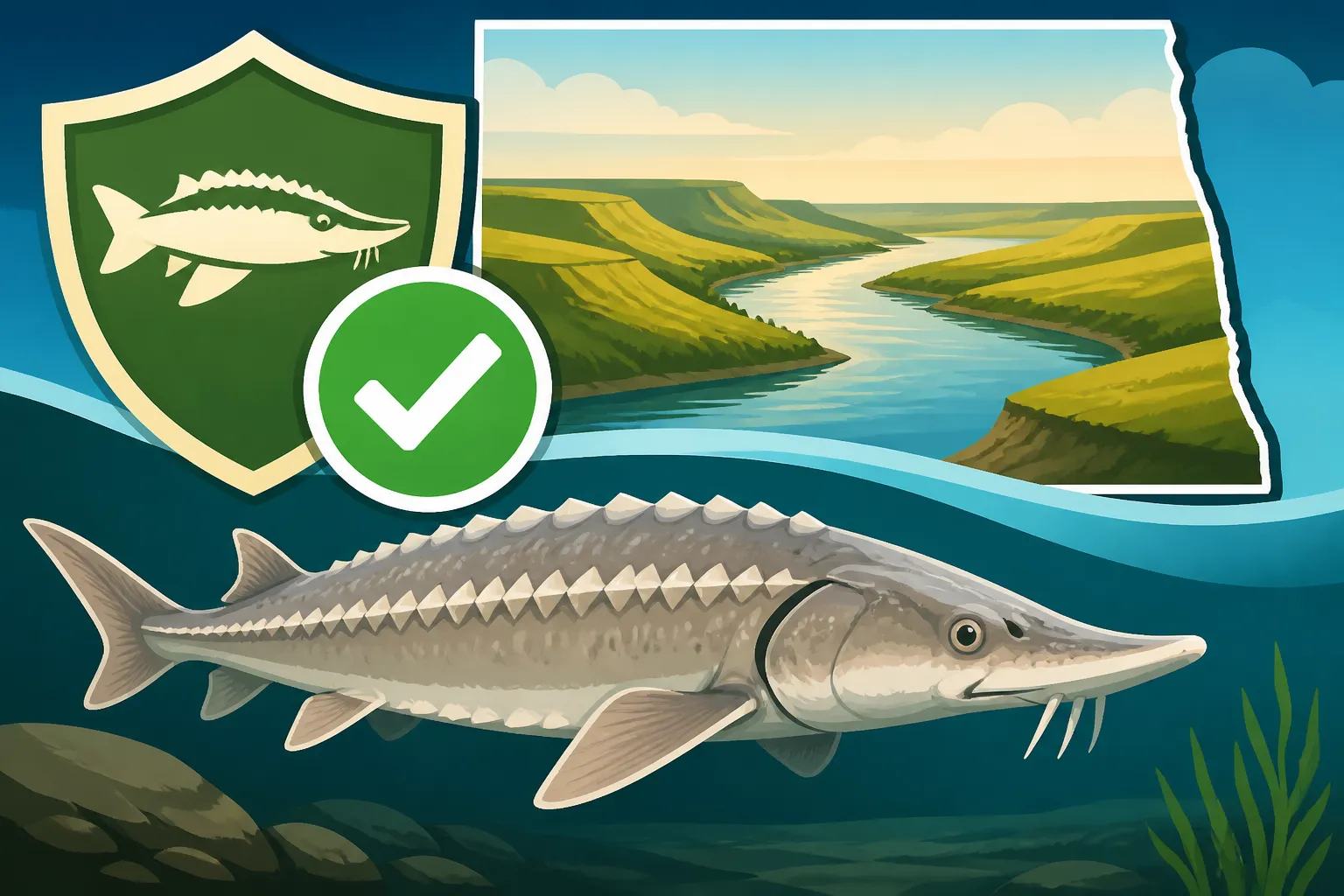
The pallid sturgeon (Scaphirhynchus albus) is truly a marvel. Unlike many fish you'll encounter, it has a flattened snout, a shovel-shaped head, and a body covered not in scales, but in bony plates called scutes. They typically have a light, often pale gray or white coloration, which is how they earned the "pallid" part of their name. These fish are also giants of the river, capable of growing to impressive sizes, sometimes over 6 feet long and weighing up to 80 pounds, though specimens this large are increasingly rare.
What's even more fascinating is their longevity. Pallid sturgeon can live for decades, with some individuals reaching 50 years or more. They are bottom dwellers, feeding on small fish, aquatic insects, and other invertebrates found in the turbid, fast-moving waters of large rivers. Their slow growth rate and late maturity, however, contribute significantly to their vulnerability and make their recovery a long and challenging process.
Historical Decline and the Call for Protection
The story of the pallid sturgeon is, unfortunately, a classic tale of habitat alteration and human impact. Historically, these fish thrived throughout the Missouri and Mississippi River basins, but over the last century, their populations have plummeted dramatically. The primary culprit? The extensive damming and channelization of the Missouri River. Dams fragment their habitat, blocking migratory routes essential for spawning, and altering the natural flow and sediment transport that create the ideal nursery habitats these fish need.
Imagine a fish that needs vast stretches of free-flowing river, with specific gravel bars and side channels to successfully reproduce. When those areas are inundated, dried up, or completely changed by large-scale engineering projects, it directly impacts their ability to sustain their numbers. The degradation of water quality, changes in river temperatures, and competition with other species have also played a role in their decline, leading to serious concerns about their very survival in the wild.
The Legal Landscape: Protection Status in North Dakota
Given the dire situation for the pallid sturgeon, it's no surprise that this species is among the most heavily protected fish in North Dakota, and indeed, across the nation. Understanding its legal status is crucial for any angler fishing the Missouri River system, as encountering one of these rare fish comes with very specific responsibilities.
Federal Protection: The Endangered Species Act
The pallid sturgeon was officially listed as an endangered species under the federal Endangered Species Act (ESA) in 1990. This listing provides the highest level of protection available for a species in the United States. What does that mean in practical terms? It makes it illegal to "take" a pallid sturgeon, which includes harassing, harming, pursuing, hunting, shooting, wounding, killing, trapping, capturing, or collecting it, or attempting to do any of these things. Even possessing, selling, or transporting a pallid sturgeon is prohibited without special permits.
The ESA also mandates that federal agencies consult with the U.S. Fish and Wildlife Service to ensure that any actions they authorize, fund, or carry out do not jeopardize the continued existence of the species or adversely modify its critical habitat. This comprehensive legal framework is the cornerstone of efforts to prevent the pallid sturgeon from disappearing forever, and it directly impacts how all of us interact with the rivers where these fish reside. You can learn more about general fishing rules in North Dakota in our guide, North Dakota Fishing Regulations Explained.
North Dakota's Role in Sturgeon Conservation
While federal law sets the overarching protection, North Dakota actively participates in the recovery efforts for the pallid sturgeon within its borders. The North Dakota Game and Fish Department (NDGFD) works closely with federal agencies, academic institutions, and other states to implement recovery plans. These plans often involve a combination of habitat restoration, monitoring wild populations, and stocking hatchery-reared fish to bolster numbers.
North Dakota's specific regulations reflect the federal mandate. There is no open season for pallid sturgeon in North Dakota, and anglers are strictly prohibited from possessing them. This means that if you accidentally catch one, you must release it immediately and unharmed. The state's commitment to these efforts is vital, as a significant portion of the pallid sturgeon's remaining habitat is found in the North Dakota stretches of the Missouri River and its impoundments like Lake Sakakawea.
Understanding Catch-and-Release Rules
For anglers, the most important rule regarding pallid sturgeon is absolute catch-and-release. If you happen to hook a pallid sturgeon, it's critical to know exactly what to do to ensure its survival. Here’s a breakdown:
- Identify Quickly: Learn to recognize the pallid sturgeon. While some sturgeon species are more common, the pallid has very distinct features – a long, slender body; a flat, shovel-like snout; and sensory barbels located closer to the tip of the snout, not midway. Juvenile pallid sturgeon can be particularly tricky to distinguish from the more common shovelnose sturgeon, so when in doubt, treat it as a pallid.
- Handle Gently: Minimize handling the fish as much as possible. Avoid lifting it out of the water if you can, especially by the tail or gills. If you must lift it, support its full body weight horizontally.
- Remove Hook Swiftly: Use needle-nose pliers or a de-hooking tool to remove the hook quickly. If the fish is deeply hooked, cut the line as close to the hook as possible. Do not try to tear the hook out, as this can cause severe internal damage.
- Release Immediately: Once the hook is removed (or line cut), release the fish back into the water right away. If it seems sluggish, gently hold it upright in the current until it regains its strength and swims away on its own.
- Report if Possible: If you have a camera, taking a quick photo without causing undue stress to the fish can be helpful for biologists, but the priority is always the fish's immediate release. Some agencies appreciate reports of sightings with exact location and time, which helps them track populations.
Remember, the goal is to ensure that every accidental encounter leaves the fish in the best possible condition to continue its journey. Using the right gear for the fish you're targeting can help minimize deep hooking, so selecting appropriate tackle and bait, as discussed in Best Bait for North Dakota Fishing, can make a difference.
Conservation Efforts and Future Outlook
The road to recovery for the pallid sturgeon is a long one, but dedicated efforts are underway across the Missouri River basin, including significant work in North Dakota. These efforts involve a multi-pronged approach, combining direct intervention with habitat improvement and ongoing research.
| Protection Aspect | Description | Angler Responsibility |
|---|---|---|
| Legal Status | Federally endangered (ESA), no open season in ND. | Strictly no possession; immediate release if caught. |
| Identification | Flat, shovel-like snout; bony plates (scutes); barbels closer to snout tip. | Learn to identify; when in doubt, release. |
| Handling | Minimize out-of-water time; support full body weight. | Use wet hands, avoid gill plates, use soft landing net. |
| Hook Removal | Use pliers/de-hooker; cut line if deeply hooked. | Carry appropriate tools; avoid tearing hooks out. |
| Reporting | Agencies appreciate sighting reports (photos/location). | If possible and safe for fish, document and report. |
| Habitat Focus | Restoration of river flow, sediment transport, spawning grounds. | Support conservation efforts; prevent aquatic invasive species. |
| Stocking Programs | Hatchery-raised fish released to supplement wild populations. | Handle stocked fish with same care as wild fish. |
Hatchery Programs and Stocking Initiatives
One of the most direct and impactful conservation strategies is the rearing and stocking of pallid sturgeon in hatcheries. Facilities like the Garrison Dam National Fish Hatchery in North Dakota play a crucial role in this effort. Here, scientists collect wild broodstock (parent fish), spawn them, and raise their offspring in a controlled environment. These young sturgeon are then tagged and released into suitable habitats along the Missouri River system, including various sections in North Dakota.
This stocking helps to increase the overall population numbers and genetic diversity, providing a critical boost to a species that struggles to reproduce naturally in its altered environment. However, it's important to remember that stocking alone isn't a silver bullet; it's part of a larger strategy that must include habitat improvements for long-term success. Understanding the species that inhabit these waters, including Fish Species Found in North Dakota Lakes and Rivers, helps appreciate the complex ecosystems at play.
Habitat Restoration and Research
Beyond stocking, significant resources are dedicated to restoring the very riverine habitats that pallid sturgeon depend on. This often involves projects aimed at re-establishing more natural flow regimes, creating side channels, and improving spawning gravel beds that have been lost or degraded. For instance, efforts along the Missouri River aim to replicate some of the natural river dynamics that existed before widespread dam construction.
Researchers also continuously monitor wild and stocked populations to understand survival rates, migration patterns, and reproductive success. This data is invaluable for adapting conservation strategies and making informed decisions about where and how to focus efforts. These scientific endeavors are critical because they help us understand the unique needs of the species and how best to manage the complex river systems that are their home. You can find more information about fishing specific parts of the river in our Missouri River Fishing Guide.
How Anglers Can Be Part of the Solution
As an angler, you have a vital role to play in the recovery of the pallid sturgeon. Your actions on the water can directly contribute to their survival.
- Educate Yourself: The first step is to know your fish. Understand the unique characteristics of the pallid sturgeon and how to differentiate it from other species like the shovelnose sturgeon. Knowledge is your best tool for responsible fishing.
- Practice Responsible Catch-and-Release: Always follow the guidelines for immediate and gentle release if you accidentally hook a pallid sturgeon. Carrying the right tools, like long-nose pliers or a de-hooker, can make this process quicker and less stressful for the fish. Even something as simple as a camera, perhaps from a trusted retailer like Amazon, to quickly document a sighting before release can aid biologists if done swiftly and without additional stress.
- Report Sightings (Responsibly): While immediate release is paramount, if you can safely take a quick, clear photo and note the precise location and time without harming the fish, reporting this information to the North Dakota Game and Fish Department or the U.S. Fish and Wildlife Service can be very helpful for tracking and monitoring.
- Support Conservation Efforts: Be aware of and support organizations and agencies working on pallid sturgeon recovery. Your voice and actions can advocate for continued funding and habitat restoration projects.
- Prevent Aquatic Nuisance Species: Protecting native species like the pallid sturgeon also means preventing the spread of Invasive Fish Species in North Dakota. Always clean, drain, and dry your boat and gear to avoid transporting invasive plants and animals that can disrupt fragile river ecosystems.
- Adhere to All Regulations: Simply by following all North Dakota fishing regulations, you contribute to the overall health of the fishery, which indirectly benefits endangered species. This includes understanding rules around topics such as How Many Lines Can You Fish With in North Dakota?.
By taking these steps, you become an active participant in preserving one of North Dakota's most rare and incredible natural treasures, ensuring that the pallid sturgeon continues its ancient journey through our rivers for generations to come.
Disclaimer
This article is for general informational purposes only and does not constitute professional advice. Laws, prices and regulations vary by location and change over time. Consult a qualified professional for guidance on your specific situation.