Are Goldeye Good Bait or Good to Eat?
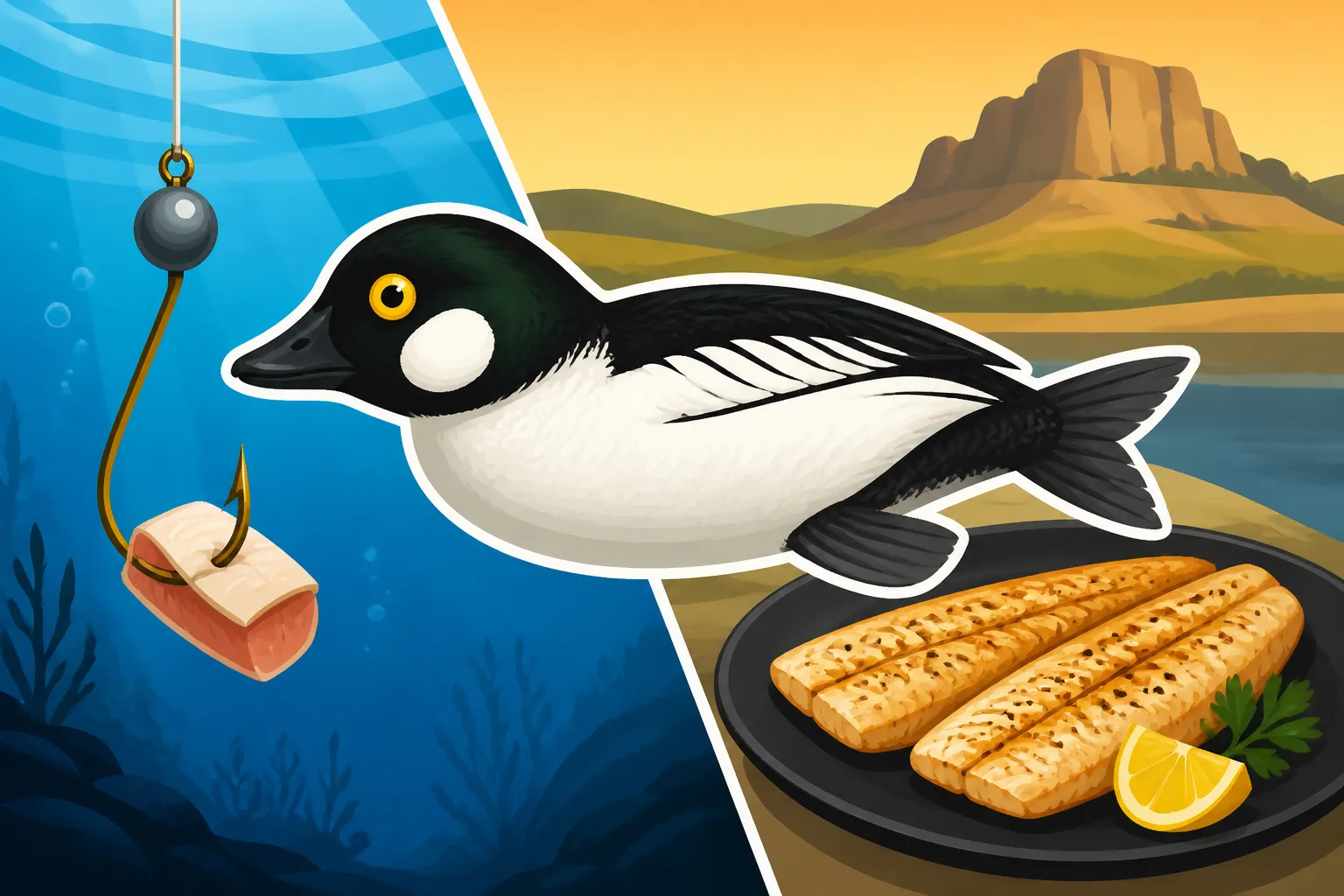
There's a fascinating fish swimming in North Dakota's waters that often gets overlooked, and it stirs up a common question among anglers: what exactly are goldeye good for? Many folks wonder if these silvery, somewhat mysterious fish are worth keeping for the dinner table or if they're better suited to be on the other end of a hook as prime bait. This guide will dive deep into the world of the North Dakota goldeye, exploring both their culinary potential and their effectiveness as a secret weapon in your bait bucket, helping you decide how best to appreciate this unique species.
Understanding North Dakota Goldeye: A Brief Overview
Before we decide whether to fry them up or cut them into chunks, let's get to know the goldeye a little better. They're not the most commonly discussed game fish, but they're a vibrant part of North Dakota's aquatic ecosystem, particularly in our expansive river systems.
What Exactly Is a Goldeye?
The goldeye (scientifically Hiodon alosoides) is a sleek, silvery fish with large, golden eyes, which is where it gets its distinctive name. They are relatively deep-bodied and compressed, typically growing to about 15-20 inches, though larger specimens can be found. Unlike some of their more famous cousins like walleye or pike, goldeye possess soft, rayed fins and a distinct adipose fin is absent. They're often mistaken for shiners or even small herring by the uninitiated, but once you learn their tell-tale features—especially those prominent golden eyes—they're easy to identify. They're known for being incredibly active and strong fighters on light tackle, which can be a real surprise for anglers who hook into one unexpectedly.
Goldeye Habitat and Distribution in North Dakota
In North Dakota, goldeye primarily inhabit the larger river systems and their major tributaries. You'll find them most abundantly in the Missouri River Fishing Guide and its associated reservoirs, as well as the Red River of the North Fishing Guide and its feeder streams. These fish prefer clear to slightly turbid waters with moderate currents, often congregating in deeper pools, below riffles, or along the edges of sandbars. They are also quite tolerant of varying water conditions, which contributes to their widespread presence in these riverine environments. Their nomadic nature means they can cover significant distances, moving up and down the rivers in search of food and suitable spawning grounds. Anglers targeting other species in these areas, especially those fishing for Channel Catfish Habitat on the Red River, will often encounter goldeye.
The Culinary Question: Are Goldeye Good to Eat?
This is where the debate really heats up. Many anglers catch goldeye and immediately dismiss them as table fare, often due to historical perceptions or simply not knowing how to prepare them. However, with the right approach, goldeye can be a surprisingly delicious meal.
Flavor Profile and Texture of Goldeye
The flavor of goldeye is often described as rich and somewhat oily, with a distinctive taste that some compare to smoked salmon or even whitefish. This oiliness, while a detractor for some, is precisely what makes them so popular for smoking. The flesh itself is relatively firm, flaky, and has a pinkish-orange hue, especially when smoked.
The common criticism is that they can sometimes taste "muddy" or have a strong, fishy flavor. This perception largely stems from how the fish are handled and prepared. Like many river fish, goldeye can absorb flavors from their environment. To mitigate any undesirable taste, it’s crucial to bleed the fish immediately after catching and keep them on ice. Additionally, the darker, fattier strip of meat along the lateral line can sometimes contribute to a stronger flavor, and removing this strip during filleting can greatly improve the eating experience. When prepared correctly, the "muddy" taste is often a non-issue, revealing a flavorful, robust fish perfect for specific dishes.
Popular Preparation Methods for Eating Goldeye
If you're going to eat goldeye, preparation is key. Simply pan-frying a fillet might leave you underwhelmed, but with a little extra effort, you can transform them into a culinary delight.
- Smoking: This is, hands down, the most celebrated method for preparing goldeye. The rich, oily flesh takes beautifully to smoke, creating a moist, flavorful product similar to smoked whitefish or trout. Many consider smoked goldeye a true delicacy, and it's quite popular in Canadian provinces to our north. You can find excellent home smokers, and even specialized wood chips for different smoke flavors, on platforms like Amazon to elevate your smoking game. The process helps to render out some of the oiliness and imparts a deep, savory flavor that is hard to beat.
- Pickling or Canning: Due to their somewhat oily nature, goldeye also lend themselves well to pickling or canning. These methods preserve the fish and infuse them with tangy flavors, similar to pickled herring. This is a fantastic way to enjoy them year-round, turning them into a delicious snack or appetizer.
- Deep Frying: While not as popular as smoking, goldeye can be deep-fried, especially if you remove the darker lateral line meat. A light, crispy batter complements the flaky texture. Some anglers even prefer to use the smaller goldeye for frying, as their flesh tends to be less oily. Ensure your oil is hot enough for a quick, crisp cook.
- Pâté or Spreads: The rich, smoky flavor of cooked goldeye also makes it an excellent base for fish pâtés or sandwich spreads. Flake the cooked fish, mix with cream cheese, herbs, and seasonings, and you have a fantastic dip for crackers or a spread for bagels.
Remember, the key is proper care from catch to kitchen. Bleeding, icing, and careful filleting (removing that dark strip) will make all the difference. While they might not be on every list of Best Eating Fish in North Dakota, they certainly have their dedicated fans.
Nutritional Value and Safety Considerations
Like most fish, goldeye are a good source of lean protein and beneficial omega-3 fatty acids, which are fantastic for heart and brain health. Their oiliness, in particular, means they tend to be higher in these healthy fats than some leaner fish. They also contain essential vitamins and minerals.
As for safety, always check current North Dakota fishing regulations for any consumption advisories specific to the waters you're fishing. While goldeye are generally considered safe to eat, local conditions can sometimes lead to advisories for certain species in certain areas. It's always a good practice to be informed. In most cases, however, goldeye from North Dakota's major rivers are perfectly fine for consumption.
The Bait Bucket Debate: Are Goldeye Good Bait?
If eating goldeye isn't your cup of tea, or even if it is, there's another incredible use for them: bait! Many seasoned anglers consider goldeye to be one of the best kept secrets in the bait world, especially for targeting trophy fish.
Why Goldeye Make Excellent Cut Bait
Goldeye truly shine as cut bait, and for several compelling reasons:
- Oily Flesh: This is their superpower. Goldeye have a high oil content, and when cut, their flesh releases a potent, long-lasting scent trail in the water. This strong scent is a huge attractant for predatory fish, particularly those with a keen sense of smell, like catfish. The oils disperse well, signaling a meal from a distance.
- Tough Skin and Flesh: Unlike some softer baitfish, goldeye have relatively tough skin and firm flesh. This means they stay on the hook better, even through powerful casts or repeated strikes from smaller fish. You won't be constantly re-baiting your line, which is a huge advantage when you're waiting for that big bite.
- Availability: In many of North Dakota's major river systems, goldeye are quite abundant, making them a readily available and often free source of excellent bait. Catching a few for your bait bucket can be a fun activity in itself.
For anglers preparing for big fishing excursions, having a supply of goldeye cut bait can be a game-changer. You might even find specialized bait knives on Amazon that make preparing them even easier.
Target Species for Goldeye Bait
The powerful scent and robust nature of goldeye bait make it irresistible to some of North Dakota's most sought-after predatory species.
- Channel Catfish: This is perhaps where goldeye truly excel as bait. On the Red River, particularly, North Dakota Catfish Limit Rules anglers swear by goldeye. The Red River's legendary channel catfish, which can grow to enormous sizes, are primarily scent feeders, and the oily, pungent scent of a goldeye chunk is like ringing the dinner bell. Using it as cut bait, rigged on a circle hook, is a classic technique.
- Northern Pike: The toothy predators of North Dakota, like those found across various lakes (consult North Dakota Northern Pike Fishing Guide), are opportunistic hunters and are readily attracted to larger chunks or whole goldeye, especially when still-fished under a float or on a quick-strike rig. The scent and flash of a dead goldeye can lure in pike from a good distance.
- Muskellunge: While muskie fishing is highly specialized, a large, whole goldeye can sometimes be an effective bait, particularly for trophy hunters looking to tempt one of these elusive giants.
- Walleye: While not as common for walleye as minnows or leeches, large chunks of goldeye can sometimes tempt bigger walleye, especially when they're in a feeding frenzy or targeting larger baitfish. However, it's generally more effective for the species listed above.
Techniques for Using Goldeye as Bait
Using goldeye as bait isn't complicated, but a few techniques can maximize its effectiveness:
- Cut Bait: This is the most common method for catfish. Fillet the goldeye and cut the fillets into 1-2 inch chunks. You can leave the skin on for added durability. For really big catfish, some anglers even use larger chunks, including sections of the whole fish. Hook the chunk securely, ensuring the hook point is exposed.
- Whole Bait (Deadsticking/Under a Float): For northern pike or muskie, a whole dead goldeye can be incredibly effective. Hook it through both lips or behind the dorsal fin if using a quick-strike rig. Cast it out and let it sit (deadsticking), or suspend it under a large float in areas where pike are known to lurk, such as weed lines or drop-offs.
- Pre-preparation: If you're planning a big fishing trip, you can prepare goldeye bait ahead of time. Fillet and cut them into chunks, then store them in Ziploc bags in the freezer. Some anglers even "cure" their goldeye bait with various additives to enhance scent, though fresh cut goldeye is often all you need. You can buy specialized bait coolers, often available on Amazon, to keep your goldeye fresh while you’re out on the water.
When using goldeye as bait, always be mindful of local regulations concerning the use of live bait and the transport of fish. Preventing the spread of Aquatic Nuisance Species Rules for Boaters is crucial.
Catching Goldeye in North Dakota
So, you're convinced and want to try either eating goldeye or using them for bait. Now, how do you catch them? They're actually quite fun to target and don't require highly specialized gear.
Best Seasons and Locations for Goldeye
Goldeye are typically most active and easiest to catch during the spring and fall months. In the spring, they move into shallower areas to spawn, and after spawning, they're often very hungry. In the fall, they feed heavily in preparation for winter. While you can catch them in summer, they tend to move to deeper, cooler waters. During the North Dakota Open Water Fishing Season, they're generally available.
As mentioned, look for them in the Missouri River system (including its main channel and larger bays in Lake Sakakawea) and the Red River of the North. They prefer areas with some current but will hold in calmer eddies or deep pools adjacent to current breaks. River bends, log jams, and bridge pilings can also be prime locations. Essentially, any part of these river systems that holds a good forage base for fish will likely have goldeye. Understanding Seasonal Fish Movement Patterns in North Dakota Lakes can also help you pinpoint their locations.
Recommended Gear and Techniques for Goldeye Fishing
You don't need heavy-duty gear to catch goldeye. In fact, light tackle often makes the experience much more enjoyable.
- Rods and Reels: A light to medium-light action spinning rod, around 6 to 7 feet long, paired with a small spinning reel spooled with 4-8 pound monofilament or braided line, is perfect. This setup allows for good casting distance and really lets you feel the fight of these energetic fish. If you're looking for a good all-around setup, you can find excellent options for Best Fishing Rods for North Dakota Anglers on Amazon that would work perfectly for goldeye.
- Lures and Bait:
- Small Jigs: Tiny jigs (1/16 to 1/8 ounce) tipped with a small piece of worm, a minnow tail, or even just a small plastic grub, are incredibly effective. Cast them out, let them sink, and retrieve with a slow, steady retrieve or small jigging motions.
- Small Spoons and Spinners: Anything that flashes and vibrates can attract a goldeye. Small silver or gold spoons, or inline spinners, worked through the water column, can draw aggressive strikes. Many general Best Fishing Tackle for North Dakota Lakes will include these versatile options.
- Flies: Fly anglers will find goldeye to be excellent targets. Small streamers, wet flies, or even dry flies during insect hatches can be very productive.
- Live Bait: A simple worm, minnow, or even a piece of cut bait fished under a bobber can also be effective, especially if goldeye are less active.
- Technique: Focus on casting near current breaks, eddies, or deeper holes. Goldeye are often schooling fish, so if you catch one, there are likely more in the area. They have a relatively soft mouth, so a gentle hookset is usually all that's needed, and be prepared for a strong fight!
Remember to always have your North Dakota Fishing License Guide in order before heading out, as it's a requirement for all anglers within the state.
Goldeye: Food or Bait? A Quick Comparison
To help you make up your mind, here's a quick look at the pros and cons of goldeye as food versus as bait.
| Feature | As Food | As Bait |
|---|---|---|
| Flavor Profile | Rich, oily, distinctive; can be "muddy" if not prepared correctly. | Releases strong, long-lasting scent trail. |
| Texture | Firm, flaky flesh; pinkish-orange hue. | Tough skin and firm flesh; stays on hook well. |
| Best Preparation | Smoking, pickling, canning, deep frying. | Cut bait (fillets/chunks), whole dead bait. |
| Target Audience | Those who appreciate rich, smoked fish; adventurous eaters. | Catfish (especially Red River), Northern Pike, Muskie, large predators. |
| Effort Required | More preparation needed (bleeding, filleting carefully, smoking). | Minimal preparation (filleting, cutting into chunks). |
| Availability | Abundant in major rivers; easy to catch your own supply. | Readily available and free source of high-quality bait. |
| Reputation | Underappreciated delicacy (when smoked); sometimes dismissed as "trash fish." | Highly effective, well-regarded by serious trophy anglers for specific species. |
So, are goldeye good bait or good to eat? The answer, as you can see, is a resounding both! It really boils down to your personal preference and what kind of fishing experience you're after. If you're willing to put in the effort to smoke them, you'll be rewarded with a delicious treat. If you're targeting big channel catfish on the Red River or looking to land a trophy pike, a goldeye in your bait bucket is an absolute must-have. Don't let this underappreciated North Dakota fish swim by without considering its full potential!
Disclaimer
This article is for general informational purposes only and does not constitute professional advice. Laws, prices and regulations vary by location and change over time. Consult a qualified professional for guidance on your specific situation.