Best Ice Fishing Gear for North Dakota
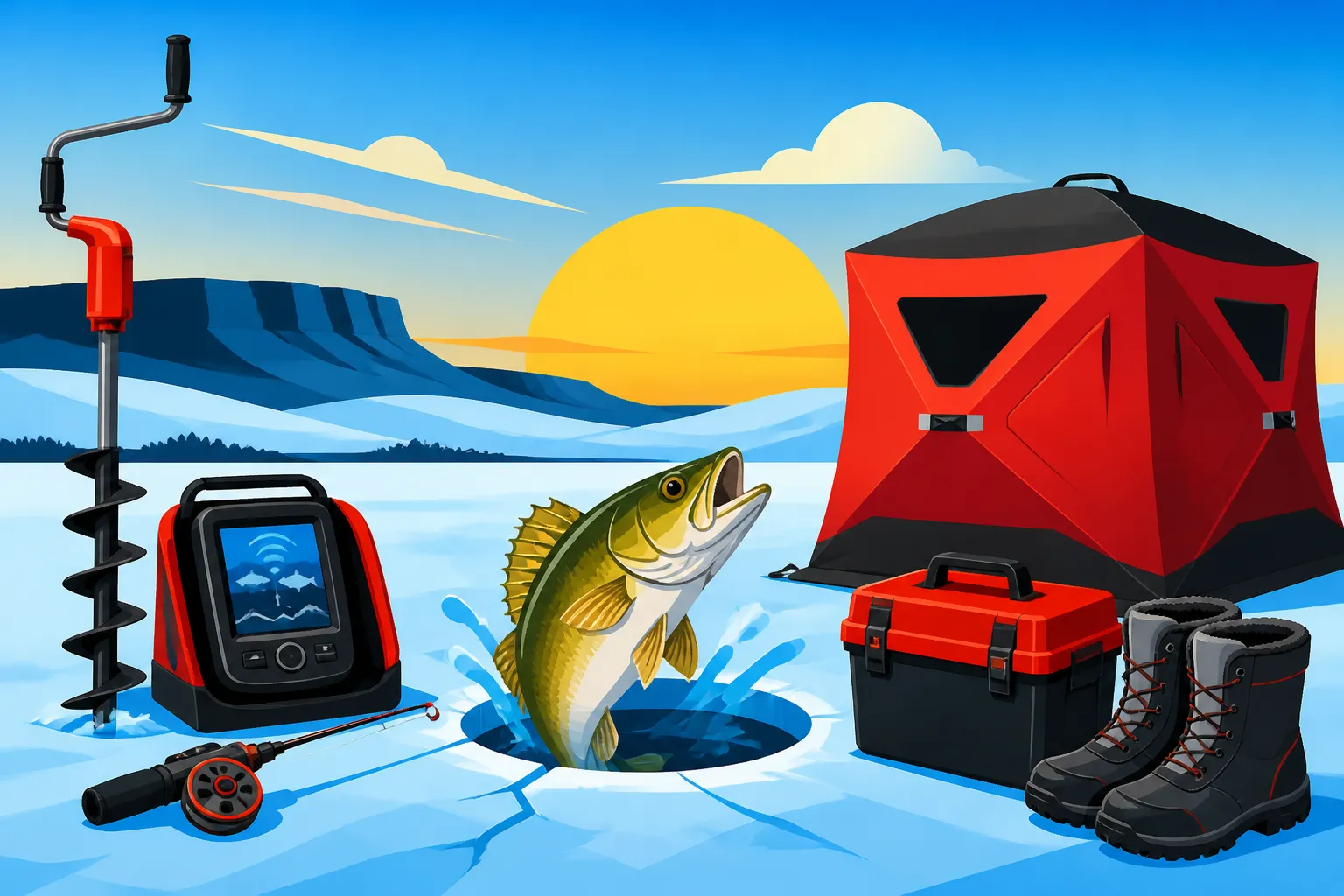
Venturing out onto North Dakota's frozen lakes and rivers for ice fishing is an experience unlike any other, but let's be real – it can be intimidating, especially if you're new to it or just looking to upgrade your setup. The sheer cold, the vast expanse of ice, and the need for specialized equipment can leave you wondering where to even begin. You've probably heard horror stories about frozen fingers, broken gear, or even worse, safety mishaps. This comprehensive guide is here to cut through the confusion and walk you through all the essential ice fishing gear you'll need to stay safe, warm, and successful on North Dakota's hard water, ensuring your next trip is memorable for all the right reasons.
The Absolute Essentials: What You Can't Ice Fish Without
When you're out on a frozen lake, miles from shore or even just a short walk from your vehicle, preparation is everything. The harsh North Dakota winter doesn't mess around, and neither should you when it comes to your basic gear. Think of these items as your non-negotiables, the foundation upon which all your ice fishing adventures will be built. Skipping out on any of these can turn a fun day into a miserable, or even dangerous, ordeal.
Safety First: Ice Picks, Spud Bars, and Flotation
Nobody wants to think about the worst-case scenario, but being prepared for it is the hallmark of a smart ice angler. The ice is never 100% predictable, and conditions can change rapidly, even on the same body of water. That's why having the right safety gear isn't just a suggestion; it's a lifeline.
Ice picks, for example, are simple, affordable tools that can be clipped to your coat. If you were to break through the ice, these picks give you something to grip the slick edges with, helping you pull yourself out. It's a small item that makes a monumental difference in an emergency. A spud bar, on the other hand, is your first line of defense. As you walk out onto new ice, especially early in the season, using a spud bar to test the ice thickness in front of you is crucial. A good whack with a heavy spud bar will tell you if the ice is solid or dangerously thin. If it breaks through in one hit, you know to back away. These tools are indispensable for navigating unfamiliar ice or areas where currents might create thinner spots, such as river mouths or narrows. Always err on the side of caution; a few extra seconds testing the ice is worth a lifetime of peace of mind. For more detailed advice, check out Early Ice Fishing Safety Tips.
Of course, personal flotation devices (PFDs) might seem like overkill in the dead of winter, but they are absolutely essential, particularly for children and anyone who might not be a strong swimmer. Modern ice fishing suits are often designed with built-in flotation, offering an extra layer of protection without hindering movement. These "float suits" are truly revolutionary, combining warmth, waterproof protection, and flotation all in one garment. Investing in one of these can literally save your life by keeping you buoyant and providing critical thermal insulation should you find yourself in the water. Remember, cold water saps your energy and dexterity incredibly fast, so any advantage you can give yourself is priceless.
Keeping Warm: Layering, Boots, and Shelters
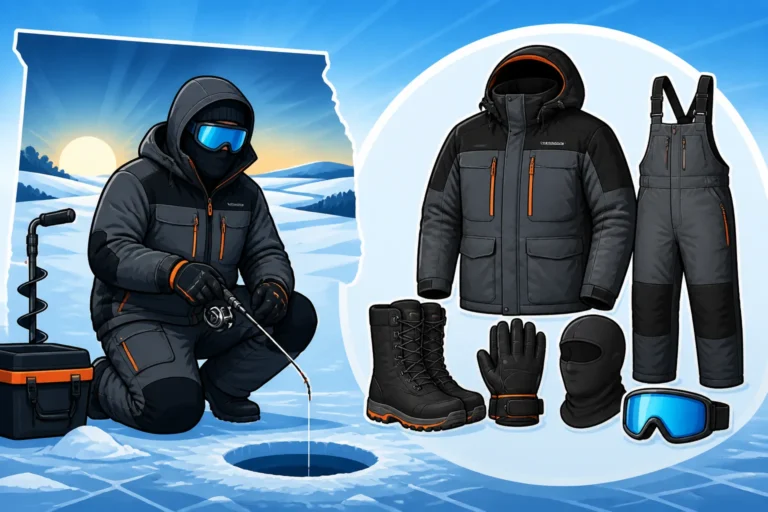
North Dakota winters are legendary for their brutal cold and biting winds. Staying warm isn't just about comfort; it's about preventing hypothermia, which can set in surprisingly quickly. The key to warmth is layering, starting with a good base layer that wicks moisture away from your skin, followed by insulating mid-layers, and finally, a waterproof and windproof outer shell. This allows you to adjust your clothing as conditions change or as your activity level varies, preventing you from sweating excessively, which can actually make you colder.
Your feet are often the first to get cold, making high-quality, insulated winter boots non-negotiable. Look for boots rated for extreme cold, often -40°F or colder, with thick soles that provide a barrier against the frozen ground. Good traction is also vital to prevent slips and falls on slick ice. Don't forget thick, wool-blend socks to complete the package. Your hands also need serious protection, as exposed skin can suffer frostbite quickly. Warm, waterproof gloves or mittens that still allow for some dexterity when handling gear are ideal. Many anglers opt for mitts for overall warmth and then have thinner, fingerless gloves or liners for handling fish or tying knots.
Finally, an ice fishing shelter provides a vital refuge from the wind and cold. Even on a relatively mild day, the wind chill on an open lake can be brutal. A good shelter, whether it's a portable pop-up or a more robust flip-over, creates a warm, comfortable space where you can focus on fishing instead of shivering. We'll dive deeper into shelters later, but for now, know that one of these is essential for extending your time on the ice and making the experience genuinely enjoyable. And don't forget to check out What to Wear Ice Fishing in North Dakota for more clothing tips.
Getting Through the Ice: Augers and Their Power Sources
You can have all the fancy rods and electronics in the world, but if you can't get a hole in the ice, you're not going fishing. The ice auger is the workhorse of ice fishing, and choosing the right one for North Dakota's often thick ice is a big decision. Hand augers are great for early season ice that's not too thick, typically under 12-18 inches, and they are lightweight and quiet. They're perfect for those quick trips or when you're targeting shallow water species and don't need many holes.
However, once the ice really thickens up, or if you plan on drilling a lot of holes or larger diameter holes for pike fishing, a powered auger becomes a necessity. Gas-powered augers have been the traditional choice, offering raw power and the ability to chew through feet of ice without breaking a sweat. They are loud and require fuel, but for serious hole-drilling, they remain a popular option. Just be mindful of exhaust fumes if you're using them inside a closed shelter.
In recent years, electric augers have taken the ice fishing world by storm. They're quiet, odorless, and incredibly efficient, powered by rechargeable lithium-ion batteries. They're lighter than most gas augers and start instantly, even in extreme cold. Many anglers are making the switch, especially those who prioritize portability and a cleaner fishing experience. The key is ensuring you have enough battery life (and maybe a spare battery) for your day's drilling needs. Ice Fishing Auger Techniques delves into the different types and how to use them effectively. Regardless of your choice, a sharp blade is paramount for efficient drilling; a dull blade will make even the best auger struggle.
Rods, Reels, and Line: Tailoring Your Tackle to North Dakota Species
Once you're warm, safe, and have a hole in the ice, it's time to think about actually catching some fish. Ice fishing isn't just miniaturized open-water fishing; it requires specialized rods, reels, and line that are designed to handle the unique challenges of fishing through a small hole in freezing temperatures. The good news is that matching your tackle to the species you're targeting can dramatically increase your success.
Rod Selection for Walleye, Perch, and Pike
Just like in open water, different fish require different rod actions and powers when ice fishing. You wouldn't use a panfish rod for a trophy northern pike, and vice-versa.
- Perch and Panfish Rods: For North Dakota's abundant yellow perch, bluegills, and crappies, you'll want light to ultra-light action rods, typically 24 to 30 inches long. These rods have very sensitive tips to detect the subtle bites of panfish, which can be incredibly light in cold water. A sensitive tip allows you to see the bite even if you don't feel it. The light action also helps protect thin lines and makes fighting even small fish a lot of fun. Brands like St. Croix and Fenwick offer excellent options that provide that crucial sensitivity without sacrificing durability. Consider checking out specific models available at outdoor retailers like Bass Pro Shops for a hands-on feel. For deeper insights, you might want to read Best Ice Fishing Rods for Perch.
- Walleye Rods: Walleye are a prime target for many North Dakota ice anglers. For these harder-fighting fish, you'll want a medium-light to medium action rod, typically 28 to 36 inches in length. These rods have a bit more backbone to handle a walleye's headshakes and to set the hook firmly in their bony mouths. The increased length also gives you better leverage and keeps your hands a bit further from the freezing water. Many anglers prefer rods with a fast action tip that transitions quickly into a stronger backbone, providing both sensitivity for detecting bites and power for the hook set. Whether you're jigging spoons or deadsticking with live bait, a good walleye rod is essential.
- Northern Pike Rods: If you're chasing North Dakota's toothy northern pike, you need serious gear. Pike rods should be medium-heavy to heavy action, often 36 to 48 inches long. These rods are built to withstand the powerful runs and aggressive fights of a big pike. Pike fishing often involves larger lures or tip-ups, so the rod needs to handle heavier baits and absorb the shock of a big strike. Durability is key here, as landing a trophy pike through a modest hole can put a lot of strain on your equipment. You'll appreciate that extra power when you're wrestling a 15-pound pike up through an 8-inch hole! For detailed recommendations, see Best Ice Fishing Rods for Northern Pike.
The Right Reel for the Job
Just as with rods, ice fishing reels come in various styles to suit different techniques and species.
- Spinning Reels: These are by far the most common type of reel used for ice fishing, especially for panfish and walleye. Small, lightweight spinning reels (sizes 500-1000) are perfect for light lines and offer smooth drag systems, which are vital when fighting fish on thin ice lines. Look for models designed to perform well in cold temperatures, as some cheaper reels can seize up. Many anglers prioritize a smooth retrieve and a reliable bail system.
- Inline Reels: Gaining popularity, particularly among panfish and finesse walleye anglers, are inline reels. These reels are designed to prevent line twist, which can be a major headache with very light jigs and small baits. The line comes off the spool in a straight line, eliminating twists and allowing your jig to drop naturally without spinning. While they typically have a slower retrieve rate than spinning reels, their line management benefits are significant for finesse presentations.
- Tip-Up Reels: For targeting larger species like northern pike or even walleye, especially when using live bait, tip-ups are incredibly effective. A tip-up isn't a rod and reel in the traditional sense; it's a device that sits over the hole with a spool of line submerged in the water. When a fish bites and pulls the line, a flag "tips up," signaling a bite. These simple mechanisms allow you to cover more ice and effectively "deadstick" multiple lines (within legal limits) while you actively fish another hole.
Line Choices: Mono, Braid, and Fluorocarbon for Cold Water
Your fishing line is the critical link between you and the fish, and in ice fishing, it faces unique challenges like extreme cold, abrasive ice edges, and visibility in clear water.
- Monofilament: Traditional monofilament line is popular due to its affordability, stretch, and good knot strength. The stretch can be an advantage, acting as a shock absorber during aggressive bites, especially for panfish. However, it can absorb water and freeze, and its memory can make it curl off the reel in cold conditions. For ice fishing, look for "ice specific" monofilament lines that are designed to resist freezing and have less memory. They typically come in clear or low-visibility colors.
- Braided Line: Braided line has zero stretch, offering incredible sensitivity to detect the lightest bites, even in deep water. It's also very strong for its diameter, allowing you to use lighter lines without sacrificing breaking strength. The downside for ice fishing is that braided line can absorb water and freeze solid, making it stiff and difficult to handle. To combat this, many anglers use a short fluorocarbon leader tied to the braided main line. This also addresses the braid's visibility in clear water. Look for "ice-specific" braids, often coated to minimize water absorption.
- Fluorocarbon: Fluorocarbon is nearly invisible underwater, making it an excellent choice for finicky fish in clear North Dakota waters. It also has very low stretch, offering good sensitivity, and is more abrasion-resistant than monofilament. Many anglers use a fluorocarbon leader with a braided main line. You can also spool your entire reel with fluorocarbon, but it tends to be stiffer and more expensive than mono. It excels in situations where stealth is paramount, such as when targeting pressured walleye or perch.
Remember to match your line weight to your target species and rod. For perch, 2-4 lb test is common. For walleye, 4-8 lb test is standard, and for pike, you might go as heavy as 10-20 lb test, often with a bite leader to prevent toothy break-offs.
| Species | Rod Action/Length | Recommended Reel Type | Recommended Line Weight | Key Line Feature |
|---|---|---|---|---|
| Yellow Perch | Ultra-Light to Light, 24-30" | Spinning (500-1000) | 2-4 lb Mono/Fluoro | Sensitive, Low Memory |
| Walleye | Medium-Light to Medium, 28-36" | Spinning (1000-2000) | 4-8 lb Fluoro/Braid+Leader | Sensitive, Strong |
| Northern Pike | Medium-Heavy to Heavy, 36-48" | Spinning (2000-3000), Tip-Up | 10-20 lb Braid+Leader | Powerful, Abrasion-Resistant |
| Crappie/Bluegill | Ultra-Light to Light, 24-30" | Spinning (500-1000), Inline | 2-4 lb Mono/Fluoro | Sensitive, Low Twist |
Finding the Fish: Electronics and Underwater Views
Back in the day, finding fish through the ice was often a game of luck and endless hole drilling. Not anymore! Modern electronics have revolutionized ice fishing, turning guesswork into a precise science. If you want to consistently catch fish on North Dakota's vast frozen lakes, investing in some form of fish-finding technology is almost a necessity.
Flashers: The Ice Angler's Best Friend
For many dedicated ice anglers, a flasher is the single most important piece of electronics they own. These units provide a real-time, instantaneous display of what's directly beneath your hole. Unlike traditional sonar that paints a historical picture, a flasher shows you your jig, fish responding to your jig, and the bottom contour as it happens. This immediate feedback is invaluable for understanding how fish are reacting to your presentation.
Flashers display information on a circular dial, with different colored segments representing the strength of the sonar return. You can see your bait descending, watch fish swim up to it, and even see how they react to different jigging motions. This direct interaction helps you fine-tune your technique, discover what presentation triggers a bite, and determine if fish are active or just curious. Brands like Vexilar and Marcum have been leaders in this technology for decades, offering various models with different power outputs, display sizes, and features. Learning to interpret the colors and signals on a flasher takes a little practice, but once you get the hang of it, it becomes an indispensable tool. For a deeper dive into these gadgets, check out Ice Fishing Electronics and Fish Finders.
Sonar Units and GPS Chartplotters for the Hard Water
While flashers excel at real-time interaction directly under your hole, traditional sonar units and GPS chartplotters offer a broader view of the underwater world and help you navigate the vast expanses of ice.
- Portable Sonar Units: Many of the same sonar units used in open water fishing are now available in portable ice fishing bundles. These units often feature liquid crystal displays (LCDs) that show a more traditional graph-style view of the water column, along with historical data. They often come with a high-resolution screen, allowing you to clearly see fish, structure, and your bait. Many of these units also incorporate mapping capabilities and GPS, which leads us to the next crucial component.
- GPS Chartplotters: North Dakota's larger lakes, like Lake Sakakawea and Devils Lake, can feel like inland oceans. Trying to find a specific hump, rock pile, or break line without GPS is like looking for a needle in a haystack. A GPS chartplotter allows you to pinpoint exact locations, mark productive spots, and navigate safely back to your vehicle or camp, even in whiteout conditions. Many units come preloaded with detailed lake maps, showing contours, depths, and underwater structure that are critical for finding fish. Some even allow you to create your own custom maps. Combining a good sonar unit with a robust GPS chartplotter gives you the ultimate advantage on unfamiliar waters, helping you spend less time searching and more time fishing. You can find excellent portable units that combine both sonar and GPS functions, often available through online retailers like Amazon or specialized outdoor stores.
Underwater Cameras: Seeing is Believing
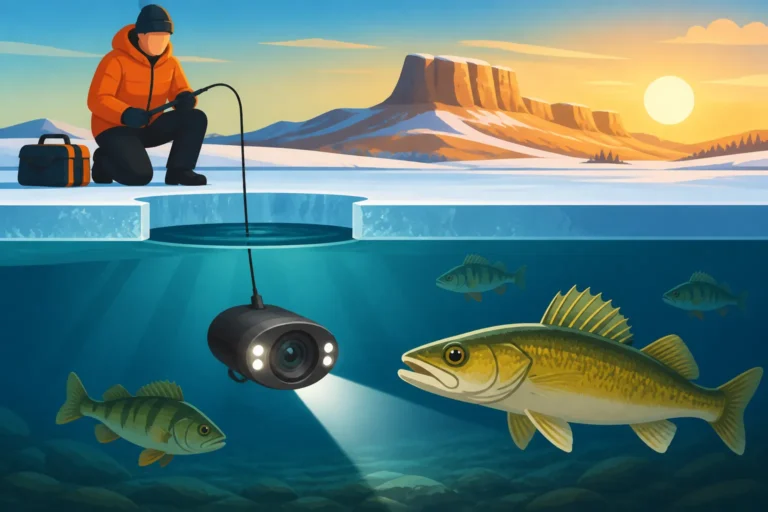
For those who love to "see" the action, underwater cameras add an exciting dimension to ice fishing. While they don't replace flashers or sonar for finding fish, they offer an unparalleled view of the underwater world. Imagine watching a curious walleye inspect your jig, or seeing a school of perch dart in and out of view. This visual feedback can be incredibly insightful.
Underwater cameras are particularly useful for:
- Fish Identification: Ever wondered what species of fish you're marking on your flasher? A camera will show you exactly what it is.
- Lure Presentation: See how your jig looks underwater. Is it getting tangled? Is it mimicking baitfish correctly? You can adjust your jigging style in real time.
- Structure Identification: Understand the bottom composition and submerged cover. Are those marks on your sonar weeds, rocks, or something else? The camera will reveal all.
- Entertainment: Let's be honest, it's just plain cool to watch fish interact with your bait. Kids especially love seeing the underwater world come alive on the screen.
While not essential for every trip, an underwater camera can greatly enhance your understanding of fish behavior and help you become a more effective angler. Modern cameras often feature infrared lighting for low-light conditions and high-definition screens for clear viewing.
Ice Shelters: Your Home Away From Home on the Ice
Spending a full day, or even several days, on the ice in North Dakota without proper shelter is an endeavor only for the truly hardy (or perhaps foolish!). An ice fishing shelter transforms a harsh environment into a comfortable, enjoyable space, allowing you to extend your fishing sessions, stay warm, and even cook a hot meal. There are several types of shelters, each with its own advantages, catering to different fishing styles and group sizes.
Portable Pop-Ups: Convenience and Mobility
Portable pop-up shelters are incredibly popular due to their balance of portability, space, and affordability. They consist of a lightweight frame covered in insulated fabric, designed to "pop up" or "fold out" quickly into a cube or hub-style shelter. Setting them up is usually a matter of minutes, even in windy conditions, though you'll definitely want to anchor them down well using ice anchors to prevent them from becoming a giant kite!
The main advantages of pop-ups are their interior space and ease of transport. When collapsed, they fit into a carry bag and can be easily thrown into a sled, the back of a truck, or even an ATV. Once set up, they offer ample room for multiple anglers, gear, and a heater. Many models feature windows, vents, and doors for comfort and convenience. They're excellent for anglers who like to move around, chasing active fish, as they can be deployed and packed away relatively quickly. However, they do require you to carry separate seating and gear inside, and setup isn't quite as instant as a flip-over. But for versatility and bang for your buck, a pop-up is hard to beat. If you're looking for something that can handle a blustery North Dakota day, consider a model like the Eskimo FatFish, known for its robust hub design. For more on handling the elements, check out Best Portable Ice Shelter for Windy Conditions.
Flip-Over Shelters: Quick Setup and Durability
Flip-over shelters, often called "sled shelters," are designed for ultimate portability and rapid deployment. These shelters are built onto a rugged sled base, which also serves as storage for your gear. When you arrive at your spot, you simply "flip" the tent portion over, and you're ready to fish in seconds. This speed is invaluable when you're jumping from spot to spot or when the weather takes a sudden turn.
Flip-overs typically come with built-in seats (often swivel seats), making them a comfortable, self-contained fishing station. The sled base is perfect for hauling your auger, electronics, heater, and tackle across the ice. When you're ready to move, just flip the top back down, and you're off. They tend to be heavier and bulkier than pop-ups when packed down, making them better suited for transport via snowmobile, ATV, or truck. However, their durability, integrated seating, and almost instant setup make them a favorite among mobile anglers and those who value efficiency. Brands like Clam and Shappell offer a wide range of sizes, from single-person units to models that comfortably fit three or four anglers. Learning Setting Up an Ice Fishing Shelter becomes a breeze with these designs.
Permanent Fish Houses: Comfort for the Long Haul
For those who treat ice fishing as a true winter cabin experience, permanent fish houses are the ultimate in comfort and convenience. These are essentially small, insulated sheds on skis or wheels that are moved onto the ice at the beginning of the season and often stay there for weeks or months (adhering to local regulations, of course, which you can read about in Fish House Registration Requirements in North Dakota). They offer amenities like bunk beds, stoves, lights, and even small generators, creating a truly luxurious base camp on the ice.
Permanent houses provide unparalleled warmth and space, allowing anglers to sleep comfortably, cook full meals, and escape the elements completely. They are ideal for extended trips, multi-day excursions, or for large groups and families. However, they require significant investment, are difficult to move (often needing a truck or ATV), and come with specific regulations regarding placement, removal dates, and identification. In North Dakota, these houses are a common sight on popular lakes like Devils Lake and Lake Sakakawea, showcasing the commitment of anglers to the sport. They truly become a "home away from home" for serious ice fishing enthusiasts.
Staying Comfortable and Organized: Heaters, Seating, and Storage
Even with the best shelter, your time on the ice will be miserable if you're cold, uncomfortable, or can't find your gear. These auxiliary items might not seem as flashy as a new auger or fish finder, but they are absolutely critical for making your ice fishing experience productive and enjoyable, especially in North Dakota's freezing temperatures.
Warming Up: Propane Heaters and Safety
A reliable portable heater is almost as essential as an auger in North Dakota's winter. Even in an insulated shelter, temperatures inside can drop quickly. Propane heaters are the most common choice for ice fishing, offering powerful and efficient heat. Brands like Mr. Heater are ubiquitous on the ice, known for their compact size, safety features, and ability to warm a shelter quickly.
When choosing a heater, consider the size of your shelter and the BTU output. A small single-burner unit might be sufficient for a one-person flip-over, but a larger, multi-burner heater will be necessary for a spacious pop-up or permanent house. Safety is paramount when using propane heaters in enclosed spaces. Always ensure proper ventilation to prevent carbon monoxide buildup. Most modern ice fishing heaters have an Oxygen Depletion Sensor (ODS) that will automatically shut off the unit if oxygen levels become too low. Still, it's wise to carry a battery-operated carbon monoxide detector for added peace of mind. Also, always have your propane tanks secure and consider insulated covers for tanks in extreme cold to ensure consistent fuel flow.
Seating and Sleds: Making the Day Enjoyable
You'll be spending hours over those holes, so comfortable seating is a must. Many flip-over shelters come with built-in bench or swivel seats, which are often padded and quite comfortable. For pop-up shelters, you'll need to bring your own. Options range from simple folding chairs to specialized ice fishing buckets with padded tops, which also double as storage. A comfortable seat reduces fatigue and allows you to focus on fishing rather than fidgeting.
A sturdy sled is indispensable for transporting your gear across the ice, especially if you're walking or using an ATV/snowmobile. Even if you have a flip-over with a built-in sled, a second utility sled can be incredibly useful for hauling extra propane, firewood (if allowed), or your catch. Look for heavy-duty plastic sleds that can withstand bumps and scrapes from ice and snow. Many come with tow ropes or attachment points for easy pulling. Using a sled organizes your gear, protects it from the elements, and prevents you from having to make multiple trips back to the vehicle. For a comprehensive look at what to haul, read up on the Essential Gear Checklist for North Dakota Fishing.
Tackle Storage and Bait Management
Keeping your tackle organized and your bait lively are crucial for a successful day. Imagine fumbling through a messy tackle box with frozen fingers when the bite is hot – not fun!
- Tackle Boxes and Bags: For ice fishing, compact, well-organized tackle boxes or soft-sided tackle bags are ideal. Many anglers prefer systems with clear, stackable utility boxes that allow them to see their jigs and lures at a glance. Dedicated compartments for different jig sizes, colors, and types (spoons, plastics, small crankbaits) save precious time. Make sure your tackle storage is durable and easy to open with cold hands. You can find a wide variety of excellent options at Bass Pro Shops or online platforms like Amazon.
- Live Bait Storage: If you're using live bait like minnows or waxworms, keeping them alive and active in freezing conditions requires special attention. A good insulated bait bucket with an aerator is essential for minnows. The aerator keeps the water oxygenated, and insulation helps maintain a stable water temperature, preventing them from freezing or getting too warm. For waxworms or spikes, small insulated containers or bait pucks work well, keeping them from freezing solid while remaining accessible. Some anglers even bring a small, soft-sided cooler with a warm pack to keep their bait at an optimal temperature.
Specialized Gear for North Dakota's Unique Challenges
North Dakota's ice fishing scene isn't just about general ice fishing; it often involves specific conditions and species that call for a bit of specialized gear. From navigating vast frozen landscapes to selecting the right lure for finicky fish, a few extra items can make a world of difference.
Navigating the Ice: Sleds, ATVs, and Snowmobiles
While walking onto the ice is always an option, especially on smaller lakes or in specific access areas, North Dakota's premier ice fishing destinations often demand more robust transportation. Covering miles of frozen lake surface to reach prime fishing spots is common, and trying to do it on foot with a full sled of gear is a recipe for exhaustion.
- Sleds and Cargo Haulers: Even if you don't have a motorized vehicle, a sturdy utility sled for hauling your gear is essential. These can be pulled by hand or hitched behind an ATV or snowmobile. Look for larger, deeper sleds if you plan on carrying a lot of gear or a large pop-up shelter. Some anglers use specialized ice fishing sleds that are designed to fit specific flip-over shelters, creating an integrated towing system.
- ATVs and Snowmobiles: For covering long distances, especially on vast lakes like Sakakawea or Devils Lake, an ATV (All-Terrain Vehicle) or snowmobile becomes incredibly valuable. They allow you to access remote areas, quickly move between spots, and carry heavier loads like permanent shanties or multiple portable shelters. When using motorized vehicles on the ice, safety is paramount. Always check ice conditions, avoid driving over cracks or pressure ridges, and adhere to all local regulations regarding vehicle use on frozen waters. Ensure your vehicle is properly maintained for cold weather operation, and always carry a repair kit and communication device.
Spoons, Jigs, and Rattle Baits: Lures That Work
The world of ice fishing lures is vast, but in North Dakota, certain categories consistently outperform others for the most popular species. Having a diverse selection in your tackle box is key to adapting to changing fish moods and water conditions.
- Jigging Spoons: These are incredibly versatile and effective for walleye, perch, and even pike. Spoons are designed to flutter and flash on the drop, mimicking injured baitfish. Different sizes, weights, and colors are important. Smaller, lighter spoons work well for perch, while heavier, larger spoons are better for deep water walleye or aggressive pike. Experiment with different jigging actions, from aggressive lifts to subtle quivers, to see what the fish prefer on any given day. Popular brands likeउत्तर VMC and Northland Tackle offer excellent ice spoons.
- Jigs (Tungsten and Lead): For finesse presentations, especially for finicky perch and panfish, small jigs tipped with live bait (like a minnow head, waxworm, or spike) or soft plastics are deadly. Tungsten jigs have become very popular because they are denser than lead, meaning a smaller jig can have the same weight, allowing it to drop faster and appear more natural. This is especially useful when fishing deeper water or when fish are holding tight to the bottom. Match the jig size to your target species and the depth you're fishing.
- Rattle Baits and Lipless Crankbaits: These lures are excellent for attracting aggressive fish from a distance. The internal rattles create noise and vibration, drawing curious walleye and pike to your hole. They are particularly effective when fish are active or when you're trying to locate fish quickly. Lipless crankbaits, like the Rapala Rippin' Rap, are also great for covering the water column and triggering reaction strikes. They tend to be heavier, allowing for a quick descent to the strike zone. Always remember to check North Dakota Fishing Regulations Explained for any specific rules regarding lure types or number of lines.
Lighting and Accessories for Day and Night Fishing
While many ice anglers focus on daytime fishing, some of the best bites, especially for walleye and catfish, can happen during the twilight hours or even after dark. Having proper lighting is crucial for safety and efficiency.
- Headlamps: A good headlamp is non-negotiable for any angler venturing out before sunrise or staying after sunset. It keeps your hands free for setting up gear, baiting hooks, or unhooking fish. Look for waterproof models with multiple brightness settings and a red light option to preserve your night vision.
- Shelter Lighting: For comfort inside your shelter, battery-powered LED lanterns or light strips are fantastic. They provide ample ambient light without generating heat or requiring an open flame. Many modern shelters come with integrated lighting systems.
- Extra Batteries and Power Packs: In freezing temperatures, batteries drain much faster than usual. Always carry spare batteries for your headlamp, fish finder, and any other electronic devices. Portable power stations (often lithium-based) are also gaining popularity, allowing you to recharge phones, auger batteries, and power electronics throughout the day. These are a game-changer for extended trips on the ice.
- Miscellaneous Tools: Don't forget essentials like needle-nose pliers or a hook remover (especially for toothy pike), a measuring tape, a cooler for your catch, and a small first-aid kit. A sharp fillet knife is also key for cleaning your catch efficiently at the end of the day.
Budgeting for Your Ice Fishing Adventures
Ice fishing, like many outdoor hobbies, can be as expensive or as affordable as you make it. The good news is that you don't need to break the bank to get started and have a great time on North Dakota's ice. It's all about making smart choices and prioritizing your purchases.
Starter Kits and Beginner-Friendly Gear
For newcomers, the idea of buying all the necessary gear can feel overwhelming. This is where starter kits and beginner-friendly gear come in handy. Many reputable brands and retailers, including large outdoor stores like Bass Pro Shops, offer packaged deals that bundle essential items like a basic rod and reel combo, a few common jigs, and maybe even a small tackle box. These kits are often designed to be cost-effective and provide a solid foundation for your first few outings.
When starting out, focus on the absolute essentials: safety gear (ice picks, spud bar), warm clothing layers, insulated boots, a simple hand auger (if ice isn't too thick), a basic rod and reel combo, and a few versatile lures like jigging spoons and small tungsten jigs. You don't need the most expensive flasher or the biggest shelter right away. You can often find decent quality used gear through local classifieds or online fishing forums, which can significantly cut down on initial costs. The goal is to get out on the ice comfortably and safely, then upgrade as your passion grows and you understand your specific needs. For more on this, consult How Much It Costs to Start Ice Fishing.
Investing in Durability: When to Spend More
While saving money is great, there are certain pieces of gear where investing in quality and durability truly pays off, especially given North Dakota's harsh conditions. These are the items that perform critical functions or are subjected to significant wear and tear.
- Insulated Boots and Outerwear: You cannot compromise on staying warm. High-quality, well-insulated, and waterproof boots and an ice fishing suit (especially one with flotation) are worth every penny. Cheap alternatives will leave you cold and miserable, potentially cutting your day short or, worse, putting your health at risk. Durable outerwear will also last for many seasons, making it a better long-term investment.
- Auger: If you plan on fishing frequently or in areas with consistently thick ice, upgrading from a hand auger to a quality gas or electric auger is a wise move. A reliable, powerful auger saves you time, effort, and frustration, especially when moving between many holes. A high-quality auger will have sharp, long-lasting blades and a dependable power source.
- Fish Finder (Flasher/Sonar): While not strictly essential for catching fish, a good fish finder dramatically improves your efficiency and success rate. Investing in a reliable flasher or a portable sonar/GPS unit will help you locate fish faster, understand their behavior, and learn new spots more effectively. This piece of gear directly impacts your ability to find and catch fish, making it a valuable investment for any serious angler.
- Shelter: If you fish regularly or in extreme conditions, a well-built, insulated shelter will provide unparalleled comfort and protection. Higher-quality shelters use more durable fabrics, stronger frames, and offer better insulation, standing up to strong winds and keeping you warmer with less propane.
DIY and Homemade Solutions
North Dakota anglers are a resourceful bunch, and there's a long tradition of "making do" or creating your own solutions. This can be a great way to save money and add a personal touch to your gear.
- Sleds: A simple plastic utility sled can often be repurposed for hauling gear. You can add dividers, rod holders, or even a cover to protect your equipment.
- Tip-Ups: While there are many commercial tip-ups available, many anglers enjoy building their own. Basic designs use wood, a spool, and a flag mechanism, and can be quite effective. This is a fun project that can save money and customize your gear.
- Seating: A 5-gallon bucket with a padded lid makes an excellent, multi-purpose seat and storage container. It's cheap, durable, and readily available.
- Modifying Existing Gear: Adding reflective tape to your shelter for visibility at night, installing LED strips inside for better lighting, or building custom rod holders for your ATV are all ways to enhance your setup without buying entirely new specialized items. Online forums and local fishing groups are great places to find inspiration and advice for DIY ice fishing projects.
Maintenance and Winterizing Your Ice Fishing Gear
After a long season of braving the cold and pulling fish through the ice, it's tempting to just toss all your gear into storage until next year. However, neglecting proper maintenance and winterization can lead to rusted reels, damaged augers, moldy shelters, and unpleasant surprises when the ice returns. A little effort at the end of the season ensures your equipment remains in top condition, ready for many more North Dakota winters.
Post-Season Cleaning and Storage
The end of the ice fishing season is the perfect time for a thorough cleaning of all your equipment. Start with your shelter:
- Shelter: Fully erect your pop-up or flip-over shelter and clean out all debris, mud, and spilled bait. If it's muddy, use a gentle hose-down and mild soap. Ensure it is completely dry before packing it away to prevent mildew and mold, which can quickly ruin the fabric and leave a horrible smell. Store it in a cool, dry place, ideally out of direct sunlight.
- Rods and Reels: Wipe down your rods and reels with a damp cloth to remove any grime or salt residue from the ice. Pay special attention to the reel's moving parts. A light application of reel oil or grease (specifically designed for fishing reels) can protect against corrosion and keep mechanisms running smoothly. Store rods vertically or in rod cases to prevent warping or damage to guides.
- Tackle: Open all your tackle boxes and let them air out. Inspect jigs and spoons for rust, especially on hooks. Replace any rusty hooks or damaged lures. Ensure everything is dry before closing up the boxes to prevent moisture from getting trapped.
- Clothing and Boots: Wash your outerwear according to the manufacturer's instructions. Ensure boots are clean and dry, perhaps even using a boot dryer. Store them in a well-ventilated area to prevent odors.
Auger Blade Sharpening and Engine Care
Your auger is a significant investment, and proper care is crucial for its longevity and performance.
- Auger Blades: Dull auger blades make drilling holes a chore and can put undue strain on your auger's engine or battery. Inspect your blades for nicks, dents, or signs of dullness. Many blades can be sharpened by a professional service or replaced entirely. Always store blades with their protective cover on to prevent damage and to protect yourself from their sharp edges.
- Gas Augers: If you have a gas-powered auger, proper engine care is paramount. Before storing it for the off-season, either run the engine completely out of fuel or add a fuel stabilizer to the gas tank to prevent fuel degradation and carburetor issues. Change the spark plug, inspect the air filter, and ensure all nuts and bolts are tight. A small engine repair shop can often perform an annual tune-up if you're not comfortable doing it yourself.
- Electric Augers: For electric augers, the key is battery care. Store lithium-ion batteries in a cool, dry place, ideally at a partial charge (around 50-70%) rather than fully charged or completely drained. Avoid storing them in extreme hot or cold temperatures, as this can degrade battery life. Periodically check the battery charge level during the off-season and top it up if needed. Clean any corrosion off battery terminals.
Shelter Repair and Fabric Protection
Your ice shelter takes a beating from wind, sun, snow, and ice. Taking the time to inspect and repair it will extend its life considerably.
- Fabric Inspection: Look for any small tears, punctures, or worn spots in the fabric. Small holes can be patched with repair kits designed for tent fabrics. Addressing these early prevents them from becoming larger, more expensive repairs. Check zippers to ensure they are clean and lubricated.
- Frame Inspection: Inspect the frame poles or hub mechanisms for any bends, cracks, or loose connections. Replace damaged poles or connectors as needed. Lubricate any pivot points on flip-over shelters.
- Anchors and Ropes: Check your ice anchors for rust or damage. Inspect ropes or straps for fraying and replace if necessary.
- Storage: Once thoroughly cleaned and dried, store your shelter in its bag, in a cool, dry location away from pests that might chew through the fabric. Storing it properly ensures it's ready for action when the first hard water of next season arrives.
Taking these steps to maintain and properly store your ice fishing gear will protect your investment, ensure its reliable performance, and guarantee that you're always ready for your next adventure on the frozen waters of North Dakota. Happy ice fishing!
Disclaimer
This article is for general informational purposes only and does not constitute professional advice. Laws, prices and regulations vary by location and change over time. Consult a qualified professional for guidance on your specific situation.