Best Boats for River Fishing in North Dakota
Heading out to fish North Dakota's incredible rivers presents a unique set of challenges and opportunities, and choosing the right boat can literally make or break your trip. From battling strong currents on the Missouri River to navigating shallow stretches of the Red River or even smaller tributaries, a generic lake boat often just won't cut it. This guide is here to help you understand the specific needs of river fishing in North Dakota and pick the perfect vessel to get you to those elusive honey holes safely and effectively, ensuring your next angling adventure is a resounding success.
Understanding North Dakota's River Fishing Challenges
River fishing in North Dakota is a beast all its own. It's not like the relatively calm waters of many lakes, where you might only worry about wind chop. Rivers bring currents, snags, varying depths, and a whole host of other considerations that require a different approach to boat selection. Ignoring these factors can lead to a frustrating, or even dangerous, day on the water.
Varied Water Conditions: Currents, Depths, and Obstacles
North Dakota's rivers are dynamic environments. The Missouri River, particularly below the Garrison Dam, is known for its strong currents and deep channels, but it also has sandbars and shallow stretches that can pop up unexpectedly. The Red River, while generally slower-moving, can carry a lot of debris, especially after heavy rains, and its muddy bottom can hide submerged logs and snags. Smaller rivers like the James or Sheyenne might have areas that are incredibly shallow, punctuated by deeper holes and swift bends.
This means your boat needs to be versatile. You might be trolling deep one moment and needing to navigate skinny water the next. A boat that drafts too deep will limit your access to prime fishing spots and increase your risk of grounding. Conversely, a boat that's too light or has a flat bottom might struggle to handle the larger currents or sudden chop, especially if a barge goes by on the Red River or heavy winds whip up on the Missouri. You're constantly balancing the need for maneuverability in tight spots with stability and power for wider, faster sections.
Species-Specific Needs and River Habitats
The type of fish you're targeting often dictates where you'll be fishing on the river, and therefore, the kind of boat you'll need. If you're chasing the massive channel catfish on the Red River, you might be anchoring in strong currents, requiring a stable platform with good anchor points. These spots often aren't super shallow, so a deeper V-hull might be okay. North Dakota Channel Catfish Fishing Guide can give you more insights here. For walleye on the Missouri, you'll likely be covering a lot of water, trolling or jigging structure, which means you need a boat capable of handling open water conditions and sometimes strong winds.
On the other hand, if you're exploring smaller tributaries for northern pike or trying to access hidden backwaters, you'll need something that can get into very shallow areas, perhaps even over submerged logs. This might mean a smaller, lighter boat, or one with a specialized propulsion system. The point is, there's no single "best" boat; it's about the best boat for your specific style of fishing and the primary species you're after in your preferred river environment.
Accessibility and Launch Points
One often-overlooked challenge of river fishing is the launch and retrieval of your boat. Many public access points on North Dakota rivers are excellent, but some might be less developed, particularly on smaller waterways. You could encounter ramps with limited depth, steep grades, or those that quickly transition to soft, muddy bottoms. This makes the draft of your boat, and even your trailer setup, incredibly important.
A boat that's easy to launch and load, especially single-handedly, can save a lot of headaches. This often favors lighter vessels that don't require deep water to float off the trailer. Additionally, if you plan to fish more remote sections, you might be looking at hand-launching options, making portability a huge factor. Consider how easy it is to manage your boat from the bank or from a small, undeveloped access point, not just from a pristine paved ramp.
Key Boat Features for River Anglers
Once you understand the challenges, it becomes easier to pinpoint the features that will serve you best. It's not just about how fast a boat goes, but how it handles, how durable it is, and what it allows you to do in diverse river environments.
Hull Design and Stability
The shape of your boat's hull is arguably the most critical factor for river fishing. A flat-bottomed hull, like those found on many classic jon boats, excels in extremely shallow water. They draw very little water, making them perfect for skinny backwaters and navigating over submerged obstacles. The downside is they can be quite unstable, especially when standing or in any kind of chop, and they tend to get pushed around by currents and wind.
V-hulls, on the other hand, offer superior stability and a smoother ride in rougher water, cutting through waves rather than slapping over them. This is great for larger rivers like the Missouri or sections of the Red River with significant boat traffic. However, a traditional deep-V will have a deeper draft, limiting access to shallow areas. A modified V-hull tries to strike a balance, offering some of the smooth ride of a V-hull but with a shallower draft, making it a popular compromise for diverse river conditions.
Material and Durability: Aluminum vs. Fiberglass
For river fishing in North Dakota, aluminum boats are often the preferred choice, and for good reason. They are generally lighter than fiberglass, making them easier to launch, retrieve, and trailer. More importantly, aluminum is incredibly durable and forgiving when it comes to accidental bumps against rocks, logs, or concrete boat ramps. Dents are far more common than punctures, and they're often easier to repair than fiberglass damage. This robustness is a huge advantage when you're navigating unpredictable river environments with hidden hazards.
Fiberglass boats, while offering a smoother, quieter ride and often more complex hull designs for specific performance, are more susceptible to gel coat chips and structural damage from impacts. Repairs can be more involved and costly. While a well-built fiberglass boat can certainly handle bigger river sections, especially on the Missouri River, many river anglers prioritize the ruggedness and lower maintenance of aluminum for the knocks and scrapes that are inevitable.
Propulsion Systems: Outboards, Jet Drives, and Trolling Motors
Your engine choice is paramount for river fishing. A standard propeller-driven outboard is the most common and efficient choice for deeper water. However, props are extremely vulnerable to damage from shallow water, rocks, and submerged logs. A prop strike can ruin your day, or even your engine.
This is where jet drives shine. A jet drive replaces the propeller with an impeller inside a housing, sucking water in and shooting it out the back to create thrust. This allows the boat to operate in incredibly shallow water, often just inches deep, because there's nothing hanging below the hull to strike. This is a game-changer for accessing shallow rapids, sandbars, and tight bends that prop boats can't reach. The downside is they are less fuel-efficient, have less reverse thrust, and typically require a larger horsepower engine to achieve the same speed as a prop boat. But for ultimate shallow-water river access, a jet drive is hard to beat.
Finally, an electric trolling motor is almost indispensable for precise boat control, particularly when fishing current seams or working specific structure. A bow-mount, foot-controlled trolling motor allows you to hold your position, slowly drift, or navigate quietly without spooking fish. For river fishing, look for models with higher thrust ratings to combat the current effectively. Best Trolling Motors for North Dakota Lakes goes into more detail on selecting these crucial pieces of equipment.
Top Boat Types for North Dakota River Fishing
With the challenges and key features in mind, let's look at the specific boat types that are most popular and effective for navigating North Dakota's rivers. Each has its strengths and weaknesses, making them suitable for different angling styles and river conditions.
Jon Boats and Utility V-Hulls
When you think "river fishing boat" in many parts of the country, the classic jon boat often comes to mind, and for good reason. Their flat bottom design allows them to glide over incredibly shallow water, making them perfect for skinny tributaries, backwaters, and tight spots where other boats simply can't go. They are typically aluminum, highly durable, and relatively inexpensive, making them an excellent choice for anglers who prioritize ruggedness and accessibility over comfort or speed. Many serious river fishermen have a jon boat in their arsenal for those hard-to-reach spots.
A step up from a purely flat-bottomed jon boat is a utility V-hull aluminum boat. These often have a slight V in the bow that flattens out towards the stern, or a modified V throughout. This design offers a better ride in light chop and improved stability compared to a pure flat bottom, while still maintaining a relatively shallow draft. They are fantastic all-around workhorses for medium-sized rivers or for anglers who split their time between rivers and smaller, calmer lakes. You can often find a great selection of these robust boats at retailers like Bass Pro Shops.
River-Specific Jet Boats
For those truly committed to exploring the most challenging and shallow sections of North Dakota's larger rivers, a dedicated jet boat is often the ultimate solution. These boats are specifically designed with reinforced hulls, often aluminum, and are powered by a jet drive system that eliminates the exposed propeller. This allows them to run safely in water only inches deep, easily traversing rocky rapids, sandbars, and shallow stretches that would destroy a prop.
Many jet boats also feature a "tunnel hull" design, which creates a channel for the jet intake, further protecting it from impact and allowing even shallower operation. While they may not be as fuel-efficient or as fast as a prop boat of equivalent horsepower in deep water, their ability to unlock vast stretches of previously inaccessible river makes them invaluable for certain types of fishing, especially for species like sauger and walleye in rocky, fast-flowing areas. These are often specialized purchases, and it's worth checking with dealers who specialize in river craft.
Deep-V Walleye Boats
While often associated with large lakes like Sakakawea or Devils Lake, deep-V walleye boats definitely have a place on North Dakota's bigger rivers, particularly the Missouri River and the wider, deeper sections of the Red River. Their deep-V hull design is engineered to cut through waves and provide a stable, dry ride in choppy conditions, which can frequently occur on these larger waterways due to wind or commercial traffic. If you're planning extended trips, covering large expanses of water, or fishing in less-than-ideal weather, the comfort and capability of a deep-V is a huge advantage.
These boats are typically larger, ranging from 17 to 20+ feet, and come equipped with powerful outboards, ample storage, livewells, and advanced electronics. They provide an excellent platform for trolling with multiple lines (remembering North Dakota's "How Many Lines Can You Fish With in North Dakota?" rules) or jigging vertical structure. The trade-off, of course, is their deeper draft, which will limit your access to very shallow side channels or skinny backwaters. However, for serious walleye and salmon anglers on the main stems of the biggest rivers, a deep-V is often the boat of choice.
Fishing Kayaks and Canoes
For the ultimate in stealth, shallow-water access, and a truly immersive fishing experience, fishing kayaks and canoes are increasingly popular options for North Dakota's rivers. They can be hand-launched from virtually anywhere, allowing access to pristine, unpressured water that larger boats simply cannot reach. Their quiet operation is fantastic for sneaking up on wary fish, and they offer a unique perspective on the river environment.
Modern fishing kayaks are incredibly stable, often featuring wide platforms and pedal-drive systems that allow for hands-free propulsion, leaving your hands free to fish. They're excellent for exploring small creeks, back channels, and even larger rivers where you want to slowly work a shoreline or current seam. While they don't offer the speed or carrying capacity of a powerboat, their portability and ability to get into the tightest spots make them indispensable for many river anglers. When looking for accessories or specialized rigging for kayaks, many anglers turn to online retailers like Amazon. Best Kayaks for River Current can help you choose the right model.
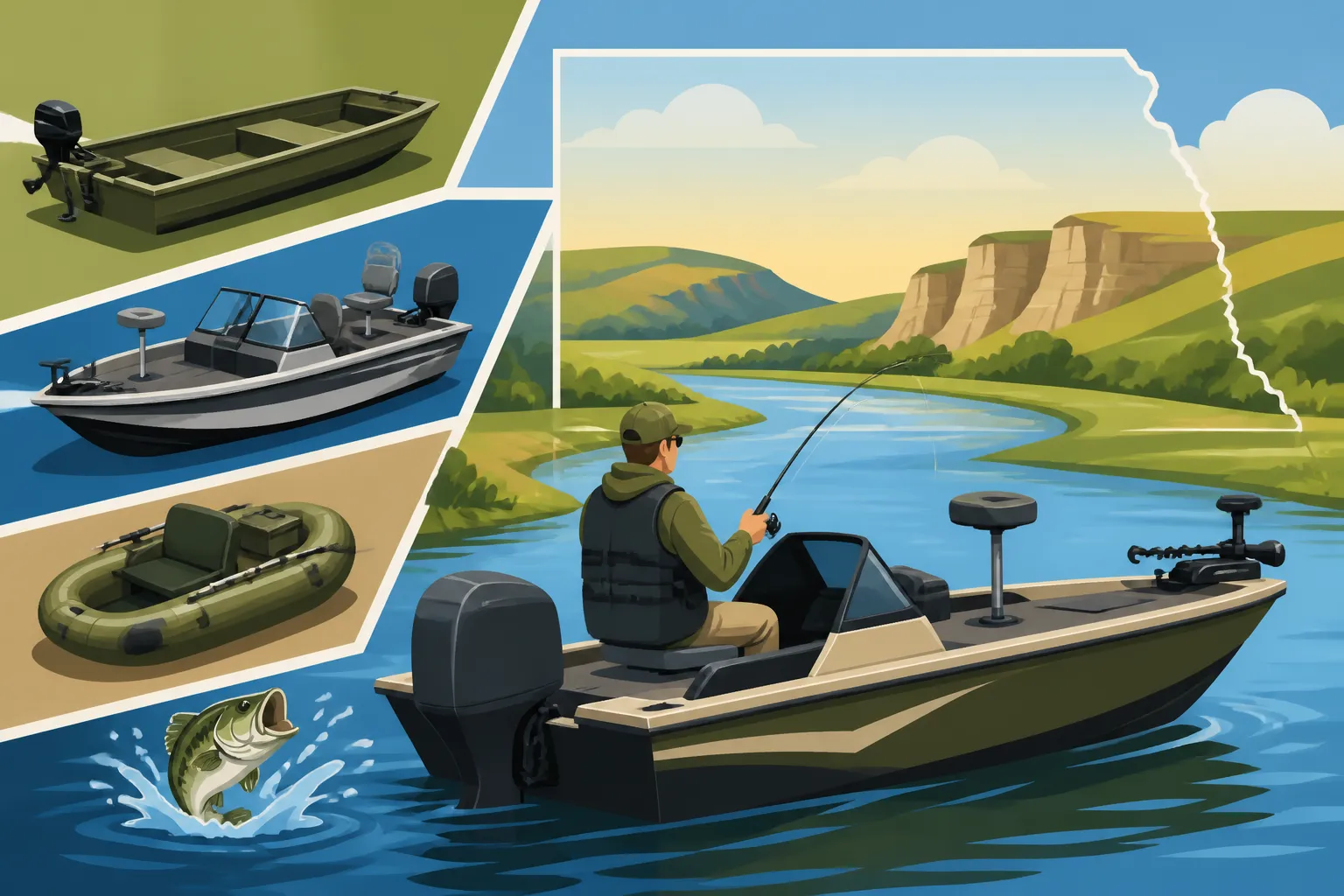
| Boat Type | Primary River Use | Pros | Cons |
|---|---|---|---|
| Jon Boat | Shallow tributaries, backwaters, skinny water | Extremely shallow draft, durable, affordable, easy to launch | Unstable in chop, susceptible to current, limited storage/comfort |
| Utility V-Hull | Medium-sized rivers, diverse conditions | Good balance of draft and stability, durable, versatile | Not as shallow as jon boat, not as smooth as deep-V in big chop |
| River Jet Boat | Shallow, rocky rapids, extreme shallow water | Unmatched shallow water access, no exposed prop | Less fuel efficient, less reverse thrust, higher initial cost |
| Deep-V Walleye Boat | Main stem Missouri, wider Red River sections | Excellent stability, smooth ride in chop, ample storage/power | Deep draft limits shallow access, heavier, higher cost |
| Fishing Kayak/Canoe | Small creeks, quiet backwaters, stealth fishing | Ultimate shallow access, portable, stealthy, affordable | Limited speed, capacity, and range; weather dependent |
Important Considerations Beyond the Boat
Selecting the actual boat is just one piece of the puzzle. To truly maximize your river fishing experience in North Dakota, you need to think about how you'll get it there, what gear will go with it, and how you'll keep it in top shape.
Trailer and Transport
Even the best river boat is useless if you can't get it to the water safely and efficiently. A sturdy, reliable trailer is absolutely essential. For river fishing, where launch ramps might be less than ideal – perhaps steeper, shorter, or ending in soft mud – having a trailer that allows for easy launch and retrieval is paramount. Features like guide bunks, rollers, and an extendable tongue can make a huge difference.
Furthermore, consider the size and weight of your boat and trailer combination in relation to your tow vehicle. You want to ensure you have enough towing capacity and that the trailer handles well on potentially rough gravel roads leading to more remote access points. Regularly check your trailer tires, lights, and bearings, especially if you're frequently traveling long distances or over bumpy terrain. Don't forget to factor in North Dakota Boat Registration Requirements and ensuring your trailer is properly registered and road-legal.
Essential Accessories
No fishing boat is complete without the right accessories. For river fishing, a few items move from "nice-to-have" to "must-have."
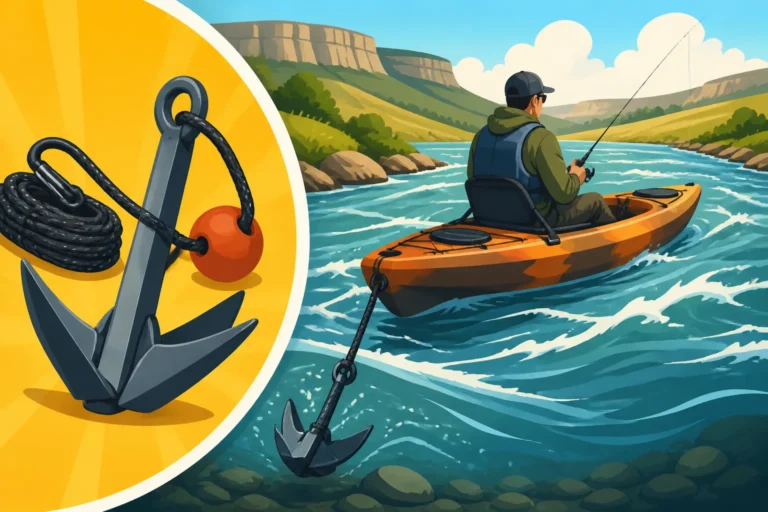
- Anchoring System: Rivers require robust anchoring. A good river anchor (like a box or Richter anchor) that can dig in and hold against current, along with plenty of anchor rope and chain, is critical for holding position. You might even consider a dual anchoring system for precise boat control in heavy current.
- Electronics: A reliable fish finder with GPS is invaluable for identifying submerged structure, tracking depth changes, and marking productive spots. For the Missouri River, a good chartplotter can help you navigate vast expanses of water and find hidden contours.
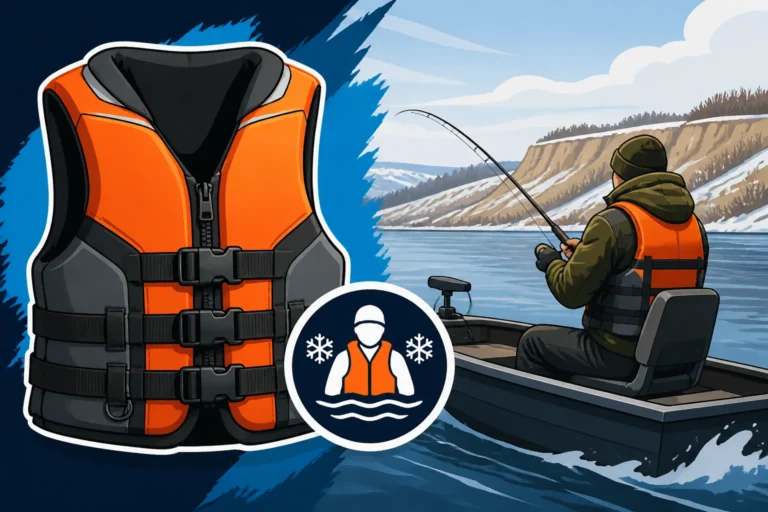
- Safety Gear: Beyond the legally required items, always have extra life jackets (especially good ones for cold water, see Best Life Jackets for Cold Water Fishing), a throw cushion, a first-aid kit, and a fully charged cell phone. The river can be unpredictable, and safety should always be your top priority.
- Rod Holders: Whether you're trolling for walleye or dead-sticking for catfish, quality rod holders are a convenience that quickly becomes a necessity.
- Waders and Boots: For those moments you need to step out of the boat in shallow water, a good pair of waders can save you from a cold, wet day. Best Waders for Shore Fishing offers some great advice.
Maintenance and Storage
River fishing can be tough on equipment. Mud, sand, and submerged debris can take their toll. Regular cleaning of your boat's hull, particularly if you've been in muddy or silty water, is important. For jet drive owners, carefully inspecting the intake grate and impeller for debris after each trip is crucial.
Winterization is also a huge consideration in North Dakota. Protecting your engine from freezing temperatures is paramount. This typically involves stabilizing fuel, changing oil, fogging the engine, and draining water from cooling systems. Proper storage, whether indoors or covered outdoors, will extend the life of your boat and prevent weather damage. How to Winterize a Boat Motor offers more detailed steps for ensuring your boat is ready for the spring thaw. Don't forget that if you cross state lines, you'll need to be mindful of Aquatic Nuisance Species Rules for Boaters to protect North Dakota's waterways.
Matching Your Boat to Specific North Dakota Rivers
North Dakota's rivers, while all sharing the "river" designation, are incredibly diverse. What works perfectly on one might be a hindrance on another. Understanding these nuances helps tailor your boat choice even further.
The Red River: Catfish and Current
The Red River of the North, forming much of North Dakota's eastern border, is famously known for its colossal channel catfish. Fishing here often means anchoring in significant current, usually in deeper holes or along outside bends. For this, stability is key. A sturdy utility V-hull or even a deep-V aluminum boat provides the stable platform needed to manage heavy tackle, large catfish, and the sometimes-strong currents. Because of the often turbid water and potential for submerged debris, the durability of an aluminum hull is a big advantage.
While the Red River is generally free of major rapids, sudden drops in depth or submerged logs are common. A prop boat can work perfectly fine here, but always be vigilant. Jet drives are less common on the Red, but not unheard of, especially if you plan to explore very shallow areas of feeder creeks. Red River Catfish Fishing Spots in North Dakota will point you to some prime locations where a well-equipped boat can make all the difference.
The Missouri River System: Walleye, Big Water, and Current
The Missouri River in North Dakota, particularly the stretches below Garrison Dam and through Bismarck, offers a completely different experience. This is big water, with strong currents, deep channels, and the potential for significant wind-blown chop. Here, the comfort and capability of a deep-V walleye boat really shine. They can handle the open water, allow for effective trolling with crankbaits or bottom bouncers, and provide a stable platform for jigging the many ledges and humps.
However, the Missouri also has extensive shallow sandbars, back channels, and rocky stretches, especially further upstream or in areas like the Garrison Dam tailrace. This is where a jet boat becomes invaluable, allowing access to incredibly productive walleye and sauger water that prop boats can't safely navigate. Many serious Missouri River anglers own both a deep-V for the main lake-like sections and a smaller jet boat for specific shallow-water areas. Missouri River Fishing Below Garrison Dam in North Dakota details some excellent spots where boat choice is critical.
Smaller Tributaries and Remote Waterways
North Dakota is crisscrossed by numerous smaller rivers and creeks like the James, Sheyenne, and Little Missouri. These waterways are often characterized by fluctuating water levels, narrower channels, frequent snags, and very shallow sections. For these environments, simplicity and shallow draft are paramount.
This is where the classic aluminum jon boat or a very small utility V-hull comes into its own. They are light, easy to maneuver, and can be paddled or powered by a small outboard through incredibly tight spots. Fishing kayaks and canoes also excel here, offering the quiet approach needed to target wary fish in intimate settings. You might encounter beaver dams or fallen trees that require portaging, making a lighter, more manageable craft essential. The focus here is less on speed and power, and more on stealth and access.
Disclaimer
This article is for general informational purposes only and does not constitute professional advice. Laws, prices and regulations vary by location and change over time. Consult a qualified professional for guidance on your specific situation.