Best Tackle Boxes for Walleye Anglers
There's nothing quite as frustrating as finally getting to your favorite North Dakota walleye spot, the bite is on, and you realize your tackle box is a chaotic mess. You're fumbling for that perfect jig or crankbait, lines are tangled, and precious minutes — and fish — are slipping away. This guide is all about helping you cut through that clutter, making sure your tackle is organized, accessible, and ready for whatever those North Dakota walleye throw at you, maximizing your time on the water.
The Frustration of Disorganized Tackle: Why a Good Tackle Box Matters for Walleye Anglers
We've all been there, right? You're out on the boat, maybe on a windy day on Lake Sakakawea, and the walleye are just starting to hit. You know exactly what lure you need—that specific color jig or a particular crankbait size. But then you open your tackle box, and it's like a small explosion of hooks, weights, and plastics. Everything's tangled, compartments are overflowing, and you spend five agonizing minutes trying to extract the one thing you need while the fish move on. It’s not just an inconvenience; it can genuinely impact your success and enjoyment. A good tackle box isn't just a container; it's an extension of your fishing strategy, keeping your arsenal at your fingertips.
The Walleye Angler's Unique Gear Challenge
Walleye fishing, especially here in North Dakota, often demands a diverse array of tackle. Think about it: you might be jigging in deep structure one day, trolling crankbaits across open water the next, or slip-bobbering a leeches over a weed line. Each technique calls for specific lures, different weights, various hook sizes, and a whole host of terminal tackle. You're not just carrying a handful of worms and bobbers; you're often lugging around a small hardware store. Trying to cram all these specialized items into a generic, poorly organized box is a recipe for disaster. The sheer volume and variety of gear necessary for North Dakota Walleye Fishing Guide make organization paramount.
It’s not uncommon to have dozens of crankbaits, all in different colors and diving depths, an assortment of jigs ranging from tiny 1/16th ounce to heavy 1-ounce options, various soft plastics, spinner rigs, bottom bouncers, and a never-ending supply of swivels, snaps, and hooks. If these aren't meticulously organized, you waste valuable fishing time untangling, searching, and re-rigging. Imagine trying to find that specific perch-colored crankbait you know they're biting on when it's buried under a pile of spinnerbaits and a tangle of fluorocarbon leaders. It's enough to make you throw your hands up in exasperation!
Beyond Just Storage: Efficiency on the Water
A truly effective tackle box isn't just about holding your gear; it's about making you a more efficient angler. When every jig, every leader, and every tool has its place, you can quickly grab what you need, make the change, and get your line back in the water. This rapid response can be the difference between catching a limit and coming up short, especially during those hot bite windows that can be fleeting. Whether you're fighting the wind on Devils Lake or trying to stay on a moving school of fish on the Missouri River, every second counts.
Consider the mental game, too. There's a certain peace of mind that comes with knowing exactly where everything is. You're not stressed, you're not searching, and you're not frustrated. You can focus entirely on reading the water, feeling the bite, and executing your technique. This mental clarity can often translate into better decision-making and, ultimately, more fish in the net. Plus, proper storage helps protect your investment. Those expensive crankbaits and delicate jigs won't get bent or damaged when they're neatly separated, extending their lifespan and saving you money in the long run.
Types of Tackle Boxes: Finding Your Perfect Match for North Dakota Walleye
The world of tackle storage has evolved far beyond the classic green metal box your grandpa might have used. Today, you have a wealth of options, each with its own strengths and ideal uses. The "best" tackle box for you will depend heavily on your fishing style, the specific walleye techniques you employ, and whether you're fishing from shore, a kayak, or a big boat. Understanding the different types is the first step to finding your organizational nirvana.
Classic Tray Boxes: The Go-To for Many
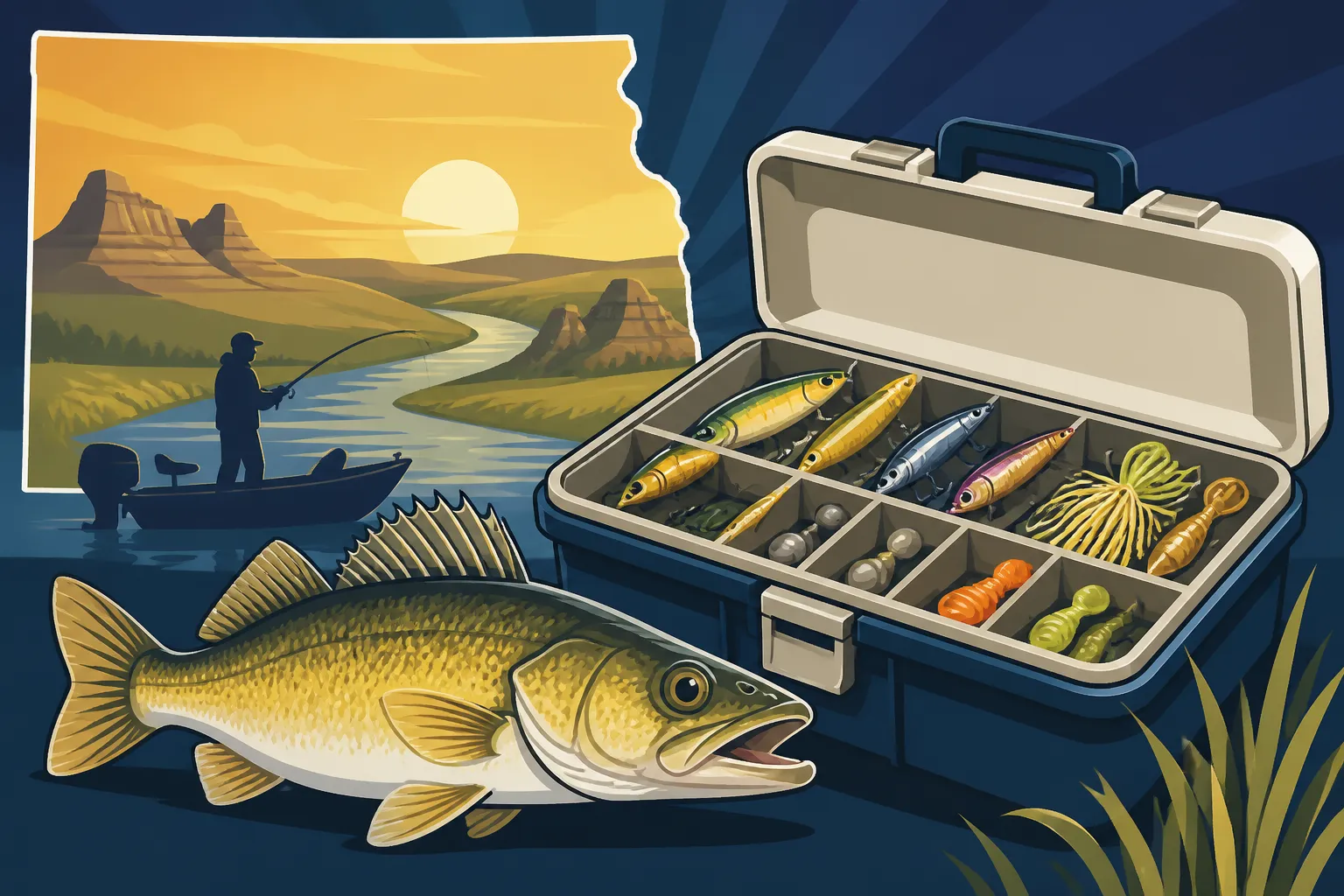
When most people picture a tackle box, they think of the classic cantilever tray box. These typically feature a large open bottom compartment with several smaller trays that "cantilever" or swing out when you open the lid. They are incredibly popular for a reason: they offer excellent visibility of your smaller items and are generally quite durable. Many models are made from rugged plastic, designed to take a beating, which is definitely a plus when you're out on the water in North Dakota, sometimes dealing with choppy waves or rough terrain.
The main advantage of these boxes is how easily you can see and access your smaller items like jigs, swivels, and hooks. The trays keep everything separated, preventing the dreaded "tangle monster" from appearing. However, they can sometimes be a bit bulky and less customizable than other options. You're often stuck with the compartment sizes provided, which might not perfectly fit all your specialized walleye crankbaits or larger tools. But for many anglers who appreciate simplicity and straightforward access to a wide array of smaller tackle, the classic tray box remains a solid, reliable choice, and you can find many great options at stores like Bass Pro Shops.
Soft-Sided Bags: Portability and Protection
Soft-sided tackle bags have exploded in popularity, and it's easy to see why. These bags are typically made from durable, water-resistant fabrics and are designed to hold multiple plastic utility boxes (often called 3600 or 3700 series boxes, referring to their dimensions). The beauty of these bags lies in their modularity and portability. You can load each utility box with specific categories of tackle – one for jigs, one for crankbaits, one for soft plastics, and so on. This makes it incredibly easy to swap out boxes depending on what you're targeting or where you're fishing.
Beyond the internal utility boxes, soft-sided bags often feature numerous external pockets, perfect for pliers, line cutters, leader material, and even personal items like your phone or keys. Many also come with padded shoulder straps, making them much more comfortable to carry if you're hiking to a remote fishing spot or navigating a crowded boat ramp. The flexibility to grab just one or two utility boxes for a quick trip, or load up the whole bag for a full day on Lake Sakakawea Fishing Guide for North Dakota Anglers, is a huge benefit. Just be sure to look for models with sturdy zippers and robust construction to stand up to the elements.
Specialty Systems: Backpacks and Crate Systems
For anglers who need even more specialized storage, there are backpack tackle systems and crate systems. Backpack tackle bags are essentially soft-sided bags designed to be worn on your back, freeing up your hands for carrying rods or navigating tricky terrain. These are phenomenal for shore anglers, kayak fishermen, or anyone who needs to cover a lot of ground to reach their fishing spot. Many models have designated rod holders, external tool sheaths, and multiple compartments for utility boxes. If you're planning a day of exploring various shore access points along the Missouri River Fishing Guide, a tackle backpack is an excellent companion.
Crate systems, often used in conjunction with milk crates or specialized fishing crates, are popular among kayak and small boat anglers. These systems use the open nature of a crate to hold multiple utility boxes, often stacked vertically, and can be accessorized with rod holders, cutting boards, and even small cooler attachments. The beauty is their open-top access and how easily they can be secured to a kayak or small jon boat. They allow for quick visual inspection and retrieval of gear, which is critical when space is limited. Each of these specialty systems targets a specific need, proving that one size definitely does not fit all in the world of tackle storage.
Key Features to Look for in a Walleye Tackle Box
Choosing the right tackle box isn't just about picking a type; it's about scrutinizing the features that will make your walleye fishing experience better. North Dakota's diverse fishing environments, from vast reservoirs to smaller rivers, demand tackle boxes that can handle a range of conditions and keep your specialized walleye gear organized and protected. You want something that's not just a holder but a true partner in your angling adventures.
Durability and Water Resistance: Withstanding North Dakota Weather
If you've spent any time fishing in North Dakota, you know the weather can change on a dime. A sunny, calm morning can quickly turn into a windy, rainy afternoon, sometimes even bringing a rogue wave crashing over the bow of your boat on Devils Lake Fishing Guide for North Dakota Anglers. Your tackle box needs to be tough enough to handle these conditions. Look for models made from heavy-duty, impact-resistant plastics for hard-sided boxes, or robust, water-resistant fabrics (like denier nylon or polyester) with reinforced stitching for soft-sided bags.
Equally important is water resistance. While few tackle boxes are truly submersible, many offer excellent protection against splashes, spray, and light rain. Look for features like O-ring seals on hard cases or waterproof zippers and rain flaps on soft bags. Nothing is worse than opening your tackle box after a unexpected downpour to find rusted hooks and waterlogged soft plastics. Investing a little more in a durable, water-resistant box will protect your valuable tackle and save you money in replacements down the line.
Customization and Organization: Keeping Walleye-Specific Lures Tidy
Walleye anglers carry a lot of specialized gear. Jigs, crankbaits, spinner rigs, bottom bouncers, soft plastics – the list goes on. A good tackle box needs to offer flexible and customizable storage options to keep all these different items neatly separated and easily accessible. For hard-sided boxes, this often means adjustable dividers in the trays or main compartment. For soft-sided bags, it's all about the utility boxes.
Look for utility boxes (often sold separately or included with the bag) that have removable or adjustable dividers. This allows you to create custom-sized compartments for everything from tiny tungsten jigs to larger deep-diving crankbaits. Some specialized utility boxes even feature rounded bottoms to better hold specific items like spinnerbaits or integrate specific storage for pre-tied leaders. The goal is to prevent hooks from tangling, soft plastics from melting together, and to keep similar items grouped so you can grab what you need without a second thought. Brands like Plano, for example, are well-known for their diverse range of customizable utility boxes.
Size and Portability: Matching Your Fishing Style
The "right" size and portability of your tackle box are entirely dependent on how and where you fish. If you primarily fish from a large boat with plenty of storage space, you might opt for a larger, multi-compartment hard-sided box or a big soft-sided bag that can hold a vast arsenal. You're not worried about carrying it long distances.
However, if you're a shore angler, a kayaker, or someone who frequently moves between spots, portability becomes a critical factor. A lightweight tackle backpack or a smaller soft-sided bag with a comfortable shoulder strap would be much more practical. For ice fishing, you might even consider a specialized bucket organizer or a smaller box designed to fit within an ice sled. Think about the physical dimensions, the weight when fully loaded, and how easily you can transport it to and from your fishing destination. A general rule of thumb: it's better to have a slightly smaller, well-organized, and easily portable box that you actually bring with you than a giant, cumbersome one that you leave in the garage.
| Feature | Classic Tray Box | Soft-Sided Bag | Tackle Backpack |
|---|---|---|---|
| Primary Advantage | Excellent visual access to small items | Modular, portable, customizable | Hands-free transport, excellent for mobility |
| Durability | Very durable hard plastic | Durable fabric, typically water-resistant | Durable fabric, often reinforced |
| Water Resistance | Good for splashes (O-ring seals) | Good for splashes (water-resistant fabric/zippers) | Good for splashes (water-resistant fabric/zippers) |
| Customization | Limited (fixed tray compartments) | High (interchangeable utility boxes) | High (internal utility boxes, external pockets) |
| Portability | Can be bulky, carry handle | Easy to carry (shoulder strap), less rigid | Excellent (worn on back), often has tool holders |
| Best For | Boat, dock, or bank fishing with stable setup | Boat, bank, general versatile use | Shore, kayak, hiking to spots, mobile anglers |
| Typical Walleye Gear | Jigs, terminal tackle, small crankbaits | Everything (with dedicated utility boxes) | Everything (with dedicated utility boxes) |
Organizing Your Walleye Tackle Box Like a Pro
Having the right tackle box is only half the battle; knowing how to organize it effectively is where the real magic happens. A well-organized tackle box saves you time, reduces frustration, and ensures your gear is always ready for action. It's about more than just throwing everything in; it's about strategic placement and thoughtful categorization, especially when you consider the varied techniques covered in North Dakota Walleye Fishing Techniques.
Essential Walleye Lures and Terminal Tackle
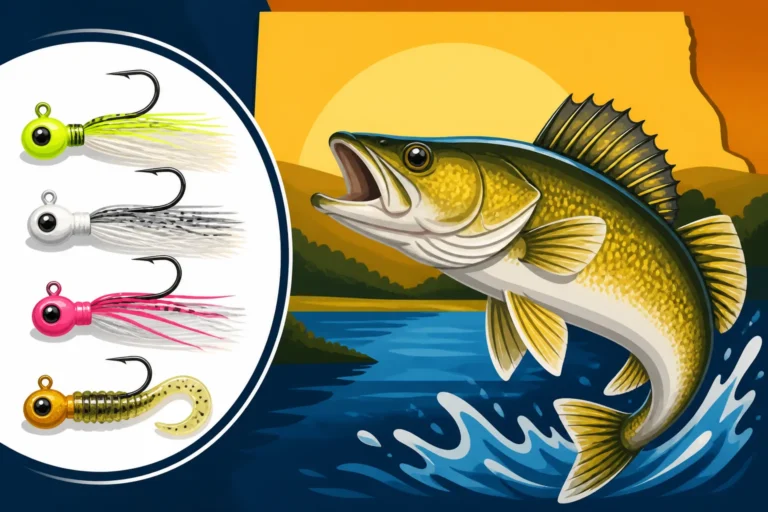
Before you even start organizing, take stock of your walleye arsenal. What are your absolute must-haves for a typical North Dakota walleye outing? For many, this includes a solid selection of jigs (jig heads, hair jigs, bucktail jigs), a variety of soft plastics (paddle tails, curly tails, minnow imitations), an array of crankbaits (diving crankbaits, shallow runners, trolling plugs), spinner rigs, bottom bouncers, and plenty of terminal tackle like swivels, snaps, leader material, and hooks in various sizes. Don't forget essential tools like pliers, line cutters, and a hook remover.
When organizing, dedicate specific utility boxes or compartments to categories. For example, all your jigs might go in one box, sorted by weight or color. Crankbaits can go in another, perhaps with adjustable dividers separating them by diving depth or body style. Soft plastics are often best kept in their original bags to prevent colors from bleeding and then grouped by type or color in a larger compartment or bag. Keep your most frequently used terminal tackle – like your everyday swivels and hooks – in an easily accessible top tray or a small, dedicated utility box within your soft-sided bag. This way, you're not digging for the basics when you need them most.
Seasonal Setup Strategies
Walleye fishing changes with the seasons, and so too should your tackle box organization. What works for early spring walleye might not be ideal for mid-summer or fall. For instance, in early spring, when walleye are often shallow and lethargic, you might be relying heavily on lighter jigs and small plastics. Your box should reflect this, with these items taking precedence and being immediately accessible. As the water warms, you might transition to more trolling with crankbaits or fishing deeper structure with bottom bouncers. Your tackle box should then be re-prioritized, bringing those lures to the forefront.
For the North Dakota Fall Fishing Guide, walleye start gorging themselves for winter, and larger crankbaits or larger jigging spoons might come into play. Having a "seasonal rotation" of your utility boxes can be incredibly efficient. Keep your off-season tackle neatly stored in separate bins at home, and simply swap out the relevant utility boxes into your main tackle bag as the fishing patterns change. This keeps your on-the-water tackle light, focused, and free of unnecessary clutter.
Maintaining and Streamlining Your Gear
A tackle box isn't a "set it and forget it" kind of thing. Regular maintenance and streamlining are crucial for long-term organization and effectiveness. After every trip, take a few minutes to clean up your gear. Remove any wet lures, dry them thoroughly to prevent rust, and return them to their proper compartments. Check your hooks for dullness or rust and replace them as needed. This simple post-fishing routine will save you a lot of headaches later.
Periodically, perhaps once a month or before a major fishing trip, do a full inventory. This is your chance to get rid of lures you never use, consolidate duplicate items, and restock anything you're low on. If you've got a pile of old, mangled soft plastics, toss them. If that one crankbait has sat in your box for two years without ever seeing the water, consider leaving it at home or donating it. The goal is to keep only the tackle that you genuinely use and trust, making your tackle box a lean, mean, walleye-catching machine. Think of it as a constant process of refining your fishing arsenal.
Top Considerations for Different Walleye Fishing Scenarios
North Dakota offers a fantastic variety of walleye fishing opportunities, from vast reservoirs to intimate rivers, and each scenario often calls for a slightly different approach to tackle management. Whether you're casting from the bank, paddling a kayak, or cruising in a powerful boat, your tackle box needs to support your method, ensuring your gear is not only organized but also optimally suited for the situation at hand.
Shore Angling and Kayak Fishing
When you're fishing from the shore or a kayak, portability and space efficiency are paramount. You can't lug around a massive, multi-tray box. For shore anglers, especially those who like to walk and cast at different spots, a tackle backpack is a game-changer. It keeps your hands free, distributes weight comfortably, and often has dedicated pockets for water bottles, a small first-aid kit, and other essentials. You'll typically stock it with 2-4 utility boxes containing your most versatile walleye jigs, Best Jigs for North Dakota Walleye, plastics, and a few go-to crankbaits.
For kayak anglers, the challenge is similar but with an added twist: securing your gear. A soft-sided bag that fits snugly behind your seat or in a storage hatch is ideal. Many kayak anglers also use dedicated crate systems that can be lashed down, offering quick access to utility boxes and often incorporating rod holders. Waterproofing is even more critical here, as kayaks are prone to splashes. Consider durable, marine-grade bags or utility boxes with secure latches. You'll want to focus on a compact selection of lures, perhaps prioritizing lighter jigs for vertical jigging or smaller crankbaits for casting, ensuring you have enough variety without overwhelming your limited space. Best Kayaks for North Dakota Fishing are often designed with specific tackle storage in mind.
Boat Fishing on Big Lakes like Sakakawea
If you're fortunate enough to fish from a larger boat on expansive waters like Lake Sakakawea or Lake Oahe, your tackle box strategy shifts. You have more space, which means you can carry a broader selection of tackle. This is where larger soft-sided bags, capable of holding 6-8 utility boxes, really shine. You can dedicate entire boxes to specific techniques or lure types that might be less practical for shore fishing. For example, one box solely for deep-diving crankbaits, another for bottom bouncers and spinner rigs, and yet another for your various trolling weights and snap weights.
While space is less of an issue, organization on a moving boat is still crucial. You don't want loose tackle rolling around or bags sliding all over the deck. Look for bags with non-slip bottoms or consider using bungee cords to secure your main tackle bag. Having a dedicated "active" tackle box or utility tray that sits near your casting deck or trolling station, containing the lures you anticipate using right now, can be incredibly efficient. This prevents constant trips to the main tackle storage area, keeping your focus on the fish. For those long days out, make sure your primary bag is robust enough to handle heavy loads and frequent access.
Ice Fishing for Walleye
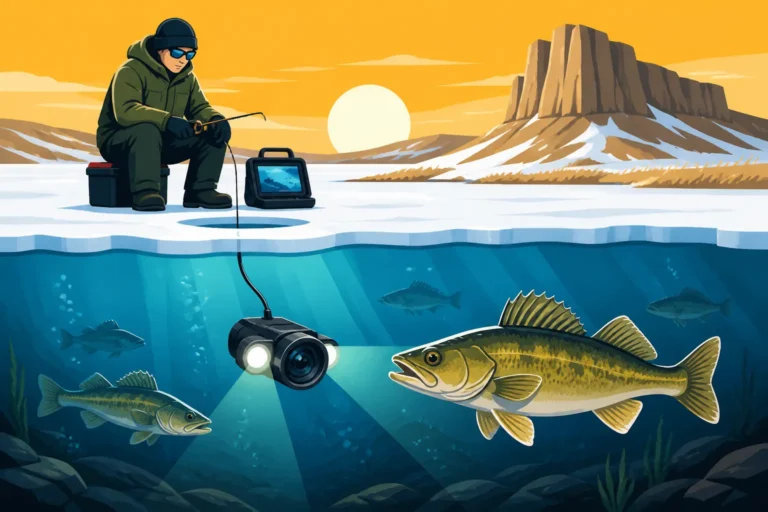
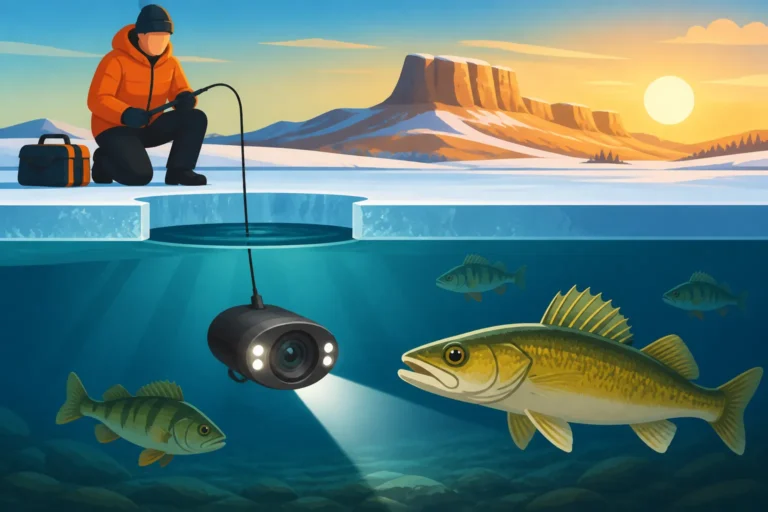
Ice fishing for walleye is a unique beast, and your tackle storage needs to adapt. You're typically dealing with colder temperatures, often more confined spaces, and the need to carry gear across frozen lakes. A specialized ice fishing tackle box or bucket organizer is often preferred over a traditional open water box. These are designed to be compact, durable, and easy to transport in an ice sled or a bucket. Many feature internal dividers that can accommodate ice jigs, spoons, and various smaller terminal tackle, while also having space for bait containers.
Consider a smaller, highly portable box that can easily fit into a five-gallon bucket or a purpose-built ice fishing tackle bag. You'll likely be carrying specific ice fishing jigs and spoons, Best Jigs for North Dakota Walleye, small plastics, and maybe some live bait like minnows or waxworms. Access needs to be quick and easy, especially when your hands are cold. Many anglers opt for multiple small, clear utility boxes, each holding a specific type or size of ice lure, which can then be easily swapped in and out of a larger bag or bucket caddy. For insights on what to pack, check out How to Ice Fish in North Dakota.
Disclaimer
This article is for general informational purposes only and does not constitute professional advice. Laws, prices and regulations vary by location and change over time. Consult a qualified professional for guidance on your specific situation.