Best Tackle Box for a Walleye Angler
Oh, the humble tackle box! It seems like such a simple thing, doesn't it? But for any walleye angler out there, especially those of us who brave the unpredictable waters of North Dakota, a poorly chosen or disorganized tackle box can quickly turn a hopeful day into a frustrating mess of tangled lines and lost lures. This guide is all about helping you cut through the clutter and find the perfect tackle box solution to keep your walleye arsenal ready for action, no matter where your fishing adventures take you.
Why Your Tackle Box Matters More Than You Think for Walleye Fishing
When you're out on the water, whether you're trolling the vast expanse of Lake Sakakawea or jigging structure on Devils Lake, every minute counts. The last thing you want is to be fumbling through a chaotic pile of lures, trying to find that one specific crankbait or jig color you know the walleye are hitting. Your tackle box isn't just a container; it's a critical piece of your fishing system, directly impacting your efficiency and enjoyment.
The Frustration of Disorganization on the Water
Picture this: you've finally located a hot bite, the fish finder is lit up, and your buddy just landed a nice walleye on a chartreuse jig. You know you have one just like it, but where is it? Is it buried under a pile of spinnerbaits, tangled with a bottom bouncer, or maybe still in that bag from your last trip? This scenario plays out far too often, and it can be incredibly irritating. In the precious moments it takes to untangle or locate that elusive lure, the bite might slow down, or the school could move on. Walleye fishing often requires quick changes in presentation, whether you're swapping jig weights to match depth or experimenting with different crankbait diving depths. A well-organized box means less time digging and more time fishing. It means being able to grab that perfect lead head or that specific walleye plastic without a second thought, keeping your bait in the water and increasing your chances of success.
Protecting Your Investment in Walleye Gear
Let's be honest, walleye fishing isn't always the cheapest hobby. Those premium crankbaits, specialized jigs, and sensitive rods designed for detecting subtle walleye bites represent a significant investment. Leaving them exposed to the elements, jostling around unprotected, or crammed into an inadequate container is a sure-fire way to shorten their lifespan. Hooks can get dulled or bent, lure finishes can chip, and soft plastics can get crushed or melted. A good tackle box provides the necessary protection, keeping your valuable gear safe from water, sun, and impact. It also prevents rust, a silent killer for hooks and internal lure components, especially in a humid boat environment or after a rainy day. Thinking about a thorough overhaul of your setup? You might find our Best Fishing Rods for North Dakota Anglers guide helpful as you consider your investments.
Key Features to Look for in a Walleye Tackle Box
Choosing the right tackle box isn't just about picking the prettiest one off the shelf. It's about functionality, durability, and how well it suits the specific demands of walleye fishing in places like North Dakota. From the biting winds on Lake Sakakawea to the icy grip of Devils Lake, your gear needs to be ready for anything.
Storage Capacity and Customization for Walleye Lures
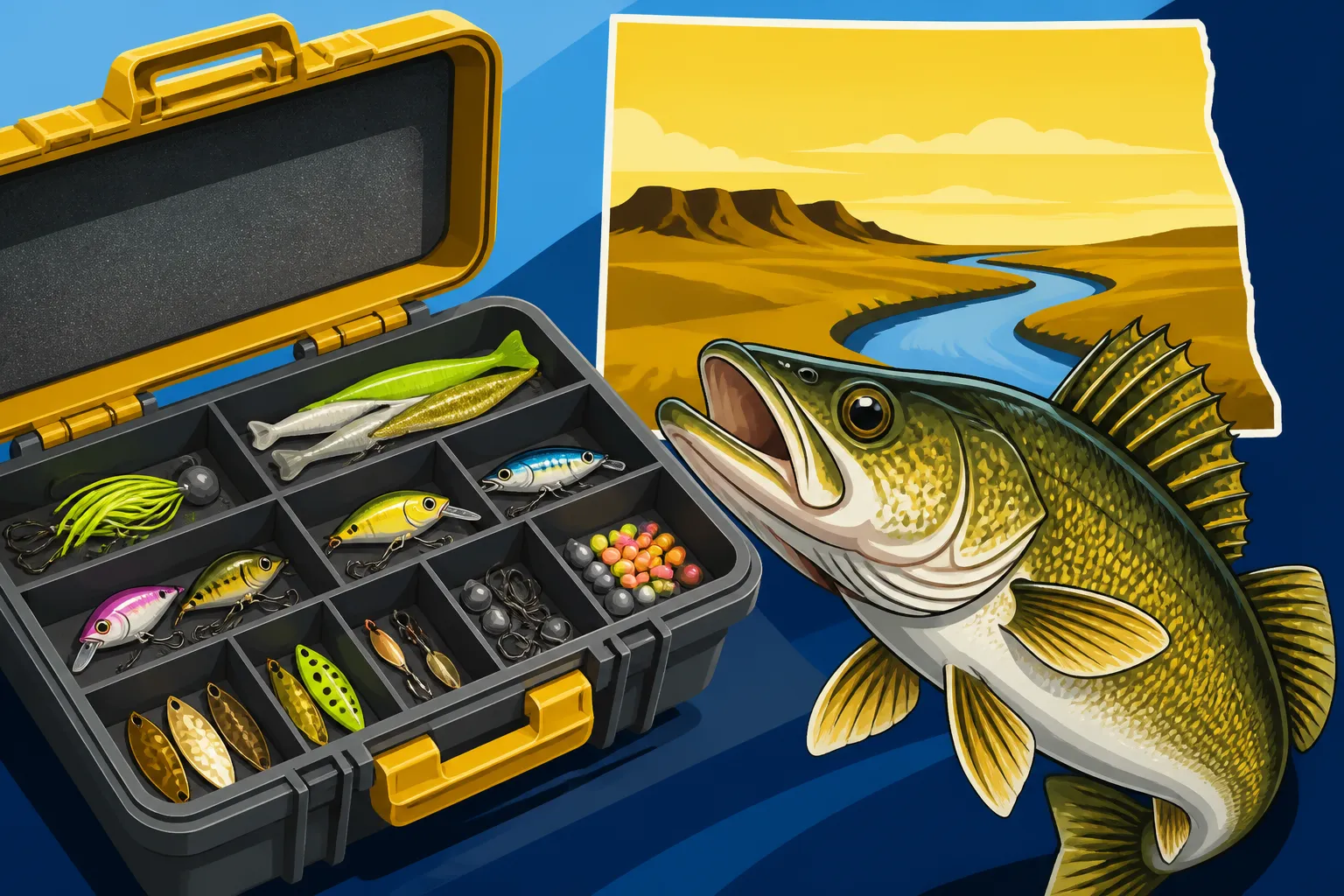
Walleye anglers carry a diverse range of tackle. We're talking about an array of crankbaits in various sizes, colors, and diving depths for trolling; a multitude of jigs, from lightweight finesse options to heavy football heads for deep structure; an assortment of soft plastics like paddle tails, minnow imitations, and grubs; and essential live bait rigs such as bottom bouncers and snells. Your tackle box needs to accommodate all of this, and ideally, allow for some level of customization. Look for boxes with adjustable dividers in their trays or utility boxes. This flexibility lets you create compartments perfectly sized for your larger trolling crankbaits without them rattling around, and smaller sections for your delicate jigs and hooks. Some systems offer specialized storage for specific lure types, like individual slots for crankbaits to prevent tangles or dedicated jig organizers. When you're constantly switching between techniques, like those discussed in North Dakota Walleye Fishing Techniques, this adaptability is invaluable.
Durability and Weather Resistance for North Dakota Conditions
North Dakota weather is, shall we say, character-building. You'll encounter everything from blistering summer sun that can warp flimsy plastic, to torrential downpours, and of course, the brutal cold of ice fishing season. Your tackle box needs to be built to withstand these extremes. Look for robust construction materials, sturdy latches that won't pop open if the box gets knocked around, and, crucially, good seals. Water intrusion is a common complaint, leading to rusty hooks and damaged lures. Many quality tackle boxes, especially soft-sided bags, come with waterproof or highly water-resistant materials and rubberized bottoms. For ice fishing, where your box might sit on wet ice or get splashed, this resistance is even more critical. Considering the range of gear you might need for different seasons, our Best Ice Fishing Gear for North Dakota article could provide further insights into protecting your equipment.
Portability and Ease of Access on the Boat or Shore
How you fish for walleye in North Dakota will largely influence your tackle box's ideal portability. Are you primarily a boat angler, cruising the main lake basins of Lake Sakakawea in a large rig? Or do you prefer shore fishing, perhaps along the Missouri River, or maybe hiking into remote ice fishing spots?
For boat anglers, ease of access is paramount. You want a box that can be stowed securely but quickly accessed. Multiple smaller utility boxes within a larger soft-sided bag often work well here, allowing you to grab just the specific box of crankbaits you need without lugging everything out. When fishing from a smaller boat or kayak, a more compact, self-contained system might be better. Being able to quickly grab the right lure and get it into the water when the walleye are biting can make all the difference, especially when you're employing quick changes in strategy like those mentioned in Trolling Crankbaits for Walleye.
Shore anglers, on the other hand, prioritize lighter weight and a comfortable carrying system, like shoulder straps or backpack styles. You need something that won't be a burden during a long walk to your favorite fishing spot. For ice fishing, a system that can easily fit onto a sled with your auger and shelter is key. Whether you're on the boat or on the bank, the ability to quickly see and grab what you need is crucial. Nobody wants to be rummaging when the fish are hitting.
Types of Tackle Boxes Best Suited for Walleye Anglers
Just like there are different ways to fish for walleye, there are different tackle box styles designed to meet various needs. Understanding the pros and cons of each will help you zero in on the best fit for your North Dakota walleye pursuits.
Traditional Hard-Sided Boxes with Tray Systems
Ah, the classic tackle box! We all remember these from our childhoods, often a bright green or beige, with cantilevered trays that fanned out to reveal hooks, sinkers, and bobbers. These still have a place in a walleye angler's arsenal, especially for those who appreciate a straightforward, no-frills approach.
Pros:
- Affordable: Generally less expensive than soft-sided bags, making them a good entry-level option or for storing less-used gear.
- Rigid Protection: The hard plastic shell offers excellent crush protection for delicate items. If you tend to stack things in your boat or vehicle, this can be a huge benefit.
- Simple Organization: The tray system provides quick visual access to smaller items like hooks, swivels, and small jigs.
- Easy to Clean: A quick rinse with a hose can usually clean out dirt, mud, or spilled bait.
Cons:
- Limited Customization: While some have adjustable dividers, the fixed tray design means less flexibility for varying lure sizes. Large crankbaits can be awkward to store.
- Bulky and Awkward: They can be cumbersome to carry, especially larger models, and aren't always ideal for tight spaces in smaller boats or kayaks.
- Open Exposure: When open, all your tackle is exposed to wind, rain, or accidental spills.
- Less Versatile: Not always the best for carrying a wide variety of larger walleye-specific gear like multiple bottom bouncers or oversized soft plastic packs.
Many anglers use these for their basic terminal tackle or a specific set of frequently used walleye jigs. You might keep one stocked with just your Best Live Bait for North Dakota Walleye accessories – hooks, sinkers, and snells – for quick deployment.
Soft-Sided Tackle Bags with Utility Boxes
This category has become incredibly popular, and for good reason. Soft-sided bags, often made of durable ballistic nylon or similar rugged fabrics, are designed to hold multiple removable plastic utility boxes (sometimes called "3700-series" or "3600-series" boxes, referring to their dimensions). Brands like Bass Pro Shops and those found on Amazon offer a huge variety of these.
Pros:
- Superior Organization: The utility boxes offer highly customizable compartments using removable dividers. You can dedicate one box to deep-diving crankbaits, another to shallow runners, one for jigs, another for soft plastics, and so on. This level of specialization is invaluable for walleye anglers who carry a wide range of lures for different situations, such as those covered in Best Jigs for North Dakota Walleye and Best Crankbaits for North Dakota Walleye.
- Modular and Efficient: Grab just the box you need for a specific technique without lugging the whole bag. This is fantastic for quick changes on the water.
- Portable and Comfortable: Many bags come with padded shoulder straps, making them easier to carry than hard cases.
- Additional Storage: Beyond the main compartment for utility boxes, these bags often have numerous external pockets for tools, snacks, licenses, and other essentials.
- Water Resistance: Many feature water-resistant materials and reinforced bottoms to keep contents dry.
Cons:
- Can Be More Expensive: Quality soft-sided systems can be a larger upfront investment.
- Less Crush Protection: While the utility boxes protect lures, the soft outer bag doesn't offer the same rigid crush protection as a hard case.
- Requires More Thought in Organization: The sheer flexibility means you need to consciously organize your utility boxes, or you can end up with chaos just as easily.
This is often the go-to solution for serious walleye anglers due to its versatility and capacity. You can easily adapt it to hold everything from your finesse jigs for Jigging for Walleye on Lake Sakakawea to heavier gear for deeper water.
Specialty Systems for Specific Walleye Presentations
Beyond the general tackle boxes, some specialized storage options cater to very specific walleye fishing needs. These often complement a larger tackle bag rather than replacing it entirely.
Jig Bags/Binders: These are compact, soft-sided pouches or binders with clear plastic sleeves designed to hold dozens of jigs. This keeps them from tangling, allows for quick visual selection, and protects paint jobs. If you're a jigging enthusiast, especially for perch on Devils Lake or walleye on the rivers, a dedicated jig bag is a game-changer.
Crankbait Binders: Similar to jig bags, these have individual pockets for crankbaits, preventing hooks from tangling and lure bodies from getting scratched. For anglers who carry dozens of specific crankbaits for trolling, this can be incredibly efficient. No more digging through a general utility box trying to find that one specific Hot 'N Tot!
Spinner Bait/Bladed Jig Wallets: While maybe not as critical for walleye as for bass, some anglers carry a few spinnerbaits or bladed jigs for aggressive walleye in certain conditions. These wallets keep the skirted lures neat and protected.
Terminal Tackle Wallets: Small, often zippered pouches with clear plastic sleeves or small compartments for things like hooks, swivels, weights, and leaders. Perfect for keeping these small, vital components organized and accessible without them getting lost in a larger box. When you're dealing with precise riggings, as sometimes needed for North Dakota Fishing Regulations Explained, keeping your terminal tackle neatly sorted is key.
Organizing Your Walleye Tackle for Maximum Efficiency
So, you've got your perfect tackle box system, whether it's a trusty hard-sided case or a sleek soft-sided bag from Bass Pro Shops. Now, the real magic happens: organizing it so that every piece of walleye gear has its place and is ready for action. An organized tackle box isn't just about neatness; it's about making you a more effective and less frustrated angler.
Lure Categories and Systematization
The key to efficient organization is grouping similar items. Think about how you use your lures and arrange them accordingly.
- Crankbaits: These are often best organized by diving depth and then by color. Have one utility box for shallow divers (0-8 feet), another for medium divers (8-15 feet), and a third for deep divers (15+ feet). Within each box, keep similar colors together (e.g., natural baitfish, firetiger, clown). This way, when you need to match the hatch or change depths, you know exactly which box to grab and where to find the right lure. Consider also having a separate area for special, larger trolling plugs.
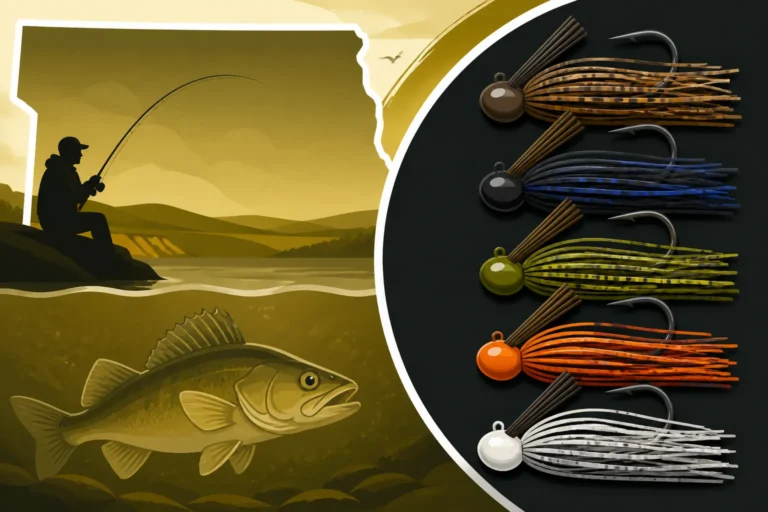
- Jigs: Organize your jigs by weight, and then by color. All your 1/8 oz jigs in one section, 1/4 oz in another, and so on. This makes it easy to adapt to different depths and currents. Keep your soft plastic trailers with their corresponding jig heads or in an adjacent compartment, ready to be paired up. Many walleye anglers swear by specific jig and plastic combinations, so having them readily available is essential.
- Soft Plastics: These can be stored in their original bags, which are often resealable, and then grouped by type (paddle tails, minnow profiles, grubs) in a utility box or the external pockets of a soft-sided bag. This prevents different plastic scents and materials from mixing and potentially damaging each other.
- Bottom Bouncers and Live Bait Rigs: These are bulky and can tangle easily. Dedicate a specific, larger compartment for bottom bouncers, perhaps grouped by weight. Snells and pre-tied rigs can be wound onto small foam spools or stored in clear individual envelopes within a dedicated utility box, preventing them from becoming a bird's nest. Remember to check out Best Live Bait for Early Season Walleye for what rigs you might need.
- Terminal Tackle: Hooks, swivels, sinkers, split rings, and leader material are best kept in small, separate compartments within a utility box. Many anglers use very small, clear boxes for these items that fit into a larger utility box. Labeling these compartments can save you even more time.
A well-organized system allows you to adapt quickly to conditions, whether it's changing the retrieve speed or switching up your lure choice based on what your Best Fish Finders for North Dakota Lakes are telling you.
Essential Tools and Accessories Every Walleye Angler Needs
Your tackle box isn't just for lures; it's also the home for those crucial tools and accessories that make your fishing trip smoother and safer.
- Pliers/Forceps: Essential for removing hooks, especially from toothy walleye. Look for multi-tool pliers that also have line cutters.
- Line Cutters/Scissors: Clean cuts are vital for strong knots. Keep a good pair of fishing-specific scissors or clippers handy.
- Measuring Device: A bump board or tape measure to quickly and accurately measure your catch. This is especially important for adhering to North Dakota Walleye Size Limit Rules.
- Fish Grips/Lip Grippers: To safely handle walleye, especially larger ones, without getting slimed or hooked.
- Weight Scale: If you're into tracking your catches or participating in tournaments, a portable digital scale is a must.
- Headlamp/Flashlight: Even if you don't plan on night fishing, unexpected low light conditions can arise. A small headlamp is invaluable.
- First Aid Kit: A small kit with band-aids, antiseptic wipes, and pain relievers is always a good idea, especially for those unexpected hook mishaps.
- Sunscreen and Bug Spray: Essential for comfort during long days on the water.
- Small Towel/Rag: For cleaning hands, wiping lures, or drying off gear.
- Camera: To capture those memorable catches!
Designate specific pockets or compartments for these tools. Many soft-sided tackle bags have external pockets perfect for pliers, scales, and a headlamp, keeping them instantly accessible without opening the main lure compartments.
Maintenance and Care for Your Walleye Tackle Box
Even the best tackle box won't last if it's not properly maintained. A little care after each trip can prevent rust, damage, and keep your gear in prime condition.
- Dry It Out: After every trip, especially if it was rainy or humid, open your tackle box and let it air dry completely. Remove utility boxes from soft bags to ensure everything airs out. This is the single most important step to prevent rust.
- Inspect and Clean: Periodically go through your lures and tackle. Remove any rusted hooks immediately and replace them. Wipe down lures that have accumulated grime or residue. A gentle wipe with a damp cloth can keep your plastics and crankbaits looking good.
- Lubricate Zippers and Latches: For soft-sided bags, a quick spray of silicone lubricant on zippers will keep them running smoothly. For hard cases, ensure latches are clean and functioning properly.
- Store Properly: When not in use, store your tackle box in a cool, dry place, away from direct sunlight or extreme temperatures. A garage shelf or dedicated storage area is ideal.
- Replenish Supplies: Before each trip, check your inventory. Are you low on jigs? Out of your favorite soft plastic color? Did you use all your Best Live Bait for North Dakota Walleye? Replenishing tackle ensures you're never caught unprepared on the water. This also applies to things like extra fishing line, which you might need for respooling, as discussed in Best Fishing Line for North Dakota Lakes.
By giving your tackle box and its contents a little TLC, you're not just extending the life of your gear; you're ensuring that when that next walleye bite heats up, you'll be ready to capitalize on every opportunity. A well-maintained tackle box is a sign of a prepared and dedicated angler, and it will undoubtedly lead to more successful and enjoyable days chasing walleye across North Dakota's incredible fishing grounds.
| Tackle Box Type | Best For | Pros | Cons | Typical Price Range |
|---|---|---|---|---|
| Traditional Hard-Sided | Entry-level, basic terminal tackle, crush protection | Affordable, rigid protection, easy to clean, quick visual access | Limited customization, bulky, all contents exposed when open | Lower |
| Soft-Sided Bag w/ Utility Boxes | Serious walleye anglers, diverse lure collections | Superior organization, modular, portable, extra pockets, water-resistant | Higher cost, less crush protection than hard cases, requires setup | Mid to Upper |
| Jig/Crankbait Binders | Specialty lure storage, tangle prevention | Excellent for specific lure types, prevents tangles, compact | Limited general storage, often complements a main box | Lower to Mid |
| Backpack Style Tackle Bag | Shore anglers, wade fishing, kayak anglers | Hands-free carrying, good capacity, often includes utility boxes | Can be heavy when fully loaded, awkward in very small boats | Mid to Upper |
Ultimately, the best tackle box for a walleye angler isn't about a single product; it's about finding a system that works for you and your style of fishing in the diverse waters of North Dakota. Whether you go with a classic hard-sided box, a versatile soft-sided bag packed with utility cases from a trusted retailer like Bass Pro Shops or found online at Amazon, or a combination of specialty organizers, the goal is the same: to keep your gear protected, organized, and ready for that next trophy walleye. A little thought and organization off the water will pay huge dividends when you're out there, reeling them in!
Disclaimer
This article is for general informational purposes only and does not constitute professional advice. Laws, prices and regulations vary by location and change over time. Consult a qualified professional for guidance on your specific situation.