Should You Carry Ice Picks While Ice Fishing?
The crisp, invigorating air of a North Dakota winter calls to so many of us, promising serene days on the ice and the thrill of a hard-fighting walleye. But underneath that beautiful, frozen landscape lies a silent, ever-present danger: unpredictable ice. Many anglers grapple with the nagging question of how to truly stay safe, and one simple, yet often overlooked, piece of gear can make all the difference. This guide will delve into why ice picks are an absolute must-have for anyone venturing onto North Dakota's frozen waters and how they could be your lifeline.
The Unspoken Fears of North Dakota Ice Anglers: Why Ice Safety is Paramount
Let's be honest, every time we step onto the ice, there's a little voice in the back of our heads. It’s the voice that wonders, "Is this truly safe?" That concern isn't unwarranted, especially in a state like North Dakota where winter conditions can be extreme and ice conditions incredibly variable. The fear of falling through is a very real, very human one, and it’s a fear rooted in the genuine dangers that frozen waters present.
The Silent Threat Beneath Your Boots
The ice we fish on is rarely a perfectly uniform, solid slab. It's a dynamic, ever-changing entity, constantly battling currents, pressure ridges, underwater springs, and changes in temperature. What looks like perfectly safe, thick ice near the shore of Devils Lake might hide a treacherous thin spot just a few feet away, perhaps over a submerged creek channel or a patch where gas from decaying vegetation has prevented proper freezing. We've all seen those areas where the snow drifts differently, or a dark spot hints at something beneath. Even seasoned North Dakota anglers, who know these waters like the back of their hand, can be caught off guard. A sudden dip in temperature can cause cracks, or a rising water level can lift and shift entire ice sheets. How Thick Ice Needs to Be for Ice Fishing goes into detail about what to look for, but even with careful checking, unforeseen variables can arise. This is why a proactive approach to safety, rather than just reactive measures, is so vital.
The Moment of Truth: When the Ice Gives Way
Imagine the scene: you're out on Lake Sakakawea, perhaps jigging for walleye, feeling that familiar tug. One minute you're enjoying the solitude, the next, there's a sickening crack and the world turns upside down. The icy shock of the water hits you, taking your breath away. Heavy winter clothing, designed to keep you warm on top of the ice, suddenly becomes a lead blanket, dragging you down. Panic, a natural human response, can quickly set in, making clear thought and action incredibly difficult. Your hands, already cold from fishing, are now numb from the frigid water, making it nearly impossible to grip the slick, unforgiving edge of the ice you just fell through. This isn't just a hypothetical scenario; it's a terrifying reality that plays out for unfortunate individuals every winter. This isn't about scaring you, but about grounding us in the reality of what can happen and why preparing for the worst-case scenario is an act of self-preservation. Early Ice Fishing Safety Tips offers more advice on mitigating these risks.
Ice Picks: Your Simple, Life-Saving Tool for Self-Rescue
Given the very real dangers, it's astonishing how often a truly vital piece of safety gear is overlooked: the humble ice pick. These aren't fancy, expensive gadgets, but rather a basic, incredibly effective tool that could literally mean the difference between life and death.
How Ice Picks Work in an Emergency
So, you've gone through the ice. The initial shock subsides, and your survival instincts kick in. You try to pull yourself out, but your wet, gloved hands just slide across the slick, often jagged ice edge. This is precisely where ice picks become your best friend. Worn around your neck, typically with one pick tucked into each sleeve or pocket for instant access, they are designed to provide crucial grip.
The principle is simple: once in the water, you grab a pick in each hand, stab the sharp, hardened points into the solid ice edge, and then use your arms and leg kicks to pull and propel yourself back onto the surface. It's like having two extra, super-grippy hands specifically designed to bite into ice. Without them, you're relying on sheer strength and the impossible task of finding friction on an unyielding, freezing surface. Anyone who has ever tried to pull themselves out of a pool without a ladder, let alone an icy hole while wearing heavy, waterlogged clothing, can attest to how futile it can be without proper leverage and grip. They are not for breaking more ice, but for giving you purchase to get out of the water.
Essential Features of Effective Ice Picks
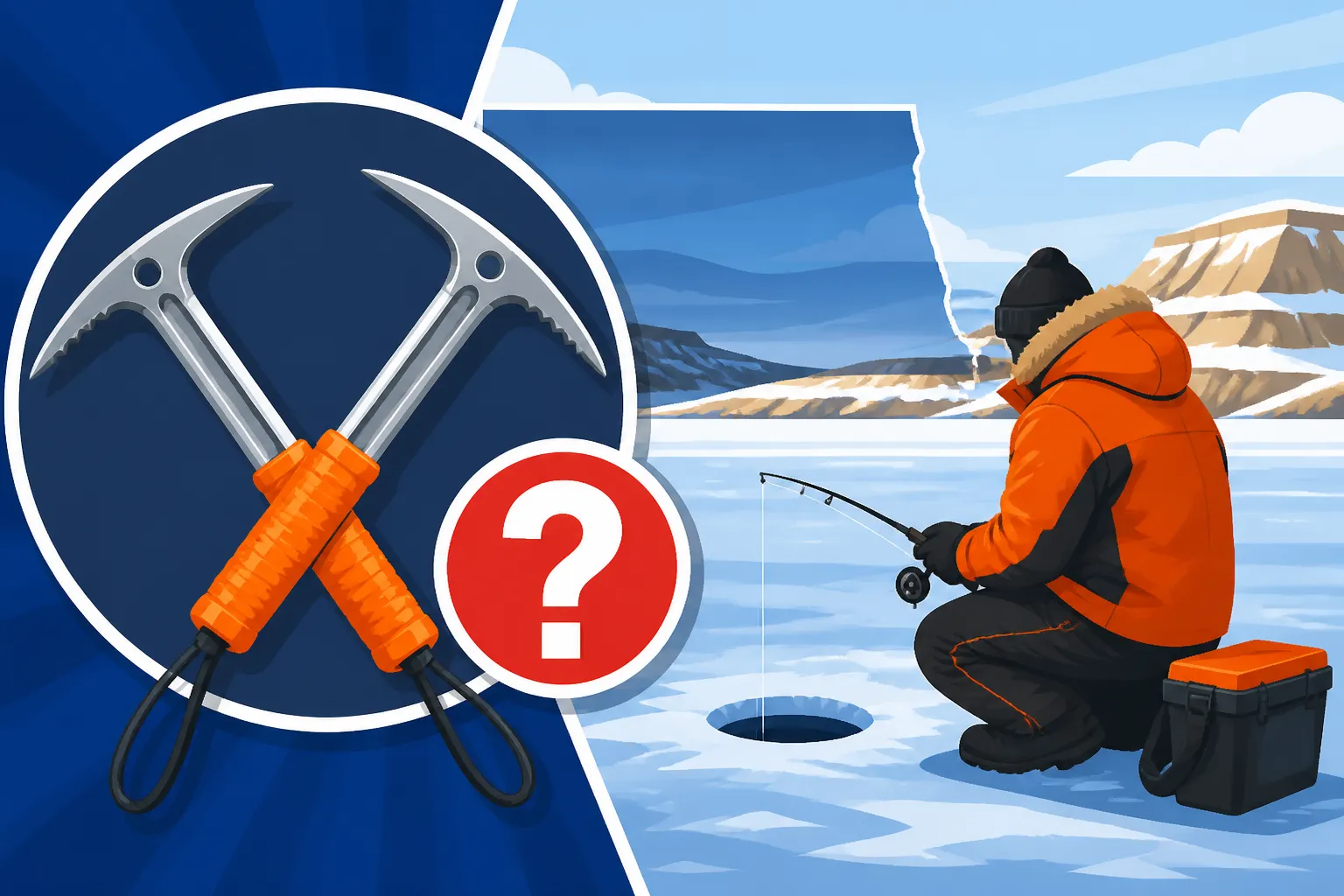
When it comes to choosing ice picks, simplicity and reliability are key. Most models consist of two handles, each housing a sharp, metal spike, connected by a bright, often reflective cord. This cord is absolutely critical because it allows you to wear the picks around your neck, keeping them readily accessible. If they're in your tackle box, your sled, or even just in a jacket pocket that's now underwater, they're useless.
Look for picks with:
- Sharp, Durable Points: These need to bite into the ice, so quality steel points are essential. They shouldn't be prone to dulling quickly or breaking under pressure.
- Comfortable, Grippable Handles: Even with cold, wet hands or thick gloves, you need to be able to hold onto them securely. Textured or ergonomic handles are a big plus.
- A Brightly Colored Connecting Cord: If you accidentally drop one, a bright orange or yellow cord makes it easier to spot against the white snow and ice. The cord also helps keep them together, preventing you from fumbling for two separate items in a moment of crisis.
- Retractability or Sheaths: Many picks feature retractable spikes or come with protective sheaths. This is important for preventing accidental pokes when you're not using them, like when storing them in your pocket or pack.
You can often find them at local outdoor retailers or tackle shops, and many anglers also pick them up online through sites like Amazon, looking for highly-rated, robust models. Major outdoor equipment stores such as Bass Pro Shops also carry a range of options, making them very accessible. The cost is usually very minimal, especially when you consider what they protect.
Beyond Just Carrying Them: Using Ice Picks Effectively and Practicing Safety
Simply owning ice picks isn't enough; knowing how to use them and integrating them into a broader safety mindset is what truly prepares you for the unexpected.
The "How-To" of Self-Rescue with Ice Picks
Should the unthinkable happen and you find yourself in the frigid North Dakota waters, having your ice picks ready is the first step. Here's a quick rundown of how to use them, which you should mentally rehearse even if you hope to never put it into practice:
- Stay Calm (as much as possible): The initial shock is immense, but fight the urge to panic. Rapid breathing will deplete your energy faster. Focus on the task at hand.
- Turn Towards the Strongest Ice: Typically, this is the direction you just came from. You want to extract yourself onto solid, known ice, not potentially weaker ice ahead.
- Extend Your Arms and Jam the Picks: Hold one pick in each hand. Reach out onto the ice ahead of you, and with a firm, deliberate motion, stab the points into the ice. Get a good, solid bite.
- Kick Your Legs Vigorously: This helps to create buoyancy and reduces the effort needed for your arms to pull you up. It also helps to get your body into a more horizontal position.
- Pull and Propel: Using the picks for grip, pull yourself forward onto the ice. You'll likely have to kick and "scoot" your body out of the water, inching your way onto the surface.
- Roll Away From the Hole: Once you're out of the water, do not stand up immediately. Roll away from the hole to distribute your weight over a larger area, reducing the chance of breaking through again.
- Crawl to Safer Ice: Continue to crawl on your stomach or hands and knees until you reach unquestionably thick, safe ice. Once there, assess your situation and get to shelter to warm up immediately.
Practicing this sequence, even just mentally, can make a huge difference in a real emergency. The ability to react instinctively, rather than having to think through each step, can save precious seconds and energy.
A Proactive Approach: Layered Ice Safety
Ice picks are a single, critical component of a comprehensive ice safety plan, but they're not a magic bullet. They work best as part of a layered approach to staying safe on North Dakota's frozen expanses. Think of it like this: your picks are your emergency exit strategy, but you also need to prevent the emergency in the first place.
Here are other crucial safety measures that, combined with ice picks, create a formidable defense against ice dangers:
- Check Ice Thickness Religiously: Always use an ice auger or spud bar to check ice thickness as you go. Never assume.
- Never Fish Alone: A buddy can be your savior, whether it's by pulling you out with a throw rope or calling for help. North Dakota Ice Fishing Rules strongly encourages this.
- Tell Someone Your Plans: Inform a reliable person where you're going, when you expect to return, and who you're with.
- Carry a Throw Rope: A floating rope with a handle can be thrown to someone who has gone through, providing a safe way to pull them out from a distance.
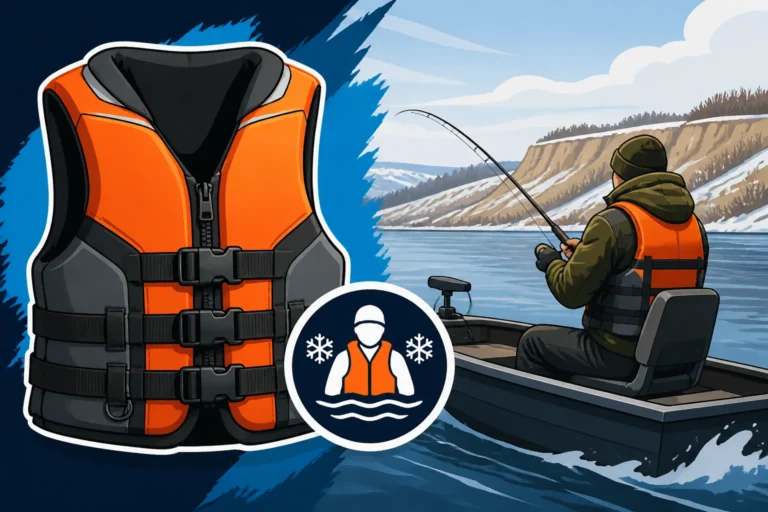
- Wear a Flotation Suit or PFD: A modern flotation suit not only keeps you warm but can significantly increase your survival time and make self-rescue easier by providing buoyancy. What to Wear Ice Fishing in North Dakota offers more gear tips.
- Avoid Risky Areas: Steer clear of river currents, inlets/outlets, pressure ridges, and areas with obvious discolored or slushy ice.
- Know Your Limits: Don't venture out onto questionable ice, especially in the early or late season.
Having a buddy who also carries ice picks effectively doubles your safety net, as one can assist the other. Beyond the immediate rescue tool, a comprehensive safety strategy, like detailed in North Dakota Fishing Regulations Explained, is what truly makes for a safe season.
Making Ice Picks a Habit, Not an Option
The reality is, ice picks are a low-cost, low-hassle item that provides immense peace of mind. Many experienced anglers in North Dakota wouldn't dream of stepping onto the ice without them. They've become as standard as a rod, reel, or auger. You wouldn't head out on Lake Sakakawea without your life jacket, so why would you venture onto early ice without your picks?
Make it a habit. Just like you grab your keys and wallet before leaving the house, make grabbing your ice picks a non-negotiable part of your ice fishing routine. Hang them by the door, keep them with your primary fishing jacket, or clip them to your sled. The small effort required to remember them pales in comparison to the potential consequences of forgetting them. Even experienced anglers on Devils Lake know that conditions can shift quickly, and being prepared is the best defense.
Common Questions and Misconceptions About Ice Picks
Despite their critical importance, some anglers still harbor reservations or misconceptions about carrying ice picks. Let's tackle a few of these head-on.
"My ice is thick, why bother?"
This is perhaps the most common reason some anglers might skip carrying picks. The logic seems sound: if the ice is a foot thick, what's the worry? However, as any veteran North Dakota ice angler will tell you, ice is incredibly unpredictable. A strong current can thin ice from below. Underwater springs can create open pockets in otherwise solid areas. Pressure ridges, formed by the expansion and contraction of ice, can conceal weak spots or open water. You might be fishing on 10 inches of ice, but take one step over a hidden current seam, and it drops to 2 inches. The fact is, ice thickness is rarely uniform. Is 4 Inches of Ice Safe for Ice Fishing? provides general guidelines, but those are average recommendations, not guarantees for every square foot of ice. Ice picks are your insurance policy against the unknown variables that even the most diligent ice checks can miss.
"Can't I just use my hands?"
In short, no, not effectively. When you fall into freezing water, your body's immediate response is to conserve heat. Your hands will quickly go numb, losing dexterity and strength. Moreover, the edges of a broken ice sheet are often smooth and wet, offering almost no friction for bare or gloved hands. Trying to pull yourself out without picks is akin to trying to climb a greased pole. The picks provide sharp, pointed leverage that your hands simply cannot replicate. They dig in, giving you that crucial purchase to haul yourself out. Without them, you're fighting a losing battle against physics, cold, and a rapidly dwindling energy supply.
"Are they expensive or hard to find?"
Not at all. Ice picks are one of the most affordable pieces of safety gear you can buy. Compared to the cost of an auger, a fish finder, or even a good pair of insulated boots, ice picks are a minuscule investment. You can often find them at very reasonable prices, whether you're browsing online on a site like Amazon or checking out the fishing section at Bass Pro Shops. They're also widely available at most North Dakota Fishing License Retail Vendors Like Walmart or local sporting goods stores throughout North Dakota. There's no valid financial or accessibility barrier to owning this vital piece of equipment.
| Feature | Fishing With Ice Picks | Fishing Without Ice Picks |
|---|---|---|
| Self-Rescue Capability | High – provides crucial grip on slick ice edges. | Extremely Low – wet, cold hands have virtually no grip on ice. |
| Safety Margin | Significantly Increased – a proactive survival tool. | Dramatically Reduced – relying purely on luck or external help. |
| Peace of Mind | High – confidence in having a self-rescue option. | Low – constant underlying anxiety about ice conditions. |
| Risk Factor | Lowered – empowers self-rescue, increasing survival odds. | Much Higher – high likelihood of fatality if alone and falling in. |
| Accessibility | Worn around neck/easily accessible on person. | Non-existent or trapped under ice if not on person. |
| Cost | Very low investment for a life-saving tool. | Irrelevant if life is lost due to lack of rescue tool. |
When you compare the small investment and minimal effort of carrying ice picks against the potential catastrophic outcome of not having them, the choice becomes crystal clear. For anyone who cherishes their time on North Dakota's beautiful frozen lakes, ice picks aren't just an accessory; they're an essential part of a safe and responsible ice fishing adventure.
Disclaimer
This article is for general informational purposes only and does not constitute professional advice. Laws, prices and regulations vary by location and change over time. Consult a qualified professional for guidance on your specific situation.