How Many Catfish Can You Keep in North Dakota?
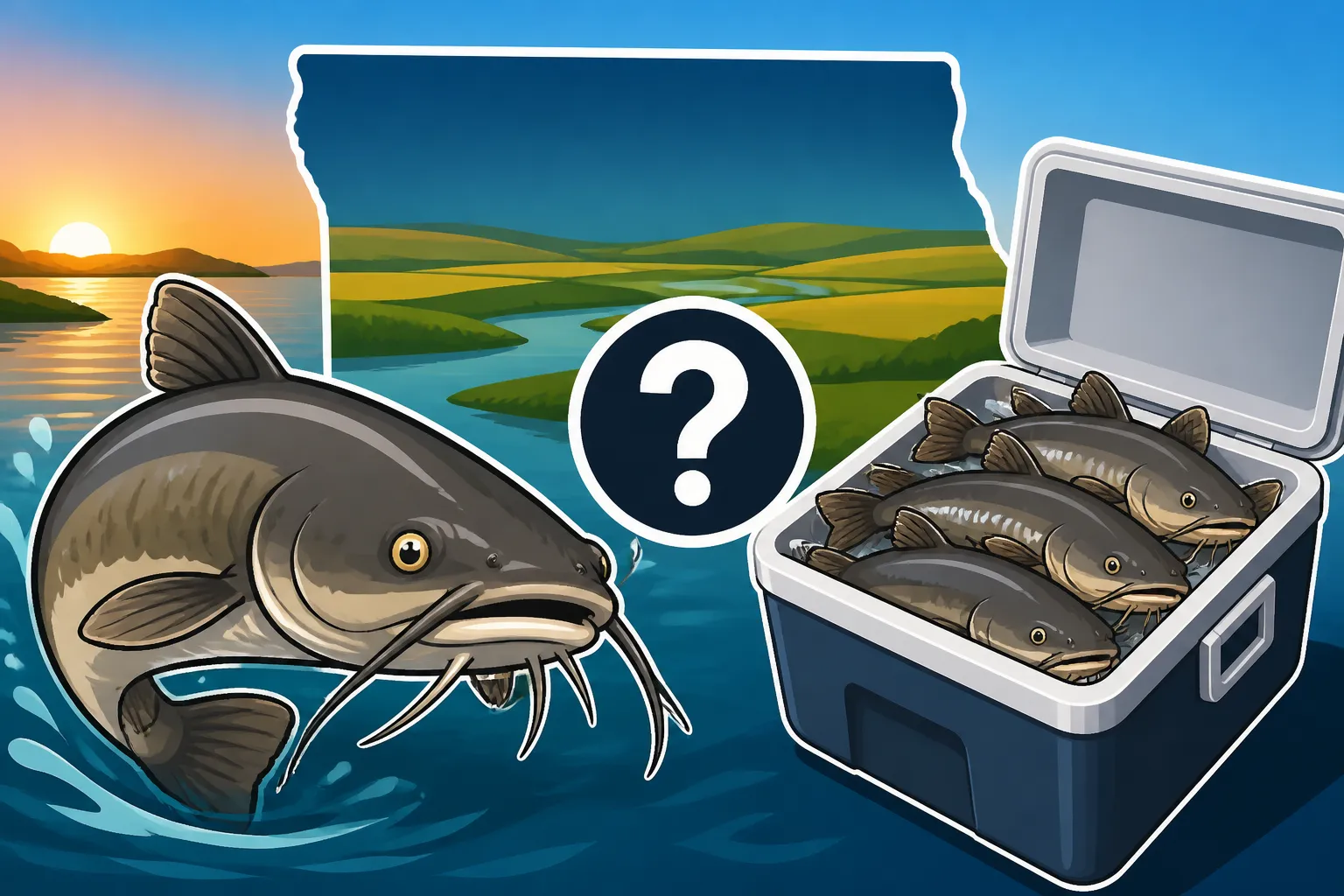
There’s nothing quite like the thrill of feeling a strong tug on your line, fighting a hefty channel cat, and finally bringing it to the boat or shore. Catfishing in North Dakota, especially on legendary waters like the Red River, is an experience many anglers cherish. However, amidst the excitement, a common question often surfaces: "Exactly how many catfish can I actually keep?" Navigating fishing regulations can sometimes feel like trying to untangle a stubborn fishing knot, and you want to ensure you're doing things by the book. This guide is here to clarify everything you need to know about catfish daily and possession limits in North Dakota, so you can fish with confidence and respect for the resource.
Unpacking North Dakota's Catfish Regulations
Before we dive into the nitty-gritty numbers, let's take a moment to understand the bigger picture of why these regulations exist. The North Dakota Game and Fish Department (NDGFD) is the agency responsible for managing the state's incredible fisheries. Their mission isn't just about giving out licenses; it's deeply rooted in ensuring that future generations can enjoy the same fantastic fishing opportunities we have today. This means setting limits on how many fish of a certain species, like our beloved catfish, can be harvested. These rules are constantly evaluated based on scientific data, population surveys, and environmental factors to maintain healthy fish stocks.
It’s crucial to remember that fishing regulations are not static; they can and do change. What was true last season might be different this year. That's why it's always your best practice to consult the most current North Dakota Fishing Regulations Explained directly from the NDGFD. While this guide provides the latest information available, always double-check the official sources. Ignoring the rules, even unintentionally, can lead to serious penalties, which nobody wants when they're out enjoying a relaxing day on the water.
Understanding the difference between a "daily limit" and a "possession limit" is fundamental to staying compliant. A daily limit refers to the maximum number of fish you can legally keep in a single calendar day, from midnight to midnight. This count restarts each day. The possession limit, on the other hand, is the total number of fish you can have on your person, in your cooler, in your vehicle, at your campsite, or at home in storage at any given time. Your possession limit can accumulate over several days of fishing, but it can never exceed the specified maximum. For instance, if the daily limit is 5 and the possession limit is 10, you could keep 5 catfish on Monday, go home, and then keep another 5 on Tuesday, bringing your total possession to 10. You couldn't keep more until some of those fish were consumed or otherwise legally disposed of. These distinctions are critical, especially for multi-day fishing trips.
Breaking Down Daily and Possession Limits for Catfish
Alright, let's get down to the specific numbers for catfish in North Dakota. For most waters across the state, the regulations are fairly straightforward. Anglers are permitted a daily limit of 5 channel catfish, with a possession limit of 10 channel catfish. This applies to many of North Dakota's smaller lakes and reservoirs where channel cats thrive. It's a conservative approach designed to protect these populations while still allowing anglers to take home a nice meal.
However, North Dakota is home to some truly exceptional catfish fisheries, and with that distinction come a few special rules. The Red River of the North, famous for its giant channel catfish, operates under different limits. On the Red River, which forms the eastern border with Minnesota, you are allowed a daily limit of 10 channel catfish, and a possession limit of 20 channel catfish. This higher limit acknowledges the robust and prolific nature of the Red River's catfish population, which supports incredible angling pressure and produces some of the biggest channel cats in the region. If you're heading to one of the prime Red River Catfish Fishing Spots in North Dakota, you'll definitely want to keep these generous limits in mind.
Then we have the massive Missouri River System, which includes the renowned Lake Sakakawea and Lake Oahe. This system, with its diverse fish populations, has its own nuances when it comes to catfish. Here, the daily limit for channel catfish is 5, and the possession limit is 10. But there's a crucial additional stipulation: only one channel catfish over 24 inches in length can be kept within your daily limit. This length restriction is a conservation measure aimed at protecting the larger, older, and more prolific breeding female catfish, ensuring they remain in the system to produce more fish. If you're lucky enough to tie into a big flathead catfish, which are less common but present in the Missouri River System, the daily and possession limit is 5, with only one over 32 inches permitted. It's a lot to remember, but these specific rules are vital for the long-term health of these world-class fisheries. Knowing your fish species is key, as is having a reliable measuring device on your boat or in your tackle box, readily available from places like Amazon.
Here's a quick summary table to help you keep these limits straight:
| Waterbody / System | Species | Daily Limit | Possession Limit | Special Length Rules (Daily Limit) |
|---|---|---|---|---|
| Most North Dakota Waters | Channel Catfish | 5 | 10 | None |
| Red River | Channel Catfish | 10 | 20 | None |
| Missouri River System | Channel Catfish | 5 | 10 | Only 1 channel catfish over 24 inches |
| Missouri River System | Flathead Catfish | 5 | 10 | Only 1 flathead catfish over 32 inches (where present, less common) |
Remember, these are the current regulations. Always check the official North Dakota Fishing Regulations Booklet 2026 to 2028 for any updates or further clarifications before you hit the water. It’s better to be safe than sorry!
Navigating Specific Waterbody Rules for Catfish
While the general rules for the Red River and Missouri River System are outlined, it's worth taking a closer look at what these specific waterbodies entail and why their rules differ. The Red River of the North is truly unique, not just for its catfish, but for its status as a border water. Because it's shared with Minnesota, both states often work together on reciprocal agreements, though fishing licenses are typically separate. The higher catfish limits on the Red are a testament to the sheer abundance and incredible growth rates of channel catfish in this productive, fertile river system. Anglers often target these fish specifically, using heavy tackle and strong Best Bait for Channel Catfish in North Dakota to haul in their generous daily limits. This river sustains intense fishing pressure, and the current limits reflect a healthy, thriving population.
The Missouri River System, including reservoirs like Lake Sakakawea Fishing Guide for North Dakota Anglers and Lake Oahe, presents a different set of challenges and opportunities. These are massive bodies of water, and while they are primarily known for walleye and salmon, channel catfish are a significant part of the ecosystem. The length restriction on channel catfish (only one over 24 inches) is a classic management tool used to protect larger, mature broodstock. These older, larger fish are crucial for successful reproduction and contribute disproportionately to the genetic health and overall numbers of the fish population. By releasing the vast majority of larger fish, anglers ensure that the gene pool remains strong and that there are plenty of adults to spawn in the future. This kind of careful management is why North Dakota continues to offer such diverse and quality fishing.
It’s also important to consider if you have the proper licensing. Before even thinking about limits, you need a valid North Dakota Fishing License Guide. Whether you're a resident or a non-resident, an adult or a child, there are specific requirements. Even if you only plan to fish for a single day, or if you're fishing on what you believe is private land, you still need to understand your obligations. For most anglers, acquiring the basic fishing license along with The Fishing, Hunting, Furbearer Certificate Explained is the standard. Make sure you've covered all your bases to avoid any unpleasant encounters with game wardens, as the Penalties for Fishing Without a License in North Dakota can be steep.
The Importance of Respecting Limits and Sustainable Fishing
Beyond simply avoiding fines, there's a much more profound reason to diligently follow fishing limits: conservation. Every fish we keep is one less fish in the water, and when taken beyond sustainable levels, populations can decline, sometimes dramatically. The NDGFD's regulations are designed to prevent this, ensuring that the catfish fishery remains robust year after year. By adhering to the daily and possession limits, you’re actively participating in the stewardship of North Dakota's natural resources. It’s a shared responsibility that allows everyone to enjoy the incredible experience of catching fish in our state.
Moreover, practicing good catch-and-release, especially for those larger trophy fish that exceed the length limits or if you've already met your daily quota, is a cornerstone of sustainable angling. While channel catfish are generally hardy, handling them with care is essential if you plan to release them. Wet your hands before touching the fish, support its body weight, and release it gently back into the water as quickly as possible. This is particularly relevant when fishing in the Missouri River System where those over-24-inch channel cats are so important for spawning. Investing in a good quality fishing net or a grippy glove can help you manage fish safely for a quick photo and release, and these are often available on Amazon.
Think about the long-term. If everyone followed the "take what you need, not what you can" philosophy, our fisheries would undoubtedly be even stronger. These limits are a balancing act: they allow anglers to enjoy the fruits of their labor by taking home some delicious fish, while simultaneously safeguarding the future of the fishery. Understanding and respecting rules like North Dakota Walleye Size Limit Rules or How Many Lines Can You Fish With in North Dakota all contribute to a collective effort that sustains our passion for fishing. Learning How to Clean a Channel Catfish properly ensures that any fish you do keep is utilized to its fullest, minimizing waste. So, the next time you're out on the water, battling a powerful channel cat, remember that your actions, big or small, contribute to the health and vitality of North Dakota's fishing legacy.
Disclaimer
Please note that fishing regulations can change. While this guide provides information based on current public data, it is essential to always consult the official North Dakota Game and Fish Department (NDGFD) website or their latest fishing proclamation for the most up-to-date and complete regulations before engaging in any fishing activities.