Cost to Register a Boat Under 16 Feet in North Dakota
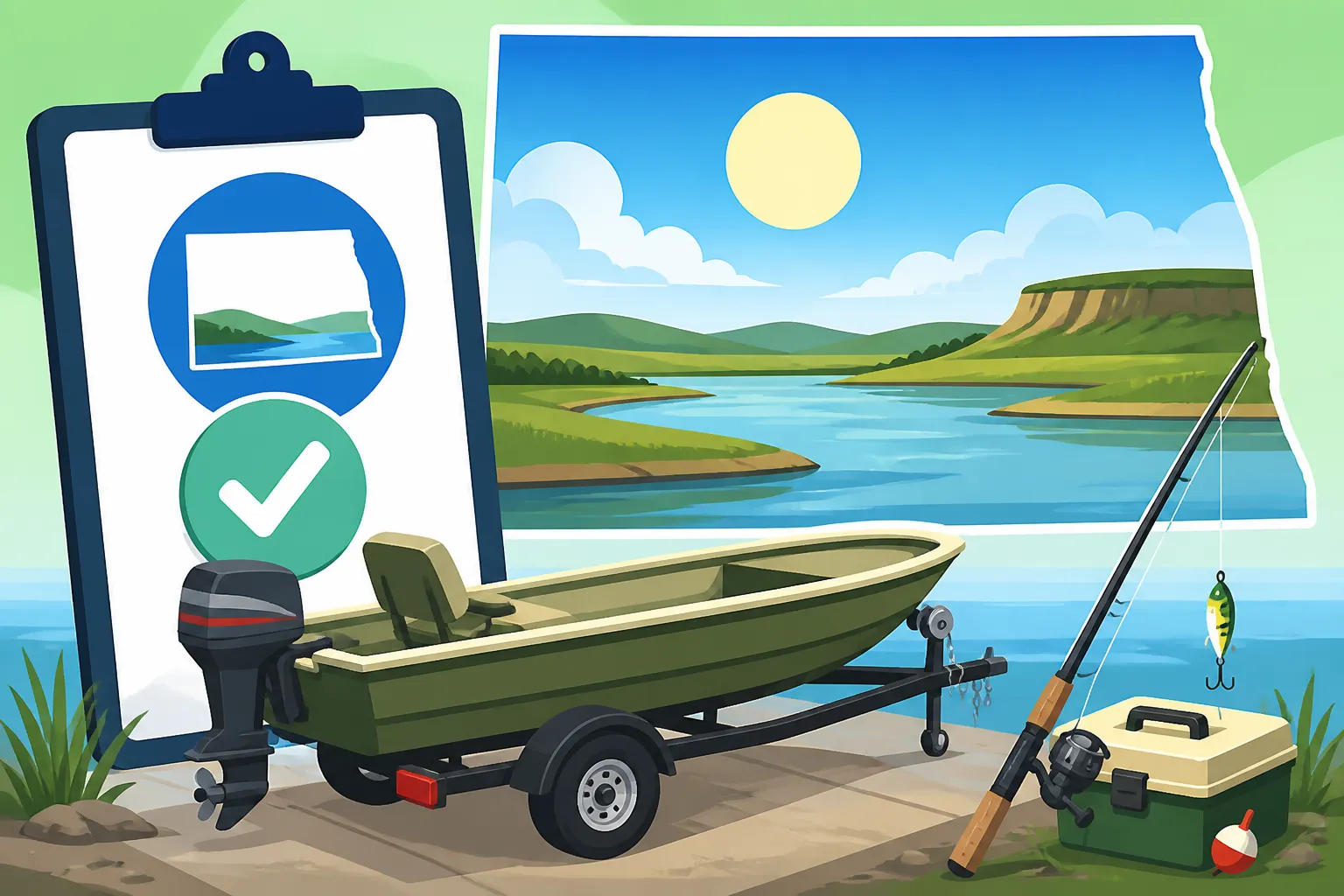
It can feel like a maze navigating all the rules and fees when you're just trying to get your boat out on the beautiful waters of North Dakota. For many of us who love the simplicity of a smaller craft, the question often boils down to: "How much is this actually going to cost me?" This comprehensive guide is here to untangle the specifics of registering a boat under 16 feet in North Dakota, so you can confidently hit the lake without any unexpected headaches or financial surprises.
Understanding North Dakota Boat Registration Fundamentals
Before we dive into the nitty-gritty of costs, it’s really helpful to get a solid grasp on why we even have these regulations in the first place and what they generally cover. Nobody likes paperwork or fees, but understanding the purpose can make the process a little less daunting. Think of it as contributing to the greater good of North Dakota's incredible waterways and fishing opportunities.
Who Needs to Register a Boat in North Dakota?
This is where a lot of confusion often creeps in, especially for folks with smaller boats. The general rule of thumb in North Dakota is quite clear: any motorized watercraft needs to be registered. This isn't just for those big fishing rigs or pontoon boats. This includes your small fishing boat with a trolling motor, your canoe with an outboard, or even your kayak if you've added an electric motor to it. Many people mistakenly believe that if it's small or if the motor is electric, it somehow gets a pass. Nope! If it has any form of mechanical propulsion, it needs to be registered with the North Dakota Game and Fish Department.
The only exceptions are typically non-motorized vessels like canoes, kayaks, stand-up paddleboards, and rowboats, as long as they never have a motor attached. Even if you only use the motor occasionally, that vessel still falls under the registration requirement. It's best to always err on the side of caution. If you're ever in doubt, check out the full North Dakota Boat Registration Requirements to ensure you're compliant before you even think about launching. It's a small step that saves a lot of potential hassle down the line, believe me. You don't want to be caught on Lake Sakakawea or Devils Lake by a Game Warden and find out you're out of compliance.
Key Components of Boat Registration Fees
When you register a boat in North Dakota, you're not just paying one lump sum. The total cost is usually a combination of a few different components, each serving its own purpose. Knowing what these components are helps demystify the bill and lets you understand where your hard-earned money is going.
First and foremost, there's the base registration fee. This is the primary cost associated with getting your unique registration number and decal. It covers the administrative costs of tracking all the boats on the state's waters and helps fund various programs related to boating access and safety. This base fee is generally determined by the length of your boat, which we'll dive into specifically for those under 16 feet.
Secondly, and this is a big one for North Dakota, there's the Aquatic Nuisance Species (ANS) fee. This fee is critically important for protecting our precious lakes and rivers from destructive invasive species like zebra mussels or Eurasian watermilfoil. Every registered boat, regardless of size, contributes to this fund. The money goes directly towards prevention, monitoring, and eradication efforts, which are vital for maintaining the health of our fisheries. You can learn more about the specifics of these protections in our guide to Aquatic Nuisance Species Rules for Boaters. It's a collective effort, and your contribution here helps keep North Dakota's waters vibrant for generations to come.
Finally, there might be a small processing fee if you register through a third-party vendor or online portal, though typically the North Dakota Game and Fish Department aims to keep these direct processes as simple and cost-effective as possible. There are no additional taxes on the registration itself, but it's always good to be aware of any small administrative charges.
Why Size Matters for Registration Costs
North Dakota, like many states, uses a tiered system for boat registration fees based on the length of the vessel. This makes sense when you think about it: larger boats generally have a greater impact on the waterways, require more resources to manage, and often imply a higher financial investment from the owner, thus justifying a slightly higher registration cost.
For our purposes, focusing on boats under 16 feet is important because this category typically represents the most affordable tier. This includes many smaller fishing boats, aluminum skiffs, utility boats, and any kayak or canoe that has been equipped with a motor. As the boat length increases, so does the base registration fee. This tiered structure ensures that the system is fair and proportional to the type of watercraft you're operating.
It’s always a good idea to accurately measure your boat, from bow to stern, to ensure you're placing it in the correct category. Don't eyeball it! A miscalculation could lead to either paying too much or, worse, being under-registered and facing penalties. We actually have a more detailed breakdown of all the different tiers in our North Dakota Boat Registration Fees by Size article, which can be really helpful if you're comparing different boat options or curious about how larger vessels are priced.
The Specifics: Registering a Boat Under 16 Feet
Alright, let's get down to brass tacks. You've got your small boat, maybe a trusty 14-foot aluminum fishing boat, and you're ready to get it officially registered so you can enjoy the peace and quiet of a North Dakota morning on the water. What exactly will that set you back?
Base Registration Fee for Smaller Vessels
For any motorized watercraft that measures less than 16 feet in length, the base registration fee in North Dakota is quite reasonable. As of the current regulations, this fee typically falls into the lowest tier.
Let's break it down: The North Dakota Game and Fish Department sets these fees, and they are generally valid for a three-year registration period. This means you pay once every three years, which is a nice perk compared to annual renewals in some other states.
For boats under 16 feet, the base registration fee is $35 for a three-year period. This is the core cost that gets your boat its unique identification number and the decal you'll need to display. It's a straightforward fee, designed to make getting smaller boats on the water accessible and affordable for many anglers and recreational boaters.
Keep in mind that this fee doesn't change whether your boat is 10 feet or 15 feet 11 inches; as long as it's under that 16-foot mark, it's in this bracket. This makes it particularly attractive for those looking at smaller, entry-level fishing boats or powered kayaks.
The Mandatory Aquatic Nuisance Species ANS Fee
Beyond the base registration fee, every motorized boat registered in North Dakota, regardless of its size, is required to pay an Aquatic Nuisance Species (ANS) fee. This isn't just another tax; it's a critical investment in the future of our state's waterways. Invasive species pose a massive threat to native fish populations, water quality, and the overall recreational experience.
The ANS fee for all motorized vessels is $15, and like the base registration, it's also paid for a three-year period. So, you'll pay this fee alongside your base registration every three years. This revenue goes directly into programs that educate boaters, monitor water bodies for new invaders, and implement rapid response plans when an ANS is detected. It's truly about protecting our natural resources and keeping our fishing spots healthy.
Imagine the devastation if zebra mussels took over every lake like they have in some other states. The fishing would suffer, boating infrastructure would be damaged, and the entire ecosystem could be thrown out of whack. That $15 every three years is a small price to pay to avoid that scenario, and it shows North Dakota's commitment to proactive conservation.
Calculating the Total Cost: Step-by-Step Example
Let's put these numbers together so you can see exactly what you'll be spending. This simple calculation will give you a clear picture of the total cost to register a small boat in North Dakota.
Suppose you've just purchased a 14-foot fishing boat with a small outboard motor, or maybe you've added an electric motor to your favorite 12-foot utility boat. You need to get it registered for the first time.
Step 1: Determine the Base Registration Fee.
Since your boat is under 16 feet, your base registration fee for the three-year period will be $35.
Step 2: Add the Aquatic Nuisance Species (ANS) Fee.
This mandatory fee for all motorized boats is $15 for the same three-year period.
Step 3: Calculate the Total.
Total Registration Cost = Base Registration Fee + ANS Fee
Total Registration Cost = $35 + $15 = $50
So, for a boat under 16 feet, you're looking at a total cost of $50 for three years of registration with the North Dakota Game and Fish Department. That breaks down to roughly $16.67 per year, which is incredibly affordable when you consider the access and protection it provides. This makes getting out on the water with a smaller craft a truly economical endeavor in North Dakota.
Here’s a quick summary table to keep things clear:
| Item | Cost (3-Year Period) | Notes |
|---|---|---|
| Base Registration Fee (Under 16 ft) | $35 | Required for all motorized boats under 16 feet. |
| Aquatic Nuisance Species (ANS) Fee | $15 | Mandatory for all motorized boats, regardless of size. |
| Total Cost | $50 | Total for a 3-year registration period for boats under 16 feet. |
This table should give you a clear, concise overview of the costs involved. It's a fantastic value for three years of boating!
Beyond the Fees: Other Important Considerations for Small Boats
While knowing the exact cost is crucial, there are other important aspects of boat registration and ownership that often get overlooked, especially for those new to boating or acquiring a smaller craft. Being prepared for these details will ensure your time on the water is smooth, safe, and entirely legal.
Initial vs. Renewal Costs and Periods
One common question is whether the initial registration cost differs from the renewal cost. In North Dakota, the good news is that for most recreational boats, the fees are generally the same for initial registration and subsequent renewals. So, that $50 total you paid for your under-16-foot boat will likely be the same amount you pay when it comes time to renew.
Speaking of renewal, as mentioned, North Dakota boat registrations are valid for a three-year period. This is a great system because it means less frequent paperwork and payments compared to states with annual registration cycles. You don't have to remember to renew every single year. The North Dakota Game and Fish Department typically sends out reminders as your expiration date approaches, but it’s always a good idea to keep track of it yourself. You can easily find information about when your registration period begins and ends. For example, our guide on the North Dakota Boat Registration Renewal Period 2026 to 2028 offers specific dates and details to help you stay on schedule. Missing a renewal can lead to penalties, which we definitely want to avoid!
Required Safety Equipment for Small Boats
Beyond the registration itself, operating any boat in North Dakota comes with safety responsibilities, and smaller boats are no exception. In fact, sometimes people think "small boat, fewer rules," but that's not always the case, especially regarding personal safety.
Even a small motorized boat, like a 14-foot fishing skiff or a motorized kayak, must carry essential safety gear. The U.S. Coast Guard and North Dakota law mandate certain items to ensure the safety of everyone on board. These typically include:
- Personal Flotation Devices (PFDs): You must have a U.S. Coast Guard-approved PFD (life jacket) for every person on board. Children 12 years of age and younger must wear a PFD when underway on any vessel. For those of us fishing in colder temperatures common in North Dakota, considering an inflatable PFD for adults can offer comfort without sacrificing safety. Check out guides like Best Life Jackets for Cold Water Fishing for specific recommendations.
- Sound-Producing Device: Something to signal with, like a whistle or horn. This is crucial for attracting attention in emergencies or foggy conditions.
- Visual Distress Signals (VDS): While less critical for small boats operating only during daylight hours or close to shore, it's good practice to understand VDS requirements. Most small recreational boats operating in coastal waters or certain designated areas need VDS. On inland lakes, typically visual distress signals are not required during daylight hours for boats under 16 feet. However, a good flashlight or lantern is always wise for unexpected delays.
- Fire Extinguisher: If your boat has an enclosed fuel compartment, permanently installed fuel tank, or other specific design features, a fire extinguisher might be required. Many small boats without these features are exempt, but it's always smart to have one if you carry any fuel or electrical systems.
- Navigation Lights: If you plan to operate between sunset and sunrise, or during periods of restricted visibility, your boat must display proper navigation lights. Even a small boat needs a white all-around light and combination red/green sidelights.
While the cost of the registration itself is low, factor in a small budget for acquiring these essential safety items if you don't already have them. Many of these items can be found readily at local sporting goods stores or online retailers like Amazon, ensuring you're ready for the water. Prioritizing safety not only keeps you legal but, more importantly, keeps you and your loved ones safe.
Where and How to Register Your Boat
Registering your boat in North Dakota is a fairly straightforward process, designed to be as convenient as possible. You have a few options, depending on what works best for you.
The most common and often easiest method is to register online through the North Dakota Game and Fish Department's website. This allows you to complete the entire process from the comfort of your home, upload any necessary documents, and pay the fees electronically. It's usually the quickest way to get your temporary registration and get those decals sent out.
Alternatively, you can visit one of the North Dakota Game and Fish Department offices in person. This is a great option if you prefer face-to-face interaction, have specific questions, or need immediate assistance. Their friendly staff are knowledgeable and can guide you through the paperwork.
Finally, there are various retail vendors across the state that are authorized to process boat registrations. These might include sporting goods stores, bait shops, or even some convenience stores. This can be super convenient if you're already out stocking up on fishing gear or on your way to a launch ramp. Just look for signs indicating they offer boat registration services.
Regardless of where you choose to register, you'll typically need proof of ownership (like a bill of sale or manufacturer's statement of origin) and personal identification. Make sure you understand the North Dakota New Boat Registration Deadline if you've just purchased a vessel, to avoid any late fees.
Potential Penalties for Unregistered Vessels
This is the part nobody likes to talk about, but it's really important to understand: fishing or boating with an unregistered motorized vessel in North Dakota can lead to significant headaches and financial penalties. It's not just a slap on the wrist.
Operating an unregistered boat is a violation of state law. If a Game Warden or other law enforcement officer stops you on the water and finds your motorized boat isn't properly registered, you could face fines. These fines can easily exceed the cost of the registration itself, making the initial savings of skipping registration completely moot. Beyond the immediate financial penalty, you might also be required to register the boat on the spot or have it removed from the water, which could ruin your day and cause further inconvenience.
It's similar to the penalties associated with fishing without a license, which you can read more about in Penalties for Fishing Without a License in North Dakota. The state takes its regulations seriously because they're in place to manage resources, ensure safety, and protect our environment. It's truly not worth the risk, especially when the registration cost for smaller boats is so affordable. Just take the few minutes to get it done, display your decals correctly, and enjoy your time on the water with peace of mind.
Special Circumstances and Exemptions
Sometimes, the rules aren't always black and white, and there are specific situations where a boat might be exempt from registration or have different requirements. Knowing these nuances can save you time and money, or ensure you don't inadvertently break a rule.
When a Small Boat Might Be Exempt
As we touched on earlier, the key to registration in North Dakota hinges on whether your vessel is motorized. This is where most exemptions for small boats come into play.
If you own a small vessel such as a canoe, kayak, rowboat, or stand-up paddleboard, and it does not have any form of mechanical propulsion attached, then it is generally exempt from registration. This means if you're paddling your kayak around Devils Lake or rowing your dinghy on a quiet slough, you typically don't need to register it. The moment you strap on an electric trolling motor, however, even a tiny one, that exemption vanishes, and your vessel becomes subject to registration requirements.
It's a common misconception that electric motors are "different" and don't count, but they absolutely do under North Dakota law. So, if you're thinking of adding a motor to your personal watercraft, make sure you understand that it will trigger the need for registration. For more specific details on this, you might find our article Do Kayaks Need to Be Registered in North Dakota? particularly helpful. The rule is consistent across all vessel types: motor equals registration.
Out-of-State Boat Registration and the 90-Day Rule
North Dakota welcomes visitors who want to enjoy its abundant waters, but there are specific rules for boats registered in other states. You can absolutely bring your out-of-state registered boat to North Dakota, but there's a limit to how long it can stay without needing North Dakota registration.
The general rule is that a boat legally registered in another state can be operated in North Dakota for a period not exceeding 90 consecutive days within any calendar year. This "90-day rule" is designed to allow temporary visitors to enjoy our lakes and rivers without having to jump through hoops for a new registration.
However, if you plan to keep your boat in North Dakota for longer than 90 consecutive days, or if you establish residency in North Dakota, you will then be required to register your boat with the North Dakota Game and Fish Department. This applies even if your boat is already registered in another state. It's important to keep track of your time in the state to remain compliant. Our guides like Can You Use an Out-of-State Boat Registration in North Dakota? and North Dakota 90-Day Rule for Out-of-State Boats delve deeper into these specific regulations, providing crucial details for non-residents or new residents.
Transferring Ownership of a Small Boat
If you're buying or selling a used boat, especially a smaller one, understanding the registration transfer process is vital. It's not just about handing over the keys; it's about making sure the official records are updated correctly.
When you purchase a registered boat, the previous owner's registration is typically no longer valid for you. As the new owner, you are responsible for transferring the registration into your name. This usually involves submitting a new application, proof of ownership (like a bill of sale signed by both parties), and paying any applicable transfer fees or the full registration fee if the previous registration has expired or is nearing expiration.
The North Dakota Game and Fish Department wants to ensure that current boat ownership information is accurate, primarily for safety reasons (like contacting owners in case of an emergency or finding a lost boat) and for enforcement. Failing to properly transfer registration can cause confusion and leave the new owner vulnerable to issues. Always prioritize getting the title and registration properly transferred as quickly as possible after a sale. It’s part of being a responsible boat owner.
Disclaimer
Please remember that while we strive to provide the most accurate and up-to-date information, fishing and boating regulations can change. It's always best practice to consult the official North Dakota Game and Fish Department website or contact them directly for the very latest rules, regulations, and fee schedules before making any decisions. This guide is intended for informational purposes only.