Northern Pike Casting Techniques
There's nothing quite like the electrifying jolt of a northern pike hitting your lure, a truly heart-stopping moment that keeps us coming back to North Dakota's waters. But let's be honest, those toothy critters aren't always easy to trick. Many anglers struggle with getting their presentations just right, consistently landing their lure in the strike zone, or simply covering enough water effectively. This comprehensive guide is designed to transform your casting game, helping you understand pike behavior, select the right gear, master advanced techniques, and ultimately put more big pike in your net.
Understanding Northern Pike Behavior and Habitat
Northern pike are apex predators in many North Dakota fisheries, renowned for their aggressive strikes and powerful fights. To consistently catch them, you first need to understand their world—where they live, how they move, and what makes them tick. Without this fundamental knowledge, you're just casting blind.
Where Pike Hide and Hunt
Pike are ambush predators through and through. They don't typically chase baitfish for long distances in open water; instead, they prefer to lie in wait, concealed by structure, ready to erupt in a sudden burst of speed when an unsuspecting meal swims by. This means that successful pike casting techniques are all about identifying and targeting these ambush points. Think about submerged weed lines, especially coontail and cabbage beds, which offer both cover and a rich food source for baitfish. Fallen timber, log jams, and beaver lodges along riverbanks or lake coves are also prime real estate for pike. In deeper lakes, rock piles, sudden drop-offs, and even points extending into the main lake can hold pike, particularly as water temperatures fluctuate. Knowing these preferred hideouts allows you to make precise casts, placing your lure directly in their strike zone rather than just randomly covering water. For more general information on these fascinating fish, check out our North Dakota Northern Pike Fishing Guide.
Imagine a calm bay on Lake Sakakawea, dappled with sunlight. You're looking for subtle cues: a slight ripple over a weed bed that indicates its depth, a dark shadow that might be a submerged log, or even a lone duck diving repeatedly in a specific area, suggesting a good food source below. These visual clues are invaluable. Casting parallel to a weed line is often more effective than casting perpendicular to it, as it keeps your lure in the "hot zone" for a longer period, increasing the chances of a pike spotting and attacking it. Remember, these fish are patient hunters; they won't expend energy unless they're confident of a meal. Your job is to make it easy for them.
Seasonal Movements and Aggression
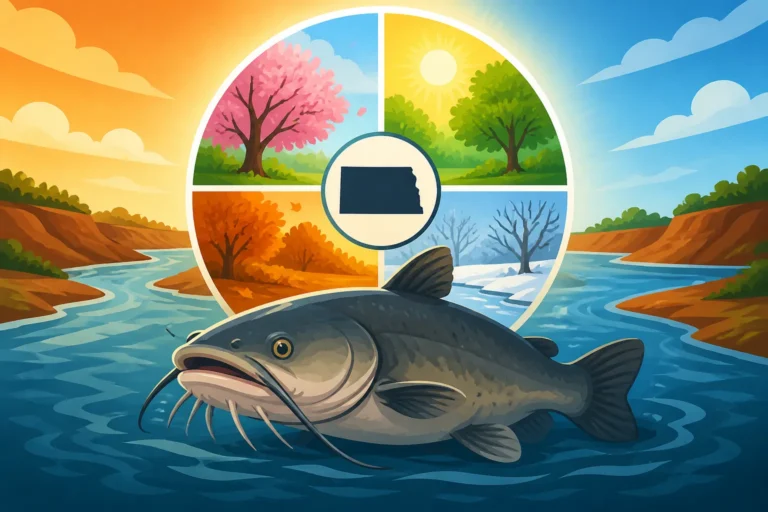
Pike behavior is heavily influenced by the seasons, which dictates their location and aggression levels. In early spring, shortly after ice-out and before the official spawning period for some species, pike are often found in shallow, warming bays and river backwaters. They're recovering from winter and are eager to feed. This is a fantastic time for casting, as they're often more aggressive and accessible in shallower water. As spring progresses and the water warms, you might find pike transitioning to slightly deeper weed edges or submerged structures. For specific timing, understanding When Does Northern Pike Spawn in North Dakota? can give you an edge, as fish can be concentrated before and after this event.
Summer sees pike move to deeper, cooler water, often associated with thermoclines or dense weed growth in the middle depths of lakes. This doesn't mean they're impossible to catch with casting techniques, but you might need to adjust your approach to target those deeper weed beds or drop-offs. Early mornings and late evenings, when the sun is less intense, often provide the best summer casting opportunities. Come fall, as water temperatures drop, pike experience a "second spring." They become incredibly active again, feeding heavily to build up fat reserves for winter. This fall feeding frenzy is a prime time for casting big, aggressive lures in areas where baitfish are abundant, often near creek mouths or main lake points. They're on the hunt, and your casting needs to reflect that aggressive pursuit.
Preferred Forage and Their Impact on Lure Choice
Knowing what northern pike are eating is crucial for selecting the most effective casting lures. In North Dakota, their diet is incredibly diverse, ranging from various panfish like yellow perch and crappie to larger baitfish such as ciscoes, suckers, and even smaller walleye. They are opportunistic feeders, so they'll often strike anything that resembles a distressed or easy meal. This is where observation comes in. If you see schools of baitfish flickering near the surface, or notice a particular species in the stomachs of fish you've caught, that's your cue. For example, if perch are abundant in a particular lake like Devils Lake, a perch-colored crankbait or swimbait might be incredibly effective. For those wondering how big these fish can get, we've compiled information on How Big Do Northern Pike Get in North Dakota?.
The size of their preferred forage also dictates the size of your lure. If pike are feeding on smaller minnows, a smaller spoon or spinnerbait might be more appropriate. However, if they're targeting larger prey, don't be afraid to throw truly massive lures—eight-inch swimbaits or oversized jerkbaits can be incredibly effective for attracting trophy pike. Often, a large presentation is what it takes to trigger a reaction strike from a wary, big fish. The goal is to mimic the natural prey in terms of size, profile, and action. Sometimes, a completely unnatural color or highly erratic action can trigger an aggressive reaction simply because it's something unexpected and seems like an easy target. Experimentation is key, but starting with what's on the menu is always a good bet.
Essential Gear for Northern Pike Casting
Having the right equipment can make all the difference when casting for northern pike. These fish are powerful, have razor-sharp teeth, and often inhabit areas with heavy cover. Skimping on gear can lead to lost fish, broken lines, and a frustrating day on the water.
Rod and Reel Combinations for Pike
When it comes to rods for northern pike casting, you'll want something with enough backbone to handle heavy lures and strong fish, but still sensitive enough to detect subtle bites. A medium-heavy to heavy power rod, typically 6'6" to 7'6" in length, is a solid choice. The extra length aids in longer casts and better leverage during a fight. Fast or extra-fast action is preferred, as it allows for quicker hook sets, crucial when a pike engulfs a lure. For instance, a 7-foot medium-heavy fast-action rod will give you a good balance for casting various lures and fighting powerful pike in most North Dakota lakes and rivers. Brands like St. Croix or Fenwick offer excellent options that can be found on platforms like Amazon, providing durability and performance. For a broader overview of rod choices, consider checking out Best Fishing Rods for North Dakota Anglers.
For reels, a sturdy baitcasting reel is often the preferred choice for casting heavier pike lures, offering excellent line capacity and casting control. Look for a reel with a robust drag system and a fast gear ratio (6.1:1 to 7.1:1) to quickly retrieve line and keep tension on the fish. Spinning reels can also be used, especially for lighter presentations or if you prefer the ease of a spinning setup. A 3000-5000 series spinning reel with a smooth drag and strong bail will suffice. The key is to match the reel to your rod, creating a balanced setup that feels comfortable and powerful in your hands. A smooth retrieve and consistent drag are far more important than any specific brand name.
Line Selection and Leaders
This is where many pike anglers make mistakes. Given their sharp teeth, standard monofilament line often won't cut it, literally. Braided line is hands-down the best choice for main line when casting for northern pike. Its superior strength-to-diameter ratio, zero stretch for incredible sensitivity, and excellent abrasion resistance make it ideal. A 30-50 lb test braided line is a good starting point for most pike applications. The lack of stretch in braid also means more solid hook sets, even at long distances. You can easily find high-quality braided lines like PowerPro or Sufix on Amazon. For more details on line choices for the region, consult our guide on Best Fishing Line for North Dakota Lakes.
Crucially, you must use a leader when fishing for pike. Ignoring this will inevitably lead to bite-offs and lost lures. Steel or fluorocarbon leaders are the most common choices. Steel leaders, either single-strand or multi-strand wire, offer maximum bite protection, but can sometimes hinder lure action. Fluorocarbon leaders, ranging from 40-80 lb test, are nearly invisible underwater and offer good abrasion resistance, allowing for more natural lure presentations. While fluorocarbon is tough, larger pike can still chew through it, so check your leader frequently for nicks and abrasions. The length of your leader is also important; aim for 9-18 inches to protect your main line. Using a strong snap swivel to attach your lure allows for quick changes and adds a bit of rotation to your presentation, which can be beneficial.
Tackle Box Essentials: Lures and Accessories
Your tackle box should be a well-stocked arsenal for varying conditions and pike moods. Beyond the obvious lures, several accessories are absolutely essential. First and foremost, a good pair of long-nosed pliers or a hook remover is critical for safely extracting hooks from a pike's toothy maw. Trying to use your bare hands is a recipe for injury. A quality Best Pliers for Removing Pike Hooks should be at the top of your list. A large landing net is also vital for safely landing and handling bigger pike, reducing stress on the fish and preventing injury to yourself. Look for a net with a rubberized or knotless mesh to protect the fish's slime coat. Check out our recommendations for a Best Landing Net for Landing Big Pike.
Other must-have items include a line cutter or small scissors for braided line, extra leaders, spare snap swivels, and a small first-aid kit for those inevitable nicks and scrapes. Don't forget sunscreen and insect repellent, especially during North Dakota's summer months. Carrying a small scale and measuring tape can also be fun for documenting your catches before release. When it comes to the tackle box itself, a durable, well-organized system will save you headaches on the water. Look for tackle boxes with adjustable compartments to keep your diverse array of lures neatly separated and easily accessible, ensuring you're not fumbling for the right spoon when the bite is on.
Mastering Different Casting Techniques
Casting for northern pike isn't just about throwing a lure as far as you can. It's about precision, control, and understanding how your lure interacts with the water and potential fish. Different situations call for different casting approaches.
Precision Casting to Cover Structure
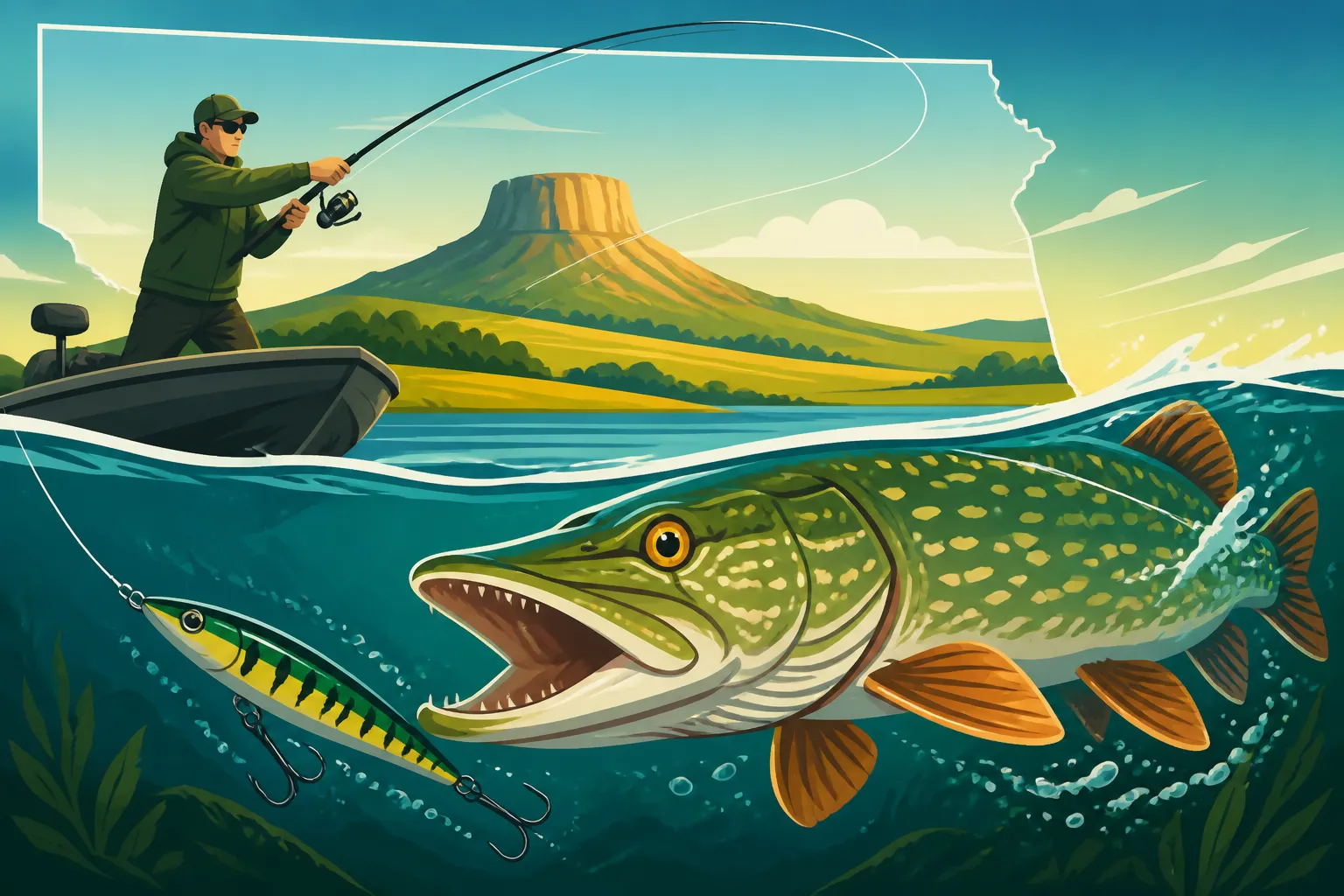
Northern pike, as we've established, love structure. This means your casting needs to be accurate. "Bomb and retrieve" casting—just launching your lure randomly into open water—is rarely effective for these ambush predators. Instead, focus on making targeted casts to specific pieces of cover: the edge of a weed line, a submerged log, a rock pile, or the shaded side of a dock. A clean, overhead cast can offer good accuracy and distance, but sometimes you'll need a roll cast or a pitch to get under overhanging branches or into tight pockets without spooking the fish.
Practicing your casting in your backyard, aiming at targets like a bucket or a small cone, can dramatically improve your accuracy. Pay attention to how your rod loads and unloads, and develop a smooth, consistent motion. The goal is to land your lure softly and accurately, minimizing splash, which can alert wary pike to your presence. Once your lure hits the water, immediately engage your reel to take up any slack line, allowing for an instant hook set if a pike strikes on the fall. This precision approach is especially critical when targeting smaller, isolated pieces of cover or when trying to sneak a lure into a narrow channel where you suspect a big fish is hiding. It's more about quality casts than quantity.
Covering Water with Fan Casting
While precision is key for specific targets, you also need an efficient way to search for pike across a wider area, especially when their exact location is unknown. This is where fan casting comes into play. Imagine standing on a point or in a boat, looking out over a fan-shaped section of water in front of you. You start by casting to the far left of your "fan," then make successive casts, gradually moving your casting angle to the right, until you've covered the entire section. This methodical approach ensures that you're systematically covering the water column and not missing any potential strike zones.
The distance of your casts should also vary. Start with shorter casts to cover the immediate area, then gradually increase your distance to explore farther out. This layered approach helps you identify where the fish might be holding—are they shallow and close to shore, or deeper and farther out? When fan casting, pay close attention to any changes in bottom structure, weed lines, or depth. If you get a bite or see any signs of fish activity, pause your fan casting and concentrate several more precise casts into that specific area. Often, pike will school in these productive zones, and where there's one, there are likely more.
Retrieving Lures for Maximum Appeal
The retrieve is where your lure truly comes alive and becomes irresistible to a pike. Different lures require different retrieve styles, but the overarching goal is to mimic injured prey or trigger an aggressive reaction. For spoons and spinnerbaits, a steady retrieve with occasional pauses or twitches can be deadly. Vary your retrieve speed: sometimes a fast burn is what it takes, other times a slow, methodical pull is more effective, especially in colder water. For crankbaits and jerkbaits, a "stop-and-go" retrieve, often called "rip-pause," can simulate a wounded baitfish perfectly. Rip the lure a few times to make it dart, then pause, letting it suspend or slowly rise/fall, which is often when a pike will strike.
Consider the depth you're trying to fish. If you're targeting Fishing Weed Lines for Northern Pike, you want your lure to just tick the tops of the weeds without getting bogged down. If fishing deeper structure, ensure your lure is getting down to the fish. A common mistake is retrieving too quickly, pulling the lure out of the strike zone before a pike has a chance to react. Experiment with different retrieve speeds, cadences, and pauses until you find what triggers bites on a given day. Don't be afraid to try something completely different if your usual retrieve isn't working; sometimes, a completely erratic, unpredictable action is exactly what a sluggish pike needs to commit.
Top Lures and Their Effective Presentations
Northern pike aren't picky eaters, but certain lures consistently outperform others for casting techniques. Understanding which lure to use and how to present it is crucial for consistent success.
Spinnerbaits and In-line Spinners
Spinnerbaits are incredibly versatile and effective for pike, especially when fishing around weeds and cover. Their unique design, with the wire arm protruding above the hook, makes them relatively weedless, allowing you to cast them into heavy cover where pike often lurk without constant snagging. The flash and vibration from the spinning blades (Willow, Colorado, or Indiana styles) are irresistible to pike, mimicking a fleeing baitfish. A good retrieve for a spinnerbait is often a slow, steady roll, just fast enough to keep the blades turning. Experiment with different blade combinations and skirt colors. Chartreuse, white, and black are perennial favorites. You can also vary the depth by using different weight spinnerbaits or by adjusting your retrieve speed.
In-line spinners, like the classic Mepps Aglia or Blue Fox Vibrax, are also fantastic choices. They're simpler in design, often consisting of a weighted body, a spinning blade directly on the shaft, and a dressed treble hook. These lures excel in shallower water or when you need to cover water quickly. Cast them out and retrieve them steadily. The blade rotation creates flash and vibration that pike can detect from a distance. Both spinnerbaits and in-line spinners can be incredibly effective during the spring and fall when pike are actively hunting in shallower areas. For excellent quality and a wide selection, you can often find a variety of these lures on Amazon, perfect for bulking up your tackle box.
Spoons and Jigs
Spoons are perhaps the simplest, yet one of the most effective lures for northern pike. Their wobbling, flashing action on the retrieve or fall perfectly imitates a struggling baitfish. Classic designs like the Daredevil or Johnson Silver Minnow have caught countless pike. Spoons come in various weights and colors; gold, silver, red/white, and five of diamonds are reliable options. They can be cast long distances and retrieved with a steady pull, or jigged vertically over structure. When fishing weeds, a weedless spoon can be invaluable, allowing you to drag it over the top of cover without getting hung up.
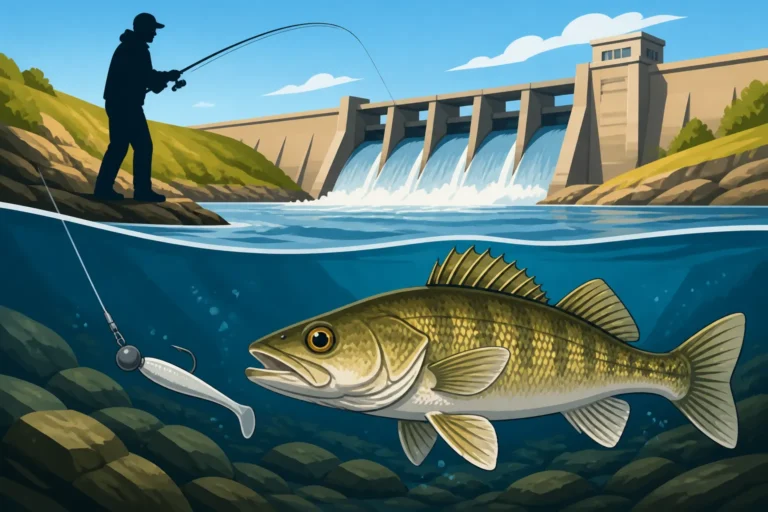
Jigs, while often associated with walleye, can also be highly effective for pike, especially when tipped with a soft plastic swimbait, a large grub, or even a piece of cut bait. Heavy jig heads (3/8 oz to 1 oz or more) are needed to get down to deeper pike quickly. The presentation is typically a lift-and-drop motion, letting the jig fall and then snapping it up, mimicking a bottom-feeding or wounded fish. This technique is particularly effective when pike are holding tight to bottom structure like rock piles or submerged timber. Combining a jig with a large plastic trailer can create a substantial profile that big pike can't resist.
Jerkbaits and Swimbaits
When targeting aggressive pike or trying to draw a reaction strike, jerkbaits and swimbaits are hard to beat. Jerkbaits are designed to be "jerking" or "ripped" through the water, creating an erratic, darting action that perfectly imitates a frantic baitfish. Suspending jerkbaits are particularly effective, as they hang motionless in the water column during pauses, giving a hesitant pike ample opportunity to strike. Sizes from 5 to 7 inches are common for pike. Colors that mimic local baitfish or vibrant firetiger patterns work well. The key is to experiment with the cadence of your jerks and pauses; sometimes short, quick rips are best, other times longer pulls with extended pauses are more productive.
Soft plastic swimbaits, especially those with realistic profiles and paddle tails, are another excellent choice. Rigged on a weighted swimbait hook or a jig head, they offer a lifelike swimming action that big pike find irresistible. Sizes can range from 4 to 10 inches, depending on the forage. They can be retrieved steadily, paused, or jigged. Hollow-bodied swimbaits can be especially effective when you want a slower fall or need to run the lure just above submerged vegetation. When selecting lures for Best Lures for Northern Pike in Spring, jerkbaits and swimbaits are definitely among the top contenders due to the pike's active feeding behavior during this season.
Here's a quick table summarizing common pike casting lures and their best uses:
| Lure Type | Best Use Case | Retrieve Style | Ideal Conditions | Notes |
|---|---|---|---|---|
| Spinnerbait | Weeds, shallow to mid-depth cover | Steady retrieve, occasional pauses | Spring, Summer, Fall | Weedless design, strong vibration |
| In-line Spinner | Shallow water, covering open areas, clear water | Steady, moderate retrieve | Spring, Summer, Fall | Classic appeal, simple to use |
| Spoon | Long casts, open water, weed edges, jigging | Steady retrieve, lift-fall, jigging | All seasons | Versatile, strong flash |
| Jig (tipped) | Deep structure, bottom fishing, vertical presentations | Lift-and-drop, slow drag | All seasons, especially deeper | Can customize with various plastics/bait |
| Jerkbait | Active fish, clear water, reaction strikes | Rip-pause-rip, erratic movements | Spring, Fall | Mimics wounded baitfish, suspending options |
| Swimbait (plastic) | Realistic presentation, various depths | Steady retrieve, slow roll, subtle twitches | All seasons | Natural profile, can be weighted/unweighted |
Strategic Approaches to North Dakota Pike Hotspots
Knowing how to cast is one thing; knowing where to cast to maximize your chances of encountering a hungry pike in North Dakota's diverse waters is another. Each type of water body requires a slightly different strategic approach.
Targeting Weedy Bays and Shallow Flats
North Dakota is dotted with numerous lakes and reservoirs that boast expansive weedy bays and shallow flats, perfect hideouts for northern pike. These areas are typically most productive in the spring and fall when water temperatures are cooler, and pike move shallow to feed or spawn. Think about places like Devils Lake or Lake Ashtabula, where flooded timber and emergent vegetation create ideal ambush points. When fishing these areas, focus your casts along the edges of weed beds, targeting pockets or points within the weeds. Often, the transition zone where shallow water meets deeper drop-offs right outside these bays can also be extremely productive.
Your approach should be stealthy. Approach these shallow areas quietly, either by slowly trolling with an electric motor or by drifting. Long casts are often necessary to avoid spooking fish. Use weedless lures like spinnerbaits, weedless spoons, or even shallow-diving crankbaits that just tick the tops of the vegetation. Pay attention to changes in weed type or density, as these variations can concentrate fish. If you're on a sunny day, look for shaded areas within the weeds or under overhanging trees, as pike often use these for cover from both the sun and predators. For advice on fishing from shore, check out How to Cast for Northern Pike From Shore.
Fishing Drop-offs and Structure on Larger Lakes
On larger lakes and reservoirs like Lake Sakakawea or Lake Oahe, pike will often relate to deeper structure during the warmer months or in lakes with limited shallow cover. This means targeting underwater points, humps, ledges, and deep weed lines. These areas provide access to deeper, cooler water while still offering proximity to baitfish. Here, your casting needs to be precise to ensure your lure reaches the appropriate depth and stays in the strike zone. Consider using heavier jigs or crankbaits that dive deeper to effectively work these submerged features.
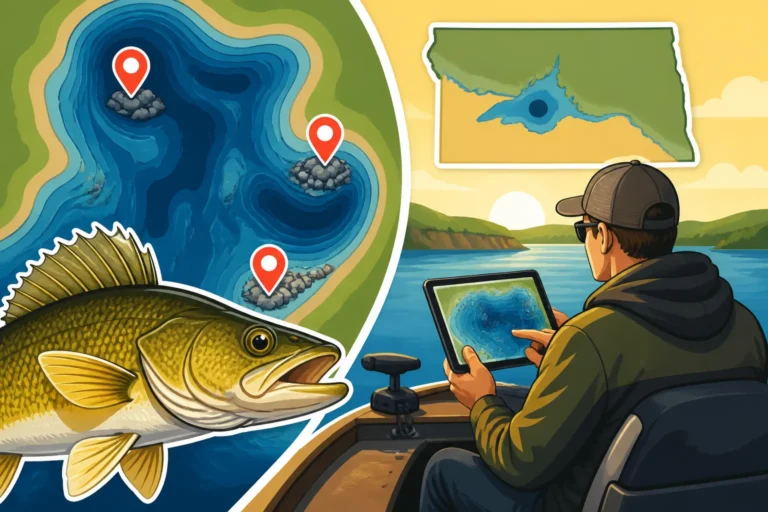
A good fish finder with GPS and mapping capabilities becomes invaluable here. Use your electronics to locate these depth changes and mark key spots. Once you've identified a promising drop-off or hump, position your boat to cast across it, allowing your lure to work its way down the slope. Trolling motor spot-lock features are fantastic for holding your position while you make repetitive casts to a specific piece of structure. Even if you're not getting bites on the first pass, try varying your casting angle and retrieve speed. Sometimes, a subtle change is all it takes to trigger a reaction from a deep-holding pike.
River Fishing for Northern Pike
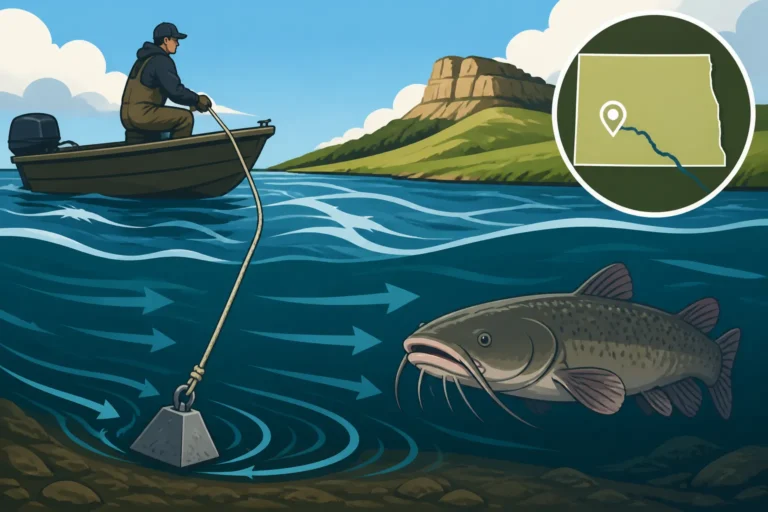
River systems like the Missouri River or the Sheyenne River present unique challenges and opportunities for casting pike. Rivers have current, which dictates where pike position themselves and how they react to lures. Pike in rivers often hold in eddies, behind current breaks like fallen trees or large rocks, or in slower backwaters that offer a respite from the main flow. These are your primary casting targets. Casting into the main current can sometimes be effective, but pike generally prefer to expend less energy, so they'll position themselves out of the strongest flow, waiting for prey to be washed past.
When fishing rivers, casts upstream into an eddy or current seam, allowing your lure to drift naturally before starting your retrieve, can be very productive. This mimics a baitfish being swept downstream. Spinnerbaits, swimbaits, and even larger spoons work well in rivers. Pay attention to river bends, tributary mouths, and any areas where the current slows down. During periods of high water, pike will often move into flooded shoreline vegetation or oxbows, which become prime shallow-water casting grounds. Remember that river pike can be incredibly strong due to constantly fighting the current, so be prepared for a hard fight once you hook one.
Adapting to Conditions and Troubleshooting Common Challenges
Even with the best gear and techniques, fishing for northern pike in North Dakota can throw you curveballs. Being able to adapt to changing conditions and troubleshoot common problems is a hallmark of a seasoned angler.
Wind, Weather, and Water Clarity
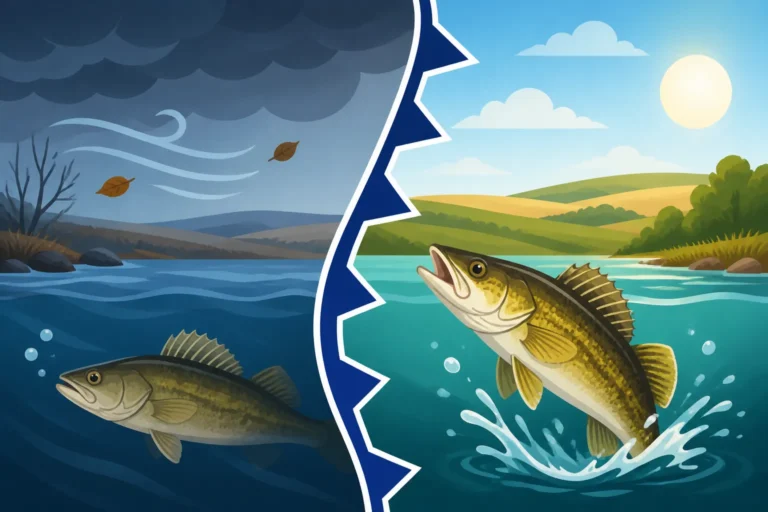
North Dakota is known for its winds, and these can significantly impact your casting. Strong winds make accurate casting difficult and can create choppy water, making it harder for fish to see your lure. On very windy days, try to position yourself to cast with the wind at your back, which will aid in longer, more accurate casts. Consider heavier lures that are less affected by wind. In terms of weather, overcast days are often excellent for pike fishing, as the reduced light encourages them to be more active in shallower water throughout the day. Bright, sunny days might push them deeper or into heavier cover, necessitating a change in your approach.
Water clarity is another huge factor. In clear water, pike rely heavily on sight, so natural colors and more realistic presentations are often best. You might also need longer fluorocarbon leaders. In stained or murky water, pike rely more on their lateral line to detect vibrations. This is where lures with strong vibration and flash, like spinnerbaits with large Colorado blades or noisy crankbaits, truly shine. Bright, contrasting colors like chartreuse, orange, or firetiger can also be more visible in lower clarity. Always observe the water conditions when you arrive and adjust your lure selection and retrieve speed accordingly.
Dealing with Snags and Backlashes
Snags are an inevitable part of fishing for pike, especially when targeting heavy cover. They can be incredibly frustrating and costly in terms of lost lures. To minimize snags, choose weedless lures where appropriate and try to cast just past the cover, retrieving your lure through it, rather than directly into it. If you do get snagged, resist the urge to violently yank your line. Often, a gentle series of pulls from different angles can dislodge the lure. If fishing from a boat, you can often motor over to the snag and try to carefully free it by pulling the line from the opposite direction.
Backlashes, or "bird's nests," are the bane of every baitcasting angler, particularly when learning. They happen when the spool spins faster than the line is peeling off, creating a tangled mess. The best way to prevent them is through proper reel setup (setting your cast control and spool tension correctly), thumb control during the cast, and practice. When casting into the wind, backlashes are more common, so lighten up your lure, reduce your casting power, and increase your reel's cast control settings. If you do get a backlash, stop casting immediately and patiently work out the tangle; trying to force it will only make it worse. With practice, baitcasting becomes second nature, and backlashes become a rare annoyance.
Handling and Releasing Pike Safely
Once you've successfully cast, hooked, and fought a northern pike, the job isn't over. Proper handling and release are crucial for the fish's survival and for your safety. Pike have sharp teeth and can thrash violently. Always use a large landing net to secure the fish alongside the boat or shore. Avoid lifting large pike by the line or by placing your fingers in their gills, as this can cause severe internal damage.
For removing hooks, especially if they're deep, long-nosed pliers or a specialized hook remover are essential. If you plan to release the fish, try to keep it in the water as much as possible, only lifting it briefly for a photo if desired. Hold the fish horizontally, supporting its belly, and avoid squeezing its midsection. If the hook is too deep or the fish is severely injured, it's often best to cut the line as close to the hook as possible. Northern pike are a valuable resource in North Dakota, and practicing good catch-and-release techniques ensures healthy fisheries for years to come.
Disclaimer
Fishing regulations, license requirements, and safety guidelines can change. Always consult the latest North Dakota Game and Fish Department proclamations and local authorities before heading out on the water. This guide is for informational purposes only and does not supersede official regulations.