Catfishing at Night in North Dakota
Many anglers struggle to find the biggest, most aggressive channel catfish during the scorching North Dakota daytime, often battling boat traffic and bright sun that keeps these whiskered giants hunkered down. If you've ever felt that frustration, or simply want to tap into an entirely different world of angling, then embracing the darkness is your secret weapon. This comprehensive guide will walk you through everything you need to know about productive catfishing at night in North Dakota, from understanding their nocturnal habits to the essential gear and techniques for success under the stars.
Why Night Catfishing is a Game Changer in North Dakota
Understanding Catfish Nocturnal Habits
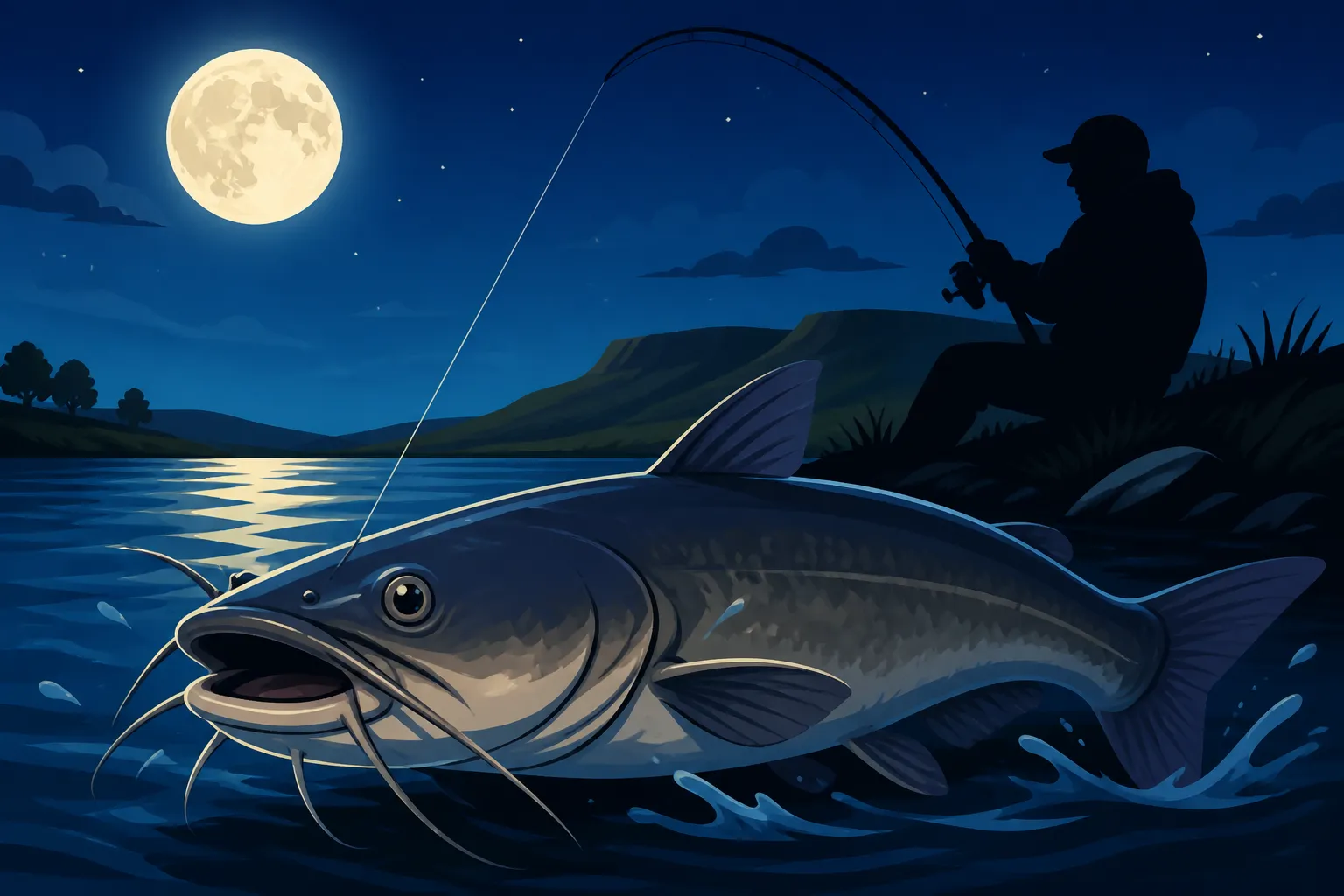
Catfish, particularly the impressive channel cats we chase in North Dakota, are largely nocturnal hunters. This isn't just a quirky preference; it's a fundamental part of their biology and survival strategy. During the day, especially in clear, shallow waters, they often retreat to deeper, cooler, and darker haunts – think submerged logs, rock piles, deep holes, or undercut banks. They're trying to avoid predators (like eagles or ospreys) and the intense sunlight that bothers their sensitive eyes. As dusk settles and the sky darkens, a remarkable transformation occurs.
The cover of night provides safety, allowing them to move into shallower feeding flats, along shorelines, and into areas rich with baitfish and other delicious morsels they might shy away from in broad daylight. Their keen sense of smell, lateral line, and barbels (those prominent whiskers) are perfectly adapted for navigating and hunting in low-light conditions. This means they are actively on the prowl, making them significantly more accessible and aggressive to anglers once the sun dips below the horizon. It's like flipping a switch – from passive to predatory. This shift in behavior makes night fishing not just a different experience, but often a far more productive one for serious catfish enthusiasts.
Escaping the Day-Time Crowds and Heat
Let's be honest, fishing can sometimes feel like a competition, especially on popular lakes during a beautiful summer day. You're jostling for space at boat ramps, fighting wakes, and dealing with the constant buzz of other recreational activities. When you switch to night catfishing, you often find yourself with a tranquil expanse of water, far from the madding crowds. This solitude isn't just peaceful; it significantly reduces fishing pressure on your target species. There's a different kind of calm that settles over the water when the sun goes down, making it easier to concentrate and enjoy the natural world.
Beyond the crowds, the intense summer heat in North Dakota can be brutal. Not only is it uncomfortable for anglers, but it also impacts fish behavior, pushing them into lethargy or deeper, cooler water. Night fishing offers a refreshing escape. The cooler air temperatures make for a much more pleasant experience, allowing you to focus on the fishing without battling sweat and sunburn. Plus, the reduced boat traffic means less disturbance in the water, which can contribute to more consistent bites. You might even find yourself catching fish in spots that are completely unproductive during the brighter hours because of this decreased pressure and activity.
The Thrill of the Fight in the Dark
There's something uniquely exhilarating about hooking into a powerful channel catfish when you can barely see your rod tip. The fight feels amplified in the darkness; your senses become heightened, relying on the sound of your reel screaming and the feel of the tug on your line. A 10-pound catfish during the day is fun, but that same fish at night becomes a monster. The surprise, the raw power, and the reduced visibility combine to create an unforgettable angling experience that will keep you coming back for more.
It’s not just the physical fight; it’s the entire atmosphere. The quiet calm, the starry sky, the mysterious splashes in the distance – it all adds to the mystique. When that rod doubles over and your drag starts singing, it's pure adrenaline. You learn to trust your instincts and your gear in a way that daytime fishing rarely demands. It's a true test of an angler's skill and patience, often leading to bigger, more memorable catches. For a deep dive into targeting these impressive fish, check out our guide on North Dakota Channel Catfish Fishing Guide for more insights into their habits and where they hide.
Prime North Dakota Waters for Night Catfishing
Red River of the North Hotspots
When it comes to night catfishing in North Dakota, the Red River of the North is practically legendary. This unique northward-flowing river boasts an incredible population of trophy-sized channel catfish, and they become exceptionally active after dark. The Red River's turbid (murky) waters already favor catfish, as their low-light vision and scent-based hunting skills give them an advantage regardless of the time of day, but at night, it’s truly prime time for these whiskered giants.
Look for areas with current breaks, deep holes, outside bends, and tributary mouths. Structures like fallen trees, bridge pilings, and rocky shorelines also provide excellent cover for catfish to stage during the day and then move out to feed at night. Popular access points near cities like Fargo, Grand Forks, and Drayton often provide fantastic opportunities, but don't be afraid to explore more secluded stretches, especially if you have a reliable boat. The sheer size and fighting power of Red River catfish are what draw anglers from all over, especially after the sun goes down. To pinpoint exact locations, our Red River Catfish Fishing Spots in North Dakota article is an invaluable resource for finding those honey holes.
Missouri River System Opportunities
While the Red River gets most of the glory for giant cats, the mighty Missouri River system, including its main stem and massive reservoirs like Lake Sakakawea and Lake Oahe, offers fantastic night catfishing as well. These waters might be clearer than the Red in some sections, making the catfish even more reliant on darkness for their major feeding movements. Along the main stem of the Missouri River, particularly below the Garrison Dam near Riverdale and through the Bismarck/Mandan area, look for deep scour holes, current seams, and areas where feeder creeks enter the main river. These are natural congregation points for various fish species, including catfish.
On Lake Sakakawea and Lake Oahe, focus on shallow flats adjacent to deep channels, submerged structure, and points that drop off into deeper water. These massive reservoirs can be intimidating, but scouting during the day for potential night spots can pay off immensely. Catfish will move up from the depths into these shallower feeding grounds under the cover of darkness, making them accessible to patient anglers. The Missouri River Fishing Guide offers a broader look at fishing opportunities across this expansive system, giving you a comprehensive understanding of where to focus your efforts.
Smaller Lakes and Reservoirs with Big Catfish
Don't overlook the myriad of smaller lakes and reservoirs scattered across North Dakota. Many of these waters, while not as famous as the Red or Missouri, hold surprisingly healthy populations of channel catfish, and they can be fantastic for night fishing. Lakes like Lake Ashtabula, Jamestown Reservoir, and Heart Butte Dam are known to produce quality catfish that can put up an impressive fight. In these smaller bodies of water, the catfish often roam more freely across the entire lake at night, moving from deeper daytime sanctuaries to shallower flats, points, and even rip-rap shorelines.
The key is to target areas with abundant forage and some form of structure. Think about where baitfish would gather, or where insects might fall into the water. In smaller lakes, even small changes in depth or bottom composition can be a magnet for feeding catfish. These areas provide both cover and a consistent food source. Access is often easier on these lakes too, making them a great option for a spontaneous evening outing without a long journey, allowing you to quickly get to your favorite spots.
Essential Gear for Your Night Catfishing Expedition
Rods, Reels, and Line for the Big Ones
When targeting North Dakota channel catfish at night, especially on the Red River where true giants lurk, you absolutely need robust gear. A medium-heavy to heavy action rod, typically 7 to 9 feet in length, is ideal. This length provides good casting distance for getting your bait out to prime spots and the leverage needed to battle powerful fish in current. For reels, a quality baitcasting reel or a large spinning reel with a smooth, reliable drag system is crucial. Look for reels capable of holding ample line, as a big cat can make some impressive runs.
Speaking of line, braided line is a favorite among seasoned catfishermen for its strength, sensitivity, and resistance to abrasion. A 30 to 60-pound test braided line is a good starting point, depending on the average size of fish you expect to encounter and the amount of snags in the water. Monofilament of 20 to 30-pound test can also be used, especially if you prefer a bit more stretch. Remember, these fish fight hard, and you don't want to lose a potential personal best due to insufficient gear. For a detailed guide on specific setups, be sure to read our Best Rod Setup for Red River Catfish article. You can often find great deals on these robust setups on Amazon.
Lighting and Visibility Equipment
Fishing at night means you'll need reliable light sources, but there's a delicate balance. Too much bright, direct light can spook fish, especially in shallower water. A good headlamp with both a bright white light and a red light option is indispensable. The red light preserves your night vision and is less likely to alarm fish. You’ll primarily use the white light for rigging, baiting, and landing fish. For boat anglers, proper navigation lights are legally required, but also essential for safety. Beyond that, a small, ambient LED lantern can provide enough light in your boat or fishing area without being overpowering.
Don't forget reflective tape for your rods or gear, making them easier to spot if they get pulled into the water. A good spotlight or powerful flashlight for scanning the water for hazards or when landing a fish is also a smart addition. For shore anglers, glow sticks attached to rod tips can act as excellent bite indicators, signaling even the subtlest takes in the dark. Safety on the water at night is paramount, and adequate lighting goes a long way in preventing accidents and ensuring a smooth, enjoyable trip.
Bait and Scent Strategies for Night Success
Catfish are primarily scavengers with an incredible sense of smell, and this is amplified at night. Therefore, stinky, oily baits are your best friend. Cut bait, such as fresh shad, suckers, or other oily fish, is a perennial favorite. The oilier the fish, the better the scent trail it leaves in the water. Store-bought stink baits, dip baits, and punch baits are also highly effective, especially for channel catfish. These often come in forms designed to stick to sponge hooks or special bait holders, ensuring they stay on during casts and current.
Live bait can also be very productive, particularly large shiners or small suckers, especially when targeting larger flathead catfish (though channel cats won't turn them down). Chicken livers are another classic, though they can be messy and tend to fall off the hook easily. Regardless of your choice, ensure your bait is fresh and plentiful. Experiment with different scents and presentations; what works one night might not work the next. Our guide on Catfish Bait Techniques for the Red River offers extensive details on specific baits and how to present them effectively. Also, a good supply of these specialized baits can be sourced easily on Amazon, ensuring you're always stocked for your next outing.
Mastering Night Catfishing Techniques
Strategic Bait Placement and Presentation
Successful night catfishing often boils down to putting your bait in the right place at the right time. Catfish will typically move shallower to feed under the cover of darkness. For river fishing, target current seams, eddies, and the deeper edges of shallower flats where catfish might ambush prey. Casting to the outside bends where the current has carved out deeper holes is another excellent strategy. If fishing a lake or reservoir, focus on points, humps, and submerged structure adjacent to deeper water, as these act as highways for feeding fish.
For presentation, a simple slip-sinker rig is incredibly effective. This rig allows the line to run freely through the weight, so the catfish doesn't feel resistance when it picks up the bait. Use a circle hook of appropriate size (4/0 to 8/0 are common for channel cats) as these are excellent for jaw-hooking fish, making for easier release and less harm to the fish. Ensure your bait is presented naturally on the bottom or slightly above, allowing its scent to disperse with the current or natural water movement. You might also find helpful information in our article on Night Fishing Techniques for Catfish for more specific approaches.
Anchoring and Positioning Your Boat
If you're fishing from a boat, proper anchoring and positioning are critical, especially in river systems like the Red River or Missouri, where current is a factor. You want to anchor upstream from your desired fishing spot, allowing your bait to drift naturally into the zone where you expect catfish to be feeding. Using two anchors – one off the bow and one off the stern – provides better stability and allows you to precisely position your boat, holding it securely against the current or wind. This also prevents your boat from swinging, which can tangle lines or pull baits out of the strike zone.
When fishing on larger, calmer lakes, a single anchor might suffice, but consider using a drift sock or a second anchor if there's any significant wind. Positioning your boat correctly also influences how easily you can manage multiple lines, which is important given North Dakota's generous How Many Lines Can You Fish With in North Dakota? regulations. Make sure you have enough space to fight a large fish without tangling with other lines or obstacles. Learning How to Anchor a Boat on the Red River can be a game-changer for your success, helping you stay put even in strong currents.
Reading the Water in the Dark
While vision is limited at night, successful night anglers learn to "read" the water using other senses and subtle clues. Listen for splashes, baitfish busting the surface, or the distinctive "slurp" of a catfish feeding. Pay attention to changes in water temperature, especially if you have a fish finder (which often has a temp gauge). Small temperature breaks can indicate current changes or areas where different water bodies meet, attracting fish.
For river anglers, understanding the current is paramount. You can often feel the changes in current strength through your line. Look for areas where the current slows down, creating an eddy, or where it sweeps around a bend. These are prime ambush points. On lakes, remember the structure you scouted during the day. Even in the dark, you can mentally picture the drop-offs, humps, and weed lines where fish are likely to congregate. Your knowledge of the Seasonal Fish Movement Patterns in North Dakota Lakes can greatly assist in predicting where fish will be, combining daytime scouting with nocturnal intuition.
Safety First: Navigating North Dakota Waters After Dark
Navigational Safety and Regulations
Fishing at night, while rewarding, introduces additional safety considerations, especially if you're on the water in a boat. Always ensure your boat's navigation lights are fully functional and properly displayed. In North Dakota, these are mandatory after sunset and before sunrise. Carry a robust spotlight to help navigate, identify buoys, or spot hazards like floating debris or other vessels. Know your waterways intimately. If you're unfamiliar with a particular lake or river, it's wise to scout it thoroughly during the day before venturing out at night. Submerged rocks, sandbars, and shallow areas that are easy to spot in daylight become invisible hazards in the dark.
Furthermore, always have enough PFDs (personal flotation devices) for everyone on board, and consider wearing yours at all times, especially when moving around the boat or in strong currents. A marine radio or fully charged cell phone (in a waterproof case) is also crucial for communication in an emergency. Be aware of the North Dakota Boat Registration Requirements and other boating laws that apply to night operation, as adherence to these rules is not just legal, but critical for your safety and the safety of others.
Weather Awareness and Preparation
North Dakota weather can be unpredictable, and conditions can change rapidly, making diligent weather monitoring essential for night fishing. A clear, calm evening can quickly turn into a windy, stormy night, and being caught unprepared in the dark is a dangerous situation. Always check the forecast thoroughly before heading out and throughout your trip using reliable weather apps or marine weather forecasts. Look for sudden drops in temperature, approaching thunderstorms, or significant wind changes, as these can severely impact your ability to navigate and fish safely.
Dress in layers, even on warm summer nights, as temperatures can plummet after dark. Bring rain gear, even if rain isn't in the forecast – better safe than sorry. If you notice a storm brewing or winds picking up significantly, don't hesitate to pack up and head for shore. No fish is worth risking your safety. Understanding North Dakota Fishing Regulations Explained can also help ensure you're compliant with any rules related to adverse weather or emergency situations that might arise.
Personal Safety and Emergency Planning
Beyond navigational safety, personal preparedness is key. Always let someone know your float plan: where you're going, who you're with, and when you expect to return. This is a non-negotiable safety practice, whether you're fishing alone or with a group. Pack a well-stocked first-aid kit, a whistle, a fully charged power bank for your phone, and extra batteries for all your electronics. Consider bringing a portable jump starter for your boat motor, just in case, to avoid being stranded.
If fishing from shore, be aware of your surroundings, especially in remote areas. Bring a buddy if possible. Keep your fishing area tidy to avoid tripping hazards in the dark. Finally, be mindful of your energy levels. Night fishing can be tiring, and fatigue can lead to mistakes. Stay hydrated and bring snacks to keep your energy up. Planning for potential emergencies ensures that a night of enjoyable fishing doesn't turn into a nightmare, allowing you to focus on the thrill of the catch rather than unexpected dangers.
Seasonal Considerations for Productive Night Catfishing
Summer Nights: Peak Catfishing Action
Without a doubt, summer nights offer the most consistent and often the most explosive catfishing action in North Dakota. As the intense daytime heat pushes catfish into deeper, cooler water, the dropping temperatures of evening trigger their active feeding periods. From late May through early September, especially once water temperatures are consistently warm (65-75°F), catfish will move into shallower areas, flats, and along current breaks to feast. This is their prime time to gorge themselves.
During these months, baitfish are abundant, and catfish are actively trying to bulk up. Target the first few hours after sunset and the hours leading up to sunrise for the most intense bites. The middle of the night can also be productive, but often the transition periods are best, as fish are on the move. This is when you can really put some numbers in the boat and have a shot at those true trophy cats that call North Dakota home. For specific timing, our guide on the Best Time of Year for Catfish on the Red River has more detailed information to help you plan your summer outings.
Fall Transition: Locating Hungry Cats
As summer gives way to fall, the night catfishing opportunities begin to shift but remain excellent. In early fall, as water temperatures start to gradually cool, catfish often go on a pre-winter feeding binge, trying to pack on calories. They might still be found in similar areas as summer, but as temperatures continue to drop, they’ll start moving towards deeper holes and wintering areas. The night bite can still be very strong, especially on warmer fall evenings, but you might need to adjust your locations to track their movements.
Focus your efforts on deeper bends in rivers, the mouths of tributaries, and deeper channels in lakes and reservoirs. They might not be as actively roaming the shallow flats, but they will still move to feed, often following baitfish as they seek out warmer water. The key is to find those transition areas where they move between their deep sanctuaries and their feeding grounds. While the peak intensity of summer might fade, the chance at a truly massive fall cat remains, as these fish are incredibly hungry and focused on feeding.
Spring Opportunities After Ice-Out
When the ice finally melts and open water returns to North Dakota, early spring can offer some interesting, albeit more challenging, night catfishing opportunities. As water temperatures slowly climb, catfish begin to stir from their winter lethargy. While they won't be as aggressive or widespread as in summer, the lack of heavy fishing pressure and the general awakening of the ecosystem can present unique chances for patient anglers.
Look for areas where warmer water might be entering the main body, such as shallow, dark-bottomed bays that absorb sunlight, or the mouths of feeder creeks that might carry warmer runoff. These warmer pockets attract baitfish, and consequently, catfish seeking an easy meal. The bite might be slower, but the fish you catch will be strong and hungry, having conserved energy over the cold winter months. As the water warms closer to the spawn, catfish become more active, and night fishing can be a strategic way to target pre-spawn staging areas before they move into their spawning grounds.
| Gear Category | Essential Item | Why It's Crucial | Night Fishing Specifics |
|---|---|---|---|
| Rods & Reels | Medium-Heavy to Heavy Rod | Provides leverage for big fish and casting distance. | 7-9 feet length recommended for most applications. |
| Quality Baitcasting/Spinning Reel | Smooth drag is paramount; ample line capacity for powerful runs. | Ensure good retrieve ratio for quick line pickup. | |
| Line | Braided Line (30-60lb) | High strength, minimal stretch for sensitivity, abrasion resistance. | Allows for immediate hooksets in the dark. |
| Monofilament (20-30lb) | Good for shock absorption; less prone to wind knots than braid. | Can be a good alternative if you prefer stretch. | |
| Hooks & Rigs | Circle Hooks (4/0-8/0) | Excellent for jaw-hooking, reduces deep gut hooks, easier release. | Essential for safe fish handling and preservation in low light. |
| Slip-Sinker Rigs | Allows fish to take bait without feeling resistance. | Preferred for natural bait presentation on the bottom. | |
| Lighting | Headlamp (Red/White Light) | Hands-free illumination; red light preserves night vision and spooks fish less. | Crucial for baiting, rigging, and safe movement. |
| LED Lantern (Ambient) | Provides soft, non-intrusive light for boat/shore area. | Avoids blinding others or spooking fish with harsh light. | |
| Spotlight/Powerful Flashlight | For navigating, spotting hazards, and locating fish. | Long-range illumination for safety and identifying targets. | |
| Bait | Cut Bait (Shad, Sucker) | Oily, stinky baits are irresistible to catfish; leaves strong scent trail. | Freshness is key; attracts nocturnal hunters from a distance. |
| Stink/Punch/Dip Baits | Strong odor, designed to adhere to specialized hooks or sponges. | Extremely effective for attracting channel catfish. | |
| Chicken Livers | Classic catfish bait, very effective scent, but can be messy. | Best used with bait holders or treble hooks to keep it on. | |
| Safety | PFDs (Life Jackets) | Mandatory and essential for all on board, especially at night. | Wear them; accidents are harder to see and react to in the dark. |
| Marine Radio/Cell Phone | Communication in emergencies; waterproof case for phone. | Vital for summoning help if needed. | |
| First-Aid Kit | For minor injuries; harder to assess wounds in the dark. | Be prepared for cuts, hooks, etc. | |
| Reflective Tape | Apply to rods, nets, and other gear for easy visibility. | Helps locate dropped items or identify gear in the dark. | |
| Other Essentials | Large Landing Net | Necessary for safely landing large catfish. | A wide, deep net prevents fish from escaping in low light. |
| Heavy-Duty Gloves | Protects hands from spines, hooks, and rough fish skin. | Reduces risk of injury when handling powerful, spiny fish. | |
| Cooler with Ice | Keeps your catch fresh, keeps drinks cold. | Maintains quality of fish for consumption. |
Disclaimer
The information provided in this guide is for general informational purposes only. Fishing regulations, safety guidelines, and best practices can change. Always consult the most current North Dakota Game and Fish Department regulations before heading out. Exercise caution and personal responsibility when fishing, especially at night.