Best Time of Day to Catch Walleye
You’ve probably stood on the shore or sat in your boat, rods at the ready, staring at the vast expanse of a North Dakota lake, wondering if you're even out there at the right time. It's a common frustration—you’ve got the right gear, the right bait, but sometimes the walleye just aren't biting. Understanding the best time of day to catch walleye isn't just about luck; it's about knowing their habits. This comprehensive guide will dive deep into the daily patterns of walleye, helping you decipher when to cast your line for the greatest success across North Dakota's diverse fisheries.
Understanding Walleye Behavior: Why Timing Matters
Walleye are fascinating creatures, and cracking their code often means paying close attention to their biological rhythms and environmental factors. They aren't just randomly swimming around waiting to bite; their activity is highly influenced by light, temperature, and hunger. Ignoring these cues can lead to frustratingly slow days, while understanding them can turn a quiet morning into a memorable fish fry.
Light Sensitivity and Eye Structure
One of the most critical factors influencing walleye activity is their unique eye structure. Walleye have large, sensitive eyes that are incredibly efficient in low-light conditions. Their eyes possess a reflective layer called the tapetum lucidum, similar to cats' eyes, which helps them see exceptionally well when it's dim. This is a huge advantage over many of their prey species and the baitfish they hunt, which often rely more on daylight.
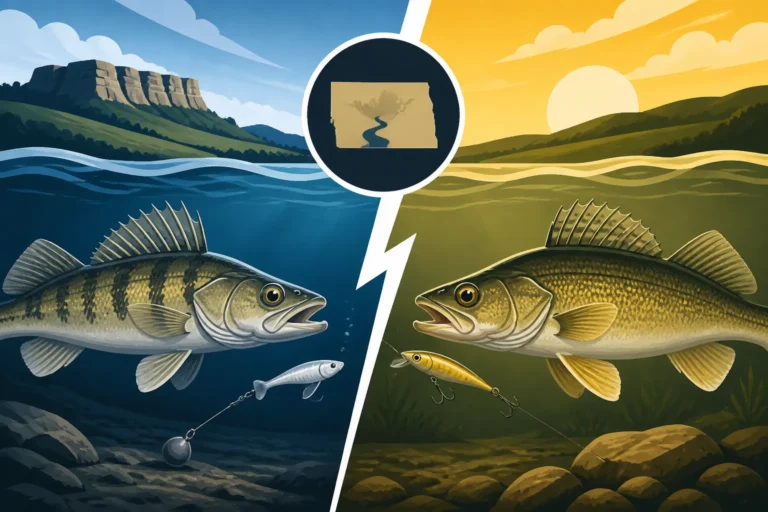
Because of this adaptation, walleye tend to be light-averse during bright conditions. Think about it: when the sun is high and blazing down on the water, it's like a flashlight shining directly into their sensitive eyes. This makes them seek refuge in deeper, darker water or thick cover like weed beds and submerged structures. They're not completely inactive during the day, mind you, but they're certainly less comfortable and often less aggressive in bright light. This sensitivity directly translates into predictable feeding patterns, making dawn, dusk, and even nighttime crucial windows for anglers.
Feeding Patterns Throughout the Day
Walleye feeding patterns are largely dictated by their light sensitivity. When the light levels are ideal for them – meaning low – they become much more active hunters. This typically means a surge of activity during the low-light hours of morning and evening.
During these prime periods, walleye will often move from deeper holding areas into shallower feeding flats, along shorelines, or near structural elements where baitfish are more accessible. They use their superior low-light vision to ambush unsuspecting perch, shiners, or whatever forage is available. As the sun climbs higher, they'll often retreat. This doesn't mean they stop eating entirely; they might pick off an easy meal if it presents itself in their deep-water hideouts, but they won't typically expend as much energy chasing prey in bright conditions. Understanding these shifts is key to successful walleye fishing. You'll find many useful tips on various tactics in a guide on North Dakota Walleye Fishing Techniques.
Impact of Water Temperature and Depth
Water temperature is another massive player in walleye behavior, influencing everything from their metabolism to where they hold in the water column. Walleye are cool-water fish, generally preferring temperatures between 60-70°F (15-21°C). However, these preferences shift throughout the year.
In the cooler waters of spring and fall, walleye might be found shallower for longer periods during the day, as the entire water column is closer to their preferred temperature range. In the heat of summer, when surface waters warm significantly, they'll dive much deeper to find cooler, more comfortable temperatures. This depth migration also impacts when they're most active. A walleye that spends the midday hours in 30 feet of water might only move to 15 feet during low-light periods to feed. The best time of day to catch them, then, might be tied to when those cooler, shallower areas offer the optimal balance of light and temperature. Keep an eye on local conditions, especially in large systems like Lake Sakakawea or Devils Lake, where water temperatures can vary.
Peak Walleye Windows: Dawn, Dusk, and Nighttime Magic
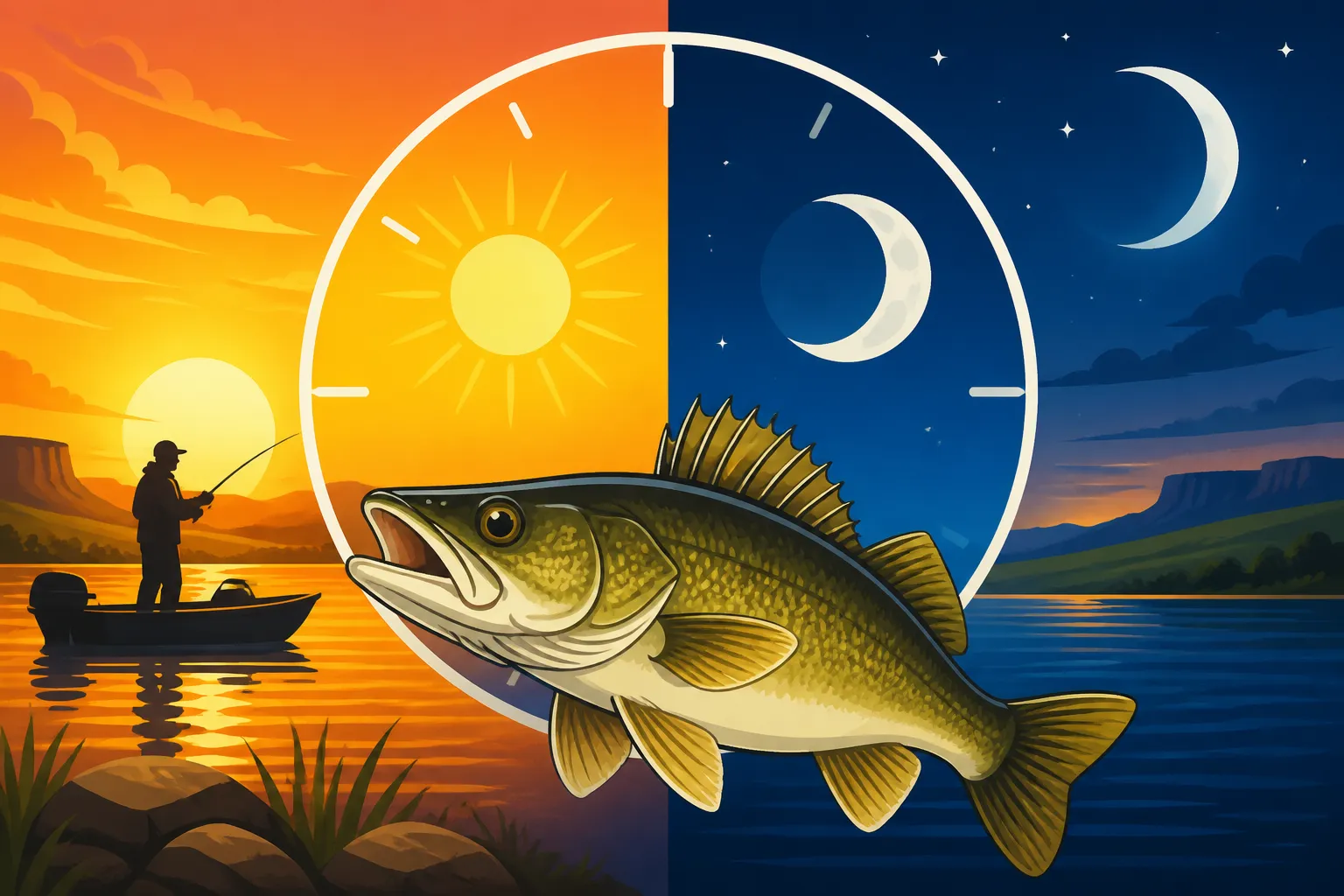
If there's one golden rule for walleye fishing, it's "fish the low light." The periods around sunrise and sunset are universally recognized as prime times, and for good reason. These are when walleye leverage their unique vision to their fullest.
The Golden Hours of Dawn
There’s something truly special about being on the water as the first hint of light paints the horizon. For walleye anglers, this isn't just about the scenery; it's about the bite. As the sun begins to creep up, but before it's fully over the horizon, the light conditions are absolutely perfect for walleye. They'll often move aggressively into shallower feeding zones—think sand flats, rocky points, and weed edges—to hunt for an easy meal before the brightness sends them back down.
This early morning window can be incredibly productive, sometimes lasting for an hour or two after official sunrise, especially on overcast days or in stained water. Anglers often find success casting crankbaits, jigging minnows, or slowly trolling spinners. Being prepared and hitting the water before the sun is fully up gives you a significant edge. It pays to check the North Dakota Fishing Season Calendar to align your early morning excursions with the most active periods for walleye.
Sunset Sizzle and Evening Bites
Just as dawn ignites the bite, sunset often provides another burst of intense feeding activity. As the sun dips below the horizon and the light dims, walleye once again become confident predators. They’ll replicate their morning movements, venturing into shallower water or staging on the edges of deep structures, ready to intercept prey. This evening bite can often be even more furious than the morning bite, lasting longer into the twilight hours, especially as temperatures cool down in late summer and fall.
Many anglers target transitions during this time—the point where a deep drop-off meets a shallow flat, or where a hard bottom transitions to softer sediment. These are ambush points where walleye wait for baitfish returning to cover or moving into shallower areas. Using noisy baits or those with a strong vibration can be particularly effective as visibility decreases.
The Mystique of Night Fishing
For dedicated walleye anglers, the action doesn't necessarily stop when the sun goes down completely. In fact, some of the biggest walleye are caught under the cover of darkness. The question, "Do Walleye Bite Better at Night?" is often answered with a resounding "yes" by experienced night fishermen. When the moon is out, or even on a completely dark night, walleye are at their most confident, using their superior night vision to their ultimate advantage. They'll often push extremely shallow, sometimes into just a few feet of water, to chase baitfish that are disoriented or seeking refuge in the shallows.
Night fishing requires a different approach, of course. You'll need reliable illumination, perhaps a headlamp found on Amazon, and a good understanding of the lake's structure, which can be scouted during the day using techniques like those detailed in How to Find Walleye Structure With a Map. Many anglers prefer trolling shallow-running crankbaits or casting stickbaits that create a strong silhouette against the moonlit sky or are effective even in complete darkness. The quiet of the night often adds to the experience, making for a truly memorable outing, especially on lakes known for producing trophy fish like those discussed in Best Walleye Lakes in North Dakota.
Daytime Walleye Strategies: When the Sun is High
While dawn, dusk, and night offer peak opportunities, that doesn't mean you should pack up your gear when the sun is blazing. Walleye can absolutely be caught during the brighter parts of the day, but it requires a shift in strategy and a deeper understanding of where they'll hide and why.
Midday Deep Water Tactics
When the sun is high and bright, walleye typically retreat to deeper, cooler water. This means focusing your efforts on structural elements in depths ranging from 20 to 40 feet, sometimes even deeper depending on the lake and time of year. Look for sunken islands, rock humps, steep breaks, and channel edges. These areas provide both cover from the light and access to cooler water, making them ideal midday holding spots.
Fishing deep during the day often involves vertical jigging with heavier jigs, using spoons, or slow-trolling bottom bouncers with spinner rigs or live bait. Techniques like those described in How Deep to Troll for Walleye in Spring can be adapted for summer deep-water scenarios. You'll need good electronics, like a reliable fish finder, to pinpoint these deep structures and mark fish. Walleye in these areas might be less aggressive, so a slow presentation is often key. Think about using sensitive rods to detect subtle bites. This is a time when a patient approach and precise boat control can make all the difference.
Cloudy Days and Active Bites
Cloud cover is a walleye angler's best friend during daylight hours. Overcast skies effectively extend those prime low-light conditions, making walleye more comfortable and active in shallower water for longer periods. On a heavily cloudy or rainy day, walleye might behave as if it's dawn or dusk throughout much of the morning or afternoon.
On these days, you can often find success targeting the same shallow-to-medium depth structures you'd fish during prime low-light windows. Trolling crankbaits, casting jigs, or drifting with live bait can all be highly effective. The key is that the reduced light penetration into the water column allows walleye to feel less exposed and more willing to chase prey. Don't be afraid to experiment with brighter lure colors, like those mentioned for Best Walleye Jig Color for Stained Water, as they can stand out better in dimmer conditions. These are the days when a full-day fishing trip can really pay off, keeping the rods bent from morning until evening.
Adapting to High-Pressure Situations
High-pressure systems, often accompanied by clear skies and calm winds, can make walleye fishing particularly challenging, regardless of the time of day. These conditions tend to make fish more lethargic and less willing to bite. However, adapting your approach can still yield results.
During high pressure, walleye often hug the bottom or bury themselves deeper into cover. You'll need to slow down your presentation dramatically, almost forcing the bite. Think small baits, subtle movements, and very slow retrieves. Live bait, such as a lively minnow or leech on a slip-bobber or a Lindy Rig, can be especially effective, as it presents a natural meal that's hard to refuse. Fish finder readings become even more crucial to locate these reluctant biters. Sometimes, experimenting with light lines and smaller hooks can also entice a strike. This is a good time to remember that patience truly is a virtue in walleye fishing. And if you're ever in doubt about the legal limits for your catch, especially a prize walleye, make sure to consult the North Dakota Walleye Size Limit Rules to stay compliant.
External Factors Influencing the Bite
While light and temperature are major players, several other external factors can dramatically influence when and how walleye feed. A seasoned angler knows that the best time of day isn't a fixed hour but a fluid concept influenced by the broader environment.
Weather Fronts and Barometric Pressure
The weather leading up to and during your fishing trip can profoundly impact walleye behavior. Approaching cold fronts, often characterized by falling barometric pressure, can sometimes trigger a pre-front feeding frenzy. As the pressure drops, fish may sense an impending change and become more active, trying to feed before conditions worsen. This can make midday fishing surprisingly good right before a storm rolls in.
However, once a strong cold front passes and high pressure settles in with clear, blue skies, the bite can shut down almost completely. The sudden change in pressure makes fish uncomfortable and inactive. On these post-front days, you'll need to employ those deep-water, slow-presentation tactics discussed earlier. Conversely, stable weather patterns, even if they're high pressure, can lead to more predictable, albeit sometimes slower, bites over several days. Understanding how these factors affect fish is critical, and there's a detailed guide on Fishing During a Cold Front in North Dakota that can provide even more insights.
Wind, Waves, and Water Clarity
Wind and waves, often dismissed as annoyances, can actually be a boon for walleye fishing. A good chop on the water surface breaks up light penetration, essentially creating "liquid cover" that makes walleye more comfortable moving into shallower, aggressive feeding zones, even during midday. The wave action also stirs up the bottom, dislodging baitfish and other forage, making them more accessible to predators.
On windy days, targeting wind-blown points, shorelines, and flats can be incredibly productive. The walleye will often stack up on the downwind side, waiting for food to be pushed to them. Strong winds can also impact water clarity; slightly stained water from wind can be good, further reducing light penetration. However, excessively muddy water can deter walleye, making it harder for them to see and hunt. Always consider what type of Best Bait for North Dakota Fishing to use based on water clarity. Sometimes, live bait or noisy lures are best in stained water, while more subtle presentations are better in clear conditions.
Seasonal Shifts and Spawning Cycles
The "best time of day" for walleye also changes significantly with the seasons, largely due to temperature shifts and spawning cycles.
- Spring: Immediately after ice-out and post-spawn (typically April-May in North Dakota), walleye are often shallow and hungry, recovering from spawning. They're very active throughout the day, though still favoring low light. Their primary concern is replenishing energy, so they'll feed whenever an opportunity arises.
- Summer: As waters warm, walleye move deeper during the day, making early morning, late evening, and night the prime shallow-water periods. Midday means targeting deep structures.
- Fall: As water temperatures drop, walleye move shallower again and often undergo a "feeding binge" to build fat reserves for winter. This can make them active for longer periods during the day, similar to spring, but with a strong emphasis on consistent feeding.
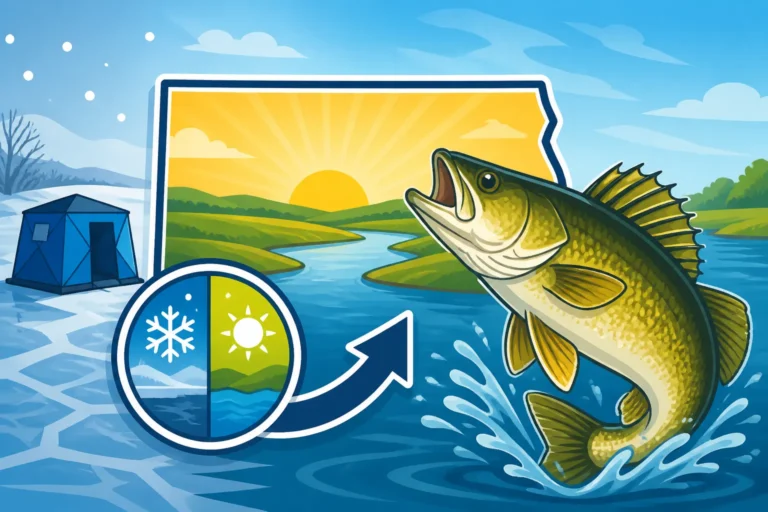
- Winter (Ice Fishing): During ice fishing, walleye activity varies. They often have a solid early morning and late afternoon bite. Midday can be slow, but strong bites can happen at any time, especially if you locate active schools. In winter, the time of day often correlates more with sun angles under the ice than surface light.
| Time of Day | Typical Walleye Behavior | Recommended Tactics |
|---|---|---|
| Pre-Dawn | Most aggressive, moving shallow to feed. Taking advantage of maximum low-light vision. | Casting crankbaits, jigging minnows, slow trolling on shallow flats or points. |
| Dawn/Sunrise | High activity in shallow to mid-depth areas. Strong feeding impulse before bright light. | Continued casting/trolling. Consider faster retrieves. Live bait under bobbers. |
| Mid-Morning | Walleye start retreating to deeper water or denser cover as light intensifies. | Transition to deeper edges, subtle presentations. Vertical jigging, bottom bouncing. |
| Midday (Bright Sun) | Least active in shallow water. Hiding in deep, dark cover or suspended. Can be lethargic. | Deep vertical jigging, slow trolling with heavier weights. Focus on structure (humps, drop-offs). |
| Midday (Overcast/Rainy) | Can extend low-light behavior, making walleye more active in shallower water. | Treat like extended dawn/dusk. Resume casting/trolling in mid-depths. |
| Late Afternoon | Walleye begin to stage for the evening feed, moving from deep cover towards feeding areas. | Start working mid-depth structures and transition areas. Finesse presentations can trigger bites. |
| Dusk/Sunset | Second major peak feeding period. Aggressive movements into shallow-to-mid depths. Very strong bite window. | Casting crankbaits, jigging, trolling. Focus on ambush points. Can be more aggressive than dawn. |
| Nighttime | Walleye can be highly active and push extremely shallow, using their superior night vision to hunt. Often trophy fish caught. | Trolling shallow-running crankbaits, casting stickbaits or large jigs. Use dark or noisy lures. Essential to have a good headlamp, perhaps purchased from Amazon, for visibility. |
No matter the time of day, remember that walleye fishing in North Dakota is an incredible experience. By paying attention to these daily and seasonal patterns, combined with smart tactical choices, you'll significantly increase your chances of a successful outing.
Disclaimer
Fishing regulations, license requirements, and local conditions can change. Always consult the latest North Dakota Game and Fish Department proclamations and local advisories before heading out on the water. This guide is for informational purposes only and does not supersede official regulations.