How to Catch Walleye From Shore in North Dakota
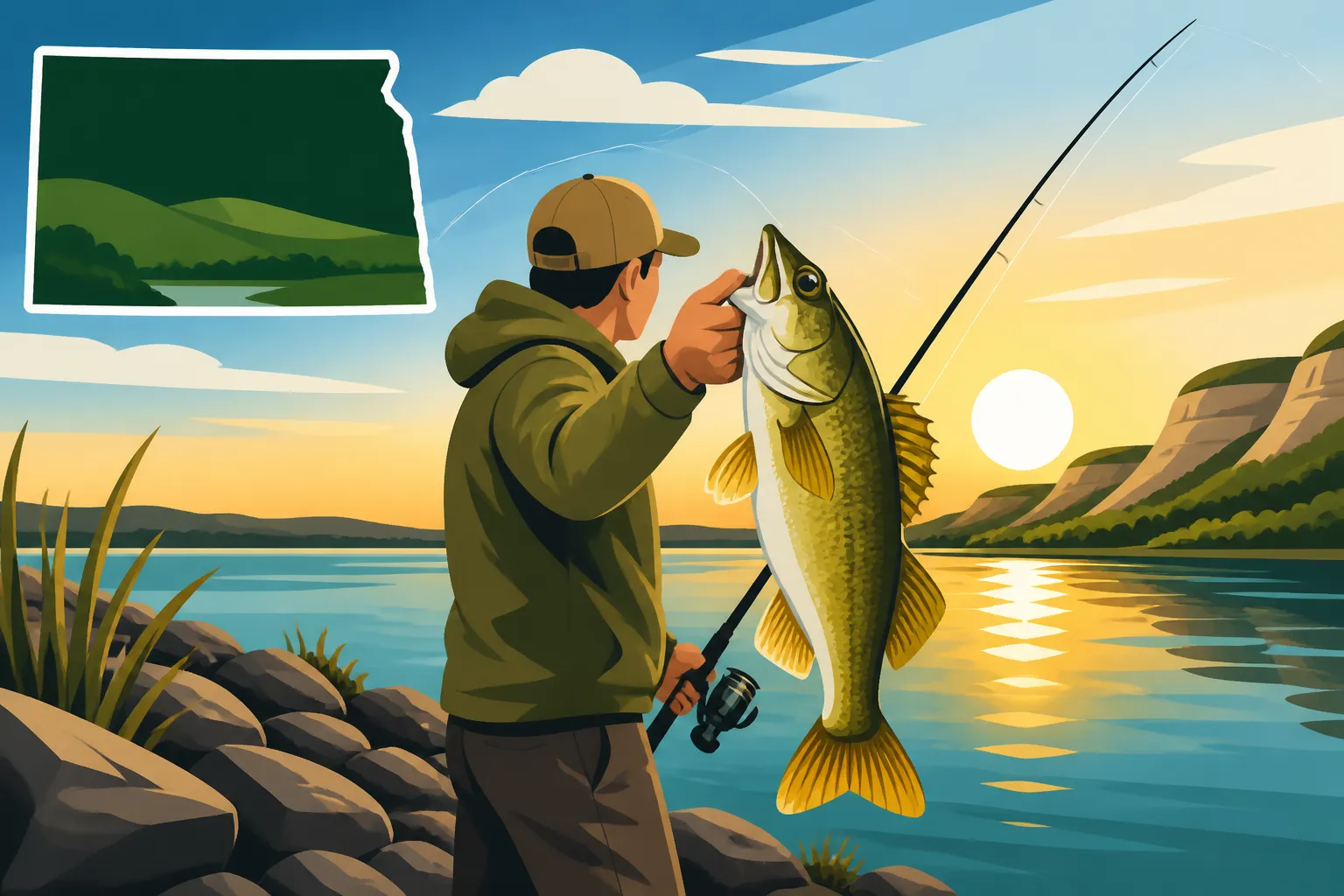
Many anglers dream of battling a hard-fighting walleye, but the thought of needing a fancy boat and expensive electronics often keeps aspiring shore fishermen from even trying, especially in a state like North Dakota with its vast, formidable lakes. It's a common frustration, feeling like you're locked out of the best fishing simply because you're stuck on dry land. But I'm here to tell you that catching walleye from shore in North Dakota is absolutely possible, and this guide will show you exactly how to do it effectively, no boat required.
Understanding Walleye Habits for Shore Success
To consistently catch walleye from the bank, you first have to think like a walleye. These fish aren't just swimming around randomly; they're creatures of habit, always looking for food, cover, and comfortable water temperatures. The good news is, many of these "walleye zones" are often accessible from shore if you know what to look for.
Seasonal Movement Near Shorelines
Walleye, like most fish, follow distinct seasonal patterns that dictate where they’ll be. Understanding these patterns is your first step to unlocking shore fishing success.
In the spring, after the ice recedes, walleye move shallow to spawn. This is a prime time for shore anglers! They’ll often congregate in relatively shallow, rocky areas, points, and current seams near river mouths or dam outflows. The water might still be chilly, but the fish are active and hungry, recovering from the spawn. Early morning and late evening are particularly productive. As the water warms up, they might push slightly deeper but will often remain within casting distance of key structures.
Summer sees walleye retreat to deeper, cooler waters during the day, making them harder to reach from shore. However, they'll still venture into shallower feeding flats, points, and weed lines during low light conditions – think dawn, dusk, and even nighttime. This is when long casts and stealth become incredibly important. Don’t be afraid to try fishing well into the evening or even through the night, especially for bigger fish. As the season progresses and aquatic vegetation grows, focusing your efforts around the edges of these weed beds can be very productive.
Fall brings a renewed shallow-water bite as walleye start to aggressively feed in preparation for winter. They’ll often move back onto the same types of structure they used in spring: rocky points, humps, and current breaks. The cooler water temperatures make them more active throughout the day, not just during low light. This is arguably one of the best times to target trophy walleye from shore in North Dakota. As winter approaches and ice starts to form, walleye will often make one last push into shallow feeding areas before settling into their deep winter patterns.
Identifying Productive Shoreline Structures
The key to finding walleye from shore lies in locating specific structures that attract them. It’s not about casting into open water; it’s about reading the water and identifying potential ambush points.
Look for areas with significant depth changes close to shore, like a steep bank that drops quickly into deeper water. Walleye love these transitions because it allows them to move between deep refuge and shallow feeding grounds easily. Rocky points, submerged humps, and old roadbeds are absolute goldmines. Current breaks, such as those found around bridge pilings, jetties, or river bends, are also prime real estate. Walleye will use these areas to ambush baitfish being swept downstream. Even subtle changes in bottom composition, like a transition from mud to gravel, can hold fish.
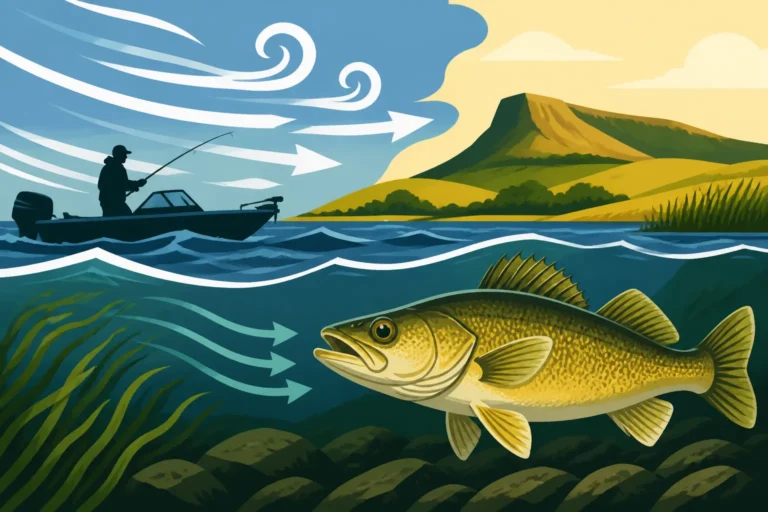
Another critical structure is submerged vegetation, or weed lines. While thick weeds can be a pain to fish, the outer edges of weed beds provide excellent cover for walleye and attract baitfish. Casting parallel to these weed lines, or even into pockets within them, can produce fantastic results. Docks and piers, especially those with lights at night, can also attract baitfish and subsequently, walleye. Always pay attention to what the wind is doing, too; a consistent wind blowing into a shore can stack baitfish, and in turn, walleye, onto that bank. For a broader understanding of where to find these fish, you might want to check out our detailed guide on the North Dakota Walleye Fishing Guide.
Essential Gear for the Shore Walleye Angler
You don't need a boatload of expensive gear to catch walleye from shore, but having the right tools for the job will significantly increase your success and enjoyment. Think smart, not just expensive.
Rod and Reel Setup for Long Casts
When you're shore fishing, your casting distance is your range. A longer rod will help you cover more water and make those crucial long casts to reach deeper structure or distant feeding zones.
I usually recommend a medium-heavy power spinning rod, anywhere from 7 to 9 feet in length. This length gives you excellent casting distance and leverage for fighting fish, while the medium-heavy action provides enough backbone to set the hook on a walleye's often subtle bite and handle larger fish. A fast action tip is also ideal, as it allows for precise jigging and increased sensitivity to detect those light pickups. Paired with a quality spinning reel in the 2500-3000 size range, spooled with a sensitive braided line, you'll have a formidable setup. Look for reels with a smooth drag system, which is vital when a big walleye makes a run for it, preventing snapped lines. You can find many excellent options for both rods and reels on platforms like Amazon that fit various budgets. If you're looking for more specific recommendations, our guide on Best Fishing Rods for North Dakota Anglers offers some great insights.
Tackle Box Must-Haves for Walleye
Your tackle box is your arsenal, and for shore walleye fishing, you'll want it stocked with versatility and efficiency in mind.
First and foremost, jigs are a walleye angler's best friend. Have a variety of sizes (1/8 to 3/8 ounce) and colors (chartreuse, orange, white, black, purple, glow-in-the-dark). Pair these with soft plastic grubs, paddle tails, or minnow imitators in matching or contrasting colors. Live bait is also a huge producer from shore; bring an aerated minnow bucket and a selection of hooks (sizes 4-8), split shot, and slip bobbers. A slip bobber rig allows you to fish live minnows or leeches at a precise depth, which can be absolutely deadly when walleye are finicky.
Beyond jigs and live bait, crankbaits are essential for covering water, especially when walleye are actively feeding. Include both shallow-diving (for casting over submerged weeds) and deep-diving models (to reach those deeper points or drop-offs). Walleye favorites often include Rapala Shad Raps, Berkley Flicker Shads, or Salmo Hornets in natural baitfish patterns or bright, attracting colors. Don't forget some spoons and spinnerbaits for casting when the fish are aggressive. And for those low-light and nighttime adventures, a reliable headlamp is a non-negotiable item, easily found on Amazon.
| Tackle Type | Purpose | Key Features to Look For |
|---|---|---|
| Jigs | Vertical jigging, casting soft plastics & live bait | 1/8 to 3/8 oz, various colors, sharp hooks, good wire keeper |
| Soft Plastics | Mimic baitfish, add scent and action to jigs | Grubs, paddle tails, minnow profiles, various colors |
| Crankbaits | Covering water, targeting aggressive fish | Shallow & deep divers, rattle, realistic patterns, strong hooks |
| Slip Bobbers | Presenting live bait at precise depths | Easy depth adjustment, sensitive, visible at a distance |
| Hooks | Live bait presentation | Sizes 4-8, Aberdeen or Walleye specific, sharp and strong |
| Split Shot | Adding weight to live bait rigs | Assorted sizes, easy to apply and remove |
| Leaders | Abrasion resistance, preventing bite-offs | Fluorocarbon (8-15lb), wire (if pike are present) |
| Pliers/Forceps | Hook removal, cutting line | Long nose, sturdy construction, rust-resistant |
| Headlamp | Night fishing visibility | Bright, long battery life, red light option for preserving night vision |
Top Shore Fishing Techniques for Walleye
Shore fishing for walleye isn't just about throwing a line in the water; it's about strategic presentation and working your baits effectively to entice a bite.
Effective Casting and Retrieval Methods
Since you're limited to your casting distance, making every cast count is crucial. Fanning your casts – starting to your far left, casting, taking a step, casting again, and moving across your available water to your far right – helps you cover a wide area.
When casting jigs with soft plastics, a common and highly effective technique is to let the jig sink to the bottom, then use a lift-and-drop retrieve. This involves lifting your rod tip sharply to move the jig a foot or two off the bottom, then letting it fall back down on a semi-slack line. Most bites happen on the fall, so watch your line intently for any twitch or pause. For crankbaits, a steady retrieve works, but don't be afraid to add pauses or jerks to mimic an injured baitfish. Experiment with retrieve speeds until you find what the walleye prefer. Often, a slower retrieve is more effective, especially in cooler water.
Another excellent shore technique is using a bottom bouncer with a spinner rig, even though many associate this with boat fishing. You can cast lighter versions of these rigs, especially with a heavier casting weight, and slow-roll them along the bottom from shore. The spinner blade adds flash and vibration, irresistible to curious walleye.
Mastering Live Bait Presentations
For many North Dakota walleye anglers, nothing beats live bait, and it's just as effective from shore as it is from a boat.
The slip bobber rig is a phenomenal choice for shore anglers. It allows you to present a live minnow, leech, or even a nightcrawler at a precise depth, suspending it right in the walleye's strike zone. This is especially good when fishing over submerged weed beds, rock piles, or along deep drop-offs where you know fish are holding. The beauty of a slip bobber is that you can cast it a long distance, and the bobber stop on your line lets you set the depth accurately, even if it's 15 or 20 feet deep. Simply cast it out, let your bait settle, and watch that bobber like a hawk. When it goes down, count to two or three, and set the hook with a swift, firm sweep of the rod. Our guide on How to Rig a Slip Bobber for Walleye can walk you through the specifics.
Another deadly live bait method for shore is the plain old bottom rig. This typically involves a walking sinker (like an egg sinker or a bullet weight) sliding above a swivel, with a 12-18 inch fluorocarbon leader tied to a hook with a minnow or nightcrawler. Cast this out, let it sink, and let it sit on the bottom, especially when targeting walleye around deep structure or current seams. The key is to use enough weight to hold the bait in place, but not so much that it feels unnatural. The sliding sinker allows the walleye to pick up the bait without feeling immediate resistance, giving you a better chance to set the hook. This setup is particularly effective for night fishing or when walleye are less active.
Prime North Dakota Shore Walleye Locations
North Dakota might be known for its vast waters, but there are plenty of fantastic spots where you can target walleye successfully from the bank. Knowing where to go is half the battle!
Accessible Lakes and River Segments
When it comes to shore fishing for walleye, certain bodies of water in North Dakota stand out due to their accessibility and productive shorelines.
The Missouri River System, particularly the sections around Bismarck and Mandan, offers excellent opportunities. There are numerous public access points, parks, and fishing piers along the river that put you in prime walleye territory. Look for areas with current breaks, eddies, and deeper holes created by the river's flow. Below the Garrison Dam is another hotspot, though often crowded, where walleye congregate, especially during certain times of the year. Our specific guide on Where to Fish the Missouri River in Downtown Bismarck can provide more localized advice.
Devils Lake is legendary for its walleye and perch, and while a boat gives you access to its expansive flooded timber, there are still productive shore fishing spots. Public access areas and state park shorelines, particularly those with access to rocky points or roadbeds, can be excellent. Jamestown Reservoir also offers good shore access, especially around the dam and various points, where walleye are frequently caught. Another option worth exploring is Lake Audubon, which also boasts some decent shore access and a healthy walleye population.
Seasonal Hotspots and Public Access
Timing and location are everything, especially when limited to shore access. Different times of year will make certain spots shine brighter than others.
In spring, immediately after ice-out, look for public access points near river inlets or shallow, rocky spawning flats. These are areas where walleye will congregate to reproduce or feed heavily post-spawn. State parks, for instance, often have well-maintained shorelines and piers that provide easy access to these critical areas. A quick check of the North Dakota Game and Fish Department's website can reveal specific fishing access sites that are shore-friendly.
During summer and fall, focus on areas with deeper water access from shore. This might include larger public jetties, dam embankments, or parks situated on points that drop into deeper water. Evening and nighttime fishing become particularly productive during the warmer months, as walleye move shallow under the cover of darkness. Many of these public access sites are well-lit, making night fishing safer and more comfortable. Remember to check local regulations for specific areas, as some may have restrictions on night fishing or access hours. For a general overview of accessible spots, consider browsing our guide on Fishing Piers and Shore Access in North Dakota.
Maximizing Your Shore Fishing Success
Beyond gear and location, there are several habits and strategies that can elevate your shore walleye game from good to great. These are the small details that seasoned anglers swear by.
Patience, Persistence, and Observation
Shore fishing, by its very nature, demands a certain level of patience. You can't just pick up and move your boat to the next spot. However, this limitation forces you to fish more thoroughly and pay closer attention to your surroundings.
Don't get discouraged if the bite isn't immediate. Walleye are often streaky; they might feed heavily for an hour, then shut down completely. Use your time to observe the water. Are there any baitfish jumping? Are birds diving? What direction is the wind blowing? How is the current affecting your bait? These observations can provide crucial clues. If one technique isn't working, switch it up. Change your jig color, try a different soft plastic, or switch from artificials to live bait. Sometimes, just a slight change in presentation or depth is all it takes to trigger a bite. Often, the angler who out-fishes others from shore isn't necessarily more skilled, but more persistent and observant, willing to try new things until they crack the code.
Respecting the Regulations and the Environment
Part of being a responsible and successful angler is understanding and respecting the rules that govern our cherished fishing resources. Before heading out, always make sure you have your current North Dakota Fishing License Guide.
Familiarize yourself with the current North Dakota Fishing Regulations Explained, including length limits and daily creel limits for walleye, which can vary by lake or river section. These rules are in place to ensure sustainable fish populations for future generations of anglers. For instance, specific rules like the North Dakota Walleye Size Limit Rules are important to know. If you plan on keeping fish, know how to properly handle and care for your catch to ensure the best table fare. That means bleeding them quickly and getting them on ice as soon as possible.
Beyond regulations, always practice good outdoor ethics. Pack out everything you pack in, and perhaps even pick up a piece of litter or two that someone else left behind. Leave the shoreline better than you found it. Be mindful of other anglers and shore users, giving them ample space. By doing so, you're not only helping preserve North Dakota's beautiful natural resources but also ensuring that shore fishing remains a positive and accessible experience for everyone.
Disclaimer
The information provided in this guide is for general informational purposes only and is subject to change. Always consult the official North Dakota Game and Fish Department regulations for the most current and accurate fishing laws, limits, and licensing requirements before engaging in any fishing activities. Fishing conditions, including ice thickness and water levels, can be dangerous and unpredictable; always prioritize safety and use good judgment.