Fishing From a Kayak on Devils Lake
Devils Lake in North Dakota is an absolute beast of a fishery, renowned for its incredible walleye and perch, but trying to tackle it from a kayak can feel like trying to paddle a bathtub across the ocean. Its vast, ever-changing waters and notorious wind can intimidate even seasoned anglers. This guide is here to cut through that anxiety, offering practical advice, essential gear recommendations, and strategic techniques to help you safely and effectively explore Devils Lake's legendary waters from the seat of your kayak.
Why Devils Lake Presents a Unique Challenge for Kayak Anglers
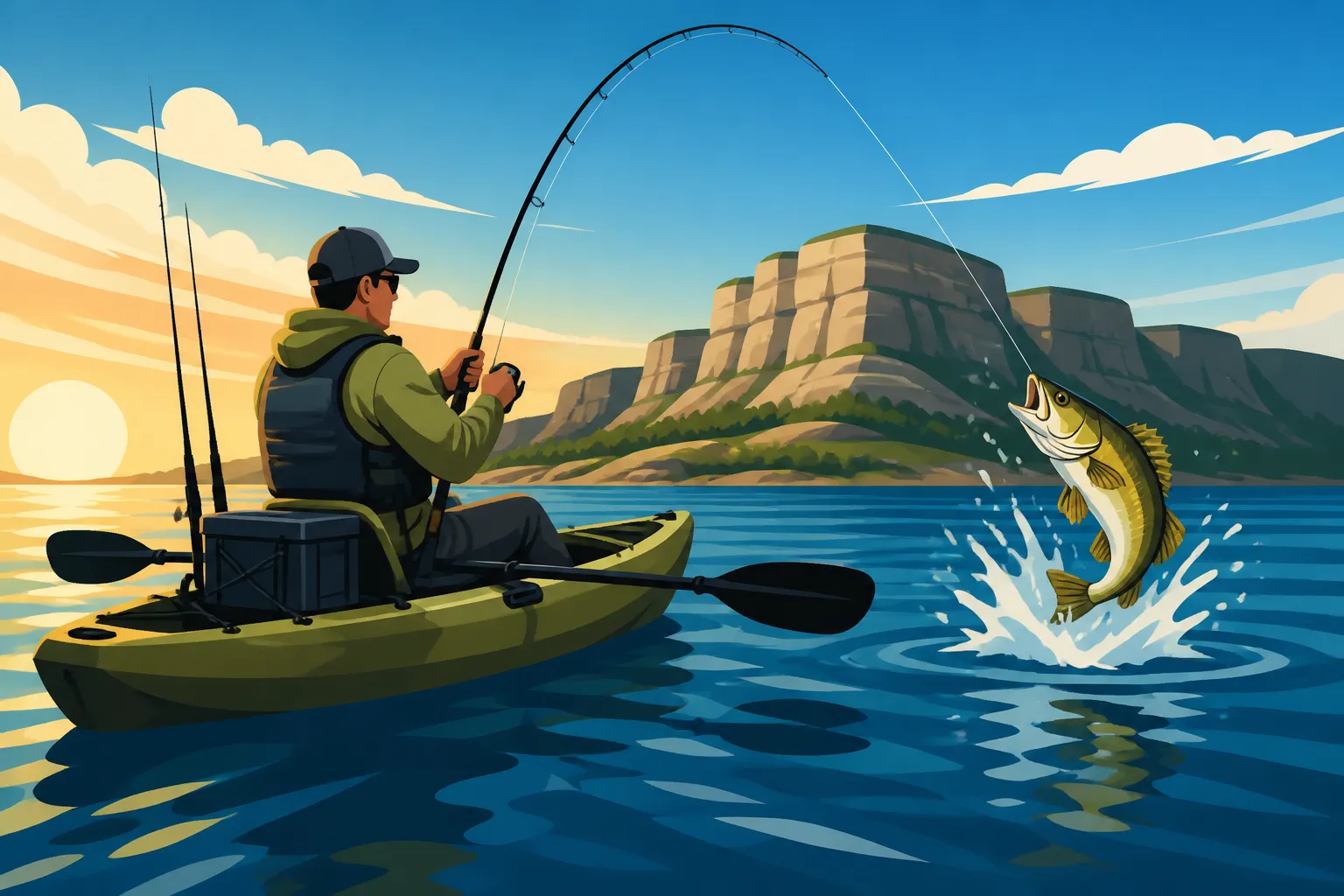
Fishing from a kayak offers an unparalleled connection to the water, allowing for stealth and access to shallow, timber-choked areas that bigger boats can't reach. But Devils Lake isn't just any calm pond; it demands respect and careful preparation from kayak anglers. Its sheer size and dynamic nature mean you're not just fighting fish, you're often battling the elements too.
Understanding Devils Lake's Dynamic Nature
Devils Lake is famous for its fluctuating water levels, which have transformed the landscape over decades, flooding vast expanses of timber, roads, and even farmsteads. This creates an incredibly complex underwater world, rich with structure and cover for fish, but also presenting significant challenges for kayakers. Imagine navigating through miles of flooded trees, some submerged, some barely breaking the surface, while trying to locate a subtle depth transition where walleye might be lurking. It's exhilarating, but it requires constant vigilance.
The lake's sheer size, with its many bays, arms, and open water expanses, can quickly make a small kayak feel even smaller. Distances can be deceiving, and what looks like a short paddle across a bay on a map can turn into an epic journey when faced with a headwind. Understanding the lake's constantly evolving geography, from the deep main lake basins to the shallower, timber-rich northern bays, is crucial for planning your kayak fishing adventures. For a deeper dive into the lake's offerings, check out our comprehensive guide on Devils Lake Fishing Guide for North Dakota Anglers.
The Impact of North Dakota Weather on Kayak Fishing
North Dakota weather is notoriously unpredictable, and on a large body of water like Devils Lake, conditions can shift from calm to treacherous in a matter of minutes. Wind is the kayak angler's most formidable foe here. A gentle breeze at sunrise can quickly escalate into white-capping waves by midday, making paddling exhausting, fishing impossible, and, more importantly, creating genuinely dangerous situations. I've seen countless days start beautiful only to turn nasty, leaving boaters scrambling for safety. For those days when the wind really picks up, understanding Fishing in North Dakota's Windy Conditions can be a lifesaver.
Beyond wind, sudden thunderstorms can roll in with little warning, bringing lightning, heavy rain, and even hail. Cold fronts can drop air and water temperatures drastically, especially in the shoulder seasons, which not only affects fish behavior but also poses a hypothermia risk for kayakers. Always check multiple weather forecasts before heading out, and keep an eye on the sky and water conditions while you're out there. If the sky starts looking ominous or the wind begins to pick up, it’s always better to head for shore early rather than risk getting caught far from safety.
Essential Gear and Safety Considerations for Kayak Fishing on Devils Lake
When you're out on the wide-open waters of Devils Lake in a kayak, being prepared isn't just about catching fish; it's about staying safe and comfortable. This isn't the time to skimp on gear or cut corners on safety. Think of your kayak as your lifeline, and outfit it accordingly.
Selecting the Right Kayak and Propulsion
The kind of kayak you choose will significantly impact your Devils Lake experience. While smaller, lighter kayaks are great for portability, the expansive nature and potential for choppy conditions on Devils Lake often call for something more substantial.
- Stability vs. Speed: For Devils Lake, stability is often king. A wider, more stable fishing-specific kayak will provide a much more comfortable and safer platform for casting, standing (if you dare!), and handling waves. While a sleek touring kayak might be faster, you'll feel every ripple.
- Pedal vs. Paddle: Pedal-drive kayaks, like those offered by brands you can often find on Amazon, are incredibly popular for good reason. They free up your hands for fishing, allow you to maintain position in wind or current more easily, and are generally more efficient for covering long distances. Paddle kayaks are simpler, lighter, and often more affordable, but can be exhausting on a large lake.
- Motor Options: Some kayak anglers opt to add a small electric trolling motor. This can be a game-changer for covering vast areas, fighting strong winds, or extending your range. However, it adds weight, complexity, and requires careful consideration of battery life. Remember that even a small electric motor might trigger specific registration requirements; it's always a good idea to confirm if Do You Need to Register a Kayak With a Trolling Motor? applies to your setup. For more specific recommendations, our guide on Best Kayaks for Devils Lake offers some excellent insights.
Non-Negotiable Safety Equipment
Your safety should always be your top priority on Devils Lake. No fish is worth risking your life over.
- Personal Flotation Device (PFD): This is non-negotiable. Always wear a PFD, even if you're a strong swimmer. Modern fishing PFDs are comfortable, offer plenty of pockets, and are designed for all-day wear. Cold water shock is a real threat, even in warmer months, and a PFD is your best defense. Our guide on Best Life Jackets for Cold Water Fishing can help you choose the right one.
- Whistle and Lights: A loud whistle can alert others to your presence in fog or an emergency. If you plan to be out around dawn or dusk, or in low light, navigation lights (especially a 360-degree white light) are essential for visibility.
- Anchor: A small grapple anchor or a drift sock is vital for holding your position in wind, allowing you to effectively fish a spot without constantly paddling. You can find excellent kayak anchors, including compact models, readily available on Amazon.
- Communication Device: A fully charged cell phone in a waterproof case is a must. For even greater safety, especially in areas with spotty cell service, consider a VHF radio or a satellite communication device. Always let someone know your float plan – where you're going and when you expect to return.
- Paddle: Even with a pedal or motor drive, always carry a paddle! It's your backup if your primary propulsion fails.
- First-Aid Kit: A compact, waterproof first-aid kit can address minor injuries quickly.
Smart Gear for Comfort and Success
Once safety is covered, thinking about comfort and efficiency will make your day on the water much more enjoyable and productive. You want to focus on fishing, not fighting your gear or the elements.
- Layered Clothing: North Dakota weather demands layers. Opt for moisture-wicking synthetics or wool, even in summer, as conditions can change rapidly. A waterproof outer shell is crucial for rain and spray.
- Waterproof Storage: Dry bags and waterproof hatches are essential for protecting electronics, extra clothing, snacks, and your car keys. Trust me, you don't want to find out the hard way that your phone wasn't as waterproof as you thought.
- Rod Holders and Tackle Management: Built-in or aftermarket rod holders keep your rods secure while paddling or battling a fish. A tackle crate or a well-organized soft bag ensures your lures, tools, and terminal tackle are easily accessible.
- Fish Finder/GPS Combo: On a lake as vast and complex as Devils Lake, a good fish finder with GPS is invaluable. It helps you identify submerged structure, track depth changes, locate fish, and navigate back to productive spots or your launch point. For recommendations on these critical tools, our piece on Best Fish Finders for Boat Fishing has some great advice, much of which applies to kayak use.
- Sun Protection: Sunscreen, a wide-brimmed hat, and polarized sunglasses are essential. The sun's reflection off the water can be intense, even on cloudy days. Our comprehensive Best Kayak Fishing Gear for North Dakota Lakes goes into even more detail on what to bring.
Strategic Kayak Fishing Techniques for Devils Lake
Devils Lake offers a smorgasbord of fishing opportunities, from shallow water flooded timber to deep open water humps. The beauty of kayak fishing is your ability to quietly access different types of structure and present your bait with minimal disturbance.
Navigating the Flooded Timber and Structure
The flooded timber of Devils Lake is legendary. These submerged forests provide incredible cover for walleye, northern pike, and especially colossal yellow perch. However, they can also be a nightmare for boaters with prop motors and a challenge for kayakers trying to move quietly without snagging.
- Stealth and Precision: Your kayak's quiet approach is a huge advantage here. You can slip into dense timber areas where larger boats fear to tread. Use a shallow anchor or a stake-out pole to hold your position quietly.
- Lure Selection and Presentation: Weedless presentations are key. Jigging with weedless jigs tipped with plastics or live bait (minnows or fathead chubs are often great) is highly effective. Casting spinnerbaits or shallow-running crankbaits designed to deflect off wood can also entice aggressive fish. Patience is vital; often, a subtle jigging motion right next to a submerged log is what it takes. If you're looking for prime spots within this unique habitat, be sure to check out Devils Lake Flooded Timber Fishing Spots.
- Electronics in the Timber: Your fish finder is still useful, even in heavy timber. Look for breaks in the wood, subtle depth changes, or areas where current might funnel baitfish. Spotting fish on your sonar can confirm their presence, even if you can't see them directly.
Targeting Walleye and Perch from a Kayak
Devils Lake is primarily a walleye and yellow perch fishery, and kayak anglers can be incredibly successful targeting both. The key is adapting your techniques to your vessel and the conditions.
- Walleye Strategies:
- Jigging: From a kayak, precise jigging is incredibly effective. Target breaks, humps, and the edges of flooded timber. Use a sensitive rod to feel subtle bites. Vertical jigging directly below your kayak with a jig and minnow or a soft plastic is a classic tactic.
- Slip Bobbering: This is a fantastic kayak technique, especially around flooded timber or submerged rocks. Set your slip bobber to suspend your bait (a leech or a minnow) just above the structure. The subtlety of a slip bobber bite can be thrilling.
- Slow Trolling/Drifting: If you have a pedal kayak or a small trolling motor, slow trolling small crankbaits or spinner rigs along contour lines or weed edges can be deadly. Keep your speed slow, around 1-2 mph. This covers water and lets the fish find your bait. For the best walleye action, you'll want to explore Devils Lake Walleye Fishing Spots.
- Yellow Perch Strategies:
- Micro Jigging: Perch often school, and once you find them, you can have non-stop action. Small jigs (1/16 to 1/8 ounce) tipped with a small plastic, a minnow head, or maggots are highly effective.
- Aggressive Jigging: Sometimes perch want an aggressive snap; other times, a subtle quiver is all it takes. Experiment.
- Finding the Schools: Perch love flooded timber, weed lines, and soft bottom areas where they can find invertebrates. Your fish finder will be your best friend for locating these schools. Our guide on Devils Lake Perch Fishing Spots is packed with valuable information. For dedicated ice anglers, Perch Jigging Techniques for Devils Lake can also offer some crossover wisdom for open water.
Managing Wind and Current
Wind is an undeniable factor on Devils Lake, and while there might not be strong river currents, wind-driven currents can still affect your drift.
- Drift Control: A drift sock (or sea anchor) is invaluable. It slows your drift significantly, allowing you to thoroughly fish an area without paddling constantly. Deploy it off the bow or stern, depending on how you want to present your lures.
- Anchoring: For precise fishing, a kayak anchor is a must. Whether you're holding a position over a rock pile or staying put in the timber, a good anchor will keep you from drifting away from the strike zone. You can find specialized kayak anchors, often compact and easy to deploy, from retailers like Amazon. Even though Devils Lake isn't a river, many principles apply from our article on Best Kayak Anchors for River Current.
- Paddling Strategies: When paddling against the wind, stay low and keep your strokes efficient. If you have to cover a long distance, try to stay close to shorelines or structure that offers some protection from the wind. Sometimes, it's smarter to fish a protected bay or the lee side of an island if the main lake is too rough.
- Weather Awareness: Always be mindful of changing wind direction and strength. If the wind starts to pick up, consider heading to a more protected area or even calling it a day. It's better to be safe on shore than struggling against increasing waves.
Here's a quick comparison of popular kayak propulsion methods for Devils Lake:
| Kayak Type | Pros | Cons | Best Use on Devils Lake |
|---|---|---|---|
| Paddle Kayak | Lighter, simpler, often more affordable. Quiet. | Requires constant paddling, fatiguing in wind/current, hands occupied. | Shorter trips, protected bays, budget-conscious. |
| Pedal Kayak | Hands-free fishing, efficient for covering distance, easier to hold position. | Heavier, more expensive, more moving parts to maintain. | Long distances, open water, windy conditions, active fishing. |
| Motorized Kayak | Highest speed, least effort, covers vast areas quickly. | Requires battery management, adds significant weight, potential registration rules. | Exploring entire lake, fighting strong winds, long days. |
Respecting the Environment and Regulations
As kayak anglers, we have a unique responsibility to be good stewards of the environment. Our small footprint allows us to access pristine areas, and it's up to us to keep them that way. This also includes adhering to all regulations to ensure the health of the fishery for future generations.
Aquatic Nuisance Species Prevention
One of the most critical responsibilities for any boater, including kayakers, is preventing the spread of Aquatic Nuisance Species (ANS). Devils Lake has been significantly impacted by ANS in the past, and it's vital that every angler does their part. Species like zebra mussels can wreak havoc on ecosystems and damage fishing gear and infrastructure.
The "Clean, Drain, Dry" protocol isn't just for big boats; it applies to kayaks, paddles, life jackets, and all your fishing gear too.
- Clean: Remove all visible plants, animals, and mud from your kayak and gear before leaving the launch.
- Drain: Pull your drain plug and drain all water from your kayak (livewells, bilge, etc.) before leaving the access area. This includes draining any water from bait buckets.
- Dry: Allow your kayak and all gear to thoroughly dry before launching into another body of water. A minimum of five days is often recommended, especially for damp items.
Kayaks, with their many nooks and crannies, can easily harbor tiny invasive species or plant fragments. Be meticulous. Educate yourself further with our guide on Aquatic Nuisance Species Rules for Boaters to understand the full scope of your responsibilities.
Understanding North Dakota Fishing Regulations
Before you even think about putting a line in the water, make sure you understand the current North Dakota fishing regulations. These rules are in place to manage the fishery and ensure sustainable populations of walleye, perch, and other species.
- Fishing License: You will absolutely need a North Dakota fishing license. Confirm your residency status and purchase the appropriate license. For detailed information, our North Dakota Fishing License Guide is an excellent resource, covering various options including annual, short-term nonresident, and combination licenses.
- Season Dates and Limits: Pay close attention to season dates, daily limits, and possession limits for species like walleye, northern pike, and yellow perch. These can sometimes vary by water body or change from year to year. Devils Lake might have specific nuances to its regulations, so always double-check the latest North Dakota Fishing Guide. Our North Dakota Fishing Regulations Explained article provides a comprehensive overview of the rules.
- Special Regulations: Be aware of any length limits or slot limits that might apply. For example, some lakes have rules about releasing fish within a certain size range to protect breeding populations.
Ignorance of the law is never an excuse. Always carry your fishing license (either physical or on your phone as allowed) and be ready to present it if requested by a game warden. These dedicated professionals are out there to protect our resources and ensure fair play for all anglers.
Disclaimer
This article is for general informational purposes only and does not constitute professional advice. Laws, prices and regulations vary by location and change over time. Consult a qualified professional for guidance on your specific situation.