Best Time of Year for Trophy Walleye
There's nothing quite like the thrill of feeling that thump on the end of your line, knowing it's a North Dakota walleye. But for many of us, the quest isn't just for any walleye—it's for that elusive, monster, trophy-sized fish that leaves your arms aching and your heart pounding. Figuring out the absolute "best" time to hook into one of these giants in North Dakota can feel like a lifelong puzzle, with conditions changing year by year and lake by lake. This guide is here to break down the seasonal patterns and strategies that will put you in the best position to land that North Dakota trophy walleye.
Understanding Walleye Seasonal Movements for Trophy Fish
Walleye are opportunistic feeders, but their behavior changes drastically with the seasons, driven primarily by water temperature and the availability of their favorite meals. A trophy walleye, often older and wiser, has honed its feeding strategies, making it crucial for us anglers to understand these shifts if we want to consistently target them.
Spring: Post-Spawn Feeding Frenzy (Late April – June)
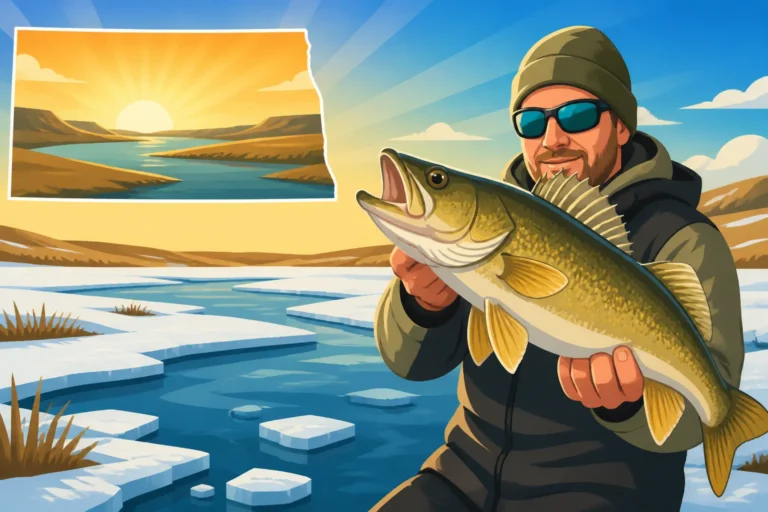
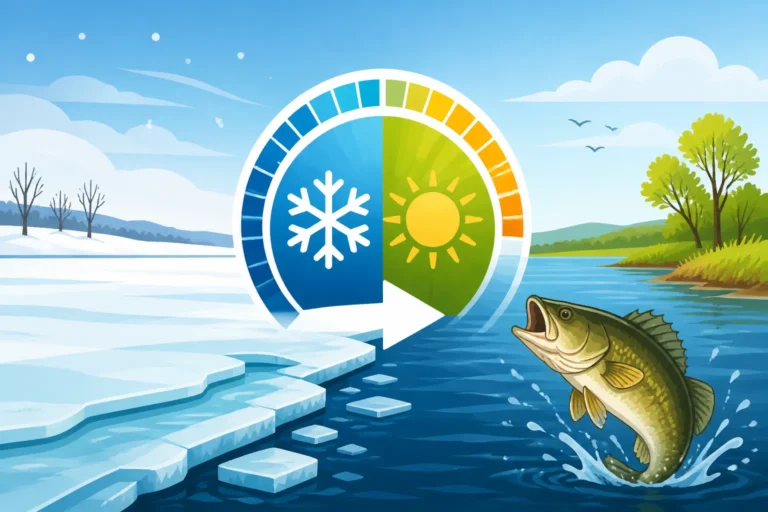
Spring in North Dakota kicks off with ice-out, a time of immense anticipation for anglers. After the long, cold winter and the energy-intensive spawning ritual, walleye are absolutely ravenous, making this a prime window for targeting bigger fish.
The key to spring success lies in understanding the post-spawn recovery. Female walleye, especially the larger ones, are depleted from laying eggs and need to aggressively feed to regain their strength. They'll often move from their spawning grounds in rivers and shallow, rocky areas to nearby feeding flats or deeper breaks where baitfish are congregating. Water temperatures in the high 40s to low 50s are often the sweet spot. You'll find these fish cruising shallower bays that warm up faster, or congregating near river mouths and current seams where new food sources are washing in. Think about Lake Sakakawea's vast bays or the numerous feeder creeks into Devils Lake. For detailed regulations on when and where you can target these beauties, always check the North Dakota Fishing Season Dates and Limits.
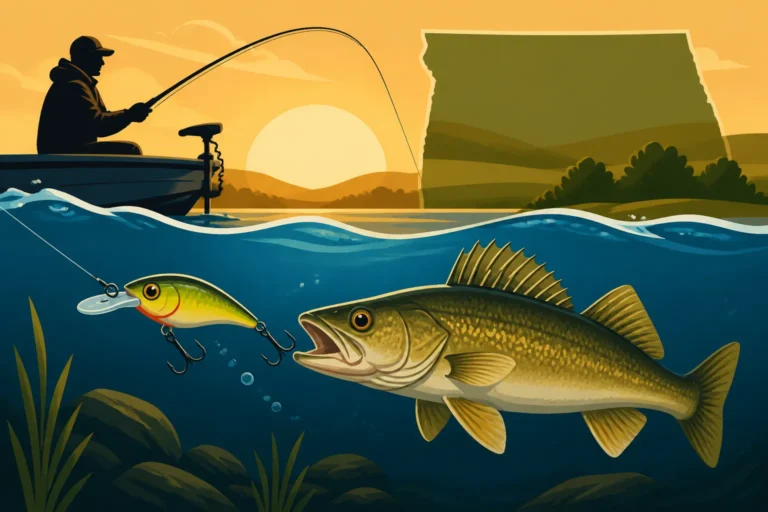
Tactics in spring usually involve slow, methodical presentations. Jigs tipped with live minnows or soft plastics are incredibly effective when worked slowly along the bottom or subtly bounced over structure. Shallow-running crankbaits, especially those with a tight wobble, can also be deadly when trolled or cast over flats where walleye are chasing shiners or perch. Remember, the water is still cold, so walleye aren't expending a lot of energy to chase, making a well-presented, slow-moving bait irresistible. You might even find some excellent options for these types of baits on Amazon if your local tackle shop is picked over.
Summer: Deep Water & Structure (July – August)
As North Dakota's summer sun blazes and water temperatures climb into the 60s and 70s, walleye behavior shifts dramatically. They move from shallow, warmer waters to deeper, cooler sanctuaries, often orienting themselves to main lake structure. Targeting trophy walleye in summer means understanding these deep-water havens.
Large walleye seek out thermal comfort and abundant forage in the cooler depths. This means keying in on submerged humps, deep points, rock piles, and sharp breaklines that plunge into deeper water. These structures act as ambush points where walleye can dart out to feed on schools of baitfish, then retreat to the safety and comfort of the deeper water. On immense bodies of water like Lake Sakakawea or Lake Oahe, finding these subtle structures requires good electronics and patience. Understanding Deep Water Structure Fishing Techniques can significantly improve your summer success.
Summer tactics often lean heavily into trolling. Long-lining crankbabaits at specific depths using lead core or snap weights allows you to cover vast amounts of water and present baits right in the face of suspended walleye or those relating to structure. Bottom bouncers paired with spinner rigs tipped with live nightcrawlers or leeches are another classic summer approach, especially effective when drifting or slowly trolling along breaklines. Vertical jigging can also be productive when you mark fish directly beneath the boat on specific humps or points. Sometimes you just need to drop a bait right to them.
Fall: The Pre-Winter Binge (September – November)
If you ask seasoned North Dakota walleye anglers, many will point to the fall as one of the absolute best times to catch a true monster. As summer heat gives way to crisp autumn air, the changing water temperatures trigger a powerful instinct in walleye: a pre-winter feeding binge. They know the long, lean winter is coming, and they need to pack on as much weight as possible.
Autumnal Aggression: Shallow to Mid-Depths
Early fall, when water temperatures begin their gradual descent from the 60s into the 50s, sees walleye at their most aggressive. This is a fantastic time to target them, especially the trophy-sized individuals.
Walleye will follow baitfish into shallower bays and onto main lake points, especially during low light conditions or on overcast days. These fish are actively chasing and slashing at schools of smelt, ciscoes, or perch. This often means they’re more willing to strike a faster-moving or more aggressive presentation. Think about how the large walleye in Devils Lake will stack up on certain features. For specific patterns, you might want to delve into Fall Walleye Fishing Patterns in North Dakota.
Casting larger crankbaits, ripping lipless crankbaits over deep weed edges, or even throwing hefty spoons can provoke violent strikes from big walleye during this period. Trolling crankbaits that mimic the local forage, often at higher speeds than in spring, is also incredibly effective for covering water and finding those active fish. This is where having a good selection of various diving depths and colors for crankbaits, easily found on Amazon, can make a real difference.
Late Fall: Transition to Wintering Holes
As autumn progresses and water temperatures dip into the 40s and eventually into the upper 30s, walleye begin their final transition before the ice forms. This late-fall period can be challenging, but it's often when some of the biggest, fattest walleye are caught.
During late fall, walleye will start staging in deeper wintering holes, often congregating in large schools. They're still feeding, but their movements become more restricted, and their metabolism slows down. They'll be found in basin areas, deep channels, or significant drops in main lake bodies and large rivers like the Missouri River.
The tactics become more subtle. Vertical jigging with heavier spoons or jigs tipped with large minnows becomes paramount. "Deadsticking" a minnow on a plain hook or small jig near the bottom can also be incredibly effective for these lethargic giants. Electronics are your best friend here, allowing you to pinpoint schools of fish in these deeper areas. Patience is key, as bites can be subtle, feeling more like added weight on your line than an aggressive strike.
Winter: Ice Fishing for Giants (December – March)
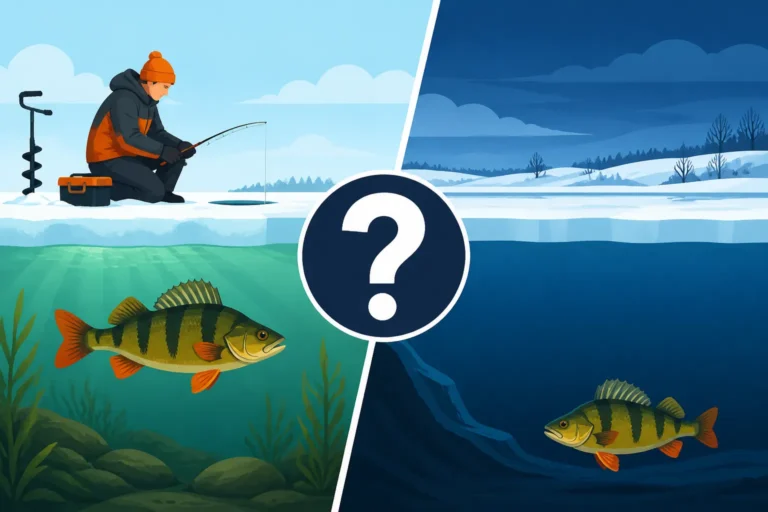
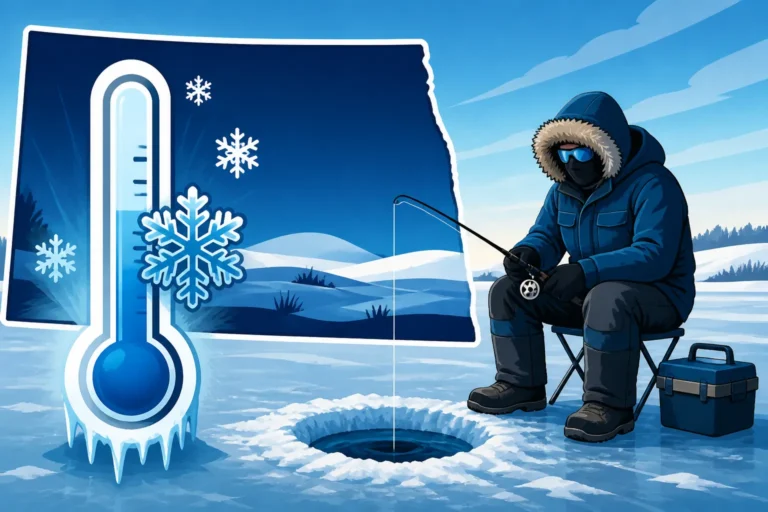
North Dakota is legendary for its ice fishing, and for good reason. The hard water season offers a unique opportunity to directly target trophy walleye that are often inaccessible during open water. While not always easy, the rewards can be monumental. To prepare for this, checking out How to Ice Fish in North Dakota is a good first step.
Early Ice: Aggressive & Accessible
The first few weeks of safe ice, typically in December, can be some of the most exciting for trophy walleye anglers. Don't let the cold deter you – this period often sees some of the most aggressive bites of the entire winter.
Walleye during early ice are still often in shallower areas, similar to late fall, feeding heavily before the full winter lock-down. They'll be found near green weed edges, shallow points, and rocky reefs, especially in lakes like Devils Lake or smaller prairie impoundments. Ice thickness is paramount during this time; always prioritize safety.
Active jigging with spoons or heavier lipless crankbaits can entice aggressive strikes. Tip-ups, strategically placed with large shiner or smelt minnows, are also incredibly effective for covering a wider area and tempting those larger, cruising walleye. Be prepared for a fight, as these fish are often still quite strong.
Mid-Winter: Patience and Precision
As winter truly sets in, usually from January through February, the bite often slows considerably. This is when patience and precision become the angler's greatest assets. Trophy walleye become more selective and less willing to chase.
During mid-winter, walleye tend to relate to deeper structure and basin areas, or they might suspend in the water column, following schools of baitfish. This is particularly true on large, deep lakes where traditional structure fishing can be tough. The key is to find the deep holes, humps, and steep breaks, and often to use sophisticated electronics.
Subtle presentations are critical. Smaller jigs tipped with a minnow head or a small plastic, worked with minimal movement, can coax bites. Deadsticking a live minnow just off the bottom or suspended at the depth where you mark fish on your flasher is also a go-to tactic. This is a game of millimeters, and having top-notch Ice Fishing Electronics and Fish Finders can give you the edge you need to pinpoint and then tempt those reluctant giants. You can find a wide range of these high-tech tools, from simple flashers to advanced sonars, on Amazon.
Late Ice: Pre-Spawn Pushing Shallow
Just before ice-out, typically in March, another excellent window opens for trophy walleye. As days lengthen and the sun's warmth begins to penetrate the ice, walleye feel the primal urge to spawn, and they start moving towards their traditional staging areas.
Trophy walleye, especially the females, will begin to move from their deep wintering holes toward shallower spawning grounds, often congregating in significant numbers in transitional areas. These could be river mouths, neck-down areas, or shallow, rocky points leading into deeper water. They're feeding aggressively to fuel the upcoming spawn.
This late-ice period often calls for more aggressive tactics than mid-winter. Larger spoons, ripping jigs, or big minnows on tip-ups can all be highly effective. The walleye are typically more active and willing to chase, similar to early ice or fall. However, ice conditions can be highly variable and dangerous during late ice, so always exercise extreme caution and be aware of your surroundings.
Key Factors Beyond Season to Consider
While seasonal patterns are incredibly important, there are other critical elements that play a huge role in finding and catching trophy walleye in North Dakota. Ignoring these can mean the difference between a memorable catch and a frustrating day on the water.
Water Temperature and Forage
Water temperature is the single most important factor influencing walleye behavior throughout the year. It dictates their metabolism, where they'll be found, and how aggressively they'll feed. Trophy walleye, in particular, are often in areas where their preferred forage fish are abundant and easily ambushed.
Forage availability varies significantly by lake. In Lake Sakakawea, ciscoes and smelt are primary food sources, influencing walleye to suspend in open water or relate to specific deep structures. In Devils Lake, perch and shiners are key, often keeping walleye in shallower, weedier environments. Understanding the local forage base for a specific lake is crucial because it helps you select the right baits and understand where the fish are likely to be. For instance, if you're chasing walleye in Lake Sakakawea, and you know they're gorging on smelt, a long, slender jerkbait or spoon that mimics a smelt will be far more effective than something mimicking a perch. Always consult local fishing reports and resources to understand what the walleye are currently feeding on.
Location, Location, Location
North Dakota is blessed with some incredible walleye fisheries, but knowing which lakes consistently produce trophy-sized fish is paramount. While you can catch a big walleye anywhere, focusing your efforts on proven giants will significantly increase your odds.
Lakes like Lake Sakakawea, Devils Lake, and Lake Oahe are renowned for their trophy walleye potential. These vast systems offer diverse habitats, abundant forage, and the deep, cold water that allows walleye to grow to impressive sizes. Each lake presents its own unique challenges and opportunities. For example, Lake Sakakawea Walleye Fishing Spots will differ vastly from those on Devils Lake. Furthermore, the Missouri River, particularly below the Garrison Dam, is another hotspot known for its consistent walleye fishing and the potential for a true wall-hanger. Each of these bodies of water can have very specific regulations regarding size limits and daily limits, which are crucial to know if you're after a trophy, so make sure you're familiar with North Dakota Walleye Size Limit Rules.
Beyond the major lakes, many smaller prairie reservoirs and river systems can also hold surprising numbers of large walleye, especially during specific seasonal windows. Researching local hot spots, talking to tackle shop owners, and even hiring a guide for a day can provide invaluable insights into where the true monsters lurk.
Seasonal Walleye Movement & Best Tactics for Trophy Fish
| Season | Water Temperature Range | Key Walleye Locations | Best Trophy Tactics | Ideal Bait/Lure Types |
|---|---|---|---|---|
| Spring | 40s – Low 50s | Shallow bays, river mouths, warmer flats, rock piles | Slow jigging, casting/trolling shallow crankbaits, slip bobber fishing | Jigs (1/4 – 3/8 oz) tipped with minnows/soft plastics, shallow-running crankbaits, live minnows under slip bobbers |
| Early Summer | Mid 50s – Mid 60s | Breaklines, points, main lake flats | Trolling crankbaits, bottom bouncers with spinner rigs, slip bobbers near weed edges | Medium-diving crankbaits, spinner rigs with crawlers/leeches, live bait |
| Mid-Summer | Mid 60s – Low 70s | Deep humps, main lake points, thermocline, deep weeds | Trolling deep-diving crankbaits, vertical jigging, bottom bouncers in deep water | Deep-diving crankbaits, heavy jigs, live bait (crawlers, leeches, large minnows) |
| Early Fall | Mid 60s – Mid 50s | Shallow bays, main lake points, creek arms, weed lines | Casting/trolling aggressive crankbaits, ripping lipless crankbaits, jigging | Large crankbaits, lipless crankbaits, spoons, heavier jigs |
| Late Fall | Mid 50s – Upper 30s | Deep wintering holes, basin areas, channels | Vertical jigging with heavy spoons/jigs, deadsticking, slow trolling deep baits | Heavy spoons, jigs tipped with large minnows, deep-diving crankbaits |
| Early Ice | Hard Water (shallow) | Shallow weeds, points, rocky reefs, current seams | Aggressive jigging, tip-ups with large minnows | Spoons, lipless crankbaits, jigs with plastics/minnows, large shiners/smelt on tip-ups |
| Mid-Winter | Hard Water (deep) | Deep basin, suspended fish, subtle structure | Subtle jigging, deadsticking, finesse presentations | Small jigs with minnow heads/small plastics, live minnows, tungsten jigs |
| Late Ice | Hard Water (shallow/transitional) | Pre-spawn staging areas, river mouths, shallow points | More aggressive jigging, larger baits, tip-ups | Larger jigs, spoons, big minnows on tip-ups, lipless crankbaits |
Ultimately, while there are peak windows like the fall feeding frenzy or specific early/late ice periods, the "best" time for a trophy walleye in North Dakota is often whenever you can get out on the water, armed with knowledge and the right approach. Each season offers a unique challenge and a unique opportunity to land that fish of a lifetime. Good luck out there!
Disclaimer
This article is for general informational purposes only and does not constitute professional advice. Laws, prices and regulations vary by location and change over time. Consult a qualified professional for guidance on your specific situation.