How Long Is the Open Water Fishing Season in North Dakota?
Oh, the age-old question that keeps every North Dakota angler up at night, especially as the days shorten or the spring sun finally starts to beat down! Waiting for that glorious open water fishing season to arrive, and then chasing those last bites before the lakes lock up again, feels like a constant push and pull. You’re not alone if you've ever wondered exactly how long you can expect to enjoy casting a line without the need for an auger. This guide is here to unravel the mysteries of North Dakota's open water fishing season, giving you a realistic picture of what to expect from spring thaw to late fall freeze.
Understanding the North Dakota Open Water Season Defined
When we talk about "open water fishing season" in North Dakota, we're essentially referring to that magical period when our lakes, rivers, and reservoirs are free of ice, allowing anglers to fish from boats, shorelines, docks, or even waders. Unlike some states that have strict "open" and "closed" seasons for certain species, North Dakota's fishing regulations are remarkably generous, often allowing year-round fishing for many popular species. The practical open water season, however, is entirely dictated by Mother Nature's icy grip.
The Influence of Ice-Out and Ice-Up
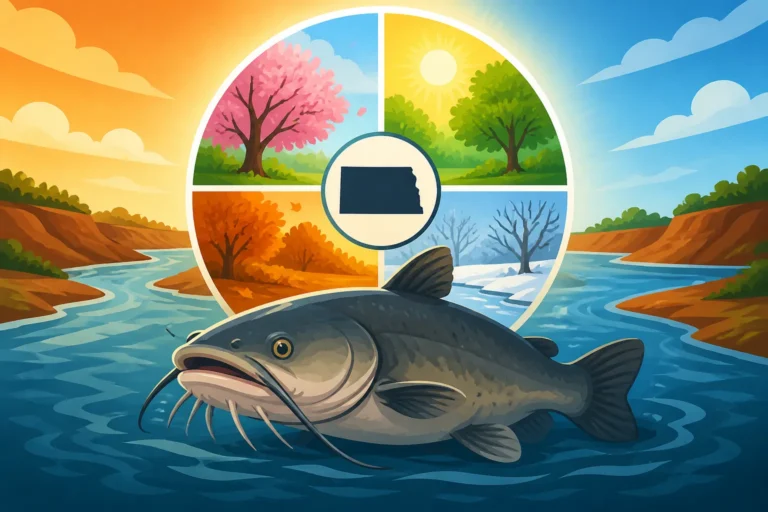
The start of the open water season is heralded by "ice-out," the moment the ice cover on a body of water completely melts or breaks up enough to allow safe boat navigation. This isn't a single date across the state; it’s a staggered event. Smaller, shallower lakes and rivers in the southern part of the state typically see ice-out earlier, sometimes as early as late March or early April. Meanwhile, large, deep lakes like Lake Sakakawea or Lake Oahe, and even the notoriously stubborn Devils Lake, can hold onto their ice well into April or even early May, depending on the severity of the winter and the rapidity of the spring thaw. The anticipation during this period is palpable, with anglers constantly checking local reports and watching webcam feeds.
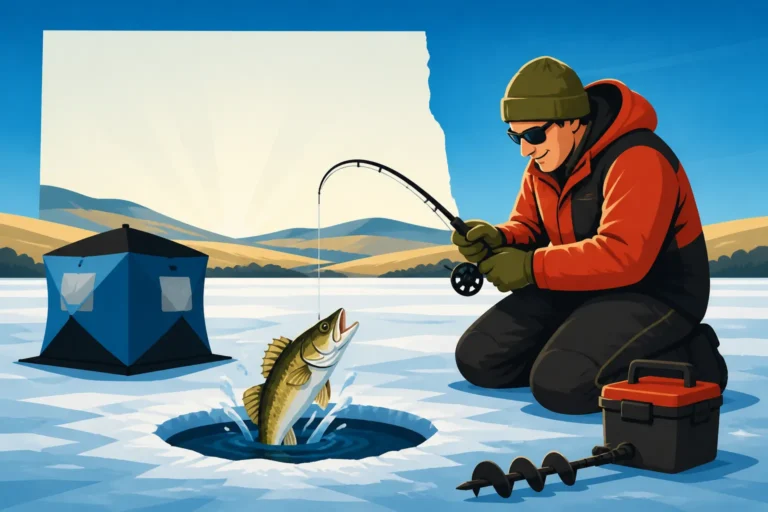
Conversely, the open water season concludes with "ice-up," when temperatures consistently drop below freezing, and the water bodies begin to form a solid ice cover once again. Just like ice-out, this varies significantly. Some shallow ponds might freeze over by late October or early November, while large rivers with strong currents or huge reservoirs could remain open well into December, or even have stretches that never fully freeze over during milder winters. It's a bittersweet transition, as anglers swap their casting rods for ice fishing gear, which many North Dakotans embrace with equal fervor. For a comprehensive look at the icy transition, check out our North Dakota Ice Out Fishing Guide.
The Year-Round Legal Landscape for Anglers
It's crucial to distinguish between the physical open water season and the legal fishing season. In North Dakota, for most common species like walleye, northern pike, perch, and bass, the legal fishing season is year-round. This means that if you find open water, you are generally allowed to fish for these species, provided you have a valid North Dakota fishing license and adhere to all daily and possession limits. There are exceptions, of course, such as specific snagging seasons for paddlefish or certain regulations on border waters, but for the vast majority of fishing opportunities, it's open season as long as the water is liquid. This flexibility is a huge bonus for anglers, allowing them to take advantage of unexpected warm spells or late-season opportunities. Understanding these nuances is key to appreciating the true length and flexibility of fishing in the Peace Garden State. You can dive deeper into the overarching regulations by reading North Dakota Fishing Season Dates and Limits.
Factors That Dictate the Open Water Season's Length
The length of North Dakota's open water fishing season isn't a fixed calendar item; it's a dynamic period influenced by a cocktail of environmental and geographical factors. Understanding these elements can help you predict when you might be able to wet a line and when you'll need to dust off your ice fishing auger.
Weather Patterns and Climate Variability
The most obvious factor, of course, is the weather. A mild winter with less snowfall and warmer temperatures can lead to an earlier ice-out and a later ice-up, effectively extending the open water season. Conversely, a long, brutal winter with heavy snow and persistent cold can shorten the season significantly, keeping lakes frozen solid well into spring and locking them up quickly in the fall. We've all experienced those springs where you're practically tapping your foot, waiting for the ice to release its grip, or those falls where an unexpected cold snap rushes the transition to ice fishing. These year-to-year variations make planning a little tricky, but also add to the adventure.
Beyond seasonal averages, specific weather events play a huge role. A sustained period of warm, sunny days and strong winds in March can rapidly break up ice that might otherwise linger for weeks. Similarly, an early blizzard or a prolonged cold snap in November can bring an abrupt end to what felt like a productive fall season. Anglers often become amateur meteorologists, constantly checking forecasts and water temperatures, knowing that a few degrees can mean the difference between casting a crankbait and drilling a hole.
Geographic Location and Water Body Characteristics
North Dakota is a big state, and not all water bodies are created equal when it comes to holding or shedding ice.
Larger, Deeper Lakes and Reservoirs: Massive bodies of water like Lake Sakakawea, Lake Oahe, and even Devils Lake, due to their sheer volume and depth, take much longer to freeze solid and much longer to thaw. Their larger surface area also means they are more susceptible to wind, which can help break up ice once it starts to thin. You might see anglers targeting open water on a big reservoir while smaller ponds nearby are still solid. How Long Does Devils Lake Take to Freeze? is a great resource if you're curious about one of our most popular lakes.
Smaller Lakes and Ponds: These water bodies, being shallower and less expansive, typically freeze earlier in the fall and melt sooner in the spring. They are often the first places to offer open water fishing in early spring and the first to switch over to ice fishing.
Rivers and Flowing Water: Rivers, especially the mighty Missouri River and the Red River of the North, often have areas that remain open much longer, or even year-round, due to current. This can create unique opportunities for anglers who are willing to brave colder temperatures. However, ice jams can also be a concern on rivers, posing their own set of challenges.
The varied nature of North Dakota's aquatic landscape means that even within a short drive, you might find drastically different conditions, extending your overall "open water fishing" window by moving between different types of water bodies.
| Water Body Type | Typical Ice-Out Period | Typical Ice-Up Period | Open Water Length (Approx.) |
|---|---|---|---|
| Small Lakes & Ponds | Early to Mid-April | Late Oct to Mid-November | 6 – 7 months |
| Medium Lakes | Mid-April to Early May | Mid-November to Early Dec | 7 – 7.5 months |
| Large Lakes & Reservoirs (Sakakawea, Devils Lake, Oahe) | Late April to Mid-May | Mid-November to Mid-December | 7 – 8 months |
| Major Rivers (Missouri, Red) | Late March to Early April (often year-round in sections) | Late Nov to Early January (sections may remain open) | 8 – 10+ months |
Note: These are typical ranges and can vary significantly year to year due to weather patterns.
Phases of North Dakota's Open Water Fishing
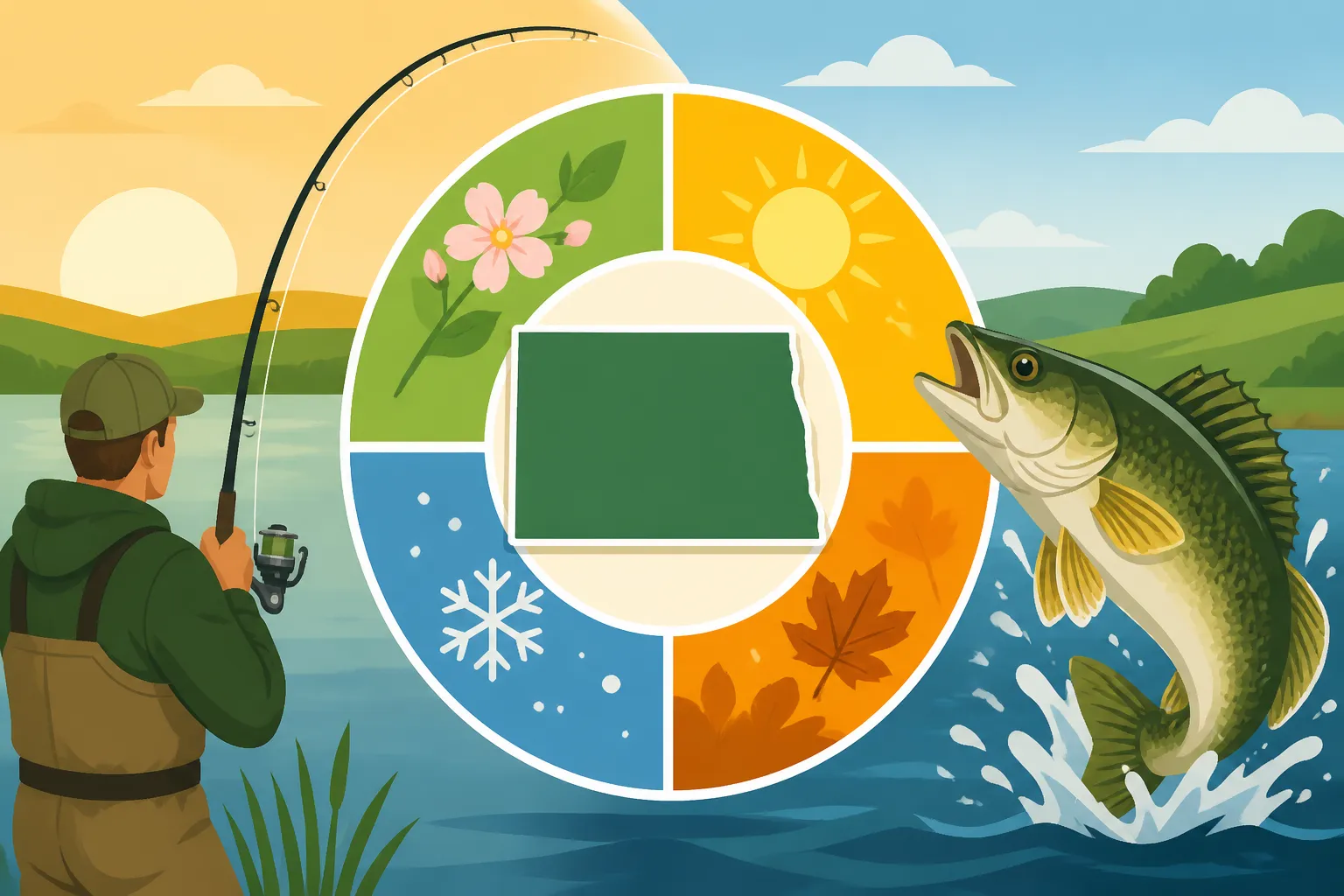
While the legal open water season for most fish is continuous, the character of fishing changes dramatically throughout the year. Thinking of the open water period in distinct phases can help you understand fish behavior and adapt your strategies.
Spring: The Excitement of Ice-Out and Early Season Bites
When the ice finally relents, there's an undeniable buzz in the air. This "ice-out" period, typically from April through May, is often a prime time for many species. Fish are coming out of their winter sluggishness, often congregating in shallower, warmer waters as they prepare to spawn or recover from it.
Early Spring Challenges and Rewards: The water is still cold, and fishing can be hit or miss, but when you hit it, it's often spectacular. Walleye and northern pike are particularly active. Shallow bays, river mouths, and any areas receiving direct sunlight are excellent places to start. You might be vertical jigging or slowly trolling crankbaits, trying to tempt those still somewhat lethargic fish. The key is patience and paying close attention to water temperature. This is also a time when you’ll want to make sure your boat is tuned up and ready, or perhaps you're shopping for new gear, checking out deals on Amazon. Don't forget to review our guide on Early Spring Walleye Techniques in North Dakota.
Summer: Peak Season for Variety and Warm Water Action
June, July, and August represent the heart of North Dakota's open water season. Temperatures are warm, daylight hours are long, and fish are generally more active and spread out. This is when you'll see lakes dotted with boats, families enjoying fishing from shore, and tournaments in full swing.
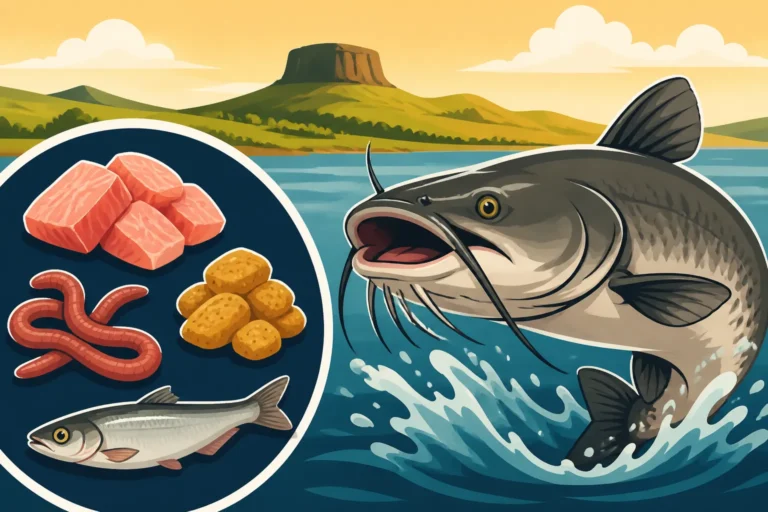
From Shallow Spawning to Deep Structure: In early summer, fish might still be transitioning from post-spawn, but as waters warm, many species move to deeper structure, weed lines, or main lake points. Walleye might be found on humps and breaks, while northern pike will often ambush prey from dense weed beds. Smallmouth bass become incredibly aggressive on rocky shorelines and points. This is also a fantastic time for species like catfish on the Red River or Lake Oahe, where they thrive in warmer temperatures. Summer offers the most diverse fishing opportunities, and you'll want a reliable Essential Gear Checklist for North Dakota Fishing to make sure you're ready for anything.
Fall: The Frenzy Before the Freeze
As summer fades and autumn colors begin to paint the landscape, North Dakota enters its glorious fall fishing season, typically from September through November. This is a favorite time for many seasoned anglers, and for good reason.
Feeding Frenzies and Big Fish: Fish, especially walleye, northern pike, and perch, sense the approaching winter and begin a serious feeding binge to put on weight. They are often more aggressive and less picky than in the warmer months. This can lead to some truly epic days on the water and a great chance at catching trophy-sized fish. Fish might move shallower again, following baitfish that are pushed by cooling water. You'll often find them schooling up in predictable patterns. While the weather can be fickle with cold fronts and strong winds, the rewards are often worth the effort. Make sure your layering system is dialed in, and perhaps you've even snagged some deals on cold-weather fishing apparel from Amazon. For more insights, check out our North Dakota Fall Fishing Guide.
Maximizing Your Open Water Opportunities
Given North Dakota's dynamic climate, making the most of the open water season requires a bit of planning and adaptability. It's about being ready when conditions are right and knowing how to extend your time on the water.
Preparing for the Full Span of the Season
To truly maximize your open water season, preparation is key from early spring to late fall.
Gear Readiness: Your boat should be de-winterized and ready to launch as soon as ice-out is declared on your favorite lake. This means checking your motor, electronics, and safety gear. Having a range of rods and reels for different techniques – from light spinning gear for perch to heavy baitcasting setups for big pike or catfish – will keep you versatile. Ensure your tackle boxes are stocked with appropriate lures and baits for each season's patterns. Maybe you're already browsing for new fishing line or specific crankbaits on Amazon in anticipation.
Layered Clothing: North Dakota weather is notorious for its rapid changes. A spring morning can start below freezing and be pleasantly warm by afternoon, while a fall day can go from sunny to snowy in hours. Layering your clothing is paramount. Start with a moisture-wicking base, add insulating layers, and top it with a waterproof and windproof outer shell. Investing in good quality rain gear, like sets you can find on Amazon, can make all the difference between a miserable day and a successful one.
Weather Monitoring: Become a weather hawk! Constantly check forecasts, wind speeds, and water temperatures. These are critical clues for fish location and activity, and for your own safety and comfort. A sudden cold front can shut down a bite, while a sustained warming trend can activate it.
Extending Your Fishing Window
Beyond simply being ready, there are ways to actively stretch your open water season.
Targeting Different Water Bodies: As mentioned, different lakes, rivers, and ponds will freeze and thaw at different rates. If your go-to lake is still iced over, explore a smaller, shallower lake or a river nearby that might be open. Similarly, in the fall, larger bodies of water or river stretches with current will remain open longer. Being willing to travel a bit can significantly extend your total open water days. This strategy is also useful if you're looking for Best Time of Year to Fish in North Dakota and want to stay flexible.
Embracing All Conditions: Don't let a little wind or cooler temperatures deter you. Some of the best fishing can happen during less-than-ideal conditions when fair-weather anglers stay home. Learning to fish effectively in wind, rain, or cooler temperatures will open up many more opportunities. Just make sure you have the right gear and safety precautions in place. A sturdy tackle box, readily available from retailers like Amazon, is a must-have for keeping your gear organized in various weather conditions.
Night Fishing: For species like walleye and especially catfish, night fishing can be incredibly productive, extending your daily fishing window, especially during the long summer days. Catfish, in particular, are known for their nocturnal feeding habits. This can add hours to your open water season each day.
Open Water Fishing Regulations and Considerations
While the physical length of the open water season is determined by nature, understanding the specific regulations in North Dakota is paramount to a successful and legal fishing experience. The North Dakota Game and Fish Department (NDGFD) works hard to manage our fisheries, and anglers play a vital role in that by following the rules.
License Requirements and Age Exemptions
First and foremost, nearly all anglers over the age of 16 need a valid North Dakota fishing license to fish in the state's waters. This applies whether you're casting from shore, a boat, or an ice shanty. There are exceptions for certain age groups, such as children under 16 who can generally fish without a license, and specific exemptions or discounts for seniors, disabled veterans, or active-duty military. It’s always best to check the current regulations, especially if you're new to the state or haven't fished in a while. Obtaining your license is usually a straightforward process, available online or through various vendors. For specifics, you can refer to our North Dakota Fishing License Guide or learn about North Dakota Resident Fishing License Options.
Daily and Possession Limits by Species
North Dakota has species-specific daily and possession limits designed to protect fish populations and ensure sustainable fishing for future generations. These limits can vary based on the species (walleye, northern pike, perch, etc.), and sometimes even by specific water body. For example, walleye limits might be different on Lake Sakakawea compared to a smaller local lake.
Understanding the Rules: It's your responsibility as an angler to know and follow these rules. "Daily limit" refers to the number of fish of a certain species you can keep in a 24-hour period. "Possession limit" refers to the total number of fish you can have in your possession, whether in your livewell, cooler, or freezer at home. Exceeding these limits can result in significant fines and penalties. Familiarize yourself with resources like North Dakota Walleye Size Limit Rules and North Dakota Northern Pike Daily Limit to stay compliant.
Special Regulations and Water Body Specifics
Beyond general limits, North Dakota has several special regulations that anglers need to be aware of, especially during the open water season.
Aquatic Nuisance Species (ANS): Preventing the spread of ANS like zebra mussels is critical. Anglers and boaters are required to clean, drain, and dry their boats and gear when moving between water bodies. This means removing all weeds, draining all water, and ensuring everything is dry before launching in a new location. These rules are non-negotiable and essential for protecting our precious fisheries. The penalties for non-compliance are steep. More details can be found in Aquatic Nuisance Species Rules for Boaters.
Border Waters: If you plan to fish on border waters shared with neighboring states, like the Red River (with Minnesota) or the Bois de Sioux River, there are often reciprocal agreements or specific rules that apply. It's vital to know which state's regulations (or a combination thereof) apply to your fishing. Our article on Reciprocal Fishing Rules on the Red River Border Waters can provide clarity.
Paddlefish Snagging: This is a unique and exciting opportunity on certain stretches of the Missouri River. However, it operates under very specific rules, including a designated season, special tags, and gear requirements. It's a prime example of where the general year-round season doesn't apply.
Always carry a copy of the current North Dakota Fishing Guide (available online and at license vendors) or have access to the official NDGFD app on your phone. Ignorance of the law is never an excuse, and game wardens are dedicated to enforcing these regulations to protect our natural resources.
Disclaimer
This article is for general informational purposes only and does not constitute professional advice. Laws, prices and regulations vary by location and change over time. Consult a qualified professional for guidance on your specific situation.