North Dakota Channel Catfish Fishing Guide
There's nothing quite like the thrilling tug on your line when a powerful channel catfish decides to take your bait in North Dakota's vast and wild waters. Many anglers, especially those new to the state or new to catfishing, often feel overwhelmed by the sheer size of our rivers and the specific techniques needed to consistently land these whiskered giants. This comprehensive guide is here to demystify North Dakota channel catfish fishing, helping you understand their habits, find the best spots, and master the techniques that lead to memorable catches.
Understanding North Dakota's Channel Catfish
Before you even cast a line, getting to know the creature you're after is half the battle, and certainly a huge part of the fun! Channel catfish are one of North Dakota's most popular game fish, and for very good reason. They offer incredible fights, grow to impressive sizes, and are fantastic table fare. But they're also a bit unique, demanding a different approach than your typical walleye or perch pursuit.
What Makes Channel Cats So Appealing to Anglers?
For starters, their fighting spirit is legendary. When you hook into a big channel cat, be prepared for a serious test of your tackle and your arm strength. They'll pull, dive, and headshake with a tenacity that can surprise even experienced anglers. It's not uncommon for a good-sized channel cat to make multiple strong runs, sometimes even bending heavy-action rods deep into the water. This raw power is a major draw, providing an adrenaline rush that keeps people coming back for more.
Beyond the fight, there's the accessibility. You don't necessarily need a fancy boat or expensive electronics to get into some great channel cat fishing. Many of the best spots are accessible from shore, making it a fantastic option for anglers of all ages and experience levels. Plus, they tend to be quite abundant in the right waters, increasing your chances of success compared to some other more elusive species. It’s an approachable fishery that delivers big rewards.
And let's not forget about dinner! Channel catfish are widely regarded as one of the best-eating freshwater fish. Their firm, flaky, white meat is delicious whether it's fried, baked, or grilled. The thought of a fresh catfish fry, seasoned just right, is often enough motivation for many anglers to brave the elements and dedicate their time to chasing these robust fish.
Identifying North Dakota's Channel Catfish
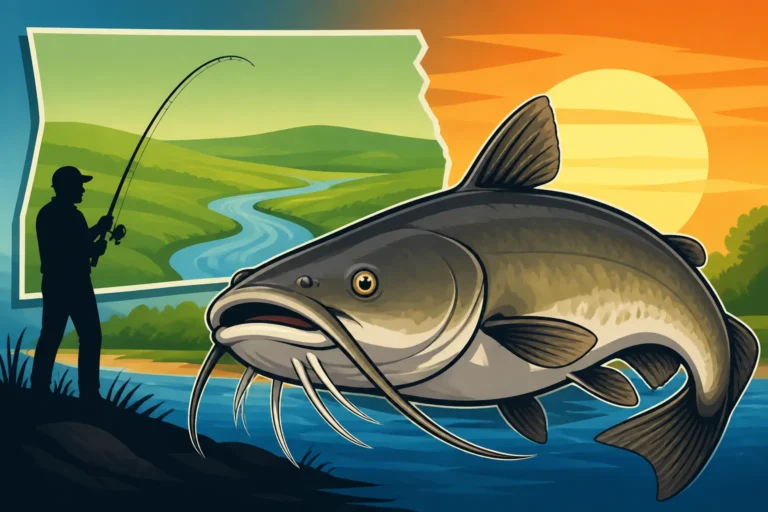
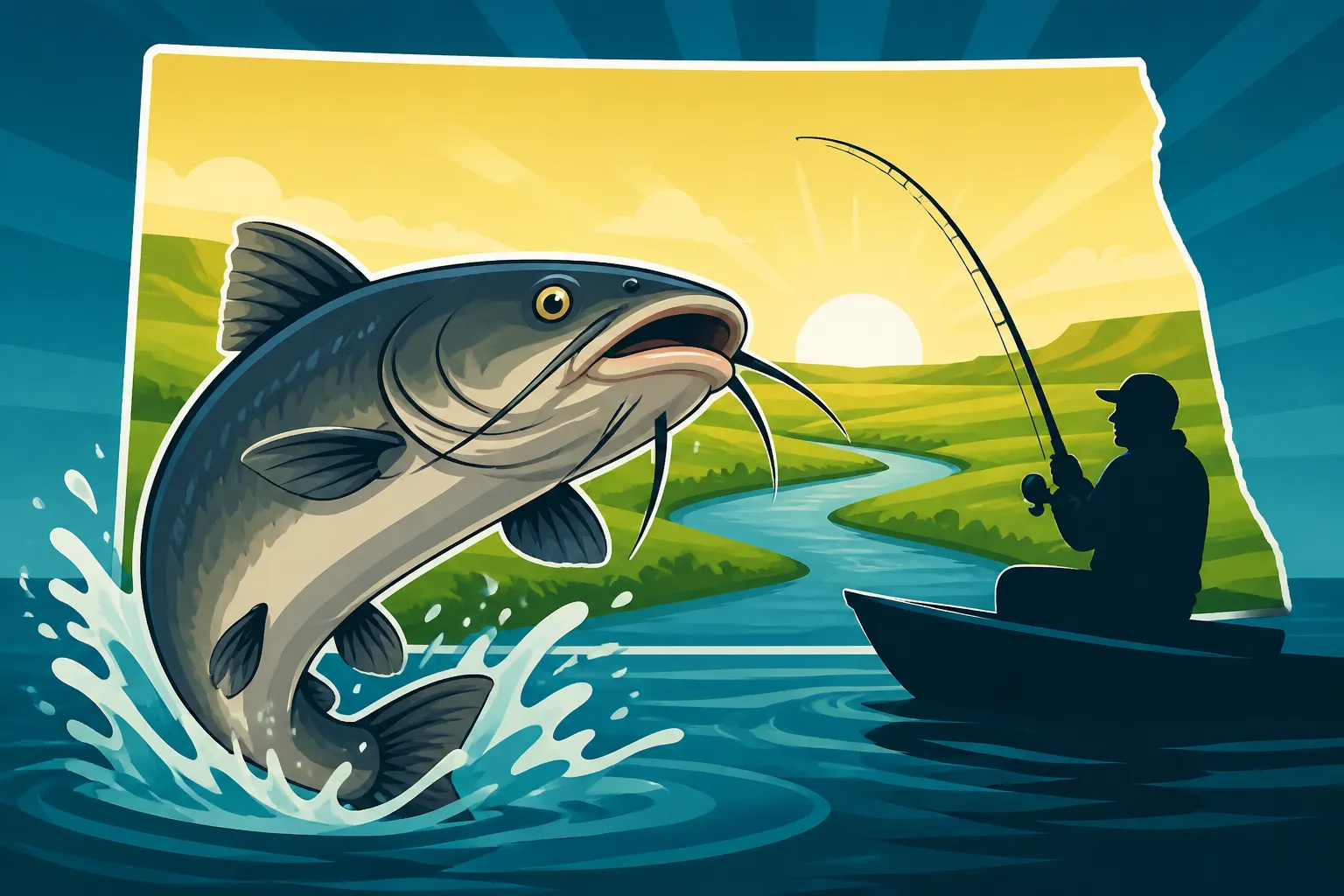
Knowing your target is crucial, and distinguishing a channel cat from other catfish species or even different fish in our waters is fairly straightforward once you know what to look for. Channel catfish have a distinct appearance that sets them apart. They typically sport a somewhat streamlined body, often with a deeply forked tail, which is a key identifier. This forked tail is particularly important as it helps differentiate them from flathead catfish, which have a more rounded, paddle-like tail, and bullheads, which have a square or slightly rounded tail.
Their coloration can vary quite a bit depending on the water they inhabit. Generally, they range from olive-green to blue-gray on their backs, fading into silvery sides and a white belly. Younger channel cats, or those from clearer waters, often have small, dark spots scattered along their sides, which tend to fade as they age or in muddier environments. This spotting is another excellent clue for identification, hence the "channel" in their name, referring to their spotted appearance.
They also have a set of long, sensitive barbels around their mouth, which are often mistakenly called "whiskers." These barbels are crucial sensory organs, helping them locate food in murky water or low-light conditions. These unique features, coupled with their generally smooth, scaleless skin, make them easily recognizable. If you're ever in doubt, remember the forked tail and the potential for spots – those are your best visual cues.
The Life and Habits of Channel Catfish in ND Waters
Channel catfish are incredibly adaptable fish, thriving in a variety of North Dakota's aquatic environments. They prefer warm, slow-moving water, which is why they do so well in our larger river systems and certain lakes. You'll often find them lurking in deeper pools, along current breaks, or near submerged structures like logjams, bridge pilings, and rocky outcroppings. They are opportunistic feeders, meaning they'll eat just about anything they can get their mouths on, from insects and crustaceans to smaller fish and even dead bait.
Their feeding habits are often dictated by time of day and water conditions. While they will bite during the day, channel catfish are notorious for being more active feeders during low-light conditions, particularly at dawn, dusk, and throughout the night. This nocturnal tendency is largely due to their excellent sense of smell and touch (thanks to those barbels!), which gives them an advantage over prey when visibility is poor. During the day, they tend to retreat to deeper, cooler water or hide in cover, emerging to forage when the sun is less intense.
Spawning typically occurs in late spring or early summer when water temperatures reach a comfortable range. During this time, they'll seek out secluded, dark areas like undercut banks, hollow logs, or rock crevices to lay their eggs. The male channel cat plays an active role in guarding the nest and fanning the eggs to ensure proper oxygenation until they hatch. Understanding these basic life cycles and habits can greatly improve your chances of locating and catching them at different times of the year.
Prime North Dakota Waters for Channel Catfish
North Dakota might be known for its walleye and pike, but it truly shines as a destination for channel catfish. We have some world-class catfishing opportunities, especially in our major river systems. Knowing where to go is almost as important as knowing how to fish, and thankfully, our state offers several exceptional locations.
The Mighty Red River of the North: Catfish Capital
When anyone talks about channel catfish in North Dakota, the conversation almost always starts and ends with the Red River of the North. This river is not just good for catfish; it's legendary. Stretching along the eastern border with Minnesota, the Red River is often considered one of the top channel catfish fisheries in North America. Anglers come from all over to experience the incredible numbers and immense size of the channel cats found here.
The Red River is characterized by its slow current and often murky, nutrient-rich water, which is precisely what channel catfish adore. The river bottom is primarily soft mud and silt, but it's punctuated by deeper holes, fallen trees, and subtle current breaks that act as perfect ambush points for hungry catfish. From the Fargo-Moorhead area all the way north past Grand Forks, there are countless stretches of river that hold huge populations of these whiskered fighters. Public access points, boat ramps, and even numerous bridges offer easy ways to get to the water. The sheer abundance of fish in this system means that even a novice angler has a good chance of connecting with a respectable catch. Finding a good current seam or a deep bend can be key to success. If you're looking for an unforgettable catfishing experience, the Red River should be at the very top of your list. You'll want to review the Red River Catfish Fishing Spots in North Dakota for detailed location information.
Missouri River System: Unexpected Catfish Hotspots
While the Red River gets all the glory, don't overlook the immense potential of the Missouri River system for channel catfish. This includes the main stem of the Missouri River itself, as well as its massive reservoirs, Lake Sakakawea and Lake Oahe. While these waters are famous for walleye and salmon, they also harbor a thriving population of channel catfish, especially in certain areas. The catfish in the Missouri River tend to grow very large, offering trophy potential for dedicated anglers.
On the main stem of the Missouri, particularly below Garrison Dam and around the Bismarck-Mandan area, you'll find channel catfish in deeper holes, around submerged timber, and in areas where smaller creeks flow into the main river, bringing in nutrients and baitfish. The current can be stronger here than on the Red River, so understanding how to fish current breaks and eddies is essential. In Lake Sakakawea and Lake Oahe, look for catfish in the upper arms and bays where feeder creeks enter, especially areas with warmer, shallower water and plenty of cover. These are generally less pressured spots for catfish, meaning you might find less competition from other anglers. Don't be surprised to hook into a substantial channel cat while targeting other species here; they truly are widespread. For more on this region, check out the Missouri River Fishing Guide.
Lesser-Known Lakes and Tributaries
Beyond the two major rivers, North Dakota has a surprising number of smaller lakes, reservoirs, and tributary rivers that offer excellent, often overlooked, channel catfish opportunities. These can be fantastic options for a quieter day of fishing or for those looking for a different experience. Rivers like the James River, Sheyenne River, and Heart River, while smaller, can hold strong populations of channel catfish, especially in their deeper pools and bends.
Smaller lakes and reservoirs across the state often receive stockings of channel catfish or have self-sustaining populations. Lakes such as Jamestown Reservoir, Lake Ashtabula, and even some of the smaller community fishing ponds can offer great catfishing. These smaller bodies of water often have easier access and can be very productive, particularly during the warmer months. It's always a good idea to check with the North Dakota Game and Fish Department for current stocking reports and fishing hotlines, as conditions and populations can change. Exploring these lesser-known spots can lead to some truly rewarding and peaceful fishing experiences away from the crowds.
Here's a quick overview of key channel catfish waters:
| Water Body | Primary Characteristics | Key Fish Location | Best Time to Fish |
|---|---|---|---|
| Red River of the North | Slow current, murky water, soft bottom | Deep holes, logjams, current breaks, bridge pilings | Summer nights, late spring, early fall |
| Missouri River (Main Stem) | Moderate to strong current, varied bottom | Deeper pools, current eddies, structure, creek mouths | Summer, late fall |
| Lake Sakakawea/Oahe | Large reservoirs, varied depths | Upper arms, shallow bays, submerged timber, creek inlets | Warm months, especially evenings |
| James/Sheyenne Rivers | Smaller rivers, varying current | Deep bends, pools, undercut banks, brush piles | Summer, early fall |
| Smaller Lakes/Reservoirs | Diverse, some shallower & warmer | Deepest areas, structure, weed edges | Warmest months |
Essential Gear for North Dakota Channel Catfish Fishing
Having the right gear makes all the difference when you're targeting big, hard-fighting channel catfish. You wouldn't use a fly rod to haul in a giant walleye, and similarly, delicate tackle isn't going to cut it for these whiskered brutes. Investing in appropriate rods, reels, line, and terminal tackle is crucial for both success and enjoyment.
Rods, Reels, and Line: Building Your Catfish Arsenal
When it comes to rods for channel catfish, think heavy-duty and robust. You'll want a medium-heavy to heavy power spinning or baitcasting rod, typically in the 7 to 9-foot range. This length provides good casting distance for reaching prime spots from shore or boat, and the heavy power gives you the leverage needed to control a large fish in current or pull it out of cover. A rod with a fast or moderate-fast action will offer sensitivity for detecting subtle bites, while still having plenty of backbone for the fight. Brands like Ugly Stik or Berkley often make excellent, durable catfish-specific rods that can withstand the abuse these fish dish out. If you're looking for a Best Rod Setup for Red River Catfish, you'll want something that can handle a lot of weight.
Matching that rod with a strong, reliable reel is paramount. For spinning reels, look for a size 4000 to 6000, known for their larger line capacity and smooth, powerful drag systems. For baitcasting reels, a conventional round reel or a larger low-profile reel designed for heavy line and big fish will do the trick. A good drag system is non-negotiable; it's what will allow you to tire out a big catfish without breaking your line. Make sure your reel can hold plenty of line, as those powerful runs can peel off a surprising amount.
Your fishing line is the direct connection to the fish, so don't skimp here. Most experienced catfishermen opt for monofilament or braided line in the 15 to 30-pound test range. Monofilament is a popular choice for its stretch, which acts as a shock absorber against powerful surges, and its abrasion resistance around rough structure. Braided line, on the other hand, offers superior strength-to-diameter ratio, zero stretch for incredible sensitivity, and excellent cutting power through weeds. If using braid, you might consider a monofilament or fluorocarbon leader to provide a bit of shock absorption and make your presentation a little less visible in clearer waters. You can find a great selection of durable fishing lines and reels on sites like Amazon, ensuring you're ready for whatever the Red River throws at you.
The Best Baits and Rigs for North Dakota Catfish
Channel catfish are not picky eaters, which is fantastic news for anglers. They are scavengers and predators, drawn to strong smells and easy meals. This means a wide variety of baits can be incredibly effective, but some stand out as consistent producers in North Dakota. For specific details on what to use, check out our guide on Best Bait for Channel Catfish in North Dakota.
Natural cut bait is arguably the king of catfish baits. Shad, suckers, goldeye, or even oily fish like mackerel (if legal to use in your area) cut into chunks will release strong scent trails that catfish find irresistible. The fresher the better, but even slightly "ripe" cut bait can be effective. Other popular natural baits include shrimp, chicken livers (which are incredibly stinky and popular but can be tough to keep on the hook), and even hot dogs soaked in garlic. Live baits like large minnows or leeches can also be successful, especially for attracting more active, predatory fish.
For terminal tackle, the most common and effective rigs are the simple Carolina rig (also known as a slip-sinker rig) and a three-way swivel rig. The Carolina rig involves a sinker (often a coin sinker or egg sinker) threaded onto your main line, followed by a bead to protect your knot, and then tied to a swivel. A leader, typically 12-24 inches long, is then tied from the other end of the swivel to your hook. This setup allows the fish to pick up the bait and run without feeling the weight of the sinker immediately. The three-way swivel rig is great for keeping your bait off the bottom in current. You tie your main line to one eye of the swivel, a short leader with a sinker to another, and your hook leader to the third. Circle hooks are highly recommended, usually in sizes 4/0 to 8/0, as they are designed to hook fish in the corner of the mouth, leading to fewer gut hooks and easier, healthier releases. To learn how to assemble these, refer to How to Rig Cut Bait for Catfish.
Essential Accessories for a Successful Catfish Outing
Beyond your basic rod and reel setup, there are several accessories that will greatly enhance your channel catfishing experience in North Dakota. These items might seem minor, but they can make a big difference in comfort, safety, and success.
First and foremost, a sturdy rod holder is essential, especially if you're bank fishing. Catfish bites can be sudden and aggressive, and a good holder will prevent your rod from being pulled into the water. Anglers often use spike-style rod holders that can be pushed into the bank. If you're fishing from a boat, rail-mounted or flush-mount rod holders are a must. Next, a large, durable landing net is critical. Channel catfish can be stout, and trying to hoist a big one by the line alone can lead to lost fish or broken tackle. A net with a deep, rubberized basket is ideal, as it protects the fish's slime coat and is less likely to tangle hooks.
Other helpful items include a good headlamp or lantern for night fishing, as these are prime times for catfish action. Pliers or hook removers are crucial for safely extracting hooks, especially with powerful fish. A heavy-duty cooler is also a must-have, whether you're keeping your catch for dinner or just need to keep your bait fresh. Don't forget bug spray, especially when fishing near rivers in summer evenings – the mosquitoes can be relentless! A comfortable chair if bank fishing, a sharp fillet knife if you plan to keep fish, and a rag for cleaning hands are all small details that add up to a much more enjoyable day or night on the water. All these accessories can be easily found on Amazon, helping you stock up before your next adventure.
Tried-and-True Channel Catfish Fishing Techniques
Channel catfishing is an art form, but one that's relatively easy to master with a few key techniques. Whether you're casting from shore or exploring deeper waters from a boat, understanding how to present your bait effectively and where to find these fish is paramount.
Bank Fishing Strategies for Accessible Catfish
Bank fishing for channel catfish is incredibly popular in North Dakota, largely because many prime spots on the Red River and other waterways are easily accessible without a boat. The key to successful bank fishing is understanding current and structure. Look for areas where the main current slows down, such as inside bends, behind wing dams, or near fallen trees and logjams. These current breaks provide calmer water where catfish can rest and ambush food as it drifts by. Also, pay attention to depth changes, like sharp drop-offs or deeper holes that are often indicated by darker water.
Once you've identified a promising spot, cast your baited rig (like a Carolina rig or a three-way swivel rig, as discussed earlier) upstream of where you expect the fish to be. Allow the current to carry your bait naturally into the strike zone. Use enough weight on your sinker to hold your bait on the bottom without it rolling too much, but not so much that it's completely static and unnatural. Having multiple rods out, each with a slightly different bait or cast to a different depth, can help you quickly figure out what the catfish are biting on and where they are holding. Remember, catfish often cruise, so be patient, and be prepared for that rod to suddenly double over!
Another great strategy for bank fishing is targeting areas near public access points like parks and boat ramps, especially if there's an adjacent deep hole or structure. While these areas can see more pressure, they're popular for a reason—they hold fish. Also, fishing during periods of low light, like dawn, dusk, or night, significantly increases your chances when bank fishing, as catfish move shallower to feed under the cover of darkness. This can be especially productive on the Red River where you might be looking for Red River Catfish Spots Near Fargo.
Boat Fishing Tactics for Deeper Waters and Structure
For those with a boat, a whole new world of channel catfishing opens up, allowing you to access deeper water, mid-river structures, and less-pressured areas. Boat fishing for channel catfish often involves anchoring, drift fishing, or sometimes even slow trolling, depending on the conditions and the specific body of water.
Anchoring is a go-to tactic, especially in river systems. Position your boat upstream of a promising structure like a deep scour hole, a submerged rock pile, or a significant logjam. Cast your baited rigs to various points around the structure, allowing them to settle on the bottom. Using a fish finder to locate these deeper structures and concentrations of fish or baitfish is a massive advantage. On larger reservoirs like Lake Sakakawea, you might anchor near creek channels or submerged points that extend into deeper water, especially in bays where warmer water attracts catfish.
Drift fishing can be incredibly effective when you want to cover a lot of water and locate scattered fish. This involves letting your boat drift with the current or wind, dragging your baited rigs along the bottom. You'll need to use enough weight to keep your bait down, but not so much that it snags constantly. This method is particularly useful in wide river sections or large reservoir flats where fish might be spread out. While not as common for channel cats, some anglers also experiment with slow trolling large crankbaits, particularly at night, to cover ground and appeal to more aggressive fish. Always make sure you understand the North Dakota Fishing Regulations Explained for any specific areas you are fishing, especially regarding anchoring or boat operations.
Night Fishing for North Dakota Channel Catfish
If there's one "secret weapon" for channel catfish, it's night fishing. As mentioned earlier, channel catfish are largely nocturnal feeders, and their activity levels can dramatically increase once the sun sets. The combination of reduced light, cooler water temperatures, and often a more relaxed atmosphere makes night fishing one of the most productive times to target these fish.
When planning a night fishing trip, safety should be your top priority. Make sure you have reliable headlamps or lanterns, reflective markers if you're in a boat, and let someone know your plans. Prepare all your gear in advance, as fumbling in the dark is never fun. Focus your efforts on the same types of areas you'd fish during the day – current breaks, deep holes, and structural elements – but don't be afraid to try shallower water, as catfish will often move up onto flats and shallower banks to feed under the cover of darkness.
Using baits with a strong scent is even more critical at night, as fish rely heavily on their sense of smell in low visibility. Cut bait, chicken livers, or commercial stink baits are excellent choices. Be mindful of your tackle; heavy-duty glow sticks can be attached to rod tips to help you detect bites, or you can use bells on your rod tips for an audible alert. The quiet solitude of night fishing, combined with the explosive bites of channel catfish, creates an unforgettable experience. For more specific tactics, delve into Catfishing at Night in North Dakota.
North Dakota Channel Catfish Seasons and Best Times
Understanding the seasonal patterns and optimal times to fish can dramatically improve your success rate when targeting channel catfish in North Dakota. Their behavior and locations shift with water temperature, flow, and spawning cycles.
Spring: Early Season Opportunities
Spring in North Dakota marks the awakening of many fish species, and channel catfish are no exception. As the ice finally recedes (often referred to as "ice out") and water temperatures begin to climb, usually into the 50s Fahrenheit, channel catfish start to become more active. This is a transition period, and finding them can sometimes be a bit of a challenge, but it can also offer some fantastic fishing.
In early spring, catfish will often be found in deeper holes in rivers or in the warmest, shallowest bays and coves of lakes and reservoirs. They are slowly coming out of their winter lethargy and are looking for easy meals to replenish their energy stores. Focus on areas that warm up fastest, such as dark-bottomed flats or shallow areas protected from cold winds. The mouths of incoming creeks can also be productive, as they often bring in slightly warmer water and nutrients. Look for these fish to be somewhat sluggish initially, so presenting your bait right on the bottom and leaving it there for a while can be key. As spring progresses and water temperatures move into the 60s, their metabolism speeds up, and they become more willing to chase a meal. This is a great time to start using those strong-smelling baits.
Summer: Peak Catfishing Action
Summer is, without a doubt, the prime time for channel catfish fishing in North Dakota. With consistently warm water temperatures (often reaching into the 70s Fahrenheit), catfish are incredibly active and feeding aggressively. Their metabolism is at its peak, and they are constantly on the hunt for food. This means faster bites and often more numerous catches.
During the summer, you'll find channel catfish throughout their preferred habitats: deep holes, current breaks, submerged timber, and along river channels. However, their activity often peaks during low-light hours. Mornings and evenings, particularly after sundown and into the night, are often the most productive times. During the heat of the day, catfish may retreat to deeper, cooler water or dense cover to avoid the sun. On the Red River, the bite can be phenomenal throughout the summer, with anglers often experiencing multiple hook-ups in a single outing. On reservoirs like Lake Sakakawea, summer evenings in shallow bays can be fantastic, especially if there's an influx of baitfish. This is when Catfish Bait Techniques for the Red River really shine.
Fall: A Less Explored but Rewarding Season
As summer transitions into fall, and water temperatures begin to drop, channel catfish undergo another shift in behavior. While many anglers might pack up their gear, fall can offer some incredibly rewarding, though often less-pressured, catfishing opportunities. The catfish know winter is coming, and they go on a feeding frenzy to put on weight for the colder months.
In early fall, as water temperatures are still mild, catfish remain very active, often biting well during the day as well as at night. As the water cools further, into the 50s, they will start to congregate in deeper holes in rivers or along significant structure in lakes. Their feeding might become a bit more focused, targeting larger, fattier meals. Using bigger cut baits can be very effective during this period. The bite might not be as fast and furious as peak summer, but the fish you do catch are often larger and in prime condition. Look for them to hold in areas where they can easily access deeper water while still having access to food. As late fall approaches and water temperatures drop into the 40s, catfish will become much more sluggish and concentrate in their deepest wintering holes, making them harder to target, but a dedicated angler can still find success.
Regulations, Conservation, and Responsible Catfishing
Fishing in North Dakota is a privilege, and it comes with the responsibility to understand and abide by the state's fishing regulations. These rules are in place to ensure healthy fish populations for current and future generations of anglers. Responsible angling also extends to how you handle fish and manage your catch.
Understanding North Dakota's Catfish Regulations
Before you even wet a line, it is absolutely crucial to be familiar with the current North Dakota Fishing Regulations Explained. These regulations cover everything from license requirements to specific daily limits, possession limits, and size restrictions for various species, including channel catfish. Regulations can change from year to year, so always check the latest proclamation published by the North Dakota Game and Fish Department.
For channel catfish, key regulations often include:
- Licensing: You will need a valid North Dakota fishing license. Whether you're a resident or a nonresident, there are specific options available. Be sure to understand your North Dakota Fishing License Guide and ensure you have the correct one for your situation.
- Daily and Possession Limits: There will be a specific number of channel catfish you can keep per day and a separate limit on how many you can have in your possession (e.g., at home, in your cooler). For instance, knowing How Many Catfish Can You Keep in North Dakota? is vital to avoid penalties. These limits are designed to prevent overfishing and maintain sustainable populations.
- Size Limits: While channel catfish generally don't have strict minimum size limits like some other game fish, there might be special regulations on certain water bodies or for certain types of catfish. Always verify this for the specific body of water you intend to fish.
Failing to adhere to these regulations can result in fines, confiscation of your catch and gear, and even loss of fishing privileges. Ignorance of the law is not an excuse, so take the time to read and understand the rules.
Handling and Releasing Catfish Responsibly
If you plan to release some or all of your catch, knowing how to handle channel catfish responsibly is paramount to their survival. These are tough fish, but improper handling can still cause stress, injury, or mortality.
When you land a catfish, try to minimize its time out of the water. Handle them gently, supporting their body weight, especially if it's a large fish. Avoid gripping them by the eye sockets or gill plates, as this can cause severe damage. Instead, use a wet glove or a towel to grip their lower jaw firmly but gently, or support their belly while holding the tail. Keep your fingers away from their pectoral and dorsal fins, as these have sharp, painful spines that can inflict a nasty jab. If you're using circle hooks, you'll find they often hook the fish in the corner of the mouth, making for easier removal. Use pliers or a hook remover to quickly and carefully dislodge the hook.
If the fish is deeply hooked, it's often best to cut the line as close to the hook as possible rather than trying to rip it out. The hook will usually corrode and fall out over time, giving the fish a better chance of survival. When releasing, gently place the fish back into the water headfirst, allowing it to swim away on its own. If it seems sluggish, hold it upright in the water and gently move it back and forth to force water over its gills until it regains its strength and swims away vigorously.
Cleaning and Preparing Your Catch
For those who enjoy a fresh meal of North Dakota channel catfish, cleaning your catch properly is the next step. Channel catfish are renowned for their delicious, firm, white meat, but getting to that meat requires a bit of technique, especially with their scaleless, tough skin.
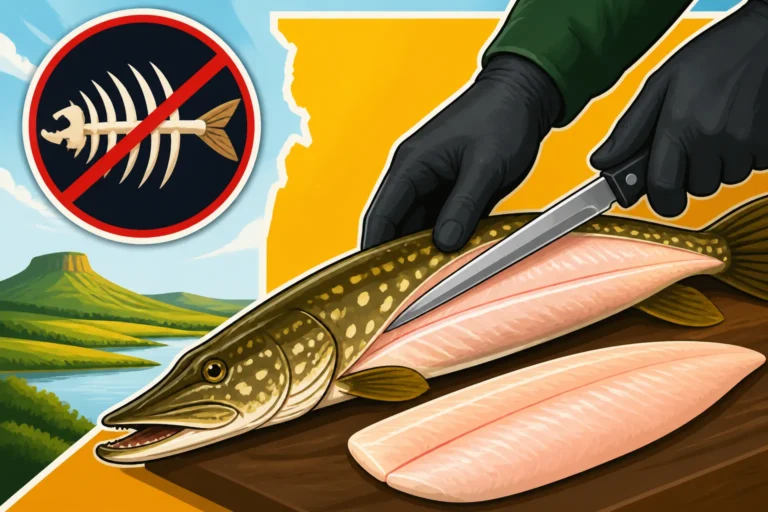
The most common method for cleaning channel catfish is skinning and filleting. Start by making an incision behind the pectoral fin, cutting down to the backbone. Then, cut along the top of the backbone from that incision back towards the tail, and along the belly towards the tail. After these cuts, you can use a pair of pliers or a dedicated skinning tool to peel the skin off the fish. This usually comes off in large strips, revealing the flesh underneath. Once skinned, you can then fillet the meat off the backbone and ribs, removing any red meat (often called the "mud line") along the lateral line, as this can have a stronger flavor. Many people also remove the "whisker" pads and the dark fat pockets.
Some anglers prefer to "steak" smaller catfish, cutting them into cross-sections with the bone in, particularly for frying. Whichever method you choose, make sure your knives are sharp and your cutting surface is clean. Rinse the fillets thoroughly in cold water, pat them dry, and they are ready for your favorite recipe. Whether you're frying them up with a crispy cornmeal crust or baking them with herbs, fresh North Dakota channel catfish is a true culinary treat.
Beyond the Catch: The North Dakota Catfishing Experience
Fishing, especially for channel catfish in North Dakota, is about so much more than just the fish you bring to the bank. It's an experience—a chance to connect with nature, challenge yourself, and create lasting memories.
Planning a Catfishing Trip: What to Consider
A successful and enjoyable catfishing trip starts long before you cast your first line. Thoughtful planning can make all the difference, especially when heading out to North Dakota's expansive waterways. First, consider the time of year and day. As we discussed, summer evenings and nights are prime for catfishing, but spring and fall can offer unique opportunities. Your chosen season will dictate not only fish activity but also weather conditions, so pack accordingly with layers, rain gear, and bug spray.
Next, decide on your location. Are you targeting the trophy cats of the Red River, the diverse waters of the Missouri, or a quieter local lake? Each location has its own access points, regulations, and specific challenges. Research public access points, boat ramps, and amenities if you're traveling. If you're considering a multiple-day trip, think about accommodation, whether that's camping at a state park with good fishing access, or staying in a nearby town. Check the North Dakota Ice Fishing Rules if you plan to extend your season into winter, though channel catfish are typically dormant then. Always let someone know your itinerary, especially if you're venturing to remote areas.
Finally, review your gear. Do you have enough bait? Are your hooks sharp? Is your rod and reel in good working order? Planning for the unexpected, like snags or changing weather, will ensure a smooth trip. Thinking through these details beforehand allows you to relax and fully immerse yourself in the fishing experience once you're on the water.
Sharing the Experience: Family and Friends
One of the greatest joys of fishing is sharing it with others. Channel catfishing, with its often exciting bites and accessible nature, is a fantastic activity for families and friends of all ages. Introducing children to fishing for the first time with channel cats can be incredibly rewarding because the action can be consistent enough to keep their attention, and the fight of a larger fish provides an unforgettable thrill.
Imagine teaching your child to bait a hook or helping them reel in their first strong-fighting catfish on the Red River. These are the moments that build lifelong passions and memories. Even for adults, a group catfishing trip can be a wonderful way to bond, share stories, and enjoy the peace of North Dakota's outdoors. Pack a picnic, bring some non-alcoholic beverages, and simply enjoy the company while waiting for that tell-tale tug. It's not always about the biggest fish, but the shared experience and the laughter that comes with it. The relative simplicity of the techniques means that even beginners can quickly get the hang of it, making it an inclusive activity for everyone.
The Joy of the Pursuit
Ultimately, the North Dakota channel catfishing experience boils down to the pure joy of the pursuit. It's the anticipation as you watch your rod tip, the sudden jolt of a powerful strike, and the thrilling battle that ensues. It's the satisfaction of figuring out the fish's patterns, the peace of being surrounded by nature, and the quiet camaraderie of fellow anglers.
Beyond the fight, it's about appreciating North Dakota's natural beauty – the wide-open skies, the rustling riverbanks, and the unique wildlife you might encounter. It's about disconnecting from the hustle and bustle of daily life and reconnecting with something more primal and fulfilling. Whether you keep a few for a delicious meal or release them all to fight another day, the memories created on a North Dakota catfishing trip are priceless. So grab your gear, pack your patience, and head out to discover the incredible world of channel catfish fishing that awaits you in the Peace Garden State.
Disclaimer
This article is for general informational purposes only and does not constitute professional advice. Laws, prices and regulations vary by location and change over time. Consult a qualified professional for guidance on your specific situation.