Bullhead Fishing in North Dakota
There's a common misconception out there that bullheads are just bottom-feeders, a nuisance fish, or not worth the effort. Many anglers overlook them entirely, focusing on more "glamorous" species. But let me tell you, if you've been dismissing bullhead, you're missing out on some genuinely fun fishing and a surprisingly tasty meal in North Dakota! This comprehensive guide is here to shed light on why bullhead fishing can be incredibly rewarding, covering everything from identification to the best gear, techniques, and even how to prepare them for the table.
Understanding the Bullhead in North Dakota Waters
Bullheads are often the unsung heroes of many North Dakota lakes and ponds. They might not jump like a trout or fight like a northern pike, but they offer consistent action, are incredibly hardy, and provide an accessible entry point into fishing for beginners and seasoned anglers alike.
Identifying North Dakota Bullheads
Before you start fishing, it's good to know exactly what you're looking for. North Dakota is primarily home to the black bullhead, though you might occasionally encounter brown bullheads in certain waters. Identifying them is usually pretty straightforward once you know the key features.
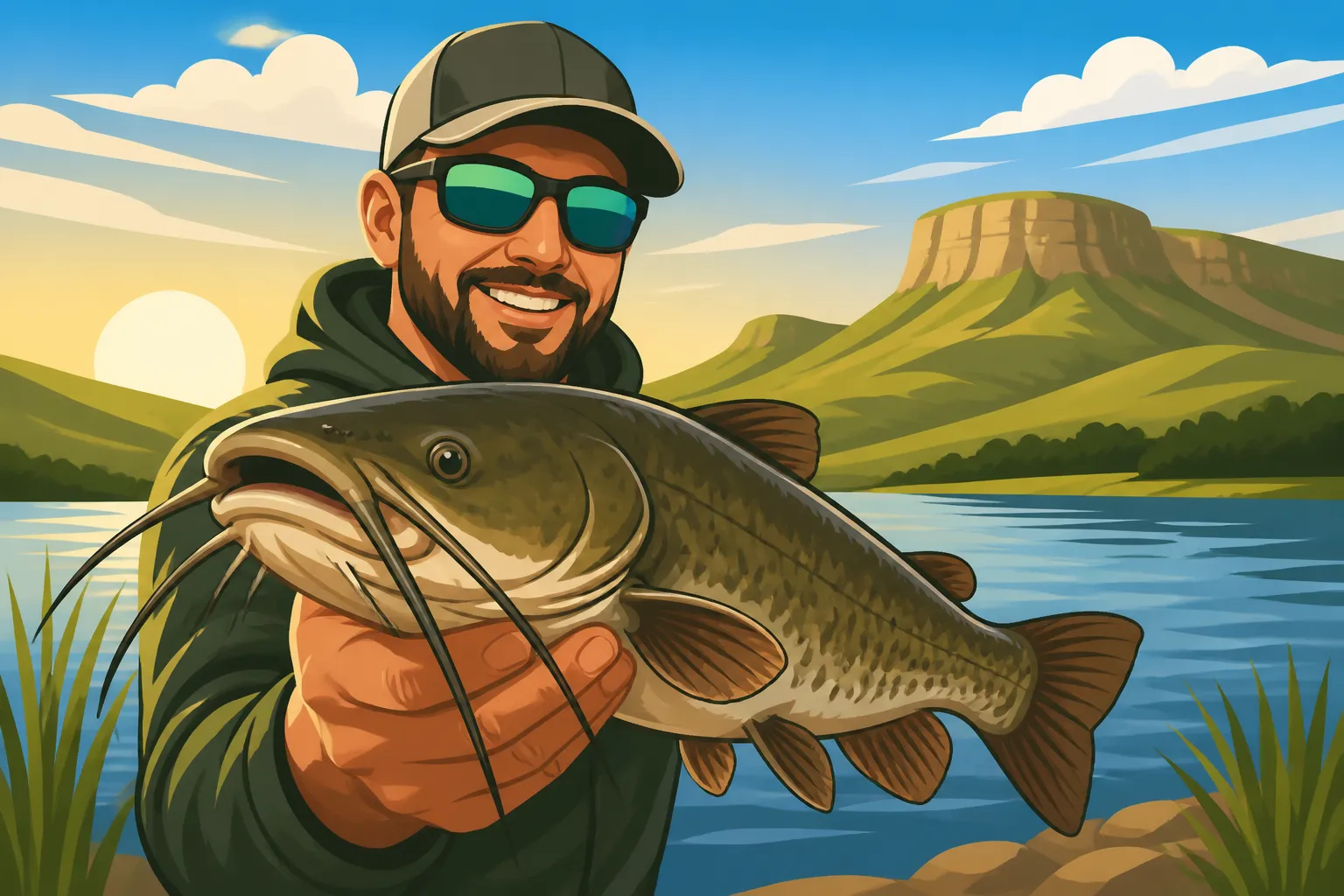
Black bullheads are typically dark brown to black on their backs, fading to a yellowish or white belly. They have no scales, smooth skin, and distinctive barbels (whiskers) around their mouths, which they use to taste and feel for food in murky water. Their tails are slightly notched, not deeply forked like a channel catfish, and their pectoral fins have sharp spines that can give a painful poke if you're not careful when handling them. They usually grow to a size of 8 to 14 inches, though bigger ones are certainly out there, especially in prime habitats. Learning to recognize these features quickly will help you differentiate them from other catfish species.
Brown bullheads, if you happen to encounter them, will generally be a lighter brown or mottled olive color, and their barbels are usually dark, blending in with their skin. While both species share similar habits and fishing appeal, the black bullhead is by far the most prevalent throughout North Dakota's diverse aquatic environments. Knowing the difference isn't critical for catching them, but it's always fun to know exactly what you've landed!
Where Bullheads Thrive in North Dakota
Bullheads are incredibly adaptable and can be found in a wide variety of North Dakota waters, from small prairie potholes to larger lakes and slow-moving rivers. They prefer murky, silty bottoms and areas with plenty of vegetation, as these environments offer both food and protection. You'll often find them in shallow bays, stagnant ponds, ditches, and the slow sections of rivers. They are exceptionally tolerant of low oxygen levels and warmer water temperatures, which is why they can thrive in places where other fish struggle.
Think about those little out-of-the-way ponds that might seem too "dirty" for other fish – those are often prime bullhead territory. They congregate in these areas because of the abundant insect larvae, small crustaceans, and detritus they feed on. Look for areas with soft, muddy bottoms and submerged plants, especially those near drop-offs or deeper holes that provide a bit of shelter. They're not picky about their living conditions, which is a big part of their widespread success. Many smaller lakes near towns like Bismarck and Fargo will hold healthy populations. If you're looking for Best Fishing Lakes Near Bismarck or Best Fishing Lakes Near Fargo, don't forget to ask about bullhead prospects!
The Underrated Appeal of Bullhead Fishing
So, why bother with bullheads when you could be chasing walleye or pike? For starters, bullheads offer incredible consistency. They're almost always willing to bite, making them a fantastic target for beginners, families with kids, or anyone just looking for steady action on the line. There's a certain satisfaction in having your bobber dip constantly, regardless of the weather or time of day.
Beyond the sheer numbers, bullheads put up a surprisingly strong fight for their size. They pull hard and consistently, making even smaller ones feel substantial on light tackle. Plus, they are incredibly resilient, making them great candidates for catch-and-release if you're not looking to keep them. And for those who enjoy a fresh fish dinner, bullheads are surprisingly delicious, with firm, white meat that holds up well to various cooking methods. Don't let their appearance fool you; a properly cleaned and cooked bullhead is a real treat.
They also offer a fantastic opportunity for anglers to hone their basic fishing skills without the pressure of chasing elusive game fish. Setting a hook, feeling a bite, and landing a fish all become second nature when you're targeting a species as abundant and aggressive as the bullhead.
Essential Gear for North Dakota Bullhead Anglers
One of the best things about bullhead fishing is that you don't need a boatload of expensive, specialized gear. Simplicity and reliability are key, and often, the most basic setups are the most effective. This makes it a very accessible and budget-friendly way to enjoy fishing in North Dakota.
Rods, Reels, and Line for Bullhead
When it comes to your rod and reel, think "light to medium" action. You don't need heavy-duty tackle; in fact, lighter gear makes the fight more enjoyable. A 6 to 7-foot spinning rod with a fast or moderate action is ideal. This length gives you good casting distance from shore and enough backbone to handle a decent-sized bullhead, while the lighter action allows you to feel those subtle bites.
Pair that rod with a small to medium-sized spinning reel (think 1000 to 2500 series). A smooth drag system is more important than raw cranking power, as bullheads will pull steadily rather than make long, screaming runs. A basic, reliable reel found on Amazon will serve you well. For line, 6 to 10-pound test monofilament or fluorocarbon is perfect. Mono is a great all-around choice due to its stretch (which helps absorb sudden jerks) and affordability. Fluorocarbon offers more sensitivity and less stretch, which can be an advantage in certain situations, but it's not strictly necessary for bullhead. Braided line isn't typically needed for bullhead but could be used if it's already spooled on your reel; just be aware it has no stretch. For beginners, a simple spinning combo works wonderfully, and there are many great options out there, including those mentioned in Best Rod and Reel Combo for Beginners in North Dakota.
Terminal Tackle: Hooks, Sinkers, and Bobbers
This is where things get really simple. Bullheads aren't known for being hook-shy.
For hooks, you'll want Aberdeen or Kahle hooks in sizes ranging from 6 to 1/0. Aberdeen hooks are thin-wired, which makes them less likely to get snagged in vegetation and easier to remove from a fish's mouth. Kahle hooks are also a good choice as they tend to hook fish in the corner of the mouth, making for easier release. Circle hooks can also be effective and minimize gut-hooking, which is great for catch-and-release. Again, bulk packs of these hooks can often be found on Amazon for a great value.
When it comes to sinkers, egg sinkers, split shots, or bell sinkers are all perfectly adequate. You'll generally want just enough weight to get your bait to the bottom and hold it there in any current. Start with a 1/8 to 1/2-ounce sinker and adjust as needed. For bobbers, a traditional red and white clip-on bobber is fine for shallower water, but if you're fishing deeper or want more sensitivity, a slip bobber rig can be incredibly effective. A slip bobber allows your bait to sink to a predetermined depth, letting you fish the bottom in deeper water while still keeping your line visible on the surface.
The Best Baits for Hungry Bullheads
Bullheads are famously unfussy eaters, which is another reason they're such a joy to target. They're opportunistic scavengers, and almost anything stinky or meaty will attract their attention. This isn't the kind of fishing where you need exotic, hard-to-find lures. Simplicity truly reigns supreme.
Hands down, the king of bullhead baits is the humble nightcrawler. Worms are natural, readily available, and bullheads absolutely love them. Thread a whole or a half nightcrawler onto your hook, making sure to leave some wiggling for extra appeal. Other natural baits like pieces of cut bait (small chunks of oily fish like shad or sucker), chicken liver, or even hot dogs cut into small pieces can be incredibly effective. The smellier, the better! Some anglers even use corn or small pieces of bread, especially in ponds where fish are accustomed to being fed. If you're exploring Best Bait for North Dakota Fishing, you'll find that for bullhead, it’s all about smell and accessibility.
You can also experiment with commercially prepared dough baits designed for catfish, which often have strong scents that bullheads find irresistible. The key is to present a bait that's easy for them to find by scent and then gulp down. Don't be afraid to try different options; sometimes, what works one day might not be as effective the next, but with bullheads, you're rarely going to get skunked when using a good, smelly natural bait.
| Bait Type | Pros | Cons | Ideal Conditions |
|---|---|---|---|
| Nightcrawlers | Readily available, very effective | Can be picked off by smaller fish | All conditions, especially murky water |
| Cut Bait | Strong scent trail, durable | Can be messy to handle | Murky water, slower currents |
| Chicken Liver | Extremely strong scent, very appealing | Very soft, falls off hook easily | Still water, quick bites |
| Hot Dogs (cut up) | Easy to find, clean to use | Less natural scent than other options | Casual fishing, kids' trips |
| Dough Baits | Potent scents, easy to mold | Can be expensive, less natural | Still water, target specific species |
Top Techniques for Catching Bullhead in North Dakota
Once you have your gear and bait ready, it's time to put some techniques into action. The beauty of bullhead fishing is that the methods are generally straightforward and require minimal fuss, making them perfect for a relaxing day on the water.
Simple Bottom Fishing Strategies
The most common and effective way to catch bullheads is by simply presenting your bait on the bottom. Bullheads are scavengers by nature, constantly rooting around in the muck for food, so putting your bait where they naturally forage just makes sense.
A classic setup involves a simple Carolina rig or a three-way swivel rig. For a Carolina rig, slide an egg sinker onto your main line, then tie on a swivel. Below the swivel, attach a leader (about 12-18 inches long) with your hook. This setup allows the fish to pick up the bait without feeling the weight of the sinker immediately, which can result in more solid hooksets. Alternatively, a simpler approach is to use a bell sinker tied to the very end of your line, and then tie a dropper line with your hook a foot or so above the sinker. Cast your bait out, let it sink to the bottom, and then either let it sit or retrieve it slowly with occasional pauses. You'll often feel a series of gentle tugs as the bullhead mouths the bait before committing. Keep an eye on your rod tip, or use a rod holder with a sensitive tip that shows even the slightest twitch. This technique is incredibly forgiving and productive, whether you're fishing from a boat or practicing Shore Fishing Techniques for Beginners.
Bank Fishing for Bullhead Success
Bank fishing is arguably the most popular way to target bullheads, given their preference for shallow, vegetated areas often accessible from shore. You don't need fancy electronics or a boat; just a good spot and some patience.
Look for areas with easy access, especially those with some submerged structure like old logs, weeds, or even subtle drop-offs just off the bank. These spots provide cover and food sources for bullheads. Cast your bottom rig out, or if the water is shallow enough, a simple bobber rig with the bait suspended just off the bottom can also be highly effective. The key is to fan-cast, covering different spots along the bank until you find where the bullheads are concentrated. Sometimes they'll be in inches of water, other times in a few feet. It pays to try various depths. Bring a comfortable chair, some snacks, and enjoy the steady action. Remember that North Dakota Fishing Regulations Explained will clarify how many lines you can use, so you can set up multiple rods if allowed and really maximize your chances.
Ice Fishing for Winter Bullheads
When the lakes freeze over, many anglers pack away their gear, but not the dedicated bullhead enthusiast! Bullheads remain active under the ice, providing a fantastic opportunity for winter fishing fun, especially on milder days.
Ice fishing for bullheads is often about finding those same shallow, muddy, weedy bays they inhabit during open water. Use an auger to drill a series of holes, starting shallow and moving slightly deeper, until you locate a productive area. A simple jigging setup with a small spoon or jig tipped with a piece of a nightcrawler or a wax worm is all you need. Drop your bait to the bottom, give it a few jigs, and then let it rest, often lifting it just an inch or two off the bottom. Bullheads will often pick up the bait with a very subtle bite, sometimes just a slight "heaviness" on the line, so pay close attention. Small, sensitive ice fishing rods are perfect for this. Be sure to dress warmly and follow all North Dakota Ice Fishing Rules, especially regarding ice thickness and shelter regulations. Ice fishing for bullhead can be a great way to introduce new anglers to the sport during the winter months, offering consistent bites when other species might be less cooperative.
Cleaning, Cooking, and Enjoying Your Bullhead Catch
For many, the thought of eating a bullhead might seem strange, but don't knock it until you've tried it! The firm, white meat of a bullhead is surprisingly delicious and holds up well to various cooking methods. The trick, as with any fish, is proper handling and cleaning.
Safely Handling and Cleaning Bullheads
Handling bullheads requires a little care due to those sharp pectoral and dorsal spines. The best way to safely hold a bullhead is to grip it firmly from the top, just behind the head, with your thumb and forefinger pressing down on the top and bottom of the fish, thus pinning the spines down. You can also use a fish gripper or a glove.
Cleaning a bullhead is a bit different from cleaning a scaled fish. Because they have no scales, you won't be scaling them. Many anglers prefer to skin bullheads, and it’s a fairly straightforward process.
Here’s a common method:
- Cut around the head: With the fish firmly held, make a cut around the back of the head, just behind the pectoral fins, but don't cut all the way through the backbone.
- Use pliers to skin: Using a pair of sturdy pliers (many anglers keep a dedicated pair for this task, perhaps even one found on Amazon), grip the skin near the cut at the head. Peel the skin back towards the tail, pulling firmly. The skin should come off in one piece, much like peeling a banana.
- Remove head and guts: Once skinned, you can either twist the head off (if you cut through enough of the meat but not the backbone earlier) or cut it off completely. Then, make a cut along the belly to remove the guts.
- Rinse: Thoroughly rinse the fillets or whole fish in cold water to remove any blood or remaining debris.
While skinning is popular, some people simply fillet them, removing the meat from the backbone directly. Whichever method you choose, taking the time to clean them properly will ensure a delicious meal.
Delicious Ways to Cook North Dakota Bullhead
Once cleaned, bullheads can be prepared in a multitude of ways. Their firm, mild-flavored meat makes them versatile for many recipes. One of the most classic and beloved ways to cook bullhead is pan-fried.
Pan-Fried Bullhead:
- Ingredients: Cleaned bullhead fillets or whole skinned fish, all-purpose flour or cornmeal, your favorite fish seasoning (salt, pepper, garlic powder, paprika), egg wash (optional), cooking oil (vegetable, canola, or peanut oil work great).
- Instructions: Pat the fish dry. If using an egg wash, dip the fish first, then dredge in a mixture of flour/cornmeal and seasoning. Heat about 1/2 inch of oil in a heavy skillet over medium-high heat until shimmering. Carefully place the fish in the hot oil, ensuring not to overcrowd the pan. Cook for 3-5 minutes per side, depending on thickness, until golden brown and flaky. Serve immediately with lemon wedges, tartar sauce, or a side of coleslaw. This method creates a crispy exterior and a moist, tender interior, showcasing why it's considered one of the Best Eating Fish in North Dakota.
Other popular methods include deep-frying, grilling (especially if you have larger fillets), or even baking. The key is to not overcook them, as with any fish, to maintain that tender texture.
Why Bullhead Deserve a Spot on Your Dinner Plate
Despite their humble reputation, bullheads truly offer a delightful culinary experience. The meat is clean, flaky, and doesn't have a "fishy" taste, especially if cleaned quickly after catching. They are also a sustainable and readily available food source, making them a great option for fresh, locally caught protein.
The next time you're out fishing in North Dakota, and you find yourself catching a stringer of bullheads, don't just toss them back out of habit. Consider bringing a few home, cleaning them up, and trying a simple pan-fry. You might just discover a new favorite fish for the dinner table. It’s a testament to the bounty of North Dakota waters that even an often-overlooked species can provide such a rewarding experience, from the tug on the line to the last delicious bite.
North Dakota Bullhead Regulations and Conservation
Even though bullheads are abundant and often considered a "rough fish," it's still crucial to be aware of and abide by North Dakota's fishing regulations. Responsible angling practices ensure healthy fish populations for everyone to enjoy for years to come.
General Fishing Regulations for Bullhead
The good news for bullhead enthusiasts is that North Dakota often has very liberal regulations regarding bullheads, reflecting their prolific nature. There are generally no daily catch limits or size restrictions on bullheads, which is a stark contrast to more strictly managed game fish like walleye or northern pike. This means you can keep as many as you'd like, provided you have a valid North Dakota fishing license. If you're unsure about the latest rules, always consult the current North Dakota Fishing Regulations Explained booklet or the North Dakota Game and Fish Department website.
While the specific rules for bullheads are lenient, remember that all other general fishing regulations apply. This includes possessing a valid fishing license, adhering to regulations on How Many Lines Can You Fish With in North Dakota?, and being aware of any specific rules for the body of water you're fishing. For instance, certain lakes might have specific rules about bait use or access that apply to all species. It's always best to be informed before you head out.
Practicing Responsible Catch and Release
Even with generous limits, practicing responsible angling is vital. If you're not planning on eating all the bullheads you catch, consider releasing them carefully. Bullheads are tough fish and generally survive well when released, especially if handled gently and returned to the water quickly.
Here are a few tips for responsible catch and release:
- Minimize handling: Try to handle the fish as little as possible.
- Wet hands: If you must handle the fish, wet your hands first to protect their protective slime coat.
- Remove hooks quickly: Use pliers or a hook remover to extract the hook quickly and gently. If the fish is deeply hooked, it might be better to cut the line rather than trying to tear out the hook.
- Support the fish: Hold the fish horizontally and support its weight, especially if it’s a larger one.
- Revive if necessary: If the fish seems sluggish, hold it gently in the water, facing into any current, until it regains its strength and swims away on its own.
By following these simple practices, you contribute to the overall health of North Dakota's aquatic ecosystems, ensuring that the bullhead populations remain robust for future generations of anglers. It's about respecting the resource, even the most abundant ones.
Disclaimer
This article is for general informational purposes only and does not constitute professional advice. Laws, prices and regulations vary by location and change over time. Consult a qualified professional for guidance on your specific situation.