Do Chinook Salmon Reproduce Naturally in Lake Sakakawea?
It's a fantastic question that many anglers ponder when they're out on the vast waters of Lake Sakakawea, dreaming of landing a monster Chinook salmon: do these powerful fish actually reproduce naturally in the lake? While the idea of a self-sustaining population is alluring, the reality of the Chinook salmon fishery in North Dakota's largest reservoir is a little more complex, and perhaps, even more interesting. This guide dives deep into why, for the most part, the incredible Chinook salmon fishing you experience on Lake Sakakawea is a testament to dedicated conservation efforts rather than natural cycles.
The Stocking Story: How Chinook Salmon Came to Lake Sakakawea
Imagine a vast inland sea, deep and cold, with an abundance of forage fish but lacking a true apex predator capable of leveraging that food source. That's essentially what Lake Sakakawea presented decades ago. The Chinook salmon fishery wasn't born out of natural migration or a native population; it was a deliberate, visionary effort to create something truly special for anglers in North Dakota.
A Non-Native Dream Realized
Chinook salmon, also known as King salmon, are iconic anadromous fish, meaning they typically live in saltwater and migrate to freshwater rivers to spawn. North Dakota, being a landlocked state, isn't exactly prime natural Chinook territory. However, the unique characteristics of Lake Sakakawea—its immense size, depth, and cold, nutrient-rich waters—made it an intriguing candidate for introducing a non-native, cold-water sportfish. The vision was to establish a trophy fishery, utilizing the plentiful populations of smelt, which are a primary food source for salmon, to grow massive, hard-fighting Chinook. The success of this introduction has been nothing short of remarkable, turning Lake Sakakawea into one of the premier inland salmon fisheries in the country. It's a testament to careful planning and management that a species so accustomed to coastal rivers now thrives in the heart of the prairie.
The Annual Lifeline: Sustaining the Population
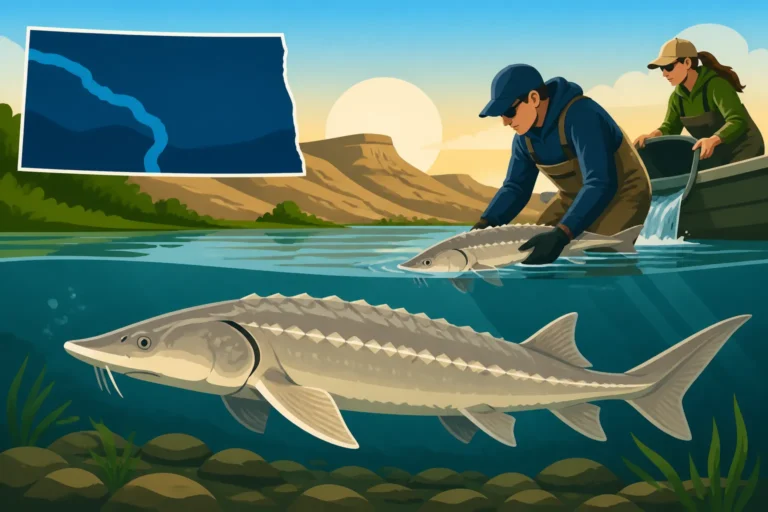
Given that Chinook salmon are not indigenous to North Dakota, and as we'll explore further, don't find the ideal natural spawning conditions here, their presence in Lake Sakakawea relies almost entirely on human intervention. The North Dakota Game and Fish Department undertakes an extensive annual stocking program to maintain this vibrant fishery. Each year, millions of Chinook salmon fingerlings are released into the lake, giving anglers consistent opportunities to pursue these magnificent fish. These fingerlings are typically sourced from eggs taken from adult salmon in other established fisheries or hatcheries, brought to North Dakota hatcheries, raised to a suitable size, and then introduced into Sakakawea. This consistent, intentional effort is the backbone of the entire salmon population in the lake, making the "natural reproduction" aspect a minor, if almost non-existent, factor. To truly grasp the scale of this effort, it's worth diving into Chinook Salmon Stocking Numbers in North Dakota and seeing the dedication involved year after year.
Why Natural Spawning is a Rarity, Not a Rule, in Lake Sakakawea
While the dream of salmon migrating upstream to spawn might conjure picturesque images, the reality for Chinook in Lake Sakakawea is quite different. The environmental conditions required for successful natural reproduction are highly specific, and unfortunately, most of those critical elements are simply not consistently present in the reservoir or its tributaries.
The Goldilocks Zone for Spawning: What Chinook Really Need
For Chinook salmon to successfully reproduce in the wild, they need a very particular "Goldilocks Zone" – everything has to be just right. This means finding cold, clear, flowing freshwater streams with stable gravel beds. The female salmon, after migrating upstream, will use her tail to dig a "redd" (a spawning nest) in the gravel, where she deposits her eggs. The male then fertilizes them. These eggs need consistent flow to provide oxygen, stable temperatures, and protection from silt. Once hatched, the fry need cool, oxygenated water to develop and sufficient cover to hide from predators. Any significant fluctuation in water levels, sudden changes in temperature, or heavy siltation can quickly devastate an entire spawn. This intricate process requires a delicate balance of specific hydrological and environmental conditions that are typical of their native river systems, not necessarily large, man-made reservoirs.
Lake Sakakawea's Unique Challenges
Lake Sakakawea, for all its glory as a fishing destination, presents a challenging environment for natural Chinook salmon reproduction. First and foremost, the tributaries feeding into Sakakawea, such as the Little Missouri River, are often characterized by fluctuating water levels, high turbidity (muddy water), and soft, silty bottoms rather than the clean, stable gravel beds Chinook require. During dry periods, these streams might not even flow sufficiently, and during heavy rains, they can become raging torrents filled with sediment, which suffocates salmon eggs.
Furthermore, while the deep parts of Lake Sakakawea remain cold throughout the year, the tributary streams can experience significant temperature swings, often becoming too warm in the summer or freezing solid in the winter, which is detrimental to developing eggs and fry. The massive scale of the reservoir itself means that any limited natural spawning that might occur in a rare, ideal tributary would likely be a drop in the bucket compared to the sheer volume of water and the large, robust population sustained by stocking. Even if a few eggs were to hatch, the survival rate of the resulting fry in such an environment would be incredibly low due to predation and lack of suitable nursery habitat. This is why understanding the Chinook Salmon Life Cycle in Lake Sakakawea largely revolves around the hatchery and stocking process rather than wild reproduction.
Here’s a quick look at the contrast:
| Feature | Ideal Chinook Spawning Stream | Typical Lake Sakakawea Tributary/Environment |
|---|---|---|
| Water Temperature | Consistently cold (40-55°F/4-13°C) | Fluctuates significantly, often too warm in summer, can freeze in winter. |
| Water Flow | Steady, well-oxygenated current | Highly variable; low flow in dry periods, high/turbid flow during runoff. |
| Substrate | Clean, stable gravel beds | Predominantly silt, sand, or clay; unstable gravel rare or quickly covered. |
| Water Clarity | Clear | Often turbid, especially after rain or snowmelt. |
| Predation (Fry) | Cover available, but still a factor | High predation pressure from various fish species and birds in open water. |
| Water Level Stability | Relatively stable during incubation periods | Can fluctuate dramatically due to reservoir management, floods, or droughts. |
The Angler's Experience: How Stocking Shapes the Chinook Fishery
For you, the angler, the fact that Lake Sakakawea's Chinook salmon population is almost entirely sustained by stocking has profound implications. It means a consistent, managed fishery designed for your success, but also one where understanding the stocking cycle can give you an edge.
A World-Class Fishery Built on Intent
The commitment to stocking Chinook salmon has transformed Lake Sakakawea into a fishing destination that draws anglers from far and wide. Without these continuous efforts, there would simply be no Chinook salmon to catch in North Dakota. This means that every thrilling run, every acrobatic leap, and every powerful fight with a King salmon on your line is a direct result of careful planning and execution by the North Dakota Game and Fish Department. It's truly a man-made marvel in the angling world, offering a unique opportunity for North Dakota Chinook Salmon Fishing Guide enthusiasts to target a species usually associated with coastal regions. The beauty of this managed fishery is its relative predictability; you can count on there being salmon to pursue year after year, offering fantastic sportfishing opportunities.
Understanding the Fishery's Dynamics
Because the fishery relies on stocking, its dynamics are intrinsically linked to the success of those stocking efforts. Factors like the number of fingerlings stocked in a given year, their survival rates, and the availability of forage fish like smelt all influence the overall health and productivity of the salmon population. Anglers who stay informed about these trends often have a better sense of what to expect. For instance, strong stocking years combined with abundant forage can lead to incredible growth rates, as How Fast Do Chinook Salmon Grow in Lake Sakakawea? highlights, producing larger fish in subsequent seasons.
This also means that the best times and places to fish for Chinook can sometimes correlate with where and when stockings occurred, and how the fish have dispersed and grown. Staying up-to-date on North Dakota Chinook Salmon Regulations is also crucial, as these rules are designed to protect the stocked population and ensure a sustainable fishery for everyone. Having the right gear, too, is essential for these powerful fish. Many seasoned anglers will meticulously research and buy specialized trolling rods, downriggers, and heavy-duty reels, often comparing options they find on platforms like Amazon, to handle the unique challenges of Lake Sakakawea and its hard-fighting salmon.
Looking Ahead: Maintaining a Vibrant Chinook Future
The ongoing success of Lake Sakakawea's Chinook salmon fishery isn't just about putting fish in the water; it's about a holistic approach to management that ensures this beloved species continues to thrive and provide exceptional angling experiences for years to come.
Science-Driven Management and Research
The North Dakota Game and Fish Department doesn't simply stock fish and hope for the best. A significant amount of scientific research and monitoring goes into understanding the Chinook population. Biologists regularly assess fish health, growth rates, and survival, often conducting creel surveys to gather data on angler harvest. They study the availability of smelt and other forage species, as a healthy food base is paramount to growing those trophy-sized salmon everyone dreams of. This data-driven approach allows the department to fine-tune stocking numbers and strategies, ensuring that resources are used effectively to maintain a robust and sustainable fishery. This commitment to scientific management is what secures the future of salmon fishing in North Dakota.
Your Role as a Responsible Angler
As anglers, we play a vital role in ensuring the long-term health of the Chinook salmon fishery. This means more than just buying your North Dakota Fishing License Guide! It involves adhering strictly to all North Dakota Fishing Regulations Explained, including daily limits and size restrictions, which are in place for a reason – to protect the stocked population. Practicing responsible catch-and-release, especially for smaller or less healthy fish, helps maximize the survival of future spawners (if any natural reproduction were to occur) and simply allows more fish to grow to trophy size. Education is key, too. Learning about Best Spots to Catch Chinook Salmon on Lake Sakakawea or When Do Chinook Salmon Run on Lake Sakakawea? helps you become a more effective angler. Investing in good quality gear, like a reliable fish finder or a sturdy cooler you might find on Amazon, can enhance your experience while also helping you locate and safely handle your catch, ensuring it stays fresh. By being informed, responsible, and engaged, you contribute directly to the ongoing success of this incredible fishery.
Disclaimer
This article is for general informational purposes only and does not constitute professional advice. Laws, prices and regulations vary by location and change over time. Consult a qualified professional for guidance on your specific situation.