Where Is Paddlefish Snagging Legal in North Dakota?
Paddlefish snagging in North Dakota is one of those unique experiences that anglers either absolutely love or find incredibly baffling. If you've ever heard tales of these ancient giants of the river and wondered where on earth you could possibly go to try your hand at catching one, you're not alone. It's not like typical rod-and-reel fishing, and the regulations can feel like a maze. This guide is here to untangle that confusion, clearly outlining exactly where paddlefish snagging is legally permitted in North Dakota.
Understanding North Dakota's Unique Paddlefish Fishery
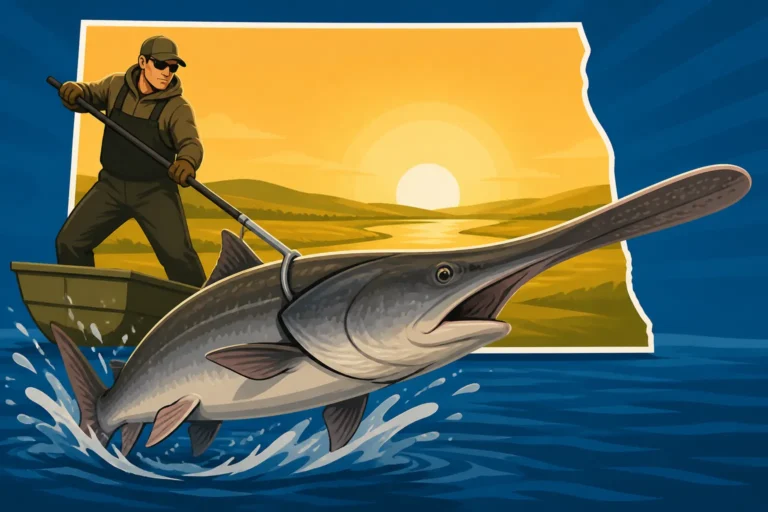
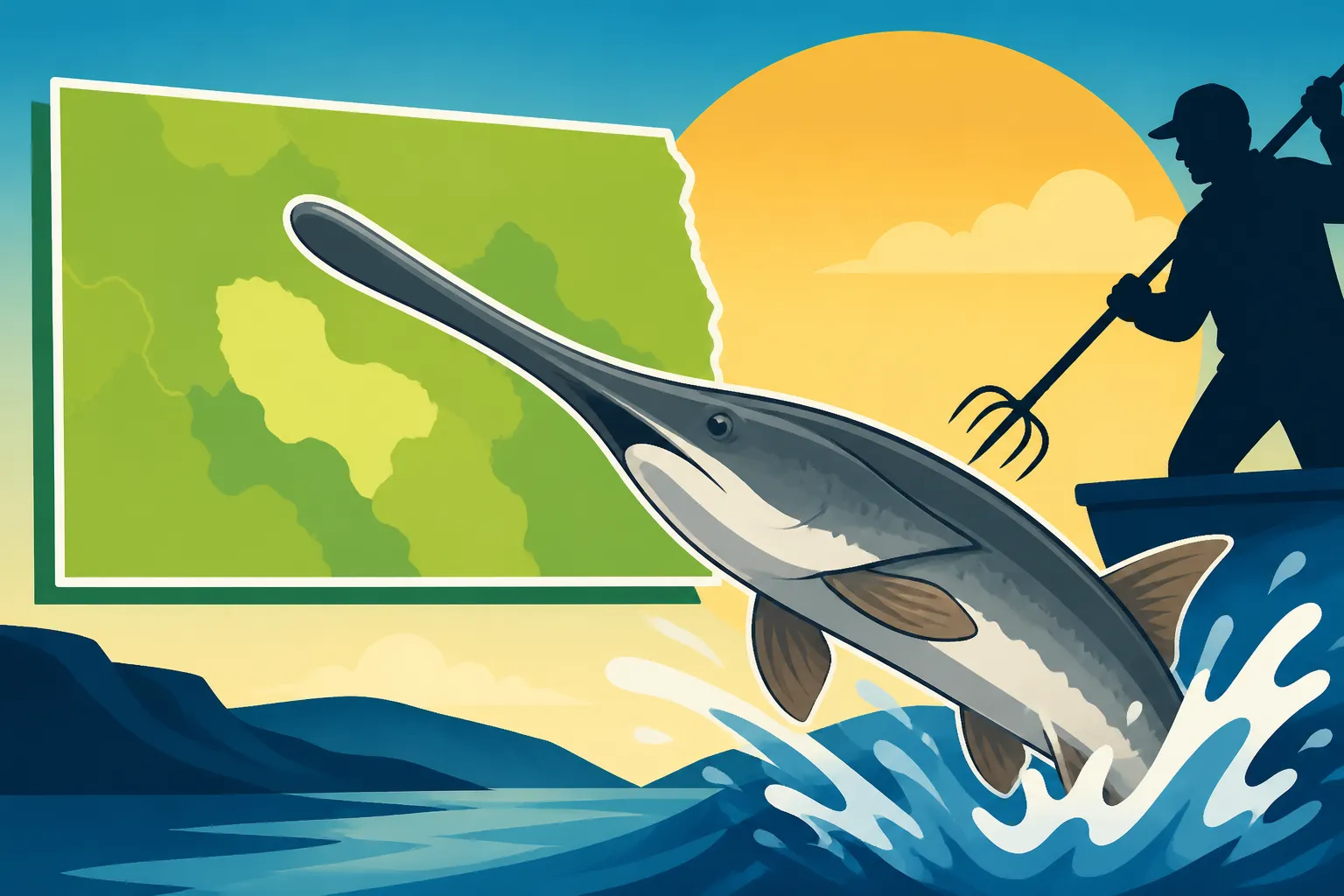
Before we dive into the "where," let's talk a bit about why paddlefish snagging is such a distinct pursuit in North Dakota. These incredible fish, often called "living fossils," are a marvel. They can grow to immense sizes, often exceeding 100 pounds, and are characterized by their long, paddle-like snout. Unlike most fish we pursue, paddlefish are filter feeders, meaning they swim with their mouths open, sifting plankton from the water. This unique feeding habit makes them nearly impossible to catch with traditional bait or lures. That's why snagging, a method where you essentially "hook" the fish as it swims by, is the authorized and often only effective way to harvest them.
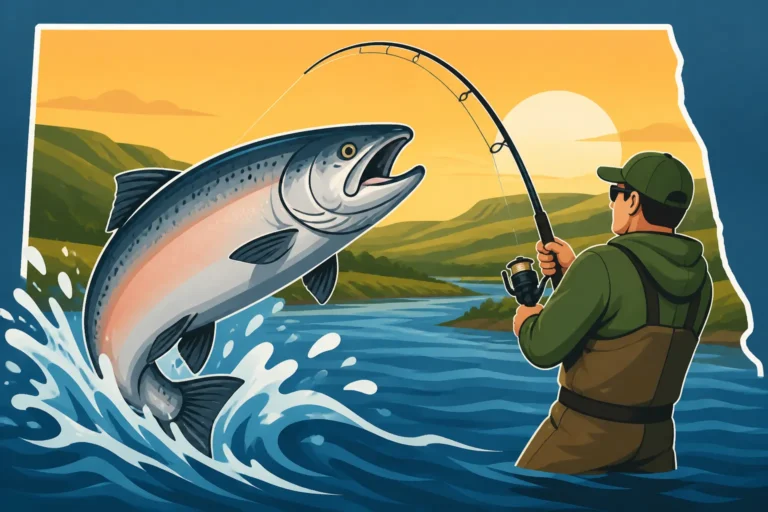
The annual paddlefish snagging season isn't just a fishing event; it's a bit of a cultural phenomenon in North Dakota. Anglers from all walks of life, and often entire families, descend upon specific stretches of the river, armed with heavy-duty gear and a shared sense of anticipation. There's a palpable excitement in the air, a camaraderie born from the shared challenge and the hope of landing a truly magnificent fish. It's a testament to the enduring allure of these prehistoric creatures and the thrill of participating in such a specialized fishery. The sheer power of a large paddlefish on the end of your line is an unforgettable experience, demanding heavy tackle and often a team effort to bring to shore.
The Primary Legal Zone: Missouri River System Below Garrison Dam
When it comes to legal paddlefish snagging, North Dakota is quite specific, and for good reason—conservation. The primary, and really the only, place where snagging for paddlefish is legally allowed is within the Missouri River System, specifically in the stretches below the Garrison Dam. This area is critical habitat for paddlefish, and the fishery is carefully managed to ensure its sustainability.
The main hot spot and legally designated area for snagging begins at the confluence of the Yellowstone River and the Missouri River, extending downstream. However, the most active and recognized public snagging area is typically found at the Intake Diversion Dam area on the Yellowstone River, near the North Dakota-Montana border. This particular stretch is renowned for its paddlefish concentrations during the season. Anglers often congregate here, lining the banks, all hoping to intercept the paddlefish as they move through the system. It's important to remember that while the general area is the Missouri River system, there are sometimes very precise boundaries that can shift slightly year to year based on river conditions and management needs, so always check the most current regulations.
It's absolutely vital to pay close attention to the geographic boundaries outlined in the official fishing proclamation. Fishing even a few yards outside the designated snagging zone, or attempting to snag paddlefish in areas like Lake Sakakawea or other North Dakota rivers, is strictly prohibited and can lead to significant penalties. These rules aren't there to frustrate you; they're in place to protect these magnificent fish and maintain a healthy population for future generations. The Missouri River, with its complex flows and varying depths, provides the ideal environment for these filter feeders, making it the natural and legal home for this unique fishery. Make sure your navigation tools, if you're using them, clearly show you are within the legal boundaries.
Special Regulations and Permitting for Paddlefish Snagging
Just knowing where you can snag paddlefish isn't enough; there's a whole host of special regulations that come into play, reflecting the unique nature and conservation needs of this species. One of the most critical requirements is the Paddlefish Tag. You cannot simply go out with a general fishing license and expect to participate in the snagging season. A specific paddlefish tag, often issued with a limited number of permits, is mandatory for anyone intending to harvest a paddlefish. This tag acts as a control mechanism, allowing the state to monitor harvest rates and manage the population effectively. Make sure to acquire your tag well in advance of the season, as they can sometimes sell out or have specific application periods. For more details on this, you'll want to read up on Do You Need a Paddlefish Tag in North Dakota?.
Beyond the tag, understanding the specific season dates and daily/season limits is paramount. Unlike other species that might have year-round open seasons in certain areas, paddlefish snagging is highly restricted to a very short, often just a few weeks long, season. These dates are determined annually based on biological data, river conditions, and management goals to ensure the fish can spawn successfully before being subjected to harvest pressure. The limits are also strict: typically one paddlefish per person per season, though this can vary. Once you harvest a fish, your season is usually over, and your tag must be immediately affixed to the fish. You can find comprehensive details in the North Dakota Fishing Season Dates and Limits guide.
A lesser-known but equally important regulation is the mandatory harvest reporting. This isn't just a suggestion; it's a legal obligation. After you successfully harvest a paddlefish, you are typically required to take it to a designated paddlefish cleaning and tagging station. Here, your fish will be inspected, measured, and biological samples might be taken. This data is invaluable for biologists to assess the health and demographics of the paddlefish population. It's a crucial step that every responsible angler participates in, directly contributing to the conservation efforts that make this unique fishery possible. Ignoring these rules can lead to significant consequences, as detailed in Penalties for Fishing Without a License in North Dakota, which often apply to tag violations as well.
Important Considerations Beyond the "Where"
Snagging for paddlefish isn't just about showing up in the right spot with the right tag. There are a lot of other factors that contribute to a successful, safe, and legal experience. One of the most important aspects is understanding the mandatory inspection stations. As mentioned, after you snag a paddlefish, you're required to take it to one of these stations. These aren't just for data collection; they're often the final point of confirmation that you've followed all regulations and ensure proper handling of the fish. These stations are usually located conveniently near the primary snagging areas, like those along the Missouri River Fishing Below Garrison Dam in North Dakota section.
Your gear requirements are also quite specific. Forget your ultralight spinning rod; snagging paddlefish demands heavy-duty equipment. You'll need a stout rod (often 8-10 feet or longer), a large capacity baitcasting or spinning reel spooled with strong line (think 80-100 lb test braided line), and specialized large, weighted treble hooks designed for snagging. Many anglers also use heavy sinkers to get their hooks down to where the paddlefish are. While I can't recommend specific products or prices, if you're looking for robust tackle, you'll find a wide array of options on platforms like Amazon that specialize in heavy saltwater or catfish gear, which often crosses over well for paddlefish snagging. A strong net or gaff is also essential for landing these massive fish safely once they're near shore. For a more general understanding of necessary equipment, check out the Essential Gear Checklist for North Dakota Fishing.
Finally, safety on the river and environmental responsibility are paramount. The Missouri River is a powerful waterway, and the popular snagging areas can become quite crowded during the season. Be aware of strong currents, especially when wading or attempting to land a fish. Always inform someone of your plans, and consider wearing a life jacket, especially if you're not a strong swimmer. Respect for other anglers is key; there's usually an unspoken etiquette regarding spacing and casting. Beyond that, leaving no trace, proper disposal of fishing line, and adhering to all North Dakota Fishing Regulations Explained and North Dakota Snagging Regulations for Paddlefish ensures this incredible fishery remains vibrant for years to come. Remember, the privilege of pursuing such a unique species comes with the responsibility of protecting its habitat and respecting its future.
Here's a quick overview of key paddlefish snagging zones and requirements:
| Aspect | Details | Important Considerations |
|---|---|---|
| Legal Snagging Zone | Primarily the Missouri River System below Garrison Dam, especially the Yellowstone River at Intake Diversion Dam. | Strictly adhere to published geographic boundaries to avoid penalties. |
| Required License | Standard North Dakota Fishing License + a specific Paddlefish Tag (limited quantity, usually). | Purchase tag in advance; immediate attachment to harvested fish required. |
| Season Dates | Highly restricted, short annual season (check current proclamation). | Dates vary yearly; crucial to confirm before planning your trip. |
| Daily/Season Limit | Typically one paddlefish per angler per season. | Once a fish is harvested and tagged, your paddlefish season is generally over. |
| Harvest Reporting | Mandatory reporting at designated inspection stations after harvest. | Crucial for conservation data; expect biological sampling. |
| Gear | Heavy-duty rods (8-10 ft+), large reels (baitcasting/spinning), strong braided line (80-100 lb+), large treble hooks, heavy sinkers. | Ensure your gear can handle powerful fish and river currents. Check specific hook regulations. |
Disclaimer
This article is for general informational purposes only and does not constitute professional advice. Laws, prices and regulations vary by location and change over time. Consult a qualified professional for guidance on your specific situation.