Where to Catch White Bass in North Dakota
It can be incredibly frustrating to hear whispers of phenomenal white bass action, only to spend your precious fishing time wondering where these schools of hard-fighting fish actually are. Many anglers overlook white bass, but once you experience their aggressive strikes and spirited fights, you'll be hooked! This guide will cut through the guesswork and pinpoint the prime locations across North Dakota where you can reliably find and catch white bass.
Understanding the Allure of White Bass in North Dakota
White bass, often overshadowed by their walleye and northern pike cousins, are a truly exciting species to target in North Dakota. They're not just fun; they're abundant in many of our waters and offer fantastic table fare. Understanding what makes them tick and where they prefer to hang out is the first step to a successful outing.
White Bass: A Feisty Fighter for Every Angler
When a school of white bass is feeding, it's pure pandemonium on the water. These fish are aggressive, readily striking a variety of lures, and pull surprisingly hard for their size. It’s not uncommon to catch them one after another, creating an unforgettable experience, especially for new anglers or kids. The thrill of a double hook-up is a real possibility when you hit a hot school! They typically range from 10 to 15 inches, but bigger ones are definitely out there, especially in our larger reservoirs. They are also known for their schooling behavior, which means if you find one, you're likely to find many more. This makes them a prime target for high-action fishing days.
Beyond the fight, white bass are delicious, with firm, flaky white meat. Many anglers even prefer them over other popular species for their mild flavor. This combination of exhilarating sport and excellent eating quality makes them a true gem in North Dakota's diverse fisheries, yet many anglers still aren't sure where to focus their efforts for them. It's a shame, because a good white bass bite can turn an otherwise slow day into an epic one.
Preferred Habitats: What White Bass Look For
White bass are essentially open-water predators, often chasing schools of baitfish in large, expansive water bodies. They thrive in environments with good forage, plenty of room to roam, and generally clear to moderately stained water. In North Dakota, this translates to large reservoirs and wide river sections. They aren't typically found in small, stagnant ponds or heavily vegetated sloughs.
Their ideal habitat includes main lake basins, points, humps, and submerged islands, especially those with access to deeper water where baitfish can escape. During certain times of the year, particularly spring, they will move into shallower, tributary streams or river sections to spawn. But for most of the open water season, think "big water, open spaces." Understanding this broad preference is crucial because it immediately narrows down your search to North Dakota's more expansive and dynamic water systems.
Premier White Bass Hotspots Across the State
North Dakota offers some incredible opportunities for white bass fishing, primarily concentrated in its larger river systems and reservoirs. Knowing these specific locales can make all the difference between a frustrating search and a day of non-stop action.
The Mighty Missouri River System
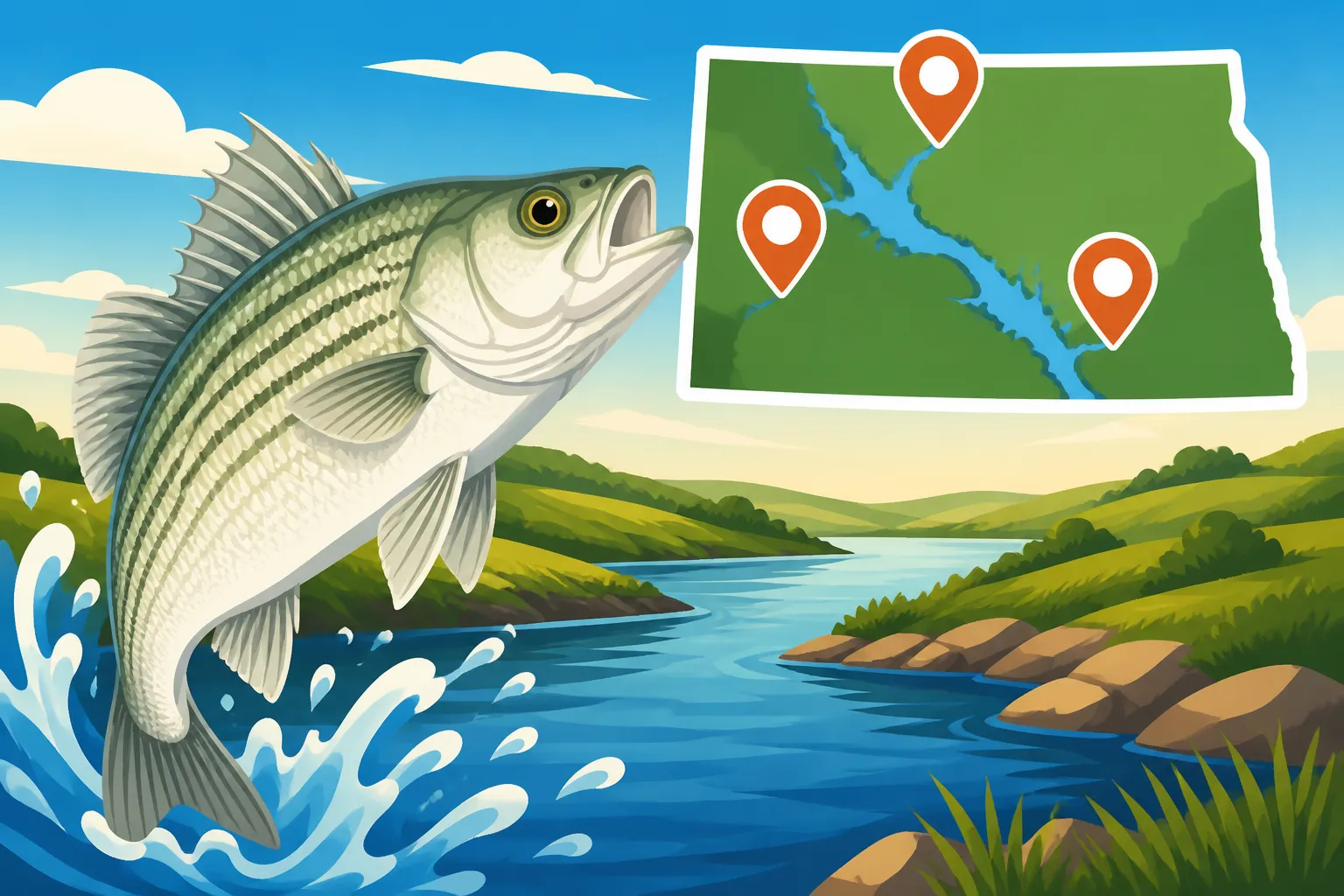
The Missouri River System, including Lake Sakakawea and Lake Oahe, stands out as the absolute king for white bass in North Dakota. These massive reservoirs provide the perfect habitat: vast open water, abundant baitfish (like smelt and shad), and endless structure for white bass to hold near. If you're serious about catching white bass, this is where you need to spend your time.
Lake Sakakawea, stretching for miles across the western half of the state, is practically brimming with white bass. Look for them in the main lake basin, especially around prominent points, submerged humps, and along the edges of the old river channel. The lower end of the lake, particularly near the Garrison Dam tailrace, can be phenomenal, as can areas around the Van Hook Arm or deeper bays like Deepwater Bay. These areas concentrate baitfish, and where the bait goes, the white bass follow. During the summer, you'll often see them crashing bait on the surface in large schools, providing a visual cue of their presence. Lake Sakakawea Fishing Guide for North Dakota Anglers can offer more insights into this incredible fishery.
Lake Oahe, further south, also hosts a robust population of white bass. While perhaps not as widely publicized for them as Sakakawea, the fishing can be just as good, especially in the upper reaches of the lake and around the river bends. Similar to Sakakawea, focusing on main lake structure and areas where the current pushes baitfish will be key. The sheer size of these water bodies means white bass have ample room to grow and reproduce, ensuring healthy populations for anglers. The Missouri River Fishing Guide also provides context for this vast and productive system.
Devils Lake and Its Expanding Waters
Devils Lake, renowned for its walleye and perch, has also become a surprisingly good white bass fishery in recent years. As the lake has expanded and changed, it's created new habitat that these opportunistic fish have readily exploited. While you might not find the sheer numbers or size that the Missouri River system offers, the white bass here are still plentiful and aggressive, making for a fun addition to a mixed bag.
The white bass in Devils Lake tend to concentrate in the more open, deeper sections of the lake, particularly around features like the old roadbeds, submerged tree lines, and humps that are now well under water. Areas like East Bay, Creel Bay, and the deeper main basins can hold good schools. They will often be found mixed in with walleye and perch, so if you're targeting other species, you might just stumble upon a white bass school. Keep an eye out for surface activity during calm evenings, as they'll often push baitfish to the surface in classic "boiling" action. Devils Lake Fishing Guide for North Dakota Anglers covers more about this dynamic lake.
Other Notable Lakes and Reservoirs
While the Missouri River System and Devils Lake are the undisputed champions, don't overlook other significant water bodies that can provide excellent white bass fishing, especially if they are closer to home. These include other major reservoirs and some larger natural lakes.
| Water Body | Primary Habitat | Best Time of Year | Key Features for White Bass |
|---|---|---|---|
| Lake Sakakawea | Main lake basin, points, humps, river channel | Summer, Fall | Expansive open water, smelt/shad |
| Lake Oahe | Upper lake, river bends, main channel | Summer, Fall | Current breaks, deep water |
| Devils Lake | Open basins, submerged structure, old roadbeds | Summer | Mixed with walleye/perch |
| Lake Ashtabula | Main lake, points, current breaks | Summer | Smaller, more defined areas |
| Jamestown Res. | Main basin, dam area | Summer | Clearer water, baitfish schools |
| Lake Audubon | Main lake, deeper contours | Summer | Access to Sakakawea, strong forage |
Lake Ashtabula, near Valley City, is another productive fishery that sees good numbers of white bass, especially in the summer. Look for them in the deeper sections of the lake and around distinct points or current breaks. Similarly, Jamestown Reservoir can also hold respectable populations, particularly in the main basin and closer to the dam. These lakes, while smaller than Sakakawea or Devils Lake, still offer the kind of habitat white bass need to thrive. North Dakota Fishing Season Dates and Limits is a great resource to check before heading out to any of these spots.
Another spot worth mentioning is Lake Audubon, which is directly connected to Lake Sakakawea. While known for its smallmouth bass, it often holds strong schools of white bass, especially in its deeper sections and around the main lake points. These fish move freely between Audubon and Sakakawea, taking advantage of the abundant forage. Access to diverse fishing opportunities in North Dakota is often found on sites like Amazon, where you can find detailed topographical maps of these lakes to help pinpoint promising structures.
Timing and Tactics for Pinpointing White Bass
Catching white bass isn't just about where you go, but also when you go and how you approach their preferred holding areas. Their schooling nature and feeding patterns mean that timing and observation are absolutely critical for success.
Seasonal Migration: Following the Baitfish
White bass are highly migratory, especially within large systems like the Missouri River reservoirs. Their movements are largely dictated by baitfish availability and spawning instincts. Understanding these seasonal shifts is key to being in the right place at the right time.
In the spring, as water temperatures begin to rise, white bass will often migrate up tributary rivers and streams to spawn. This pre-spawn and spawn period can concentrate fish in relatively shallow, moving water, making them easier to target for a brief window. After spawning, they'll gradually disperse back into the main lake or river system. As summer progresses, they move to deeper, more open water, following schools of shad or smelt. This is when you'll find them on main lake points, humps, and in the open basin, often suspended at specific depths or near structure where baitfish congregate. Keep a close eye on your fish finder, as schools can be found from just below the surface down to 30 feet or more, depending on conditions and the time of day.
As fall approaches, white bass continue their pursuit of baitfish, often becoming incredibly aggressive as they feed heavily in preparation for winter. This can be one of the best times to find them, especially on the main lake points and in large bays where baitfish are staging. Pay attention to temperature breaks and current, as these often concentrate forage. A good pair of polarized sunglasses, available from retailers like Amazon, can be a game-changer for spotting surface activity during these feeding frenzies. Knowing when these key movements occur can significantly improve your chances of locating a productive school. Best Time of Year to Fish in North Dakota provides a broader overview of seasonal fishing.
Reading the Water: Signs of White Bass Activity
Even if you're in a known hotspot, white bass can be elusive if you don't know what to look for. One of the most exciting aspects of white bass fishing is their tendency to "bust" or "boil" on the surface when actively feeding on baitfish. This can look like splashes, ripples, or even frantic baitfish jumping out of the water.
When you see this activity, move quickly but carefully to the area. Cast spoons, Kastmasters, small crankbaits, or even simple jigs with plastic tails into the commotion. The bite can be furious and last for minutes or even an hour before the school dives back down. Don't be discouraged if they disappear; often, they'll resurface nearby within minutes. Keep your eyes peeled for diving birds, as gulls and terns often feed on the same baitfish that white bass are chasing, acting as natural fish finders.
If there's no surface activity, use your fish finder to locate baitfish schools, particularly those balled up near structure or suspended in open water. White bass will often be marked just below or within these bait balls. Vertical jigging spoons or dropshotting soft plastics can be incredibly effective on these deeper, inactive schools. Best Fishing Tackle for North Dakota Lakes goes into detail about the types of lures that often prove effective. Remember, white bass are constantly on the move, so be prepared to do some searching, but once you find them, you're in for a treat!
Essential Gear for White Bass Angling
While white bass aren't particularly picky, having the right gear can certainly enhance your experience and increase your hook-up ratio, especially when you're looking to efficiently cover water and pinpoint those active schools. You don't need highly specialized equipment, but a few considerations go a long way.
Rod and Reel Setup for Active Fish
For white bass, a versatile medium-light to medium power spinning rod, typically in the 6'6" to 7' range, paired with a reliable 2000 or 2500 series spinning reel, is ideal. This setup provides enough backbone to cast smaller lures a good distance and handle the aggressive fights, yet it's sensitive enough to detect subtle strikes. The longer rod helps with casting distance, which is important when trying to reach schooling fish that might be just out of range.
You'll want to spool your reel with 6 to 10-pound test monofilament or fluorocarbon, or a lighter braided line (like 10-15 pound test) with a fluorocarbon leader. Braided line offers superior sensitivity and casting distance, which can be a huge advantage when sight-fishing for active schools or trying to feel light bites in deeper water. Many reliable options for rods, reels, and line can be found on Amazon, allowing you to build a setup that fits your budget and fishing style. Best Fishing Rods for North Dakota Anglers offers more comprehensive advice on selecting fishing rods.
Lures and Baits for Aggressive Strikes
White bass are opportunistic feeders and will strike a wide variety of lures. The key is often matching the size and profile of the baitfish they are currently feeding on. This can change daily, so having a selection is always a good idea.
Effective lures include small casting spoons (like a 1/4 to 1/2 oz Kastmaster or Little Cleo), inline spinners (such as Mepps or Rooster Tails), small crankbaits (both shallow and deep diving depending on the depth the fish are holding), and jigging spoons. Soft plastics rigged on a small jig head (1/8 to 1/4 oz) like curly tail grubs or paddle tail swimbaits are also incredibly effective. Colors like silver, white, chartreuse, and perch patterns are generally reliable. If the bite is tough, sometimes a small piece of live bait, like a minnow or a nightcrawler, tipped on a jig, can make all the difference. Having a well-stocked tackle box is crucial, and you can often find great deals on bulk lure assortments through retailers like Amazon to ensure you have a variety of options when you hit the water. Best Bait for North Dakota Fishing explores bait options more broadly.
Disclaimer
This article is for general informational purposes only and does not constitute professional advice. Laws, prices and regulations vary by location and change over time. Consult a qualified professional for guidance on your specific situation.