North Dakota Brown Trout State Record
There’s nothing quite like the thrill of reeling in a beautiful trout, and for many anglers, the elusive brown trout holds a special place. While North Dakota might be more famous for its walleye and pike, catching a brown trout here is a unique achievement, and breaking a state record is an angler's dream come true. This guide will walk you through everything you need to know about the North Dakota brown trout state record, where to find these magnificent fish, and how you might just land one yourself.
North Dakota's Brown Trout State Record Explained
For those who live and breathe fishing, state records are the stuff of legends. They represent not just a big fish, but the dedication, skill, and a little bit of luck that culminates in a truly remarkable catch. The North Dakota state record for brown trout stands as a testament to the fact that even in waters not traditionally known for a specific species, giants can lurk.
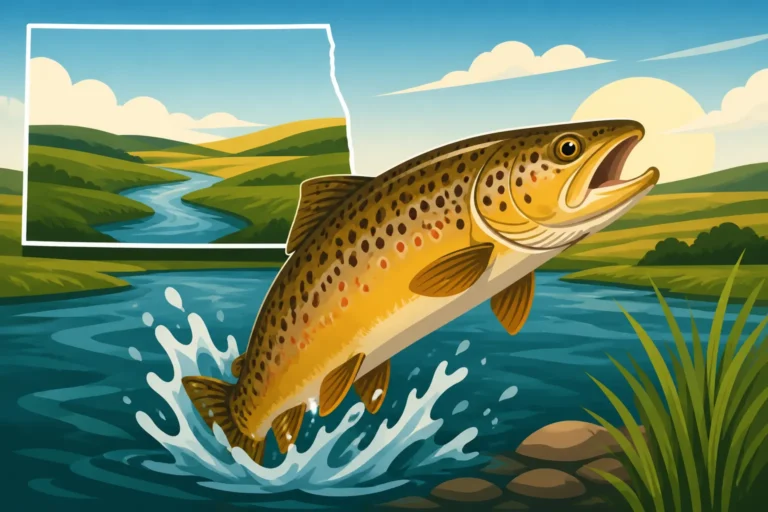
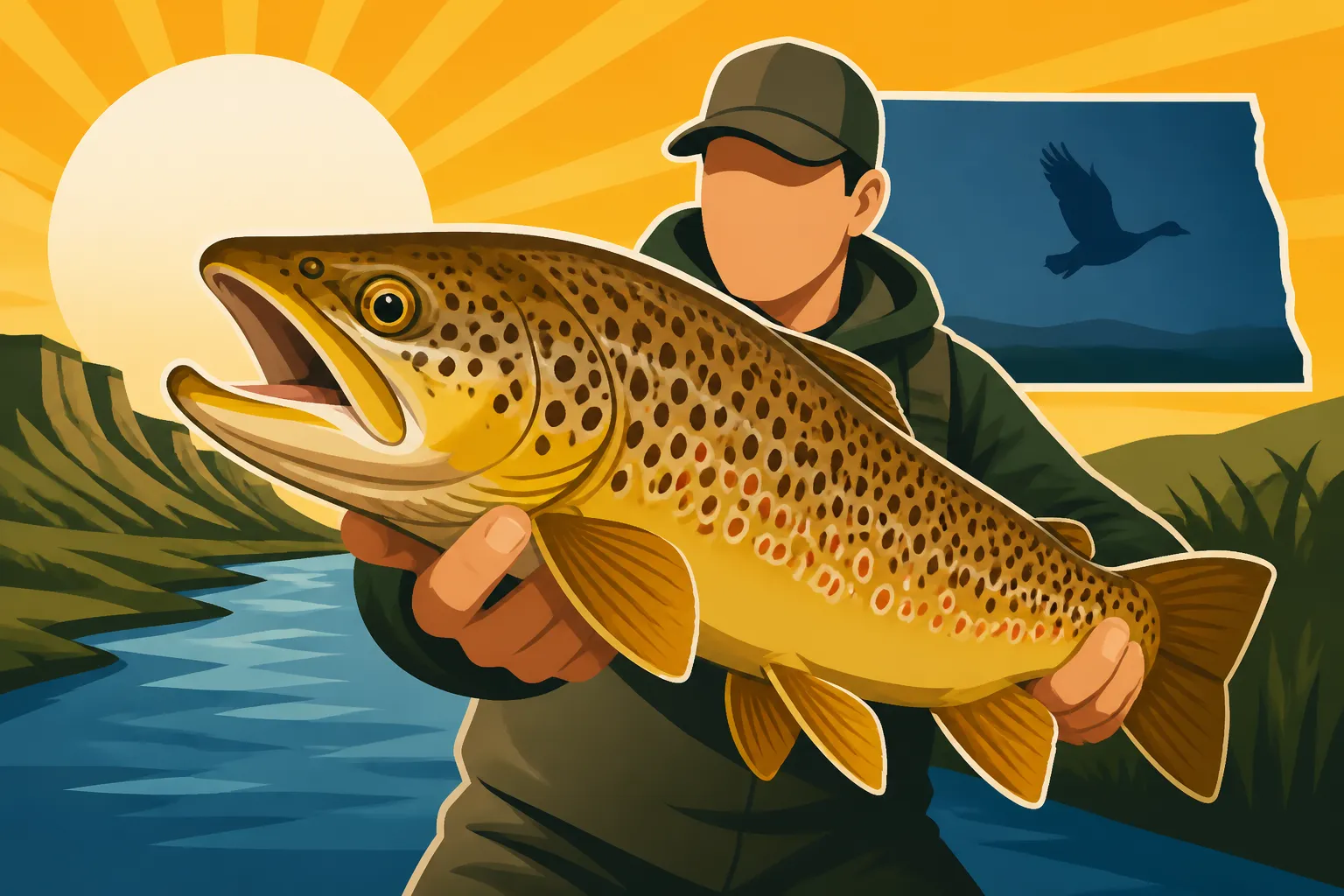
The current North Dakota state record brown trout was caught by Milton Wagner from the Garrison Dam Tailrace. This incredible fish weighed in at an impressive 31 pounds, 4 ounces, and was caught back in 1991. Just imagine the fight that fish put up! The sheer size of this brown trout captured the imagination of anglers across the state, proving that the waters here, particularly the cold, deep sections below the dam, hold some truly monumental fish. It's a record that has stood for decades, making it a highly respected benchmark for any serious trout angler in North Dakota. Catching any brown trout in North Dakota is a treat, but landing one that even approaches this size would be a fishing story for the ages.
The Significance of a State Record
A state record fish is more than just a number; it's a piece of angling history. For brown trout, which aren't as prevalent or widespread in North Dakota as, say, yellow perch or walleye, a record like this highlights a unique fishery. It points to specific conditions that allow these fish to thrive and grow to such incredible sizes. For the angler who holds the record, it's a lifetime of bragging rights and a permanent spot in the state's fishing lore. For others, it serves as inspiration, a goal to strive for, and proof that perseverance can pay off. Many anglers dream of seeing their name in the record books, and the sheer challenge of beating a long-standing record like Milton Wagner's adds to the mystique.
Understanding North Dakota's Trout Diversity
While the brown trout record is certainly impressive, it's worth remembering that North Dakota has a few different trout species swimming in its waters. Each has its own characteristics, preferred habitats, and record-holding potential. Understanding this diversity helps anglers appreciate what makes brown trout, and their record, so special.
| Trout Species | Typical Habitat in ND | Average Size Range | Key Characteristics |
|---|---|---|---|
| Brown Trout | Cold, clear rivers/streams, deep tailwaters, some stocked lakes | 1-5 lbs (but can grow much larger in specific conditions) | Brown to golden color with dark spots, often ringed with a lighter halo. Known for being wary and hard-fighting. |
| Rainbow Trout | Stocked lakes, cool reservoirs, Garrison Dam Tailrace | 1-3 lbs (trophies can reach 10+ lbs) | Iridescent silver body with a distinctive red/pink stripe along its side, small black spots. Widely stocked and popular with anglers. |
| Lake Trout | Deep, cold, oxygenated waters (e.g., Lake Sakakawea's deep sections) | 5-20 lbs (can exceed 30 lbs) | Dark green/gray body with light spots, deeply forked tail. Prefers very cold, deep water; often caught by specialized techniques. |
Knowing these differences helps you tailor your approach, whether you're chasing the brown trout record or simply enjoying a day targeting any trout species available. For more insights, check out our guide on Fish Species Found in North Dakota Lakes and Rivers.
Where Brown Trout Call Home in North Dakota
Unlike many other states where brown trout might be found in a vast network of streams and rivers, their presence in North Dakota is much more localized and specific. This makes finding them, especially large ones, a real quest for dedicated anglers. Brown trout need cold, clear water with ample oxygen, and suitable forage to truly thrive. North Dakota does have these conditions in certain spots, but they are fewer and farther between.
Key Brown Trout Habitats
The most famous and productive spot for brown trout in North Dakota, and the location of the state record, is undoubtedly the Garrison Dam Tailrace on the Missouri River. The deep, cold waters released from Lake Sakakawea create an ideal environment year-round. This area offers consistent temperatures, strong currents, and a rich food source, making it a prime location for trout, including brown trout, to grow to impressive sizes. It’s a challenging but rewarding fishery. Anglers often frequent the areas just below the dam, where the water is turbulent and deep, providing excellent cover and feeding lanes for trout.
Beyond the tailrace, brown trout populations are more limited. Some small, clear, cold-water tributaries feeding into larger systems might hold wild populations, but these are rare and often protected. The North Dakota Game and Fish Department occasionally stocks brown trout in specific lakes or ponds where conditions are suitable for their survival, but these are generally put-and-take fisheries aimed at providing recreational opportunities rather than trophy potential. If you're looking for where they might be found, you should definitely read Brown Trout Waters in North Dakota and Are There Wild Trout Streams in North Dakota?.
Navigating Specific Fishing Spots
When targeting brown trout in these specific locations, understanding the micro-habitats is crucial. In the Garrison Dam Tailrace, focus on current breaks, deep eddies, and areas with submerged structure like rocks or ledges. These spots provide cover from the strong current and ambush points for feeding fish. Many anglers use boats to access these prime locations, but there are also shore fishing opportunities, particularly on the east side of the river.
If you're exploring smaller, stocked ponds or unique cold-water flows, look for areas with overhanging vegetation that provides shade, or deeper sections where the water remains cooler throughout the day. These fish can be incredibly wary, especially in clearer waters, so a stealthy approach is often best.
Tips and Techniques for Pursuing North Dakota Brown Trout
Catching a brown trout, let alone a potential state record, requires a thoughtful approach. Brown trout are known for their wariness and can be quite challenging to hook. They often feed opportunistically, but they also have specific preferences that experienced anglers learn to exploit.
Essential Gear for Brown Trout Angling
Having the right gear is fundamental. For brown trout, especially in river systems like the Garrison Dam Tailrace, a medium-light to medium-action spinning rod or fly rod is generally recommended. A good quality reel spooled with 6-10 lb fluorocarbon or monofilament line will give you the sensitivity and strength needed. Many anglers also carry a variety of lures and baits. For robust advice on what rod to pick, check out Best Fishing Rods for North Dakota Anglers. You can find a great selection of reliable gear, from rods to line, on retailers like Amazon.
Effective Baits and Lures
Brown trout can be enticed by a variety of offerings. Live bait such as minnows, worms, or even leeches can be incredibly effective, especially when fished on a slip sinker rig that allows the bait to drift naturally. Artificial lures are also popular:
- Spinners: Small inline spinners (like Mepps or Rooster Tail) in silver, gold, or brass patterns are classic trout getters. The flash and vibration can mimic baitfish and trigger strikes.
- Spoons: Casting spoons, particularly those with a wobbling action, can be effective in covering water and imitating injured baitfish.
- Crankbaits: Smaller, suspending or shallow-diving crankbaits that imitate minnows or other forage can be deadly, especially when retrieved erratically.
- Jigs: Small marabou or soft plastic jigs tipped with a piece of worm or scented bait can be fished effectively near the bottom or drifted through current seams.
- Flies: For fly anglers, streamers imitating baitfish, nymphs (like stoneflies or caddisflies), and even dry flies during insect hatches can all produce.
For more general advice on what to use, take a peek at Best Bait for North Dakota Fishing. Always remember to check North Dakota Fishing Regulations Explained for any bait restrictions in specific waters.
Strategies for Success
When targeting brown trout, precision and patience are your best friends.
- Read the Water: Look for current seams, eddies, deep pools, and areas with submerged structure. Brown trout will often hold in these spots, waiting to ambush prey.
- Stealth is Key: Especially in clear water, brown trout are easily spooked. Approach your fishing spots quietly, avoid casting shadows, and wear subdued clothing.
- Vary Your Retrieve: Don't just cast and reel. Experiment with different retrieve speeds, pauses, and twitches to see what triggers a strike. Sometimes a slow, methodical retrieve is best, while other times a sudden jerk can illicit a reaction bite.
- Fish During Prime Times: Early morning and late evening often provide the best feeding windows for trout, especially during warmer months. Overcast days can also extend these feeding periods. In the Garrison Dam Tailrace, current fluctuations can also play a huge role, so paying attention to discharge rates can be beneficial.
- Focus on Specific Depths: Brown trout will often hug the bottom in deeper water, especially during bright conditions. Use techniques that get your bait or lure down to their level. For example, a heavy spoon or a bottom-bouncing rig can be very effective in these situations.
The Process of Certifying a Potential State Record Fish
Imagine the heart-stopping moment: you battle a fish, bring it to the net, and realize it's enormous. It could be a state record brown trout! The thrill is immense, but what do you do next? The North Dakota Game and Fish Department has a clear process for certifying potential state record fish, ensuring fairness and accuracy for all anglers.
Immediate Steps After a Potential Record Catch
The moment you suspect you've caught a potential record, every second counts, both for the fish (if you plan to release it) and for the integrity of the record.
- Do Not Gut the Fish: Keep the fish intact. Its official weight and length will be taken in its natural state.
- Keep it Alive or Fresh: If possible and if you intend to release it, place the fish in a livewell or a large cooler with fresh, cool water. If you plan to keep it for the record, get it on ice immediately to preserve its weight and condition. A high-quality cooler is invaluable here, and you can find many great options on Amazon.
- Locate a Certified Scale: This is absolutely critical. The fish must be weighed on a scale that has been certified by the North Dakota Department of Weights and Measures or a similar state agency. This often means finding a butcher shop, grocery store, or even some bait shops that have these scales. Call ahead to verify their certification.
- Find a Witness: Ideally, have one or more credible witnesses present during the weighing and measuring process. These could be other anglers, store employees, or anyone who can attest to the process.
Official Certification Steps
Once you've secured the fish and a certified scale, the formal process begins.
- Contact the North Dakota Game and Fish Department: Reach out to the department as soon as possible after your catch. They will guide you through the specific requirements and provide the necessary forms.
- Official Weighing and Measuring: At the certified location, have the fish weighed. Ensure the scale is zeroed out correctly. The weight should be recorded to the nearest ounce. Take multiple measurements of the fish's length (from the tip of the snout to the tip of the tail) and girth (the widest part of the fish's body).
- Photographic Evidence: Take several clear, high-quality photographs of the fish. These photos should show:
- The fish on the certified scale, with the weight clearly visible.
- The fish next to a measuring tape or ruler, showing its length and girth.
- The angler with the fish.
- Any unique markings or features of the fish.
- Species Identification: A Game and Fish Department biologist or an authorized representative will need to verify the species of fish. This is particularly important for trout, where hybrids or similar-looking species can sometimes cause confusion.
- Submit Paperwork: Complete all required forms provided by the Game and Fish Department, including your personal details, details of the catch (date, time, location, method), and witness information.
- Patience: The certification process can take some time as the department reviews all the evidence. If all checks out, congratulations – you'll be the newest holder of a North Dakota state record!
It's a detailed process, but one that ensures the integrity and prestige of North Dakota's angling records. Getting your hands on the official North Dakota Fishing Regulations Booklet 2026 to 2028 is always a smart move, as it contains the most up-to-date guidelines for records and general fishing practices.
Disclaimer
This article is for general informational purposes only and does not constitute professional advice. Laws, prices and regulations vary by location and change over time. Consult a qualified professional for guidance on your specific situation.