North Dakota Muskie State Record
The dream of landing a state record fish is something many anglers hold dear, a thrilling aspiration that can feel almost mythical, especially when you consider a truly legendary species like the muskie. For those of us casting lines in North Dakota, you might wonder if our waters even hold such giants, let alone a state record-breaker. This guide aims to clear the waters, delving into the North Dakota muskie state record, exploring where these elusive freshwater titans might be found, discussing the unique challenges involved in pursuing them, and helping set realistic expectations for anyone dreaming of that monumental catch.
The Elusive North Dakota Muskie State Record
Catching a muskie is often dubbed the "fish of 10,000 casts," a testament to its challenging nature and rarity. To land one big enough to shatter a state record? That’s truly the stuff of legends. Many anglers spend a lifetime chasing these powerful predators, often coming up short, which only adds to the mystique and the allure of the muskie record in our state. It's a goal that requires immense patience, specialized gear, and a bit of luck, proving that North Dakota's waters are home to some truly impressive fish.
Unpacking the Current Record Holder
While I can't give you the exact weight, date, or specific location of the current North Dakota muskie state record holder, I can tell you that it represents an incredible achievement in our state's angling history. Imagine the moment that fish hit the line – the explosive strike, the powerful runs, and the sheer adrenaline of battling a true freshwater behemoth. These records aren't just numbers; they tell a story of dedication, skill, and often, years of pursuit. The current record stands as a testament to the potential of North Dakota's waters to produce world-class muskies, inspiring many to pick up their rods and try their hand at landing their own monster. It encourages us all to believe that with enough effort, that next cast could be the one that changes everything.
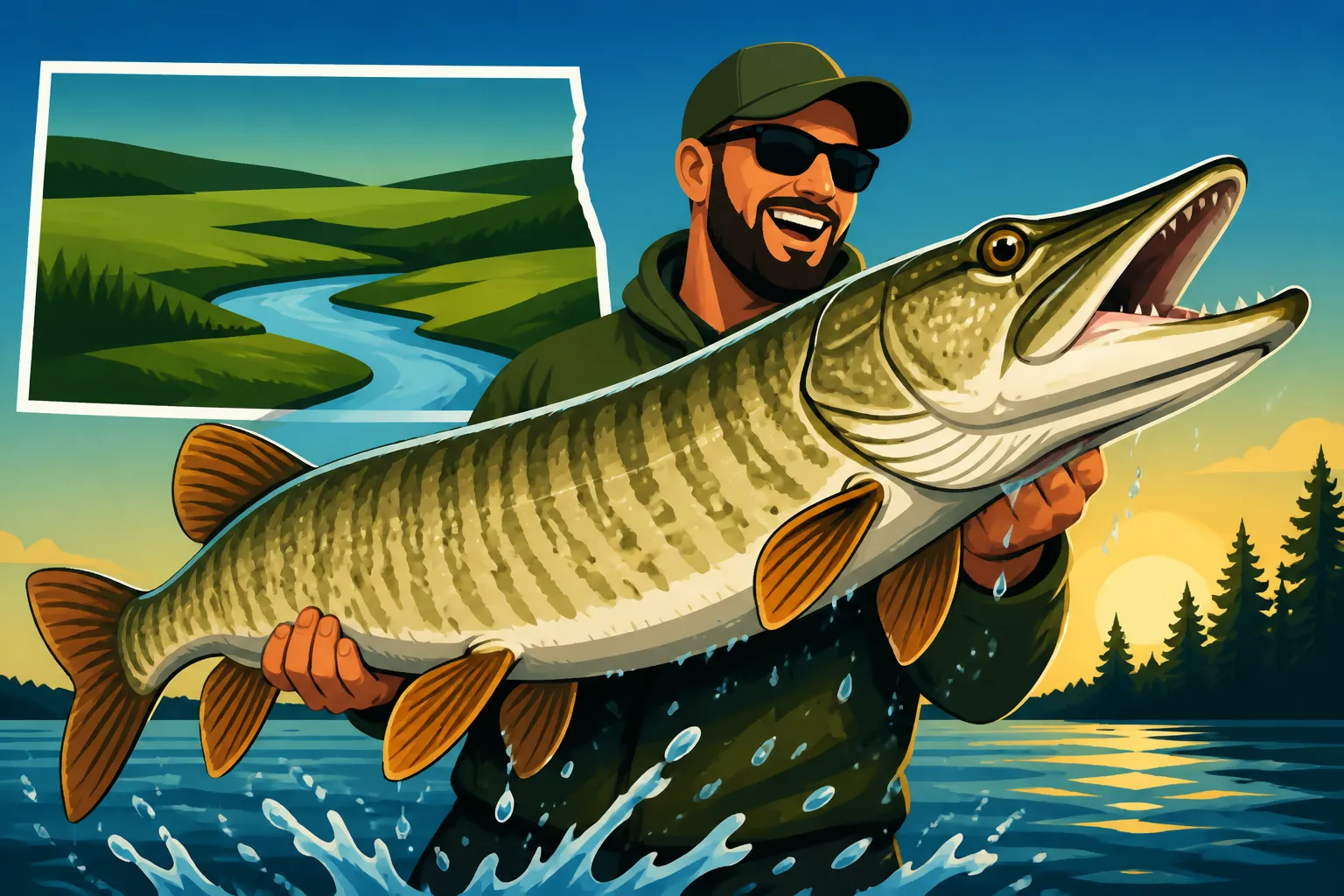
The sheer size of a record muskie is something that photos rarely do justice. These fish are built for power, with broad shoulders, strong tails, and mouths full of razor-sharp teeth. The state record muskie embodies the pinnacle of this species in North Dakota, showcasing the health and vitality of the fisheries where they reside. It’s a goal that pushes anglers to refine their techniques, understand fish behavior, and ultimately connect with the aquatic environment in a profound way. For those interested in pursuing their own trophy, checking the official North Dakota Game and Fish Department records is the first step to understanding the benchmark you're aiming for.
The Significance of a Muskie State Record
A state record muskie isn't just a personal victory for the angler; it's a badge of honor for the entire state's fishing community. It puts North Dakota on the map as a destination for serious muskie enthusiasts, drawing attention to our often-underestimated fisheries. When a record like this is set, it sparks conversations in tackle shops, around campfires, and across online forums, inspiring a new generation of anglers to explore our waters. It validates the hard work of fisheries biologists and conservationists who manage these populations, ensuring that trophy fish continue to thrive for years to come.
Moreover, the existence of a state record muskie helps to highlight the importance of North Dakota Muskie Fishing Guide and responsible angling practices, especially catch-and-release. Because muskies grow slowly and are not prolific breeders, releasing these giants ensures they can continue to contribute to the gene pool and provide future angling opportunities. The record serves as a benchmark, yes, but also as a reminder of the precious natural resources we have and our shared responsibility to protect them. It's a symbol of the wildness and raw power that lies beneath the surface of North Dakota's lakes and rivers, urging us to respect and preserve these incredible fish.
Where Do Muskies Lurk in North Dakota?
You might think of North Dakota and picture walleye or pike, but our state is home to some incredible muskie fisheries, too. These fish prefer specific habitats – clear, cool waters with plenty of structure, whether it's submerged timber, weed beds, or rocky points. Knowing where to start is half the battle when you’re chasing these elusive predators. It takes research, patience, and often, a willingness to explore lesser-known spots.
Key Muskie Waters and Their Characteristics
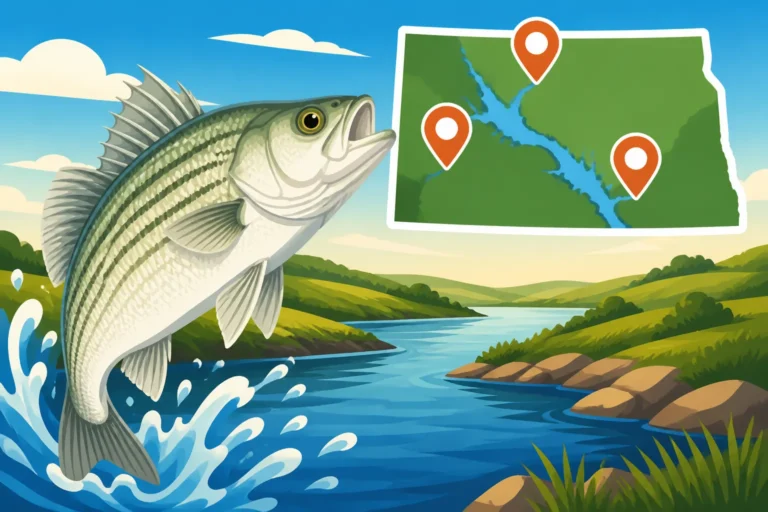
When you think about where a state-record muskie might come from in North Dakota, a few prime locations immediately come to mind. These are typically larger bodies of water that can sustain a healthy population of large forage fish, which muskies absolutely depend on for their growth. Lakes like New Johns Lake and Lake Audubon have developed reputations as excellent muskie waters, thanks to deliberate stocking efforts and favorable habitat conditions. These lakes offer a diverse range of structure, from shallow bays with extensive weed beds to deeper points and submerged humps, all providing ideal ambush points for muskies. Understanding the unique characteristics of these lakes, from water clarity to bottom composition, is crucial for successful muskie fishing. You can find more general information about fish in our state in our Fish Species Found in North Dakota Lakes and Rivers guide.
Another notable area is a specific arm of the massive Lake Sakakawea, which, given its immense size and depth, certainly holds the potential for truly enormous fish. The sheer volume of water and variety of habitat within Lake Sakakawea mean that muskies have plenty of room to roam and grow. Lake Sakakawea Fishing Guide for North Dakota Anglers covers this vast lake in detail. These lakes often have good access points, but getting to the best muskie spots usually requires a boat, and often a larger one capable of handling unpredictable North Dakota winds. It's not uncommon for dedicated muskie anglers to spend days, even weeks, exploring these waters, slowly piecing together the puzzle of where these giant fish are holding.
Understanding Muskie Stocking Efforts
The presence of muskies in North Dakota is largely thanks to strategic stocking programs implemented by the state's fisheries agencies. These programs are vital for establishing and maintaining muskie populations, especially in waters where natural reproduction is limited or non-existent. Without these efforts, the chance of catching a muskie, let alone a state record, would be incredibly slim. Biologists carefully select waters that have the right combination of forage, habitat, and water quality to support these fish, often raising them in hatcheries until they are large enough to be less vulnerable to predation before release.
These stocking efforts aren't a one-and-done deal; they are ongoing, long-term commitments designed to create sustainable trophy fisheries. It takes many years for stocked muskies to reach impressive sizes, making every mature fish a valuable asset to the fishery. The success of these programs can be measured not just by the number of fish caught, but by the quality of the angling experience and, of course, the occasional state record-breaking catch. When you're out on the water, remember that the muskie you're pursuing might be the result of careful planning and dedication from conservation professionals, making the catch even more meaningful.
The Thrill and Challenge of Muskie Fishing in North Dakota
Chasing muskies is not for the faint of heart, or for those easily discouraged. It’s a pursuit that demands dedication, physical endurance, and a mental toughness that can withstand hours of casting without a single bite. But when that bite finally comes, it’s unlike anything else in freshwater fishing. The sheer power and aggression of a muskie strike are exhilarating, turning even the most seasoned angler into a trembling ball of excitement.
Gear Up for the Fight: Essential Equipment
To tangle with a fish that can easily top 40 pounds and fight like a freight train, you need serious gear. This isn't your average walleye setup. We're talking about heavy-action casting rods, often 8 to 9 feet long, paired with robust baitcasting reels capable of handling heavy braided line. These rods provide the leverage needed to cast large, heavy lures all day and the backbone to control a powerful muskie during the fight. Finding the right rod and reel combo can be a game-changer, and many anglers source their specialized equipment from online retailers like Amazon, where a wide selection of heavy-duty muskie gear is readily available.
Your tackle box will also look very different. Muskie lures are massive – think foot-long jerkbaits, oversized bucktails with huge blades, and large swimbaits that mimic substantial forage fish. These lures are expensive, but they are designed to attract the biggest predators in the lake. You’ll also need strong wire leaders to prevent those sharp teeth from cutting your line, heavy-duty snaps, and split rings. Don't forget a large, rubberized landing net – big enough to scoop up a truly gargantuan fish without harming its protective slime coat – and long-nosed pliers or jaw spreaders for safe hook removal. Protecting these fish for future generations is paramount, and the right gear helps ensure a quick and safe release. Consider reading our Best Fishing Tackle for North Dakota Lakes for more general guidance on tackle.
Techniques for Targeting Trophy Muskies
Muskie fishing techniques are as specialized as the gear itself. The most common methods involve casting large baits to cover water, often around known muskie haunts like weed lines, rock piles, or submerged timber. This means hundreds, if not thousands, of casts in a single day, retrieving those heavy lures with a specific cadence that entices a strike. It’s physically demanding work, but the anticipation of that explosive hit keeps you going. Learning to perform a "figure-eight" at the boat is also critical, as muskies often follow a lure right up to the boat before deciding to strike at the last second.
Trolling is another effective method, especially on larger bodies of water like parts of Lake Sakakawea, where you can cover vast areas and present large crankbaits at specific depths. This method requires specialized trolling rods, planer boards, and a good understanding of boat speed and lure action. Regardless of the technique, patience is your most important tool. Muskies are apex predators, and they choose their moments. A typical day of muskie fishing might involve hours of casting or trolling without a single bite, only for a monster to suddenly appear and engulf your lure. It's that unpredictable, heart-stopping moment that makes all the effort worthwhile. For more on similar fishing approaches, check out How to Fish for Northern Pike in North Dakota, as pike and muskie share some behavioral traits.
Managing Expectations and Embracing the Hunt
Let's be real: chasing a state record muskie is an incredibly ambitious goal. It’s important to manage your expectations, understanding that the pursuit itself is often more rewarding than the actual catch. The journey to even encounter a muskie, let alone a record-setter, is filled with learning, perseverance, and unforgettable moments on the water.
Catch and Release for Future Generations
Given the rarity and slow growth of muskies, especially trophy-sized ones, catch-and-release is not just a suggestion – it’s a vital practice for ensuring the future of our muskie fisheries. These large predators are incredibly important to the ecosystem, helping to maintain balance by preying on other fish. When you finally land one of these magnificent creatures, the goal should always be to get it back into the water quickly and safely, allowing it to continue growing and potentially be caught again by another angler. This means minimizing its time out of the water, using proper handling techniques, and ensuring it's revived before release.
Many dedicated muskie anglers carry specialized tools like large release cradles, long-nosed pliers, and bolt cutters (for cutting hooks if necessary) to facilitate a safe release. Investing in these tools, which are readily available on platforms like Amazon, is a small price to pay to protect these precious fish. The true trophy isn't a dead fish on a wall, but a healthy muskie swimming away strong, ready to challenge another angler someday. By practicing responsible catch-and-release, we all contribute to the sustainability of North Dakota's unique muskie populations, ensuring that future generations can also experience the thrill of chasing these freshwater giants.
Beyond the Record: The Joy of the Pursuit
While the idea of breaking the North Dakota muskie state record is certainly a powerful motivator, the real joy in muskie fishing often lies in the pursuit itself. It’s about the early mornings on the water, the stunning sunsets, the camaraderie with fellow anglers, and the deep connection you form with nature. It’s about learning the intricacies of a lake, understanding fish behavior, and constantly refining your skills. Every cast is an act of hope, every follow a moment of pure excitement, and every lost fish a lesson learned.
The "fish of 10,000 casts" nickname isn’t just about how hard they are to catch; it’s about the journey and the memories made along the way. Whether you ultimately land a state record or not, the experience of dedicating yourself to the hunt for such an impressive fish is incredibly rewarding. North Dakota offers a unique blend of wild landscapes and challenging fisheries, making it an ideal place to embark on your own muskie adventure. So, arm yourself with knowledge from guides like Best Fishing Rods for North Dakota Anglers, head out on our beautiful lakes with Best Boats for North Dakota Lakes, and embrace every moment of the challenge. The state record is an ultimate goal, but the true prize is the adventure itself and the stories you'll have to tell for years to come.
Muskie vs. Northern Pike: Key Identification Differences
Muskies and Northern Pike are often confused, especially when they are smaller. Both are long, predatory fish with sharp teeth, but there are distinct differences that can help you tell them apart. Knowing these distinctions is crucial, especially when fishing in waters that hold both species.
| Feature | Muskie | Northern Pike |
|---|---|---|
| Coloration | Dark spots or bars on a lighter body | Lighter spots on a darker body |
| Tail Fin | More pointed lobes, often rounded | More rounded lobes, sometimes slightly forked |
| Cheek Scales | Scaled only on the upper half | Fully scaled |
| Opercle Scales | Scaled only on the upper half | Fully scaled |
| Pore Count | Typically 6-9 sensory pores on each side of lower jaw | Typically 5 sensory pores on each side of lower jaw |
| Shape | More torpedo-shaped, sleeker | More robust, broader body |
This table provides a quick reference, but remember that hybrid "Tiger Muskies" also exist, which can display characteristics of both. When in doubt, it's always best to carefully observe and if you're still unsure, treat it with the respect due to a muskie, especially if you're practicing catch and release. This helps protect all large esocids in our waters.
Disclaimer
This article is for general informational purposes only and does not constitute professional advice. Laws, prices and regulations vary by location and change over time. Consult a qualified professional for guidance on your specific situation.