Best Ice Fishing Sled for Hauling Gear
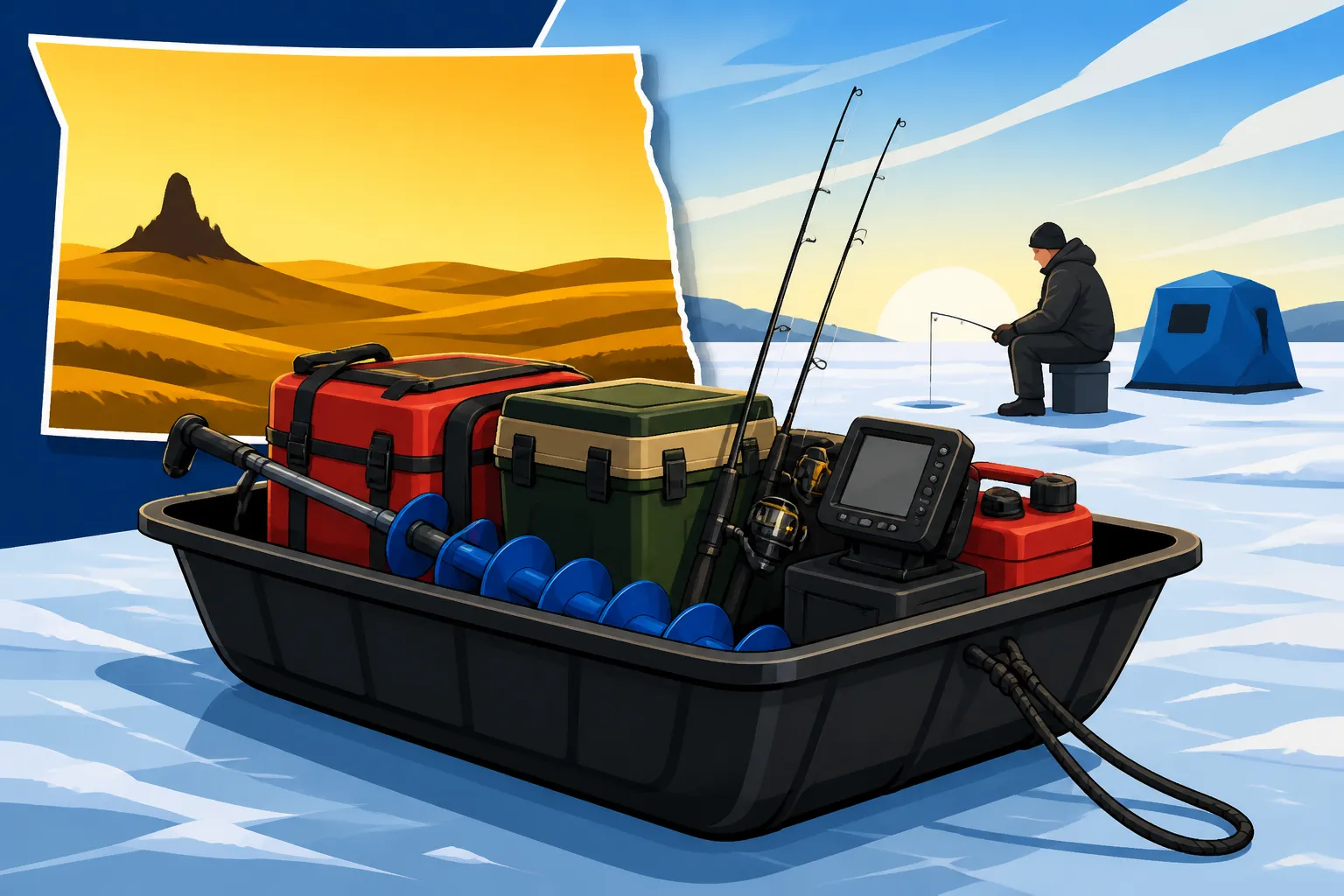
Dragging all your gear across a frozen North Dakota lake can feel like an Olympic event, especially when you've got a portable shelter, an auger, buckets, tackle, and maybe even a thermos full of coffee to contend with. The trek from the truck to your prime fishing spot, often through heavy snow or across windswept ice, can be utterly exhausting before you even drop a line. This guide is all about helping you conquer that journey by finding the best ice fishing sled for hauling your gear, making your fishing adventures much more enjoyable.
Why a Good Ice Fishing Sled is Essential in North Dakota
When you think about ice fishing in North Dakota, you're not just thinking about a short walk out onto a farm pond. We're talking about sprawling lakes like Devils Lake or Lake Sakakawea, where your chosen spot could be a considerable distance from any plowed access point. The elements here are no joke either – deep snow, slush, biting winds, and shifting ice conditions are all part of the game. Trying to juggle an armful of rods, a five-gallon bucket, and a bulky ice shelter by hand is not only impractical but also incredibly inefficient and can be downright dangerous.
The Trek Across the Ice
Imagine the scene: you've bundled up, checked the ice thickness, and now it's time to head out. Maybe you're targeting those elusive perch on Devils Lake, or perhaps looking for some walleye on a less-frequented spot on Lake Sakakawea. The truck is parked, and your destination is a quarter-mile, half-mile, or even further out. Without a reliable sled, every step becomes a struggle. You’re sinking in snow, your hands are freezing, and that heavy auger feels like it's getting heavier with every foot. A good sled means you can load everything up, pull it with relative ease, and conserve your energy for the actual fishing. It transforms a grueling hike into a manageable stroll, allowing you to reach those untouched spots without being completely worn out. Plus, it lets you carry more gear, which often means being better prepared for whatever the fish and the weather throw at you.
Protecting Your Valuable Gear
Beyond just easing the burden of transport, an ice fishing sled plays a crucial role in protecting your investment. Your auger, Best Ice Fishing Gear for North Dakota, fish finder, rods, and even your carefully prepared bait are all susceptible to damage from being dropped, submerged in slush, or simply getting banged around on the journey. A sturdy sled acts as a protective shell, keeping your equipment contained and safe from the rough terrain and harsh environment. It keeps items from falling out, prevents your tackle from scattering if you hit a bump, and provides a stable base for your gear while you're moving. This protection is invaluable, especially when you're talking about expensive electronics like a good flasher or a sensitive graphite rod. Losing a jig to a crack in the ice is one thing; breaking a brand-new rod because it wasn't secured properly is quite another.
Key Features to Look for in an Ice Fishing Sled
Choosing the right ice fishing sled isn't just about grabbing the biggest plastic tub you can find. There are specific features that can make a world of difference in its performance and your overall experience out on the hard water. Thinking about the unique challenges of North Dakota's ice fishing conditions – the heavy snow, the cold, and the need for durability – will help guide your selection.
Durability and Construction Materials
The foundation of any good ice fishing sled is its material and construction. You need something that can withstand repeated abuse, freezing temperatures, and abrasive surfaces. Most quality sleds are made from high-density polyethylene (HDPE), a plastic known for its toughness, flexibility, and resistance to cold-weather cracking. Cheaper plastics can become brittle in sub-zero temperatures, leading to cracks or even shattering when bumped or dropped, especially when laden with heavy gear. Look for thicker material, particularly in the base and corners, which tend to take the most impact. Some sleds feature molded-in runners, which add structural integrity and help the sled glide better. Reinforcement around the tow points is also critical; a flimsy attachment point can tear out, leaving you stranded with a heavy load. You want a sled that feels robust, not flimsy, when you give it a good flex.
Size and Capacity Considerations
The size of your sled directly impacts how much gear you can carry, and in North Dakota, we tend to bring a lot. Consider what you typically haul: a portable ice shelter, an Ice Fishing Auger Techniques, buckets, chairs, tackle boxes, bait, and maybe even a portable heater. If you mostly fish alone and only bring essential gear, a smaller, more compact sled might suffice. However, if you're frequently fishing with a buddy, or you like to bring a full setup including a larger pop-up or flip-over shelter, you'll need a larger sled. It's often better to go a little bigger than you think you need, especially since you might acquire more gear over time. Remember, a bigger sled also means a wider footprint, which can be advantageous in deep snow, as it distributes weight better and prevents the sled from sinking too deeply. But a sled that is too big can be cumbersome to load into your vehicle or navigate through tight spots. So, consider your vehicle's cargo space and your typical fishing party size.
Runners, Tow Ropes, and Hitches
These components are what make your sled actually glide rather than simply drag. Molded-in runners or replaceable wear bars on the bottom of the sled significantly reduce friction and help the sled track straight behind you, especially over uneven snow and ice. Without good runners, your sled will constantly drift sideways, making pulling it much harder. For towing, a strong, durable tow rope is essential. Many sleds come with a simple rope, but investing in a better quality, thicker rope, or even a solid tow bar system, can improve comfort and control. A tow bar, often available as an accessory, keeps the sled at a consistent distance and prevents it from running into your heels on downhill stretches or stopping suddenly. If you plan to tow your sled behind an ATV or snowmobile, a rigid hitch system is a must for safety and stability. Ensure any tow rope or hitch attachment points are reinforced and securely fastened to the sled's body. These small details can make a massive difference in how easily your sled pulls, whether you're covering a short distance or making a longer journey to your secret spot.
Essential Accessories: Covers and Storage Options
A sled is just a container, but its accessories can elevate its utility significantly. A fitted cover, for instance, is not just a nice-to-have; it's practically essential for North Dakota ice fishing. It keeps snow, slush, and wind out of your gear, preventing your tackle from getting wet and your electronics from freezing up. Covers also help keep your gear contained, especially if you hit a bumpy patch of ice. Look for covers made from durable, water-resistant fabric with strong elastic or bungee cords to ensure a snug fit. Some covers even offer built-in pockets for quick access to smaller items. Inside the sled, consider additional storage solutions. Many dedicated ice fishing sleds offer optional dividers, buckets, or even built-in rod holders to help organize your gear and keep it from shifting around during transport. Brands like Bass Pro Shops often carry a range of these accessories. Keeping your items neatly packed means less time searching and more time fishing.
Different Types of Ice Fishing Sleds
Just like fishing rods or augers, ice fishing sleds come in a variety of styles, each designed with different needs and budgets in mind. Knowing the differences can help you select the perfect companion for your trips out onto the frozen lakes of North Dakota.
Basic Utility Sleds
These are often the most common and budget-friendly option you'll see. Think of the classic black or green plastic sleds that look like an oversized toboggan. They're usually made from durable, although sometimes thinner, plastic and come in various sizes. Their main advantage is their simplicity and versatility. They're great for hauling a moderate amount of gear—a portable shelter, a bucket, and an auger—over relatively flat snow or smooth ice. You'll often find these at general sporting goods stores or even hardware stores. Many anglers start with one of these to get a feel for what they need before upgrading.
The downside is that they often lack advanced features. The plastic might be less resistant to extreme cold and rough treatment compared to dedicated ice sleds. Tow ropes might be basic, and they rarely come with covers or integrated storage solutions. If you're frequently tackling deep snow or very rough ice, or if you're pulling a lot of weight, a basic utility sled might wear out faster or require more effort to pull. They're perfect for casual anglers who don't venture too far, or for those who just need something simple for a few essential items. However, with the kind of distances and conditions we often face in North Dakota, you might quickly find yourself wanting something a bit more robust.
Dedicated Ice Fishing Sleds
These sleds are designed specifically with the ice angler in mind. They usually feature thicker, more cold-resistant plastics, often with integrated, heavy-duty molded runners on the bottom for superior gliding and tracking performance over snow and ice. They come in various sizes, from compact models for solo anglers to extra-large options that can easily swallow a Setting Up an Ice Fishing Shelter, multiple rods, and all your ancillary gear. Manufacturers like Clam, Eskimo, and Otter make popular dedicated ice fishing sleds. You can often find these at specialty outdoor retailers or on online platforms like Amazon, and they are built to endure the rigors of repeated trips through tough conditions.
What sets these apart are the thoughtful features. Many dedicated sleds have reinforced tow points, and some even offer accessory hitches for ATV or snowmobile towing. They often have higher sidewalls to prevent gear from spilling out and a more aerodynamic shape to cut through snow more efficiently. Many also have optional accessories like custom-fit covers, rod holders, tool caddies, and interior dividers to keep your gear organized and protected. For serious North Dakota ice anglers who spend a lot of time on the ice and invest in quality gear, a dedicated ice fishing sled is often the smartest choice for efficiency, durability, and gear protection.
Pulk-Style Sleds
While not as common for general ice fishing, pulk-style sleds are worth mentioning, especially for those who undertake longer expeditions or need to haul exceptionally heavy loads. A pulk is essentially a long, narrow sled designed to be pulled by a harness around your hips or waist, rather than by hand or vehicle. This system distributes the weight more evenly across your core, making it easier to pull heavy loads over long distances, particularly in deep snow. They are often used by backcountry skiers, winter campers, and adventurers.
The advantages of a pulk include superior tracking, reduced effort for heavy loads, and excellent stability. The low profile means they don't tip easily, and the harness system allows you to use your body weight for propulsion. While most ice anglers won't need a full pulk system, the concept of an ergonomically designed pulling system can be applied to traditional ice sleds by adding a tow bar and a waist harness. This can significantly improve the comfort and ease of pulling, especially if you're making a long haul or regularly filling your How Much Weight an Ice Fishing Sled Can Hold to its maximum. For those extreme adventures or heavy loads on big lakes, a pulk, or a pulk-inspired towing setup, could be a game-changer.
Here's a quick comparison of common ice fishing sled types:
| Sled Type | Key Features | Best For | Pros | Cons |
|---|---|---|---|---|
| Basic Utility Sled | Simple plastic tub, basic tow rope, no cover | Casual anglers, short distances, light loads | Affordable, lightweight, easy to store | Less durable in extreme cold, poor tracking, no gear protection |
| Dedicated Ice Sled | Thick, cold-resistant plastic, molded runners, reinforced tow points, accessory options | Serious anglers, longer distances, heavy loads | Highly durable, glides well, good gear protection, customizable | More expensive, heavier than basic sleds, can be bulky to transport |
| Pulk-Style Sled | Long, narrow design, harness towing system | Long expeditions, very heavy loads, deep snow | Ergonomic pulling, excellent tracking, stable | Specialized, higher cost, less common for general ice fishing |
Tips for Maximizing Your Ice Fishing Sled's Performance
Having the best ice fishing sled is one thing, but knowing how to use it effectively and keep it in top shape is another. A few smart practices can greatly extend your sled's life and make every trip to the ice smoother and more enjoyable.
Proper Loading and Balance
It might seem obvious, but how you load your sled can dramatically affect how easy it is to pull. The goal is to distribute weight evenly and keep the center of gravity low. Place heavier items, like your auger, battery, or a bucket of minnows, at the bottom and in the center of the sled. Lighter, bulkier items such as your Best Portable Ice Shelter for Windy Conditions or extra layers of What to Wear Ice Fishing in North Dakota can go on top. Avoid stacking items too high, as this raises the center of gravity and makes the sled more prone to tipping, especially on uneven ice or when making turns.
If you have items that are particularly long, like fishing rods, try to lay them flat or secure them along the sides to prevent them from snagging on branches or getting damaged if the sled tips. If you're pulling a very heavy load, try to balance it slightly forward, so a small amount of weight is pushing down on the tow rope. This can prevent the sled from "kicking up" behind you, which can be annoying and tiring. A well-balanced sled glides smoothly and takes significantly less effort to pull, leaving you with more energy for battling big fish.
Securing Your Load Effectively
Once your sled is loaded, securing everything is paramount. Nothing is more frustrating than hitting a patch of slush or a snowdrift and having your gear go flying. A good quality, custom-fit cover is your first line of defense. This keeps snow and ice out and prevents items from bouncing out. For anything that might shift or roll around, use bungee cords or cargo straps to lash them down. You can crisscross bungee cords over the top of your load, attaching them to pre-drilled holes or integrated tie-down points on the sled.
Consider using smaller containers or buckets within your sled to organize smaller items like tackle boxes, bait containers, and your thermos. This not only keeps things tidy but also adds another layer of security. If you're towing your sled behind a snowmobile or ATV, double-check all tie-downs before you take off. High speeds and bumpy terrain can easily dislodge unsecured gear. Taking an extra minute to properly secure your load will save you a lot of headaches and potential lost gear on the ice.
Maintenance for Longevity
Your ice fishing sled works hard in harsh conditions, so a little bit of care goes a long way in ensuring it lasts for many seasons. After each trip, especially if you've been through slush or wet snow, take the time to clean your sled. Rinse off any mud, grit, or fish slime. Pay particular attention to the runners or wear bars, as accumulated debris can cause drag or damage over time.
Inspect your tow rope or hitch for any signs of fraying, cuts, or wear. Replace them immediately if they show signs of weakness, as a broken tow system on the ice can be a real hassle. If your sled has removable wear bars, check them for excessive wear and replace them as needed to maintain optimal gliding performance. When storing your sled for the off-season, give it a thorough cleaning and allow it to dry completely to prevent mold or mildew, especially if you're storing it with a cover on. Store it in a cool, dry place, ideally out of direct sunlight, which can degrade plastic over time. Simple, consistent maintenance ensures your sled is ready for action every time the ice calls.
Disclaimer
This article is for general informational purposes only and does not constitute professional advice. Laws, prices and regulations vary by location and change over time. Consult a qualified professional for guidance on your specific situation.