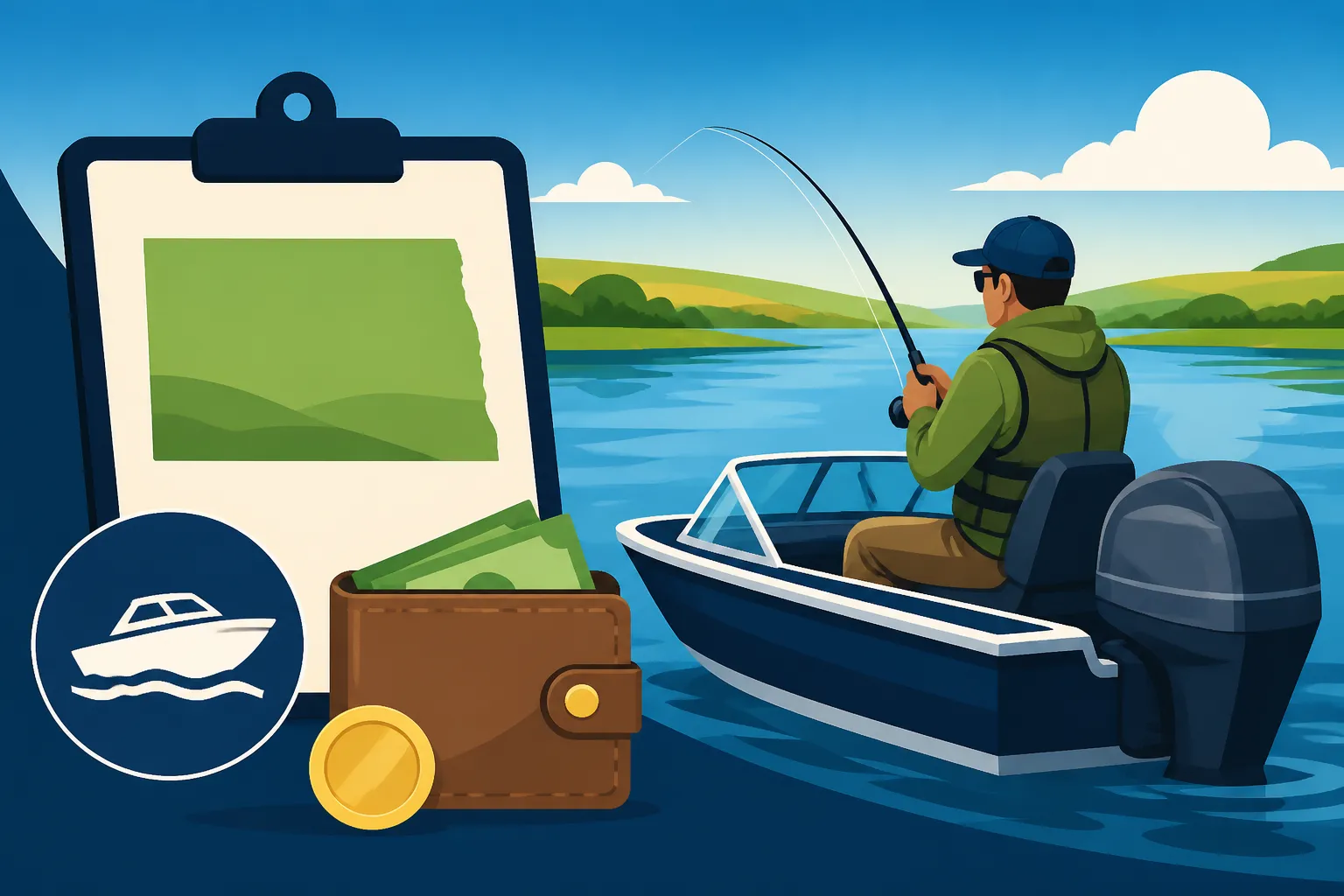
How Much North Dakota Boat Registration Costs
Figuring out the exact costs associated with registering your boat in North Dakota can feel a bit like trying to navigate a new lake without a map. There's often a lot of confusion about what fees apply, why they apply, and where to even begin the process. This guide is here to demystify the boat registration costs in the Peace Garden State, helping you understand the various components and prepare for a smooth sailing experience on the water.
Understanding North Dakota Boat Registration Requirements
Before we even dive into the dollars and cents, it's really important to understand why boat registration exists and who it applies to. It's not just a bureaucratic hurdle; it's a system designed to ensure safety, fund water-related programs, and manage aquatic resources for everyone.
Who Needs to Register a Boat in North Dakota?
This is often the first question on many new boat owners' minds, and honestly, it can be a little nuanced. Generally speaking, if you have a motorized watercraft operating on North Dakota waters, it’s going to need to be registered. This applies whether it's a powerful bass boat, a nimble personal watercraft, or even a small fishing boat with a trolling motor. The key word here is "motorized." Even if that motor is electric and quite small, the requirement typically stands.
However, there are exceptions. Many non-motorized vessels, such as canoes, kayaks, stand-up paddleboards, and rowboats, usually don't need to be registered. This can be a huge relief for those who enjoy human-powered adventures on the state's beautiful lakes and rivers. But here's the kicker: always double-check the most current regulations, because sometimes circumstances can change, or there might be specific requirements for certain types of waters or vessel lengths. It’s always better to be safe than sorry when it comes to compliance. You don't want to get out on the water, eager for a day of fishing, only to find yourself in a bind with a game warden because you overlooked a small detail. If you're wondering about smaller vessels, you can find more details in articles like Do Kayaks Need to Be Registered in North Dakota? or Do Canoes Need to Be Registered in North Dakota?.
The Difference Between Registration and Titling
Another point of common confusion is the distinction between registering your boat and titling it. Many people use these terms interchangeably, but they actually serve different purposes, though they are often handled by the same agency and might even happen concurrently. Think of it this way: a boat title is essentially the proof of ownership, much like the title for your car or home. It establishes who legally owns the vessel. This is super important when you're buying or selling a boat, as it protects both the buyer and the seller.
Registration, on the other hand, is more about getting permission to operate that boat on public waters. It's like the license plate for your car. It proves that you've paid the necessary fees and are compliant with state regulations for active use. When you register your boat, you'll receive a registration card and those all-important decals that need to be displayed on your hull. In North Dakota, you'll often go through both processes at the same time for a new or newly purchased boat. Understanding this difference is crucial, especially when you're considering buying a used boat; you'll need to ensure the title is properly transferred into your name, in addition to getting it registered for operation. For a deeper dive, check out Difference Between Boat Registration and Boat Title in North Dakota.
Where Does Your Registration Money Go?
It's natural to wonder where all those fees actually end up. Knowing that your money contributes to the maintenance and improvement of the very resources you enjoy can make the process feel a little less like just another bill. In North Dakota, the funds collected from boat registrations typically go towards a variety of initiatives that benefit anglers, boaters, and the environment. This includes things like maintaining public boat ramps and access sites, ensuring safety on the water through enforcement and education, and funding programs dedicated to fisheries management.
A significant portion of these funds also supports efforts to combat Aquatic Nuisance Species (ANS). These invasive plants and animals, like zebra mussels, can wreak havoc on ecosystems, clog waterways, and severely impact fishing opportunities if left unchecked. So, while paying the registration fee might seem like a chore, you're actually playing a part in protecting North Dakota's precious lakes and rivers for future generations of boaters and anglers. This commitment to conservation is something we all benefit from in the long run.
Breaking Down the Costs of North Dakota Boat Registration
Now, let's get into the nitty-gritty of what you'll actually pay. Remember, I can't give you exact dollar figures, as those change over time. However, I can explain how those costs are structured so you can be prepared.
The Core Registration Fee
The primary cost you'll encounter is the boat registration fee itself, and this is typically not a one-size-fits-all number. In North Dakota, like many other states, the registration fee for your boat is usually determined by its length. The rationale here is pretty straightforward: larger boats generally take up more space at public access points, potentially require more resources for rescue or enforcement, and have a greater impact on the waterways. So, you'll find a tiered system where shorter boats fall into one price category, medium-sized boats into another, and longer vessels into a higher bracket.
For instance, if you have a small fishing boat under a certain length, your fee will be at one end of the spectrum. If you're piloting a much larger craft, like a substantial pontoon or a big cruiser, you can expect the registration cost to reflect that increased size. It's a progressive system designed to be fair across the wide range of watercraft found on North Dakota's waters. When you check the current regulations, you'll see a clear table outlining these length categories and their corresponding fees. It's always a good idea to accurately measure your boat to ensure you're paying the correct amount. You can get a general idea from resources like North Dakota Boat Registration Fees by Size.
Aquatic Nuisance Species ANS Fee
Beyond the core registration fee, there's another crucial component to the cost of registering your boat in North Dakota: the Aquatic Nuisance Species (ANS) fee. This isn't just an optional add-on; it's a mandatory part of the registration process for most motorized boats. As mentioned earlier, ANS pose a serious threat to North Dakota's aquatic ecosystems, and these funds are absolutely vital for prevention, detection, and management efforts.
The ANS fee is usually a separate, flat charge that applies to all vessels requiring registration, regardless of their length. It's a way for all boaters to contribute to the collective effort of protecting the state's waters. This fee helps fund inspection stations, educational programs, and rapid response initiatives if an ANS infestation is discovered. So, when you're calculating your total registration cost, make sure to factor in this additional, but very important, charge. Understanding Aquatic Nuisance Species Rules for Boaters will give you a better appreciation for why this fee is so necessary. While I can't provide the exact number, knowing that there's a specific Aquatic Nuisance Species Fee Amount to account for will help you budget.
Other Potential Fees
While the core registration fee and the ANS fee are the big two, there might be other minor costs or fees you could encounter, depending on your specific situation. These aren't always part of every registration, but it's good to be aware of them.
- Titling Fees: As discussed, if you're registering a boat for the first time or transferring ownership, you'll also need to pay a titling fee. This is a separate charge for processing the change of ownership document.
- Duplicate or Replacement Fees: Misplaced your registration card or lost a decal? Life happens! You'll likely incur a small fee to obtain duplicates.
- Lien Fees: If you've financed your boat, there might be a fee associated with recording a lienholder on the title.
- Dealer Fees: If you purchase a new boat from a dealership, they might charge a processing fee to handle the registration and titling paperwork on your behalf. While convenient, it's an extra cost to consider.
- Late Renewal Fees: This is one you definitely want to avoid! If you let your registration expire and don't renew it on time, you could face additional late fees. Staying on top of your renewal dates is key to saving a few bucks.
Always check the official North Dakota Game and Fish Department website or contact them directly for the most up-to-date and comprehensive list of all potential fees. It's like checking the weather before a fishing trip – essential prep!
Navigating the Registration Process and Payment
Once you have a handle on the potential costs, the next step is actually getting your boat registered. The process is designed to be as straightforward as possible, with options to suit different preferences.
Online vs. In-Person Registration
In today's digital age, convenience is king, and North Dakota understands that. You typically have a couple of avenues for registering or renewing your boat:
- Online: For many boaters, especially for renewals, the online system is a godsend. It allows you to complete the process from the comfort of your home, usually available 24/7. This can save you a trip to a physical location and often results in quicker processing. You input your information, pay with a credit card, and usually, your decals and registration card are mailed to you. This is a fantastic option if your information hasn't changed much and you're just keeping things current.
- In-Person: Sometimes, you just need to talk to a real person, or you have a more complex situation like a new boat purchase, a title transfer, or questions about specific regulations. For these instances, registering in person at a designated Game and Fish Department office or an authorized vendor (like some sporting goods stores or county offices) is the way to go. This allows you to get immediate assistance, ensure all paperwork is correctly filled out, and often walk away with temporary documentation on the spot. While it requires a bit more time and travel, the peace of mind can be worth it. When you're picking up new gear at a place like Bass Pro Shops, it's always worth checking if they're an authorized vendor for registration in case you're in the area.
No matter which method you choose, make sure you're using an official channel to avoid scams or unnecessary delays.
What You'll Need to Register Your Boat
Gathering your documents before you start the registration process will save you a lot of headaches. Imagine getting halfway through filling out forms online, or waiting in line, only to realize you're missing a critical piece of paper! Here's a general checklist of what you'll typically need:
- Proof of Ownership: This is paramount. For a new boat, this would be a manufacturer's statement of origin (MSO) or a bill of sale. For a used boat, it's usually the properly signed-over title from the previous owner.
- Personal Identification: Your driver's license or state-issued ID.
- Boat Information: Details like the boat's hull identification number (HIN), make, model, year, length, and engine information (horsepower, serial number, etc.).
- Payment: Be prepared with the applicable fees. If registering online, a credit or debit card is necessary. In person, cash, check, or card are usually accepted.
- Application Form: You'll either fill this out online or at the counter.
It's a good idea to keep copies of all your boat registration documents in a waterproof bag, perhaps something you can easily find on Amazon, stowed securely on your boat. This way, if a game warden asks to see your papers, you're always ready.
Renewal Costs and Frequency
Boat registration in North Dakota isn't a one-and-done deal. Registrations are valid for a specific period, usually a few years, and then they need to be renewed. The good news is that the renewal cost is generally the same as the initial registration cost, assuming your boat's details haven't changed. You won't typically face a whole new set of fees unless you're late.
The state does a pretty good job of sending out reminders when your registration is nearing its expiration date, often through the mail or email if you've opted for electronic notifications. However, it's ultimately your responsibility to keep track of that date. Setting a reminder on your phone or marking it on a calendar can prevent those pesky late fees. Renewing is often even easier than the initial registration, especially if you do it online, as most of your information will already be on file. Being aware of the North Dakota Boat Registration Renewal Period 2026 to 2028 (though I can't cite those exact years for current info) is important for planning.
Important Considerations Beyond the Basic Fees
Beyond the direct costs, there are a few other critical aspects of boat registration in North Dakota that every boat owner should be aware of to avoid potential headaches and unexpected expenses.
Out-of-State Boats and the 90-Day Rule
If you're an out-of-state boater planning to enjoy North Dakota's beautiful waters, you might be wondering about registration requirements. Generally, if your boat is properly registered in your home state, you can operate it in North Dakota for a certain period without needing to re-register it in North Dakota. This is often referred to as a "reciprocity" rule.
However, there's a limit to this grace period, typically referred to as the North Dakota 90-Day Rule for Out-of-State Boats. This means if your boat is going to be primarily used or stored in North Dakota for more than a set number of consecutive days, usually 90, you will likely be required to register it in North Dakota, even if it's currently registered in another state. This rule is in place to ensure that long-term users of North Dakota's waters contribute to the management and conservation efforts within the state. It's a key detail for seasonal residents, those with cabins in North Dakota, or anyone planning an extended stay. Always verify the current details on this rule before bringing your boat for an extended period. For more details, see Can You Use an Out-of-State Boat Registration in North Dakota?.
Special Exemptions and Waivers
While the general rule is that motorized boats need to be registered, and non-motorized boats often don't, there are sometimes specific exemptions or special conditions to be aware of.
- Human-Powered Vessels: As mentioned, most canoes, kayaks, and similar non-motorized vessels are typically exempt from registration. This is a common practice in many states to encourage recreational activities that have a minimal environmental footprint and do not require engine power.
- Public Safety Vessels: Boats used by government agencies for law enforcement, emergency rescue, or public safety operations are usually exempt, as they serve a public good.
- Documented Vessels: Boats that are "documented" with the U.S. Coast Guard (a process usually reserved for larger commercial or recreational vessels) typically do not need state registration decals, but they still must abide by state operating laws.
- Non-Boating Usage: If a boat is strictly a display piece, part of a museum exhibit, or permanently moored and not used for navigation, it might be exempt from active registration, though this is less common for recreational craft.
It's absolutely vital not to assume an exemption applies to you. If you have any doubt, it's always best to contact the North Dakota Game and Fish Department directly. Making an incorrect assumption could lead to fines and disruptions to your boating plans.
Penalties for Unregistered Boats
Ignoring boat registration requirements is not just a minor oversight; it can lead to significant penalties that will cost you far more than the registration fees themselves. Operating an unregistered boat on North Dakota waters is typically a violation of state law, and game wardens are well within their rights to stop you and check your compliance.
The consequences can range from substantial fines to, in some cases, the impoundment of your vessel. Beyond the immediate financial hit, it can also create a record that might impact future licensing or registration processes. Moreover, if you're involved in an accident while operating an unregistered boat, you could face additional legal complications and insurance issues. It's simply not worth the risk. Paying the registration fee is a small investment in ensuring you can enjoy North Dakota's beautiful waterways legally and without unnecessary stress or legal troubles. Always ensure your boat is current and compliant before launching.
| Aspect | Description | Key Consideration for Cost |
|---|---|---|
| Primary Registration Fee | Applies to most motorized boats. | Varies based on the length of your boat. Longer boats generally incur higher fees. |
| ANS (Aquatic Nuisance Species) Fee | Mandatory fee dedicated to combating invasive species. | Usually a flat rate added to the registration fee, regardless of boat size. |
| Titling Fee | Required to establish legal ownership of the vessel. Necessary for new boats or change of ownership. | A separate fee from registration. Often processed concurrently with initial registration. |
| Renewal Fee | Required periodically (e.g., every three years) to keep registration current. | Generally the same as the initial registration + ANS fees, provided there are no changes or late penalties. |
| Late Penalties | Incurred if you fail to renew your registration by the due date. | An additional charge on top of the regular renewal fee. Avoid by renewing on time! |
| Duplicate Fees | For replacing lost registration cards or decals. | A small fee to cover administrative costs. |
| Out-of-State Boats | Reciprocal agreement for out-of-state registered boats, but only for a limited period (e.g., 90 days). | If you exceed the reciprocal period, you must register in North Dakota, incurring all applicable state fees. |
| Non-Motorized Exemptions | Most canoes, kayaks, paddleboards, and similar human-powered vessels are typically exempt from registration. | No registration cost for these vessels, a great option for budget-conscious paddlers. |
This article is for general informational purposes only and does not constitute professional advice. Laws, prices and regulations vary by location and change over time. Consult a qualified professional for guidance on your specific situation.