What the Aquatic Nuisance Species Fee Covers for a Boat
It can be confusing to keep track of all the various fees associated with owning and operating a boat in North Dakota, and the Aquatic Nuisance Species (ANS) fee often raises questions for boat owners. This guide is here to help you understand exactly what that important fee covers, why it exists, and how it contributes to keeping our beautiful North Dakota waters healthy and vibrant for generations of anglers.
What Exactly is an Aquatic Nuisance Species (ANS) Fee?
When you register your boat in North Dakota, you'll notice an additional charge for Aquatic Nuisance Species (ANS) prevention. This isn't just another tacked-on cost; it's a critical investment in the health of our lakes and rivers. Think of it as a small, collective insurance premium that every boater pays to safeguard the incredible fishing and recreational opportunities that North Dakota offers. Without this dedicated funding, the threat of invasive species would be far greater, potentially devastating our native fish populations and aquatic ecosystems.
This fee is specifically designated to combat the introduction and spread of non-native plants, animals, and pathogens that can wreak havoc on local environments. From tiny zebra mussels that clog pipes and cover shorelines to invasive carp that destroy habitat and compete with native fish, these species pose a constant, expensive threat. The ANS fee is North Dakota's proactive approach to addressing this challenge head-on, ensuring that resources are available to protect our precious natural resources. It’s a small amount when you consider the enormous potential damage that these invaders can inflict.
The Basics of the Fee's Purpose
At its core, the ANS fee exists to fund a comprehensive statewide program dedicated to preventing, detecting, and controlling aquatic nuisance species. It's not just about one-time actions; it's about sustained effort year after year. This means financing everything from water quality monitoring and species surveillance to rapid response efforts if an invasion is detected. The goal is always to keep these unwanted guests out, or at least contain them quickly if they do manage to slip through.
The funds generated by this fee are channeled directly into programs run by the North Dakota Game and Fish Department and other cooperating agencies. These programs are meticulously designed based on scientific research and best practices for invasive species management. They are focused on tangible actions that make a real difference, rather than simply being a bureaucratic formality. It’s about being prepared and having the necessary tools at hand.
Who Needs to Pay This Fee?
Essentially, anyone who registers a boat in North Dakota is required to pay the ANS fee. This includes everything from large fishing boats and pontoons to smaller craft like personal watercraft and even canoes or kayaks that are registered. It's a broad application because even the smallest vessel can inadvertently transport aquatic hitchhikers from one body of water to another. This widespread contribution ensures that the financial burden is shared across all users of North Dakota's waterways.
The fee is typically collected annually, or with a multi-year boat registration, as part of the overall registration process. It's not a separate bill you receive, but rather an integrated component of maintaining your boat's legal status in the state. If you’re looking into North Dakota Boat Registration Requirements, you'll definitely see this fee mentioned as a mandatory part of the process.
Why Does North Dakota Have an ANS Fee?
North Dakota, with its abundant lakes and rivers, is particularly vulnerable to aquatic invasive species. Our interconnected waterways, from the massive Lake Sakakawea Fishing Guide for North Dakota Anglers to the famous Devils Lake Fishing Guide for North Dakota Anglers and the meandering Missouri and Red Rivers, provide ample pathways for these invaders. Once established, aquatic nuisance species can be nearly impossible to eradicate, leading to permanent ecological and economic damage. The ANS fee is our shield against this very real and present danger.
Consider the economic impact alone. Invasive species can decimate sport fisheries, impacting guides, bait shops, and local tourism industries. They can also clog irrigation systems, power plant intakes, and municipal water pipes, leading to costly repairs and maintenance. The ANS fee is a proactive investment that, in the long run, saves taxpayers and industries far more than it collects by preventing these disasters from occurring.
The Threat of Invasive Species
The list of potential invaders is long and concerning. Zebra mussels, for instance, attach to anything underwater, including boat hulls, docks, and even native mussels, suffocating them. They filter vast amounts of water, removing plankton that native fish rely on for food, altering the entire food web. We’ve seen these threats unfold in other states, and North Dakota is determined not to let that happen on a widespread scale here. You might want to check out Are Zebra Mussels in North Dakota Lakes? for more specific information.
Then there are invasive plants like curly-leaf pondweed or Eurasian watermilfoil, which can form dense mats, making fishing and boating difficult, reducing oxygen levels, and crowding out native vegetation that provides crucial habitat for fish. Invasive Carp in North Dakota Waters are another significant concern, as they can churn up bottom sediments, making water turbid and destroying spawning grounds. These species are not just an inconvenience; they are ecological bulldozers that can fundamentally change an aquatic ecosystem.
Protecting North Dakota's Waters and Fisheries
The primary purpose of the ANS fee is to fund the protection of North Dakota's precious natural resources and the vibrant fisheries we all enjoy. Imagine if Devils Lake, famous for its abundant perch and walleye, suddenly became choked with invasive weeds or had its ecosystem thrown out of balance by an influx of zebra mussels. The fishing experiences we cherish would be irrevocably altered. The fee ensures that resources are allocated to prevent such scenarios.
This protection extends beyond just the fish themselves. It safeguards the water quality, the native aquatic plants, and the entire intricate web of life that makes our waters special. Healthy waters mean healthy fish, and healthy fish mean continued opportunities for anglers to create memories on the water. It’s an investment in the future of North Dakota's outdoors, ensuring that our children and grandchildren can experience the same quality fishing that we do today.
What the ANS Fee Actively Covers for Your Boat
While the ANS fee is a small part of your overall North Dakota Boat Registration Cost by Length, its impact is substantial. It directly supports a wide array of programs and infrastructure that benefit all boaters, whether you realize it or not. The fee doesn't just disappear into a general fund; it goes to work protecting the very waters you use for recreation.
Without these funds, many essential services and protections would simply not exist. It's a collective contribution that powers a dedicated effort, ensuring that experts are on the ground, equipment is available, and public awareness remains high. The programs it funds are designed to prevent the costly consequences of widespread invasive species infestations, which can quickly become a multi-million dollar problem for a state.
Funding Prevention and Monitoring Programs
A significant portion of the ANS fee goes directly into prevention efforts. This includes funding for early detection and rapid response programs, which are crucial for catching new infestations before they become widespread. Biologists and technicians are regularly monitoring high-risk waters, collecting samples, and performing inspections. If a new invader is found, these funds allow for immediate action, from containment strategies to treatment plans. This diligent oversight helps keep our waters pristine.
The fee also supports ongoing research into new and more effective ways to manage invasive species. This isn't a static problem, and the solutions need to evolve. From understanding the life cycles of different invaders to developing new traps or treatment methods, research is a vital component. These efforts are often a collaborative undertaking, involving state agencies, universities, and sometimes even federal partners, all working towards the common goal of protecting North Dakota's aquatic ecosystems.
Education and Outreach Initiatives
Knowledge is power, especially when it comes to preventing the spread of ANS. A big part of what the fee covers is public education and outreach. This means developing and distributing informative materials, hosting workshops, and running public awareness campaigns that teach boaters and anglers how to prevent transporting invasive species. Signage at boat ramps, informational pamphlets, and online resources are all funded through this mechanism. These are crucial because every boater becomes a first line of defense.
You'll see the "Clean, Drain, Dry" message everywhere, and that consistent communication is directly supported by the ANS fee. These campaigns aim to instill responsible boating practices as second nature for everyone who uses our lakes and rivers. Educational initiatives even reach schools and youth groups, ensuring that the next generation of anglers understands the importance of protecting our waters. Sometimes, you can even find helpful guides or kits for cleaning your boat at retailers like Bass Pro Shops or online at Amazon, supplementing the state's efforts.
Decontamination Stations and Equipment
To further assist boaters in preventing the spread of ANS, the fee helps fund and operate decontamination stations located at key access points around the state. These stations provide equipment, often including hot water pressure washers, and sometimes even staff assistance, to ensure boats, trailers, and gear are thoroughly cleaned before entering or leaving a body of water. This is especially vital when moving between different lakes or rivers, as a single fragment of a plant or a microscopic larva can start a new invasion.
The purchase and maintenance of specialized equipment used for ANS management also falls under the umbrella of what the fee covers. This might include specialized nets, monitoring devices, sampling gear, or even vessels used by ANS crews for inspection and control operations. Having the right tools for the job is essential for an effective program, and the ANS fee ensures that our state agencies are adequately equipped to face these challenges.
What the ANS Fee Doesn't Directly Cover (and what you're responsible for)
It's crucial to understand that while the ANS fee funds the state's efforts in prevention and control, it doesn't absolve your personal responsibility as a boater. The fee supports the infrastructure and programs, but the day-to-day vigilance and physical cleaning of your vessel still fall squarely on your shoulders. It's a partnership between the state and individual boaters to keep North Dakota's waters free of invaders.
Thinking that paying the fee means you don't have to worry about cleaning your boat is a dangerous misconception that could inadvertently lead to the spread of species you're trying to prevent. The fee is a foundation, but your actions are the walls that protect our aquatic habitats. Both are absolutely necessary for success.
Your Personal Responsibility for Cleaning Your Boat
The core responsibility for preventing ANS spread lies with every boater, and that means adhering to the "Clean, Drain, Dry" protocol every single time you move your boat between bodies of water. This involves physically inspecting your boat, trailer, and all fishing gear for any attached plants, mud, or organisms. Even a tiny fragment can be enough to start a new population in a pristine lake. You might find brushes and other cleaning tools at your local sporting goods store or even a wide selection of boat cleaning supplies on Amazon.
After cleaning, you must drain all water from your boat, including the bilge, livewell, and any bait buckets. Then, allow your boat and equipment to thoroughly dry for an extended period, especially if moving to a different watershed. Many ANS cannot survive out of water for long periods, so drying is a critical step. Following these steps diligently, as outlined in Aquatic Nuisance Species Rules for Boaters, is your direct contribution to the collective effort.
Other Boat Registration Costs
The Aquatic Nuisance Species fee is just one component of registering a boat in North Dakota. It's a small, dedicated surcharge that's added to the larger overall registration expense. The bulk of your registration fee goes towards other aspects of boat ownership and safety, such as funding general administration of the state's boating programs, maintaining public access sites, and supporting law enforcement on the water.
So, while the ANS fee is a vital part of protecting our aquatic environment, don't confuse it with the total cost to get your boat legally on the water. There are other fees that cover things like the cost of providing license plates, record-keeping, and services that ensure the smooth operation of boating activities throughout the state. For a complete breakdown, you'll want to review resources like North Dakota Boat Registration Requirements or information regarding Cost to Register a Boat Under 16 Feet in North Dakota.
How to Comply with ANS Regulations Beyond the Fee
Paying the ANS fee is the first step, but true compliance means integrating responsible practices into every outing. It’s about being an informed and proactive steward of North Dakota’s incredible fishing and recreational waters. The regulations are in place to guide you, but understanding the spirit behind them helps ensure you always do your part.
This isn't just about avoiding a penalty; it's about preserving a resource we all love. Anglers often travel significant distances to chase their favorite fish, and with that privilege comes the responsibility to ensure that no unwanted passengers hitch a ride on their journey.
The "Clean, Drain, Dry" Ethos
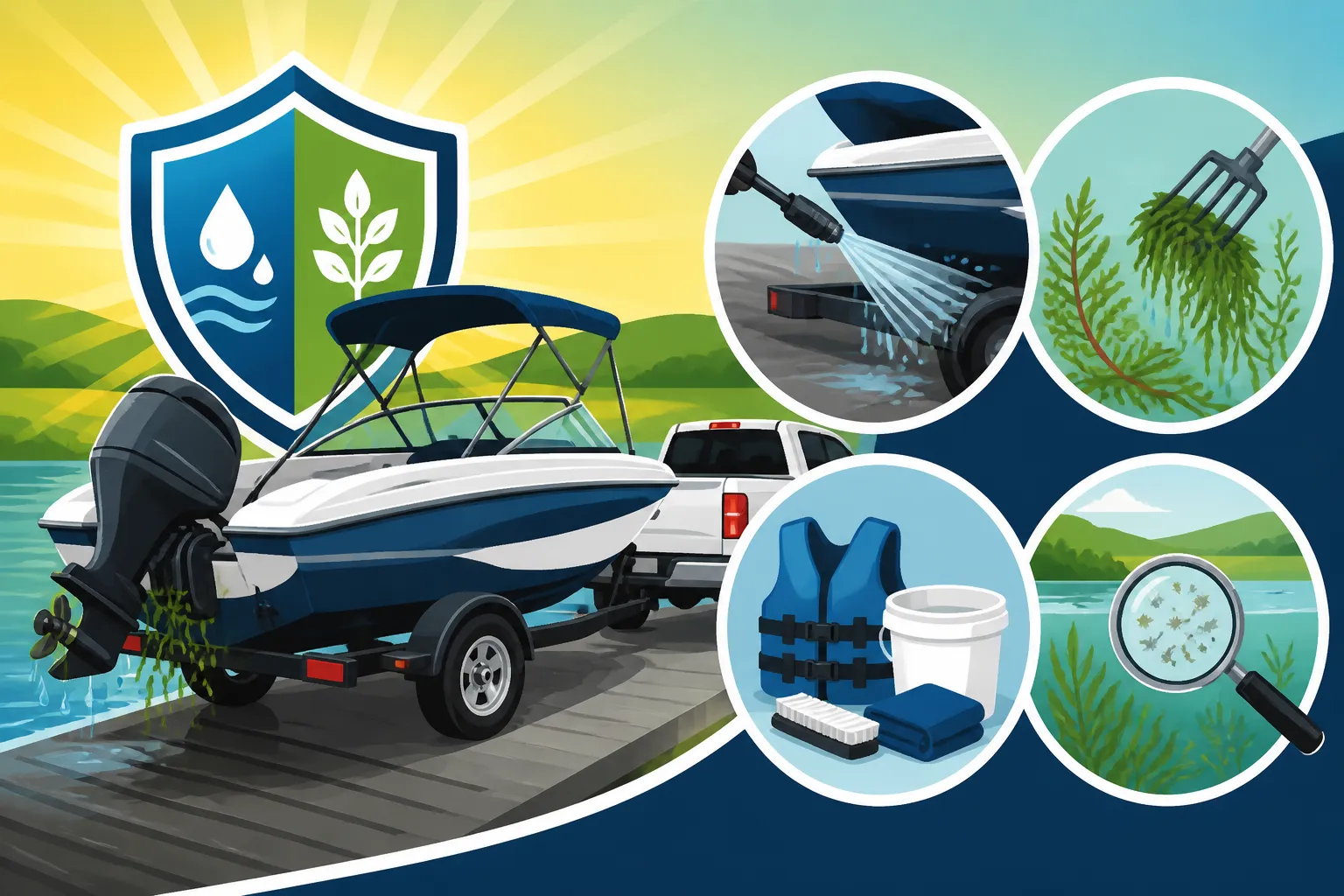
The "Clean, Drain, Dry" message is more than just a catchy phrase; it's the fundamental principle of ANS prevention for boaters. "Clean" means removing all visible aquatic plants, animals, and mud from your boat, trailer, anchor, and fishing gear. This includes checking prop guards, fishing lines, and anything else that touched the water. Even seemingly innocent fragments of weeds can carry invasive species.
"Drain" means pulling the plug and emptying all water from your boat, livewell, bilge, transom, and bait buckets before leaving the boat ramp. This removes any microscopic larvae or juvenile invasive species that might be hiding in standing water. "Dry" means allowing your boat and equipment to dry completely for at least five days, if possible, before launching in another body of water. If a full dry time isn't feasible, using a high-pressure wash or commercial decontamination station is highly recommended. These simple yet critical steps are detailed in Aquatic Nuisance Species Rules for Boaters.
Inspection Checkpoints and Their Role
North Dakota employs ANS inspection checkpoints at various locations, especially during peak boating seasons or near high-risk waters. These checkpoints are staffed by authorized personnel who are there to educate boaters and to ensure compliance with ANS regulations. They have the authority to inspect your boat, trailer, and equipment for any signs of aquatic hitchhikers. This isn't meant to be an inconvenience, but rather a vital component of the state's layered defense strategy.
Cooperating with these inspections is paramount to the success of the ANS program. These stops are a chance for professionals to catch what you might have missed, or to reinforce proper cleaning techniques. Think of them as a final line of defense before a potentially contaminated boat enters a new lake. They play a critical role in preventing the catastrophic spread of species like Zebra Mussels in North Dakota Lakes and helping to ensure the long-term health of our aquatic ecosystems.
Aquatic Nuisance Species Fee: What It Covers vs. Your Responsibilities
Here's a quick summary to help clarify the distinction between what the ANS fee funds and what remains your personal responsibility as a boater in North Dakota:
| Aspect | What the ANS Fee Covers (State Responsibility) | Your Personal Responsibility (Boater Actions) |
|---|---|---|
| Funding | Statewide prevention, detection, control programs | Paying the fee as part of boat registration |
| Infrastructure | Decontamination stations, specialized equipment | Using decontamination stations and your own cleaning tools |
| Education | Public awareness campaigns, informational materials | Learning and following "Clean, Drain, Dry" guidelines |
| Monitoring | Water quality testing, species surveillance | Inspecting your own boat, trailer, and gear thoroughly |
| Rapid Response | Containment and treatment of new infestations | Reporting suspected ANS sightings immediately |
| Regulation Enforcement | Staffing inspection checkpoints, issuing warnings/fines | Cooperating with inspections and adhering to all rules |
Disclaimer
This article is for general informational purposes only and does not constitute professional advice. Laws, prices and regulations vary by location and change over time. Consult a qualified professional for guidance on your specific situation.