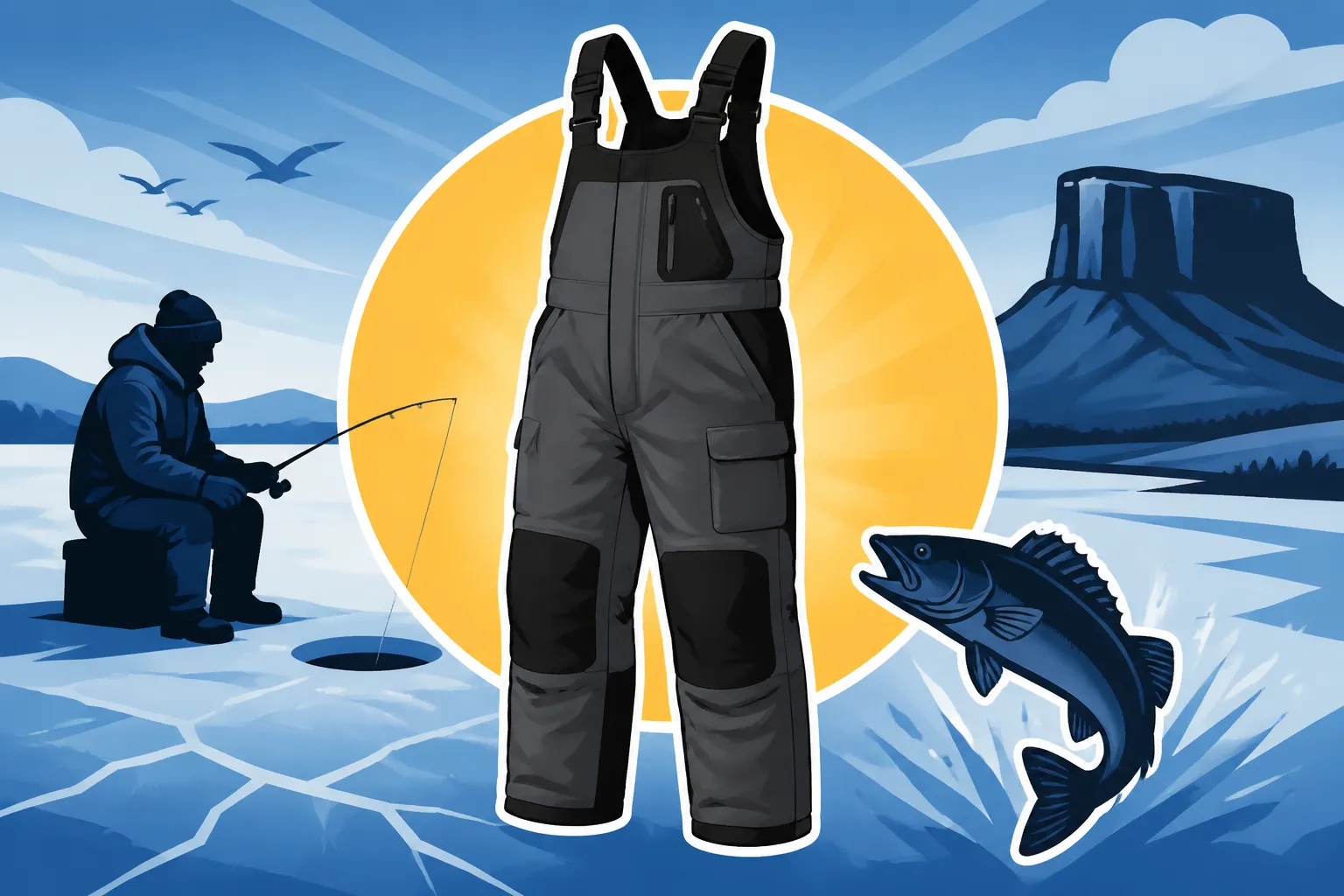
Best Insulated Bibs for Ice Fishing
When you're out on a North Dakota lake, facing down those legendary bitter winds and sub-zero temperatures, staying warm isn't just about enjoying your day; it's absolutely crucial for your safety and well-being. A common frustration for many ice anglers is getting chilled to the bone, even with layers, because their outerwear isn't truly up to the task. This guide will help you understand why insulated bibs are a game-changer for ice fishing in our state and what to look for to ensure you stay toasty, dry, and comfortable through even the longest days on the hard water.
Why Insulated Bibs are an Absolute Must for North Dakota Ice Fishing
Let's be real: North Dakota winters aren't for the faint of heart. We experience some of the most extreme cold conditions in the Lower 48, and when you add the biting wind whipping across a frozen lake, the "real feel" temperature can plummet to truly dangerous levels. Many folks try to get by with just insulated pants, or even multiple layers of regular clothing, but they often find themselves shivering uncontrollably within an hour or two. This isn't just uncomfortable; it's a serious health concern, risking hypothermia or frostbite.
Insulated bibs are designed specifically to combat these harsh realities, providing a level of protection that regular pants simply can't match. They offer full-body coverage from your chest down to your ankles, eliminating those notorious gaps where cold air loves to sneak in. Think about it: when you bend, kneel, or sit, regular jackets ride up, exposing your lower back, and even the warmest pants don't protect your core as effectively. Bibs, on the other hand, act like a continuous barrier, sealing in warmth and keeping out the wind and snow, which is exactly what you need when you're spending hours exposed to the elements.
The Problem with Insulated Pants Alone
Imagine you're out on Devils Lake, the wind is howling, and you're kneeling down to check a tip-up or scoop slush out of your hole. If you're only wearing insulated pants and a jacket, that jacket is almost certainly going to ride up, leaving a strip of your lower back exposed to the freezing air. It's a tiny breach, but it's enough to let the cold seep into your core, and once you start getting chilled there, it's a battle to get truly warm again.
Another issue is the dreaded "snow down the pants" scenario. When you're trekking through drifts, especially when going How Thick Ice Needs to Be for Ice Fishing in deep snow, or if you happen to take an unexpected tumble, snow can easily get pushed up under your jacket and into your pants. Bibs have a much higher rise, often coming up to your chest or even higher, which acts as a crucial barrier against snow intrusion. This continuous layer means your core stays protected and dry, even when you're actively moving around or dealing with unexpected conditions.
Bibs Offer Superior Core Protection
The human body prioritizes keeping your vital organs warm, so when your core gets cold, your extremities are the first to suffer as blood flow is diverted. This is why you often feel your fingers and toes getting numb long before the rest of you is truly shivering. Insulated bibs, by covering a significant portion of your torso, help maintain your core temperature far more effectively than any combination of separate pants and jackets.
This comprehensive coverage means you're creating a much more stable internal microclimate. Your body doesn't have to work as hard to stay warm, which in turn means you conserve energy, stay more comfortable, and can focus on fishing rather than fighting the cold. It’s a crucial part of layering properly, acting as a robust, insulated mid-to-outer layer that complements your base layers and jacket. If you're ever wondering What to Wear Ice Fishing in North Dakota, properly chosen insulated bibs are almost always at the top of the list for your outer layers.
Key Features to Look For in Ice Fishing Bibs
Not all insulated bibs are created equal, especially when you're preparing for the kind of cold we experience in North Dakota. It's not enough for them to just "be insulated." You need to scrutinize several features to ensure they will truly perform when the mercury plummets.
Insulation Type and Loft
The heart of any good insulated bib is, well, its insulation. You'll primarily find synthetic insulations like Thinsulate, Primaloft, or proprietary blends. These synthetic options are fantastic because they retain much of their insulating properties even when wet, unlike down which collapses and becomes useless.
- Loft and Weight: Look for a good "loft," which refers to the fluffiness of the insulation. More loft generally means more trapped air and thus more warmth. However, you don't want so much bulk that it restricts your movement. Manufacturers will often list the insulation weight in grams per square meter (e.g., 100g, 150g, 200g). For North Dakota's extreme cold, I'd personally lean towards 150g or even 200g in crucial areas like the seat and knees. You're trying to prevent How Cold It Gets Ice Fishing in North Dakota from seeping in.
- Targeted Insulation: Some premium bibs will feature varying insulation levels, with more in the seat and knees where you're often in direct contact with the cold ice or snow, and slightly less elsewhere for better mobility. This thoughtful design can make a big difference in overall comfort.
Waterproof and Windproof Membrane
You might think "it's freezing, so it's dry," but that's a common misconception. Snow can melt, slush is always wet, and you're dealing with water at the fishing hole. A waterproof and windproof outer shell is absolutely non-negotiable.
- DWR Coating: Look for bibs with a Durable Water Repellent (DWR) coating on the outer fabric. This causes water to bead up and roll off, preventing the fabric from saturating.
- Membrane Technology: Beyond a DWR, a true waterproof barrier comes from an internal membrane, often Gore-Tex or similar proprietary technologies. This membrane has microscopic pores that are too small for water droplets to pass through but large enough for water vapor (sweat) to escape, allowing for breathability. This keeps you dry from the outside elements and prevents you from getting clammy from internal moisture. Being truly windproof is equally vital to block those relentless North Dakota gusts.
Reinforced Knees and Seat
This is a detail that often gets overlooked until you've worn out a pair of bibs after just one or two seasons. Ice fishing involves a lot of kneeling, sitting, and dragging yourself around on the ice, especially if you're a mobile angler or working in and out of a Best Portable Ice Shelters for Wind.
- Abrasion Resistance: The knees and seat areas should have extra durable, abrasion-resistant fabric. Materials like Cordura or other heavy-duty nylon weaves are excellent here. They prevent premature wear and tear, which can lead to tears and allow cold or wetness to penetrate.
- Padding: Some bibs even incorporate a layer of foam padding in the knees and seat. This is a fantastic feature that provides an extra thermal barrier against the ice and significantly improves comfort during those long periods of kneeling, protecting your joints.
Flotation Assistance (Safety Feature)
While not strictly insulation, flotation assistance is a critical safety feature that many modern ice fishing bibs offer, and it's something I highly recommend considering. Falling through the ice is a real danger, especially during Early Ice Fishing Safety Tips or Late Ice Fishing Safety Tips.
- IMAX or Similar Technology: Brands like StrikerICE and Clam have incorporated technologies (like Striker's SUREFLOTE or Clam's Motion Float) that use low-density foam throughout the garment. This foam provides buoyancy if you end up in the water, giving you precious extra time to self-rescue or wait for assistance.
- Thermal Retention in Water: Beyond flotation, these foams also add an extra layer of insulation, especially when submerged, which can dramatically extend your survival time in icy water. It's an investment in your safety that’s well worth it.
Pockets, Zippers, and Adjustability
These seemingly small details can greatly impact the functionality and comfort of your bibs.
- Pocket Placement and Quantity: You need pockets that are easily accessible, even with bulky gloves, and securely close. Internal pockets for electronics, hand warmers, or your fishing license are a bonus. External pockets should be well-drained and perhaps fleece-lined for hand-warming.
- Zipper Quality: Look for heavy-duty, corrosion-resistant zippers (often YKK) that are easy to operate, even with cold fingers. Storm flaps over zippers are essential to prevent wind and water penetration. Full-length leg zippers are a godsend, allowing you to put on or take off the bibs without removing your boots.
- Adjustable Straps: Comfortable, wide, adjustable shoulder straps are key. Elasticized sections can offer a better fit and allow for layering without feeling constricted. A well-designed waist adjustment can also help fine-tune the fit.
Here's a quick comparison of key bib features:
| Feature | Why It Matters for North Dakota Ice Fishing | What to Look For |
|---|---|---|
| Insulation | Essential for warmth in sub-zero temps; prevents heat loss. | Synthetic (e.g., Thinsulate, Primaloft), 150g-200g in key areas. |
| Waterproof/Windproof | Keeps you dry from slush/snow melt and blocks biting winds. | DWR coating, waterproof/breathable membrane (e.g., Gore-Tex). |
| Reinforced Knees/Seat | Prevents wear from kneeling/sitting on ice; adds thermal barrier. | Heavy-duty fabric (Cordura), optional padding. |
| Flotation Assistance | Critical safety feature in case of ice break-through; adds insulation. | Integrated low-density foam (e.g., SUREFLOTE, Motion Float). |
| Zippers/Pockets | Easy access to gear, prevents cold/wetness entry, allows for ventilation. | Heavy-duty, storm-flapped zippers; accessible, secure pockets. |
| Adjustability | Ensures a comfortable, snug fit over layers; doesn't restrict movement. | Wide, adjustable shoulder straps; waist adjustment. |
Choosing the Right Bibs for Your Ice Fishing Style
Just like there are different ways to fish, there are different ways to ice fish, and your approach can influence the best bib choice for you. Whether you're a hard-core run-and-gun angler or prefer the comforts of a heated shelter, there's a pair of bibs out there that fits your needs.
The Mobile Angler's Choice: Balancing Warmth and Mobility
If you're the kind of angler who's always on the move – drilling dozens of holes, chasing perch on Devils Lake, or hopping between walleye spots on Lake Sakakawea – you need bibs that offer excellent warmth without sacrificing too much mobility. Overly bulky bibs can make walking, kneeling, and working an auger feel like a struggle.
- Lighter Insulation, Strategic Placement: You might opt for bibs with slightly less overall insulation (e.g., 150g throughout) but perhaps with more strategic reinforcement or insulation in high-contact areas. The key here is breathability. You're generating more body heat, so the ability for moisture vapor to escape is crucial to prevent overheating and then chilling.
- Articulated Knees: Look for bibs with "articulated" knees. This means the fabric is cut and sewn in a way that allows for natural bending without resistance, making it much easier to move freely.
- Integrated Flotation: For mobile anglers, the added safety of flotation assistance is especially valuable since you're often exploring new ice or venturing further out. Many reputable brands found at places like Bass Pro Shops offer excellent options with this feature.
The Stationary Angler's Haven: Maximizing Warmth and Comfort
If your ice fishing setup involves a heated Best Ice Fishing Shelters for North Dakota, a permanent fish house, or you simply prefer to hunker down in one spot for the day, your priority shifts slightly towards maximum warmth and comfort. Mobility isn't as much of a concern, so you can afford a bit more bulk for increased thermal protection.
- Heavier Insulation: Here, bibs with higher insulation ratings (200g or more) are your friend. You're not moving as much to generate body heat, so the bibs need to do more of the work.
- Generous Fit for Layers: Ensure the bibs have a generous fit that allows you to comfortably wear multiple How to Layer Clothing for Ice Fishing underneath without feeling constricted. You might even want to size up if you plan on heavy layering.
- Waterproof/Reinforced Seat: A heavily reinforced and waterproof seat is especially important if you're often sitting on cold benches or directly on the ice, even inside a shelter. The extra padding can also be a huge comfort factor on long days.
Specific Considerations for North Dakota Conditions
Our unpredictable weather means you need gear that's ready for anything.
- Wind Resistance: No matter your fishing style, superior wind resistance is paramount. North Dakota winds can cut right through inadequate fabric, nullifying any insulation. A good windproof membrane will make all the difference.
- Tall Sizes: If you're a taller angler, look for brands that offer "tall" sizes. Bibs that are too short in the torso or legs will pull uncomfortably and expose areas to the cold.
- Matching with a Jacket: Consider purchasing a matching jacket and bibs set. These are often designed to integrate seamlessly, with overlapping areas and compatible zippers or closures, creating a superior full-body system. This kind of specialized gear is often available through large online retailers like Amazon, offering a wide selection to compare.
Maintaining Your Insulated Bibs for Longevity
Investing in a quality pair of insulated bibs for North Dakota ice fishing is a smart move, but to make sure they last you for many seasons to come, proper care and maintenance are essential. Neglecting your gear can quickly degrade its performance, leading to lost warmth and water resistance.
Proper Cleaning Techniques
It might be tempting to just throw your bibs in with the regular laundry, but that's a recipe for disaster. Harsh detergents and high heat can damage the waterproof membrane, break down the insulation, and strip away the DWR coating.
- Gentle Cycle and Specific Detergents: Always check the manufacturer's care label first. Typically, you'll want to wash your bibs on a gentle cycle in cold or lukewarm water. Use a technical wash designed for waterproof outerwear (often available where you buy fishing gear or outdoor clothing) or a mild, non-detergent soap. Avoid fabric softeners, bleach, and stain removers.
- Pre-Treat Stains: For stubborn stains like fish slime or mud, pre-treat them gently with a soft brush and a small amount of the technical wash before putting the bibs in the machine.
- Close Zippers and Fasteners: Before washing, close all zippers, Velcro fasteners, and snaps. This prevents them from snagging or damaging the fabric during the wash cycle.
Drying and Storage
How you dry and store your bibs is just as important as how you wash them. Improper drying can compress insulation or damage waterproof coatings.
- Air Drying is Best: The safest way to dry insulated bibs is to hang them in a well-ventilated area, away from direct sunlight or heat sources. This allows the insulation to maintain its loft and prevents damage to the outer fabrics and membranes. This is especially true for the kind of heavy-duty material you want in a pair of Best Insulated Bibs for Ice Fishing.
- Low Heat Tumble Dry (If Recommended): If the care label permits, some bibs can be tumble-dried on a very low heat or "no heat" setting. Adding a few clean tennis balls to the dryer can help fluff up the insulation and restore its loft. Be cautious with heat, as it can delaminate waterproof membranes over time.
- Reactivating DWR: After drying, some manufacturers recommend a brief, low-heat tumble dry (if allowed) or gently ironing the bibs on a low setting without steam, placing a towel between the iron and the fabric. This can help reactivate the DWR coating. If the DWR is no longer effective, you can purchase spray-on or wash-in DWR treatments.
- Storage: Store your bibs clean and completely dry in a cool, dark, well-ventilated space. Avoid compressing them heavily, as this can break down the insulation over time and reduce its effectiveness. Hang them if possible, or loosely fold them in a storage bag. This is similar to how you'd treat your Best Cold Weather Boots for Ice Fishing or Best Ice Fishing Shelters for North Dakota – keep them dry and allow them to breathe.
By taking these steps, your insulated bibs will not only keep you warm and dry during countless North Dakota ice fishing adventures but also serve you faithfully for many seasons to come. It’s all part of ensuring your Essential Gear Checklist for North Dakota Fishing is ready when you are.
Disclaimer
This article is for general informational purposes only and does not constitute professional advice. Laws, prices and regulations vary by location and change over time. Consult a qualified professional for guidance on your specific situation.