Best Spinner Rig for Walleye Trolling
There's nothing quite as frustrating as spending a beautiful day on the water in North Dakota, trolling your heart out for walleye, only to come back with an empty livewell while others are reporting limits. Often, the difference isn't the lake itself, but the subtle nuances of your presentation. This guide is all about equipping you with the knowledge to master the spinner rig for walleye trolling, turning those slow days into memorable ones on North Dakota's fantastic waters.
Understanding the Appeal of Spinner Rigs for North Dakota Walleye
Spinner rigs have earned their place as a perennial favorite among walleye anglers, and for good reason, especially when you're tackling the vast and varied waters of North Dakota. It's not just about throwing some bait in the water; it's about a dynamic presentation that appeals to a walleye's predatory instincts. When those picky walleye are holding tight to structure or scattered across flats, a spinner rig can be your secret weapon.
Think about it: North Dakota lakes like Lake Sakakawea or Devils Lake are massive and offer incredibly diverse habitats. Walleye might be shallow in the weeds one day, then deep on a sharp break the next. A spinner rig offers the versatility to cover water effectively, whether you're slowly crawling over a rocky bottom with a bottom bouncer or searching for suspended fish in open water. The flash and vibration from the spinning blade, combined with the scent and appeal of live bait, create an irresistible combination. It’s a presentation that screams "easy meal" to a walleye, making it incredibly effective when you're trying to coax a bite from finicky fish or cover a lot of ground to locate active schools. This adaptability is precisely why so many seasoned anglers consider it a cornerstone of their walleye tackle box. If you're looking for a comprehensive overview of how to target these prized fish, check out our North Dakota Walleye Fishing Guide.
Why Spinner Rigs Excel in Diverse Conditions
What makes a spinner rig truly shine is its ability to adapt to almost any condition you'll encounter on a North Dakota fishing trip. Sunny and clear? The flash of a silver blade can mimic a fleeing baitfish perfectly. Overcast and stained water? A brightly colored or UV blade will provide the visual pop needed to get noticed. Windy and choppy? The action of the boat can impart even more erratic movement to your rig, making it appear more lifelike.
Unlike a crankbait which has a set diving depth and action, a spinner rig's depth is entirely dictated by your weighting system and trolling speed, giving you incredible control. This means you can precisely target fish holding at 15 feet over a 20-foot flat, or tick the tops of submerged weeds without getting constantly snagged. This precision is invaluable on places like Lake Oahe or the Missouri River, where subtle depth changes can hold entire schools of walleye. When you're dealing with varying depths and structures, the ability to quickly adjust your presentation without retying completely is a huge advantage, allowing you to stay in the strike zone longer and increase your chances of hooking up.
When and Where to Deploy Your Spinner Rigs in North Dakota
Spinner rigs are effective throughout the open water season in North Dakota, but they truly come into their own during late spring, summer, and fall. As water temperatures rise, walleye become more active and willing to chase, and the vibrant action of a spinner rig is often too much for them to resist. You'll find them particularly effective in these scenarios:
- Summer Patterns: When walleye move out to deeper main lake structures, offshore humps, and points. Trolling spinner rigs with bottom bouncers allows you to hug the contours and present bait directly to fish holding tight to the bottom. This is a classic tactic on the sprawling waters of Lake Sakakawea Walleye Fishing Spots.
- Weed Line Edges: As weeds grow taller, walleye often patrol their edges, using them for ambush points. A spinner rig run just outside or over the top of the weed line can entice these lurking fish.
- Transition Areas: Early spring and late fall, as walleye move between spawning grounds and deeper feeding areas, spinner rigs can be excellent for covering these transition zones. For a broader understanding of seasonal fish movements, consult our North Dakota Fishing Season Calendar.
- Stained or Murky Water: On lakes like Devils Lake, where the water can be stained, the added vibration and flash from a spinner blade, coupled with the scent of live bait, helps walleye locate your offering even when visibility is low. If you're looking to explore specific areas on this incredible lake, our Devils Lake Walleye Fishing Spots guide is a must-read.
Essential Components of a Top-Tier Walleye Spinner Rig
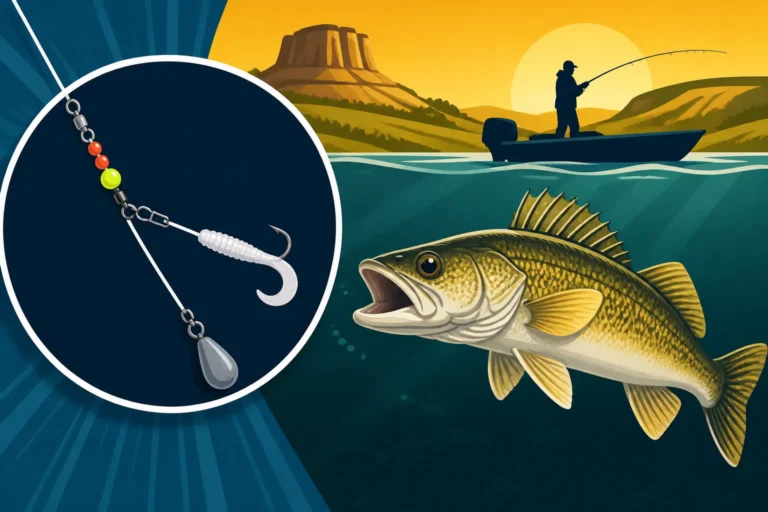
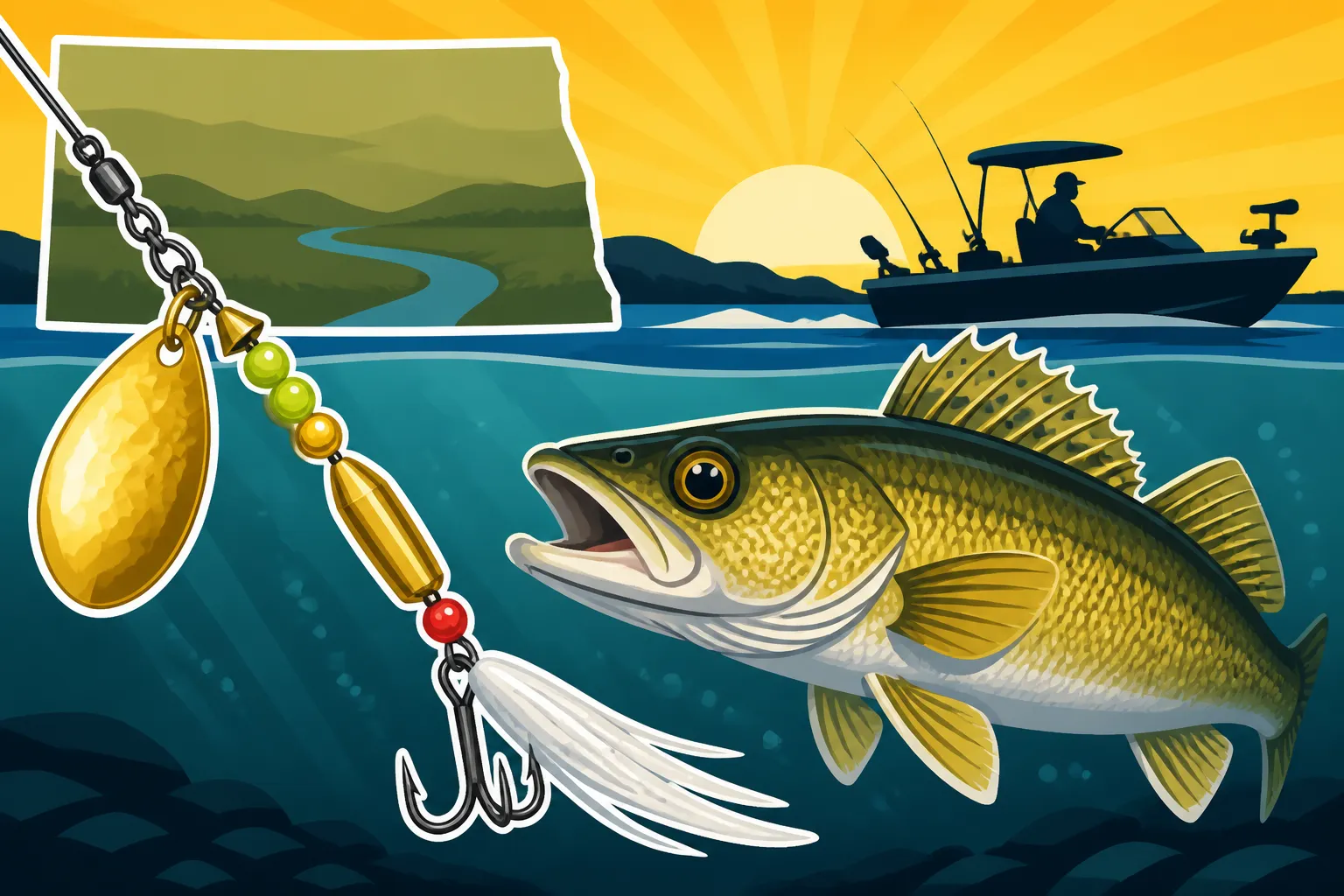
Building the perfect spinner rig isn't about throwing a bunch of random components together; it's about understanding how each piece contributes to the overall presentation. A well-constructed rig will swim true, attract fish, and stand up to the battle of landing a feisty walleye. Let's break down the critical elements.
The Blade: Size, Shape, and Color Choices
The blade is arguably the most important part of your spinner rig, as it's responsible for the flash and vibration that grabs a walleye's attention. Getting this right can make all the difference.
Blade Types and Their Actions
There are three main blade shapes you'll encounter, each with its own unique action:
- Colorado Blades: These are wide and round, offering the most resistance in the water. This means they spin easily at very slow speeds and create a lot of thump and vibration. They're excellent for slow trolling, especially when walleye are sluggish or in stained water where vibration is key. The wide profile also creates more lift, which can be useful when you want your bait to ride a bit higher off the bottom.
- Indiana Blades: A hybrid between the Colorado and Willowleaf, Indiana blades are oval-shaped. They offer a good balance of flash and vibration, requiring a medium retrieve or trolling speed to get spinning. They're a versatile choice for many situations, providing decent thump but also more flash than a Colorado at higher speeds.
- Willowleaf Blades: Long and slender, Willowleaf blades offer the least resistance. They require faster speeds to spin but produce a lot of flash and minimal vibration. These are ideal for faster trolling presentations, clear water conditions where visual appeal is paramount, or when you want your rig to dive deeper without adding excessive weight. They cut through the water efficiently, making them less prone to tangles.
Blade Sizes for Different Conditions
Blade size matters a lot. Generally, you'll see sizes ranging from #2 to #6.
- Smaller Blades (#2-#3): Great for clear water, targeting smaller walleye, or when fish are being finicky. They offer a more subtle presentation.
- Medium Blades (#4-#5): Your workhorse sizes. These are versatile and effective in most conditions, providing a good balance of flash and vibration without being overpowering. They're a solid starting point for a wide range of trolling speeds.
- Larger Blades (#6): Best for stained water, targeting larger walleye, or when you want to make a bold statement. They create maximum flash and vibration, drawing fish from a distance, but might require a slightly faster speed to get them spinning effectively.
Color Considerations
Blade color can be incredibly important and often depends on water clarity and light conditions.
- Clear Water: Natural colors like silver, gold, copper, or subtle patterns that imitate baitfish (e.g., perch, minnow patterns) often work best. UV finishes can also add a subtle glow.
- Stained/Murky Water: Brighter, more aggressive colors tend to be more effective. Chartreuse, orange, hot pink, or combinations with metallic bases (e.g., chartreuse/silver, orange/gold) provide better visibility. Some anglers swear by glow-in-the-dark blades for extremely low light or deep water conditions.
- Overcast/Low Light: Bright, reflective colors like chrome, gold, or even fluorescent colors can be very effective in helping fish locate your bait.
- Sunny/Bright: More subdued, natural patterns or matte finishes can be better to avoid spooking fish with excessive glare.
You can find a massive selection of blades and pre-tied rigs at places like Bass Pro Shops or online at Amazon, giving you plenty of options to experiment with.
Bead Selection and Spacing
Beads aren't just for decoration; they play a crucial role in creating separation between your hook and blade, allowing the blade to spin freely. They also add visual attraction and a subtle rattling sound.
The Role of Beads
- Blade Rotation: Beads act as spacers, ensuring the blade doesn't rub against the knot or your bait, allowing for smooth, unobstructed spinning. Without them, your blade would likely foul.
- Attraction: Many beads are brightly colored or feature reflective properties, adding another visual element to the rig. Some even have internal rattles, providing an auditory cue for walleye in stained water.
- Knot Protection: They can help protect your knot from abrasion against the spinning blade.
Color and Material Considerations
Just like blades, bead colors can be matched to water conditions or chosen to create contrast.
- Colors: Often, anglers match bead colors to the blade, or use contrasting colors to create a "hot spot" (e.g., a chartreuse bead near a silver blade). Red beads are a classic choice, often mimicking gills or injured baitfish.
- Materials: Plastic beads are most common, lightweight and affordable. Glass beads offer a different sound and feel in the water, sometimes triggering more bites. There are also UV-reactive and glow-in-the-dark options for added appeal. Typically, 3-5 beads are used between the clevis (which holds the blade) and the hook eye.
Hook Configuration and Leader Material
The business end of your spinner rig – the hooks and leader – must be strong and sharp. This is where the fish meets the fisherman, and a poor setup here can lead to lost fish.
Single vs. Tandem Hooks for Live Bait
- Tandem Hooks: This is the most common and effective setup for live bait, especially nightcrawlers and leeches. Two hooks, typically size #4 or #2, ensure that no matter how the walleye grabs the bait, there's a good chance of a solid hookset. For nightcrawlers, one hook goes through the nose, the other about halfway down the body. For leeches, one through the sucker, the other near the tail.
- Single Hooks: Less common, but can be used for minnows, especially when threading them on. However, tandem hooks generally provide a better hook-up ratio for most live bait presentations. For a deeper dive into bait choices, read our guide on Best Live Bait for North Dakota Walleye.
Hook Sizes
Hook size should correspond to your bait size. For most walleye applications, #4 or #2 Octopus style hooks (baitholder hooks work too, but Octopus are popular) are perfect. They are strong, sharp, and have a wide gap to accommodate bait and ensure a good hookset. Don't skimp on hook quality! Sharp hooks are paramount.
Leader Length and Material
The leader connects your hooks and beads to your main line (via a swivel).
- Leader Length: This is highly variable, but typically ranges from 36 inches to 72 inches.
- Shorter Leaders (36-48 inches): Provide more direct control over your bait, useful in turbulent water or when fish are aggressive. Also less prone to tangles.
- Longer Leaders (50-72+ inches): Offer a more natural, subtle presentation, especially in clear water or when fish are skittish. The extra distance between the weight and the bait makes it seem like the bait is swimming freely. On vast bodies of water like Lake Sakakawea, longer leaders can often pay off.
- Leader Material:
- Fluorocarbon: Nearly invisible underwater, very abrasion resistant, and has low stretch. This is an excellent choice for clear water conditions and around rocky structure where invisibility and toughness are key. It's often the preferred choice for serious walleye anglers.
- Monofilament: More visible but has more stretch and is more forgiving when a fish strikes. It's also less expensive. Good for stained water or when a little extra stretch in your line is desired. Generally, 10-15 pound test is suitable for leaders.
Connecting to Your Main Line: Swivels and Weights
The transition from your main line to the spinner rig is crucial. A good swivel prevents line twist, and the right weight ensures your bait is presented at the correct depth.
Different Weighting Options
- Bottom Bouncers: These are the most popular choice for trolling spinner rigs, especially when targeting walleye on the bottom or near structure. They consist of a lead weight on a wire arm, designed to "bounce" along the bottom without snagging. They come in various weights (½ oz to 3 oz+), and you select based on depth and current. A good rule of thumb is to use 1 ounce of weight for every 10 feet of depth, but current and speed will influence this.
- Snap Weights: Used for open water trolling where you want to present your spinner rig at a specific depth without a bottom bouncer. These clip directly onto your main line, allowing your rig to sink. Different sizes and lengths of line out will determine depth.
- In-Line Weights: Less common with spinner rigs, but can be used. These are torpedo-shaped weights that are tied directly into your main line, with your leader then tied to the end of the weight.
- Trolling Sinkers: These are essentially large lead weights, sometimes with fins, that are tied to your main line to get your bait down. They are often used in deeper water or strong currents, particularly on large rivers like the Missouri.
Importance of Quality Swivels
A quality ball-bearing swivel (size 10-14) is non-negotiable when trolling spinner rigs. The spinning blade will inevitably twist your line, and a good swivel mitigates this, preventing frustrating tangles and weakened line. Tie your main line to one end of the swivel and your spinner rig leader to the other. Many anglers also use a snap swivel on the weight end for quick changes.
| Blade Type | Shape | Action | Best Use Cases |
|---|---|---|---|
| Colorado | Round, wide | Maximum thump, spins at slow speeds | Slow trolling, stained water, targeting sluggish fish, generating lift |
| Indiana | Oval | Balanced flash & vibration | Medium trolling speeds, versatile for various conditions, good all-rounder |
| Willowleaf | Long, slender | Maximum flash, minimal vibration | Faster trolling, clear water, deeper presentations, less snagging prone |
Trolling Techniques for Spinner Rigs in North Dakota's Diverse Waters
Now that you've got your spinner rigs assembled, it's time to put them to work. Trolling is where these rigs truly shine, allowing you to cover vast amounts of water and present your bait to active walleye.
Matching Speed and Depth to Conditions
The art of spinner rig trolling lies in precisely controlling your speed and depth to keep your bait in the strike zone. This isn't a "set it and forget it" operation.
How Speed Affects Blade Rotation and Depth
- Slower Speeds (0.8 – 1.2 mph): Ideal for Colorado blades, cold water, or when walleye are lethargic. Slower speeds keep your bait higher off the bottom with bottom bouncers and allow for a more subtle presentation. With snap weights, slower speeds will keep your bait shallower for a given amount of line out.
- Medium Speeds (1.3 – 1.8 mph): A good all-around speed for most conditions and blade types (Indiana excels here). It allows for good blade rotation and covers water efficiently.
- Faster Speeds (1.9 – 2.5+ mph): Best for Willowleaf blades, warm water, aggressive walleye, or when you need to cover a lot of ground quickly. Faster speeds will drive your bottom bouncer deeper and generally cause snap weights to run shallower. Experimentation is key; let the fish tell you what they prefer on any given day.
Reading Your Electronics to Find Fish and Structure
Your fish finder is your best friend when trolling spinner rigs. It’s not just for seeing fish; it’s for understanding the bottom composition, depth, and structure. Look for humps, drop-offs, submerged points, and transitions between hard and soft bottom. Walleye often congregate on these features. Use your GPS to mark waypoints when you get a bite, helping you replicate successful passes. Knowing Best Fish Finder Settings for Walleye can significantly improve your success rate. Pay attention to baitfish schools; walleye are never far behind.
Live Bait vs. Artificial Alternatives
While spinner rigs are traditionally associated with live bait, there are situations where artificial alternatives can be just as, if not more, effective.
Pros and Cons of Live Bait
- Pros: The natural scent, taste, and action of live bait (nightcrawlers, leeches, minnows) are often irresistible to walleye. They can be particularly effective when fish are finicky.
- Cons: Live bait can be messy, requires proper storage (like a good live bait cooler), and is susceptible to being picked off by smaller fish. You also have to rebait frequently, which takes time away from fishing.
- Tips: Hook nightcrawlers and leeches to allow for natural movement. For minnows, hook through the lips or just behind the dorsal fin to keep them lively. On days when the walleye are really pounding, you might go through a lot of bait.
When to Consider Soft Plastics on a Spinner Rig
Artificial baits have come a long way and can be a fantastic alternative to live bait on a spinner rig.
- Durability: Soft plastics (e.g., Berkley Gulp! Alive! minnows or worms, Yamamoto Senkos cut down) are much more durable than live bait, allowing for more fishing time between re-baits. This is especially useful when the bite is hot, or when targeting aggressive fish.
- Scent and Action: Many artificials are infused with powerful scents that mimic live bait. The action, especially when combined with a spinning blade, can be incredibly enticing.
- Specific Situations: When there are a lot of bait-stealing panfish, artificials can save you a lot of frustration. They also shine when you want to troll at faster speeds where live bait might get mangled.
Bottom Bouncing and Other Weighting Systems
Getting your spinner rig into the walleye's zone is paramount. Different weighting systems offer different advantages.
Detailed Explanation of Bottom Bouncers
Bottom bouncers are designed to keep your bait just off the bottom while avoiding snags. The "L" shaped wire arm glides over rocks, snags, and even weeds, protecting your line and bait.
- How to Use Them: Let your bottom bouncer down until you feel it hit the bottom, then engage your reel. Maintain light contact with the bottom, occasionally feeling it "bounce." If you lose bottom contact for too long, let out more line. If you're constantly snagging, reel in a little.
- Different Styles: There are various head shapes (canoe, bullet, walking stick), but most work similarly. Experiment to see which style handles your lake's bottom best.
- Weight Selection: As mentioned, 1 ounce per 10 feet of depth is a general guideline, but if you're trolling faster or in strong current (like on the Missouri River), you'll need heavier bouncers (2-3 oz or more) to maintain bottom contact. Conversely, in very shallow water or calm conditions, lighter bouncers (½ – ¾ oz) suffice.
Snap Weights for Open Water Trolling
When walleye are suspended in open water or over deep flats, snap weights are excellent. These devices clip onto your main line, allowing you to get your spinner rig down to a specific depth without a bulky bottom bouncer. Different sizes of weights (1 oz, 2 oz, 3 oz) combined with varying amounts of line out (measured with a line counter reel) will help you dial in the depth. The "50/50 rule" (50 feet of line out, clip on a weight, then let out another 50 feet) is a common starting point, but specialized dive curves are available. For tips on minimizing snags, check out How to Troll Crankbaits Without Snagging Bottom.
Tips for Keeping Your Rig in the Strike Zone
- Maintain Angle: Keep your line at a consistent 45-degree angle to the water's surface for optimal bottom bouncer performance.
- Line Counter Reels: These are incredibly useful for replicating successful presentations. They let you know exactly how much line you have out, helping you stay at the right depth and return to productive spots.
- Vary Speeds: Don't be afraid to make subtle turns or momentary speed changes. This can cause your spinner rig to rise and fall, often triggering strikes from following fish.
- Feel the Bottom: With bottom bouncers, it's all about feeling. If you can't feel the bottom, you're not fishing effectively. Adjust weight or speed until you achieve that consistent "bounce."
Customizing Your Spinner Rigs for Specific North Dakota Scenarios
North Dakota's fishing landscapes are incredibly diverse, from the vastness of Lake Sakakawea to the flooded timber of Devils Lake and the strong currents of the Missouri River. Optimizing your spinner rig for each environment can dramatically boost your success.
Rigging for Lake Sakakawea's Big Water
Lake Sakakawea is a true gem, but its sheer size and sometimes unpredictable nature demand specific rigging considerations. The water can often be quite clear in many areas, and the walleye here can grow to impressive sizes.
When you're out on Sakakawea, especially in areas like the Van Hook Arm or Deepwater Bay, you'll want to think about longer leaders, often in the 60-72 inch range, made of fluorocarbon. This helps present your live bait or artificial offerings as naturally as possible in the clear water, giving wary walleye less reason to shy away from your main line. For blades, go with natural patterns like silver, gold, or perch-colored Willowleaf or Indiana blades. These provide plenty of flash for visibility in the vast expanse without being overly aggressive. You might find that a larger #4 or #5 blade works well here to attract attention from larger walleye.
For weighting, don't be afraid to go with heavier bottom bouncers (2-3 oz) if you're fishing deeper humps or points, especially when the wind picks up and you're battling wave action. These heavier weights help maintain bottom contact and keep your bait stable. If you're targeting suspended walleye, snap weights are essential for reaching those precise depths. A sturdy rod around 7' to 7'6" with a medium-heavy action is ideal for handling the heavier weights and powerful fish in this big water. For more specific insights into this magnificent fishery, check out our Lake Sakakawea Fishing Guide for North Dakota Anglers.
Adapting for Devils Lake's Structure and Stained Water
Devils Lake presents a completely different challenge and opportunity. Known for its incredible walleye and perch fishery, it's characterized by flooded timber, submerged roads, and often stained or murky water.
Given the stained water, visibility is often low, so you need your rig to stand out. Brighter, more aggressive blade colors like chartreuse, orange, hot pink, or combinations with metallic finishes (e.g., chartreuse/gold) really shine here. Colorado blades are often a prime choice because their wide profile generates maximum thumping vibration, which walleye can feel in low visibility. A #3 or #4 Colorado blade is a great starting point.
Because of the abundant structure, shorter leaders (36-48 inches) are often preferred. This gives you more control over your bait and reduces the chances of snagging on flooded trees or brush. Using fluorocarbon leaders is still a good idea for abrasion resistance against structure, even if invisibility isn't as critical. Bottom bouncers are the go-to weight here, as they're designed to navigate over uneven terrain. You'll want to experiment with different weights (1-2 oz) to find what works best for the depth and density of the structure you're fishing. Trolling just outside of flooded timber lines or along submerged roadbeds can be incredibly productive. Our Devils Lake Fishing Guide for North Dakota Anglers offers even more strategies for this unique fishery.
Spinner Rigs for Missouri River Current
Fishing the Missouri River, especially below Garrison Dam, is a unique experience altogether. The current is a major factor, and you need to rig accordingly to keep your bait natural and in the strike zone.
The key to fishing current is often heavier weights. You'll typically need bottom bouncers in the 2-4 oz range, sometimes even heavier, depending on the speed of the current and the depth you're targeting. The goal is to just tick the bottom, not drag it. Willowleaf blades can be effective here if you're trolling with the current, as they provide flash at higher speeds without creating too much lift against the flow. However, Colorado blades can also work well if you're trying to fish slower or across the current, as their strong vibration can cut through the noise.
Leader length in current is crucial for a natural presentation. Often, a slightly longer leader (5-6 feet) can allow your bait to waft and drift more naturally behind the bottom bouncer, mimicking an injured baitfish. Use strong, abrasion-resistant fluorocarbon leader material (12-15 lb test) to stand up to the current and any underwater snags. Pay close attention to current seams and eddy lines; these are prime ambush points for walleye. Our Missouri River Fishing Below Garrison Dam in North Dakota guide provides extensive details on conquering these powerful waters.
Maintenance, Storage, and Common Mistakes to Avoid
Even the best spinner rig is only as good as its condition and the angler wielding it. A little care and attention to detail go a long way in ensuring your rigs perform optimally and prevent frustrating issues on the water.
Keeping Your Rigs in Top Shape
Proper maintenance extends the life of your rigs and saves you money and headaches in the long run. After each fishing trip, especially if you've been in murky or silty water, give your rigs a quick once-over.
Checking Knots and Sharpening Hooks
Before every outing, take a moment to inspect all knots on your spinner rigs. Look for any fraying, nicks, or signs of weakness. If a knot looks suspect, cut it and re-tie it. It’s far better to spend a minute re-tying a knot on shore than to lose a trophy walleye due to a faulty connection. Similarly, check your hooks. Walleye have bony mouths, and hooks can dull quickly after a few fish or if they've dragged along the bottom. Use a small hook sharpener to ensure your points are needle-sharp. A dull hook can mean the difference between a solid hookset and a missed fish. Carry extra hooks and replace any that are bent or severely dull.
Proper Storage
Once you're done fishing, don't just toss your rigs into a tangled mess. Invest in small plastic tackle boxes or specialized spinner rig organizers. These cases have individual compartments or foam inserts that keep your rigs neatly separated, preventing tangles and protecting the blades and hooks. Storing them properly also means they'll be ready to go for your next trip, rather than spending precious fishing time untangling a knotted mess. Keep your rigs out of direct sunlight and in a cool, dry place to prevent degradation of line and corrosion of metal components.
Troubleshooting Common Trolling Issues
Even experienced anglers encounter issues, but knowing how to troubleshoot them quickly can save your fishing day.
Line Twist and Tangles
Line twist is the arch-nemesis of spinner rig anglers. While good swivels help, sometimes it still happens, especially with certain blade types or if your rig fouls.
- Prevention: Always use a high-quality ball-bearing swivel between your main line and the leader. Ensure your blades are spinning freely and not getting tangled on the hook during deployment. If you notice persistent line twist, slow down your trolling speed slightly or switch to a blade type that generates less resistance.
- Solution: If you develop severe line twist, cut your rig off, let out a long section of your main line (without any terminal tackle), and let it trail behind the boat for a few minutes. The drag of the water will often untwist the line. Then, re-tie your rig with fresh line.
Not Getting Bites
This is the ultimate frustration. You're trolling, doing everything right, but nothing's hitting. Don't give up!
- Change Speed: First, experiment with your trolling speed. Subtle changes can make a big difference. Speed up, slow down, make some S-turns.
- Change Depth: Are you sure you're at the right depth? Walleye can be incredibly depth-sensitive. Adjust your bottom bouncer weight, let out more line, or reel some in. Check your fish finder again for any new depth contours or suspended fish.
- Change Color/Blade: If speed and depth aren't working, switch out your blade color or even the blade type. Sometimes a subtle change from a bright chartreuse to a natural silver is all it takes.
- Change Bait: If using live bait, is it fresh and lively? If using artificial, try a different scent or color. Sometimes, even the presentation of the bait needs adjusting – try a fuller nightcrawler versus a half one.
Learning from Experience: Adapting on the Water
The best anglers are perpetual students of the water. Every fishing trip is a learning opportunity.
Don't Be Afraid to Change Colors, Speeds, or Depths
Walleye behavior can change by the hour, influenced by weather, light, wind, and pressure. What worked yesterday or even an hour ago might not work now. Be willing to experiment. If you're not getting bites, don't stick with a failing strategy. Swap out blades, change bead patterns, adjust your leader length, experiment with different weights, and vary your trolling speed. Pay attention to any small changes that trigger a bite and try to replicate it. Remember that a change in Best Time of Day to Catch Walleye or even barometric pressure can impact activity.
Keep a Fishing Log
This might sound old-school, but it's incredibly effective. Jot down details about your successful trips: location, time of day, water temperature, weather conditions (wind, clouds, sun), lure color/type, depth, speed, and what bait worked. Over time, you'll start to see patterns emerge, which can inform your decisions on future trips. This data becomes invaluable, especially when you're targeting specific areas like best fishing lakes in North Dakota and trying to decipher their unique walleye patterns.
By understanding the components of a great spinner rig, mastering the art of trolling, and constantly adapting to the conditions, you'll be well on your way to consistent walleye success in North Dakota. Tight lines!
Disclaimer
This article is for general informational purposes only and does not constitute professional advice. Laws, prices and regulations vary by location and change over time. Consult a qualified professional for guidance on your specific situation.