Best Bait Bucket With an Aerator
There's nothing quite as frustrating as heading out for a prime day of North Dakota fishing, ready to tempt those walleye or northern pike with lively minnows, only to find your bait bucket filled with sluggish, dying offerings. We've all been there – the sun beats down, the water in your bucket warms up, and before you know it, your carefully chosen bait is gasping for air, rendering it far less effective. This guide is here to walk you through everything you need to know about selecting the best bait bucket with an aerator, ensuring your bait stays vibrant and irresistible, no matter how long your fishing adventure lasts on our beautiful North Dakota waters.
Why a Quality Bait Bucket with an Aerator is Non-Negotiable for North Dakota Anglers
Fishing in North Dakota, whether it's the sprawling waters of Lake Sakakawea, the fertile depths of Devils Lake, or the winding currents of the Missouri River, often means long hours on the water. Our conditions can be tough, from scorching summer days to crisp autumn mornings, and throughout the varied seasons, the health of your bait is paramount. A simple bucket just won't cut it if you're serious about your catch.
The Struggle of Keeping Bait Alive in North Dakota's Conditions
Imagine you're out on the lake, the walleye are biting, and you've got a bucket full of plump shiners or lively fatheads. You're constantly reaching in, and each time, the water warms a little, the oxygen depletes a little more, and the fish waste builds up. Before long, your once-energetic bait is lethargic, swimming listlessly, or worse, belly-up. This isn't just an inconvenience; it significantly impacts your success rate. Fish are naturally attracted to vibrant, active prey, and a dying minnow simply doesn't have the same allure.
During a hot North Dakota summer, the sun can quickly heat the water in an uninsulated bucket, drastically reducing oxygen levels. Even in cooler weather, a sealed bucket will still see oxygen levels drop as bait fish consume it. The frustration of seeing a bucket full of expensive bait go bad before you've even had a chance to use half of it is a feeling many of us can relate to. It feels like money wasted and opportunities lost, especially when you've planned a long day targeting trophy fish. This is where the aeration system becomes your best friend, a silent guardian keeping your bait in prime condition.
The Science Behind Aeration and Bait Longevity
So, what exactly does an aerator do, and why is it so crucial? Think of it as a life support system for your bait. Fish, just like us, need oxygen to survive. In a confined space like a bait bucket, the available oxygen in the water is quickly used up by the baitfish as they breathe. Without a fresh supply, they begin to suffocate. This leads to stress, weakened immune systems, and eventually, death.
But it's not just oxygen depletion that's the enemy. As fish live in the water, they excrete waste, primarily ammonia. In a stagnant bucket, this ammonia builds up to toxic levels, further poisoning the water and speeding up the demise of your bait. An aerator introduces a constant stream of tiny air bubbles into the water. These bubbles do two vital things: first, they increase the surface area for gas exchange, allowing more oxygen from the air to dissolve into the water. Second, the movement created by the bubbles helps to circulate the water, preventing "dead spots" where oxygen might be scarce and helping to disperse any waste products. The result is a more oxygen-rich environment, keeping your bait lively, healthy, and ready to entice even the most finicky fish.
Key Features to Look for in an Aerated Bait Bucket
Choosing the right aerated bait bucket isn't just about grabbing the first one you see. There are several crucial features to consider that will make a world of difference in your fishing experience, especially given the diverse conditions we encounter in North Dakota. Paying attention to these details will ensure your investment pays off in lively bait and more successful trips.
Power Source and Battery Life Considerations
The heart of any aerated bait bucket is its aeration system, and that system needs power. Most portable aerators run on D-cell batteries, which are readily available but can add up in cost over time if you fish frequently. A good aerator should offer respectable battery life, ideally lasting for at least 24-48 hours on a single set of fresh batteries. Some higher-end models might offer rechargeable battery packs, which are fantastic for convenience and reducing waste in the long run. Look for units that clearly state their expected run-time.
Another consideration is external power options. Some bait buckets or standalone aerators come with a 12V adapter, allowing you to plug them into your boat's power outlet or a portable power station. This can be a game-changer for extended trips or when you simply don't want to worry about battery changes. If you plan to use it primarily for Ice Fishing Auger Techniques or from your boat, a 12V option provides reliable, continuous aeration. Think about how and where you'll be fishing most often. If you're bank fishing or frequently moving, a powerful, long-lasting D-cell or rechargeable battery unit will be most practical.
Insulation and Durability: Battling the Elements
North Dakota weather doesn't mess around. From scorching summer sun that can turn a regular bucket into a hot tub for minnows, to freezing early spring mornings where you're still How to Fish Right After Ice-Out, temperature control is vital. That's why insulation is a non-negotiable feature for a quality aerated bait bucket. Look for buckets with insulated walls, often made from thick foam or double-walled plastic construction. This insulation helps to maintain a stable water temperature, keeping your bait comfortable and active.
Durability is another huge factor. We drag our gear across rocky shores, throw it in the back of trucks, and expose it to the elements. Your bait bucket needs to withstand this abuse. Look for robust, impact-resistant plastics that won't crack easily in cold weather or when dropped. Sturdy handles, corrosion-resistant hardware for the aerator unit, and a well-sealed lid are all indicators of a bucket built to last. Many seasoned anglers prefer brands known for their rugged construction, as a flimsy bucket can quickly become a headache when you're far from home. A strong, well-built bucket will serve you well for many seasons of North Dakota Walleye Fishing Techniques.
Capacity and Design: Matching Your Fishing Style
Bait buckets come in a variety of sizes and designs, and the best one for you depends largely on your specific fishing needs and the species you're targeting. For a typical day out chasing walleye or perch, a 5-gallon bucket is often the standard, offering ample space for a good supply of minnows or leeches. However, if you're only going for a couple of hours or targeting smaller species with fewer baitfish, a smaller 2.5-gallon or even a portable 1-gallon bait container might be more suitable and easier to carry.
Consider the lid design. A well-fitting, secure lid is essential to prevent splashing and keep your bait from jumping out, especially when transporting it. Some lids feature a small access door, allowing you to grab bait without exposing the entire bucket to the elements, which is particularly useful during cold weather or How to Ice Fish in North Dakota. Inner bait trays or nets are another excellent feature, allowing you to easily lift your bait out of the water for selection without having to net individual minnows, reducing stress on the remaining bait. Sturdy, comfortable handles are also a must, especially if you'll be carrying a full bucket over uneven terrain to your favorite Best Bank Fishing Spots in North Dakota.
Top Aerated Bait Bucket Options for North Dakota Fishing
When it comes to selecting an aerated bait bucket, the market offers a wide range of options, from budget-friendly workhorses to premium, feature-packed units. Understanding what's out there will help you make an informed decision that suits both your wallet and your angling ambitions in North Dakota.
Budget-Friendly and Reliable Choices
For many anglers, especially those just starting out or who don't hit the water every single weekend, a reliable, no-frills aerated bait bucket is all you need. These options focus on core functionality: keeping your bait alive without breaking the bank. Brands like Frabill and Engel often have excellent entry-level offerings that provide solid aeration and decent insulation. You can usually find these types of buckets readily available at local sporting goods stores or through online retailers.
Typically, these buckets will be standard 5-gallon or similar capacity, often made of durable plastic with an insulated liner or foam insert. The aerator itself is usually a battery-operated pump (often D-cell) with an air stone and tubing. While they might not have all the bells and whistles of their more expensive counterparts, they effectively do the job of oxygenating the water and keeping your bait lively. When looking for these, it's always a good idea to check reviews on sites like Amazon to see what other anglers are saying about battery life and overall durability in real-world conditions. These are perfect for a casual day trip or a short North Dakota Open Water Fishing Season outing without a massive investment.
Premium and Feature-Rich Models
If you're a dedicated angler who spends countless hours on the water, or you're specifically targeting species that require the absolute freshest bait, investing in a premium aerated bait bucket might be worth it. These higher-end models boast superior insulation, more powerful and efficient aerators, and often incorporate thoughtful design elements that enhance the user experience. You might find features like integrated rechargeable lithium-ion batteries, digital battery life indicators, or even adjustable air flow rates to cater to different bait types and quantities.
Look for models that feature extremely robust construction, often with double-wall insulation or rotomolded designs similar to high-end coolers, providing exceptional temperature retention. This is particularly valuable for keeping bait cool during hot summer days on Lake Sakakawea Fishing Guide for North Dakota Anglers or preventing freezing during late-season trips. Brands like Engel, as mentioned earlier, and others often have premium lines specifically designed for serious anglers. These types of top-tier products are frequently found at specialty fishing stores or larger outdoor retailers like Bass Pro Shops, where you can often see and feel the quality before purchasing. They represent the peak of bait preservation technology and can truly make a difference for Best Live Bait for North Dakota Walleye over long periods.
DIY Aeration Kits: A Cost-Effective Alternative
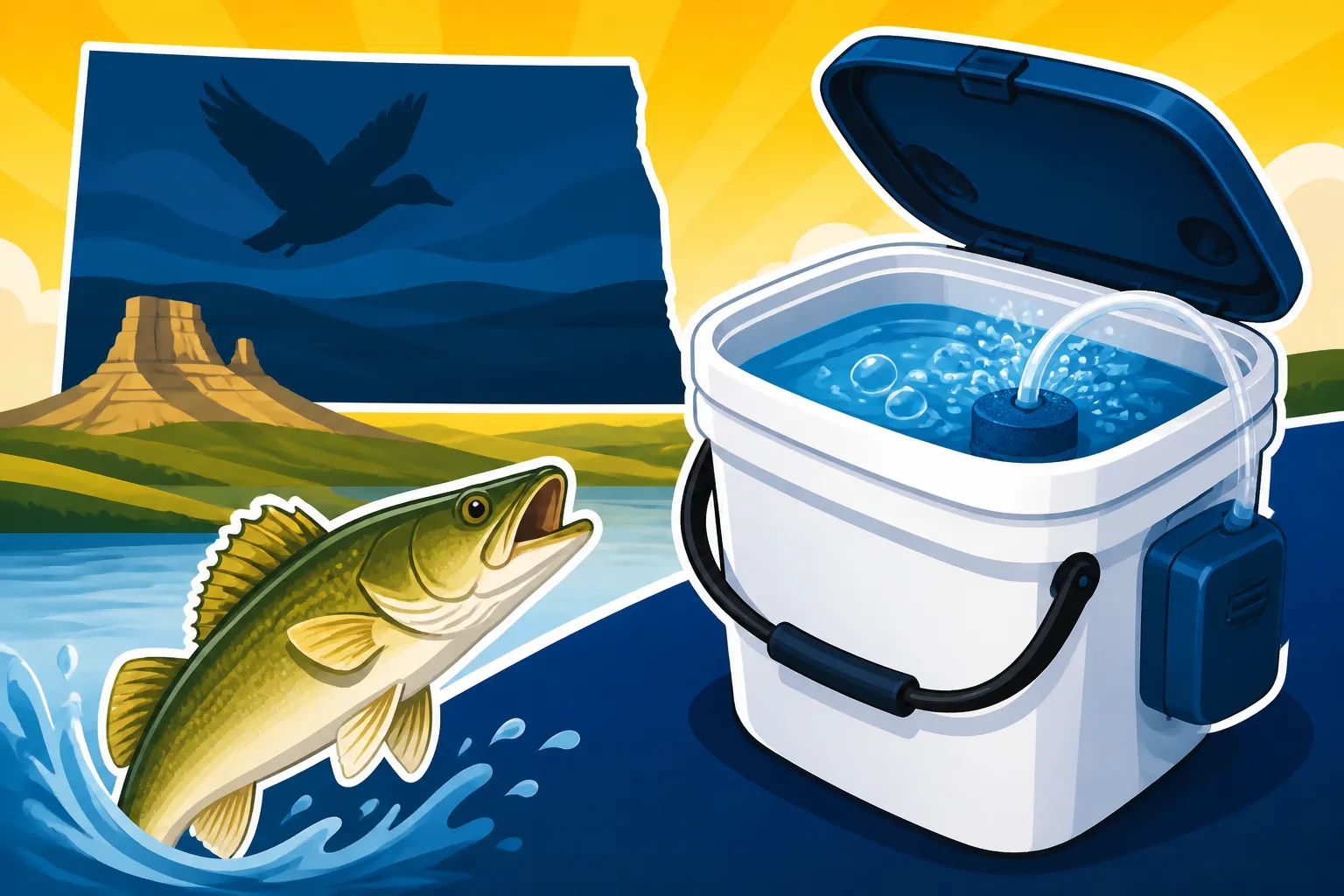
Sometimes, you might already have a perfectly good insulated bucket or cooler, and you just need to add aeration. Or perhaps you're on a very tight budget. This is where a DIY aeration kit comes in handy. These kits typically include a small battery-operated air pump, an air stone (a porous stone that creates fine bubbles), and a length of tubing. They are surprisingly effective and can be installed in almost any suitable container.
To set one up, you'll simply need to drill a small hole in the lid of your chosen bucket for the air tubing, drop the air stone into the water, and clip the pump onto the side of the bucket. It's a straightforward process that can turn a basic insulated cooler into a fully functional aerated bait well. The main advantage is cost savings and customization; you can choose the quality of your bucket and upgrade the pump if desired. However, keep in mind that the insulation of your chosen container will still be crucial for temperature control. While not as integrated as a purpose-built aerated bucket, a well-executed DIY setup can easily keep your bait lively for your next trip to Devils Lake Perch Fishing Spots. These kits are widely available on Amazon and at most fishing tackle shops.
| Feature | Budget-Friendly Options | Premium Options | DIY Kits (using your bucket) |
|---|---|---|---|
| Cost | Low to Moderate | Moderate to High | Low (for the kit itself) |
| Insulation | Basic foam/liner | Advanced double-wall, rotomolded | Depends on your bucket |
| Aerator Power | D-cell batteries (typical) | Rechargeable, D-cell, 12V | D-cell, some rechargeable |
| Battery Life | Good (12-24 hrs) | Excellent (24-48+ hrs) | Varies by pump |
| Durability | Decent, standard plastic | Heavy-duty, impact-resistant | Depends on your bucket |
| Added Features | Basic lid, handle | Bait trays, adjustable airflow | None (just aeration) |
| Portability | Easy to carry | Easy to carry | Varies by bucket size |
| Typical Brands | Frabill, Engel (entry-level) | Engel, Livewell Systems | Any kit with your chosen bucket |
Maximizing Your Bait's Life: Beyond the Aerator
While an aerated bait bucket is undoubtedly the cornerstone of keeping your bait alive and kicking, there's more to the equation. Think of it like taking care of a pet; an aerator provides the basic oxygen, but overall health also depends on a comfortable environment and proper handling. By implementing a few additional practices, you can dramatically extend the life and vigor of your bait, giving you the best possible advantage when you're out on the water.
Water Quality and Temperature Management
Just having bubbles isn't enough; the quality of the water itself plays a huge role. Always start with fresh, clean water. If you're filling from a city tap, it's a good idea to let the water sit for a while to allow chlorine to dissipate, or use a de-chlorinator solution, which you can find at most pet stores or tackle shops. Chlorine is harmful to fish and will quickly stress your bait. Another critical factor is temperature. Fish are sensitive to sudden temperature changes. If you're buying bait from a shop, try to match the water temperature in your bucket to theirs before transferring the bait. A drastic swing can send fish into shock.
During summer, consider adding a frozen water bottle or a small, sealed ice pack to your bait bucket. This will help keep the water cool without diluting it or introducing tap water chemicals. Just make sure the ice pack is sealed to prevent any leaks. Conversely, during colder months, try to avoid letting your bait water get too cold. If you're Ice Fishing for Northern Pike With Tip-Ups, keeping your bucket inside a portable ice shelter or wrapped in a towel can prevent the water from reaching dangerously low temperatures. A stable, moderate temperature is key to healthy, active bait. Remember, stressed bait is sluggish bait, and sluggish bait rarely attracts hungry fish like those found in Lake Oahe Catfish Fishing Spots.
Proper Bait Handling and Storage
Overcrowding is a silent killer in bait buckets. Resist the urge to pack too many minnows, leeches, or worms into one container. Even with an aerator, too many fish in too small a space will deplete oxygen faster, accelerate ammonia buildup, and increase stress levels. A good rule of thumb is to allow enough space for each baitfish to swim freely without constantly bumping into others. If you're unsure, err on the side of fewer baitfish per bucket, or consider splitting your bait into two smaller, aerated containers if you need a large quantity. This is especially true for delicate bait like small shiners.
When you reach into the bucket to grab a minnow, do so gently. Rough handling can remove scales, injure the fish, and introduce stress. Use a small bait net if possible, rather than trying to snatch them with your hands. Regularly check the water for any dead or dying bait and remove them immediately. Deceased fish quickly decompose and release toxins that will contaminate the water for the remaining healthy bait. Finally, consider adding a handful of rock salt (non-iodized) to your bait water. This can help replace electrolytes, reduce stress, and improve the slime coat on baitfish, making them more resilient. These simple steps, combined with your aerated bucket, will ensure your bait remains in peak condition for North Dakota Fishing Season Calendar and beyond.
Disclaimer
This article is for general informational purposes only and does not constitute professional advice. Laws, prices and regulations vary by location and change over time. Consult a qualified professional for guidance on your specific situation.