Best Rod Holders for Bank Fishing
There's nothing quite like the peace of bank fishing in North Dakota, casting your line out into a serene lake or a flowing river. But if you've ever tried to manage multiple rods, bait your hook, or simply enjoy a snack without somewhere secure to set your rod down, you know the frustration of fumbling gear, dropped rods, or worse – a valuable setup pulled into the water by an unexpected bite. This guide is all about helping you keep your rods safe, stable, and ready for action when you're fishing from the shore, exploring the best rod holders to elevate your bank fishing experience.
Why Reliable Rod Holders are Essential for North Dakota Bank Fishing
Bank fishing here in North Dakota offers some incredible opportunities, whether you're targeting walleye on Lake Sakakawea Fishing Guide for North Dakota Anglers or battling catfish on the Red River of the North Fishing Guide. But let's be honest, it also comes with its own set of challenges, especially when it comes to managing your gear. A good rod holder isn't just a luxury; it's a fundamental piece of equipment that can make or break your day on the water.
The Frustration of Fumbling Rods
Picture this: you've got two lines out, patiently waiting for a bite. Suddenly, you need to re-bait one, or maybe you're trying to land a fish and need to set the other rod down quickly. Without a dedicated holder, you're trying to prop it against a cooler, balance it on a rock, or even lay it flat on the ground. Not only is this inconvenient, but it's a recipe for disaster. Rods can slide, tips can break, and reels can get sandy or muddy. It's an unnecessary stress that takes away from the enjoyment of being outdoors. Even when you're just enjoying the scenery, having your rod securely upright means you're always ready, no scrambling necessary when that bobber finally dips.
Protecting Your Gear and Your Catch
Your fishing rod and reel are an investment, sometimes a significant one. Leaving them haphazardly on the ground or precariously balanced leaves them vulnerable to damage. A sturdy rod holder keeps your valuable equipment off the dirt, away from clumsy feet, and most importantly, secure. Imagine getting a powerful bite from a trophy North Dakota Northern Pike Fishing Guide or a big channel cat. If your rod isn't held firmly, it could be yanked right into the water before you even have a chance to grab it. This isn't just about losing a fish; it's about potentially losing hundreds of dollars in gear. A reliable rod holder acts as a vigilant sentry, ensuring your setup stays put until you're ready to engage. It also protects your line from getting tangled on shore vegetation, giving you a cleaner, more efficient fishing setup.
Types of Rod Holders for Shoreline Anglers
When you're looking for the perfect rod holder for bank fishing, you'll find there's a good variety out there, each designed for different situations and preferences. Knowing the pros and cons of each type will help you pick the best fit for your North Dakota adventures.
Spike and Stake Rod Holders
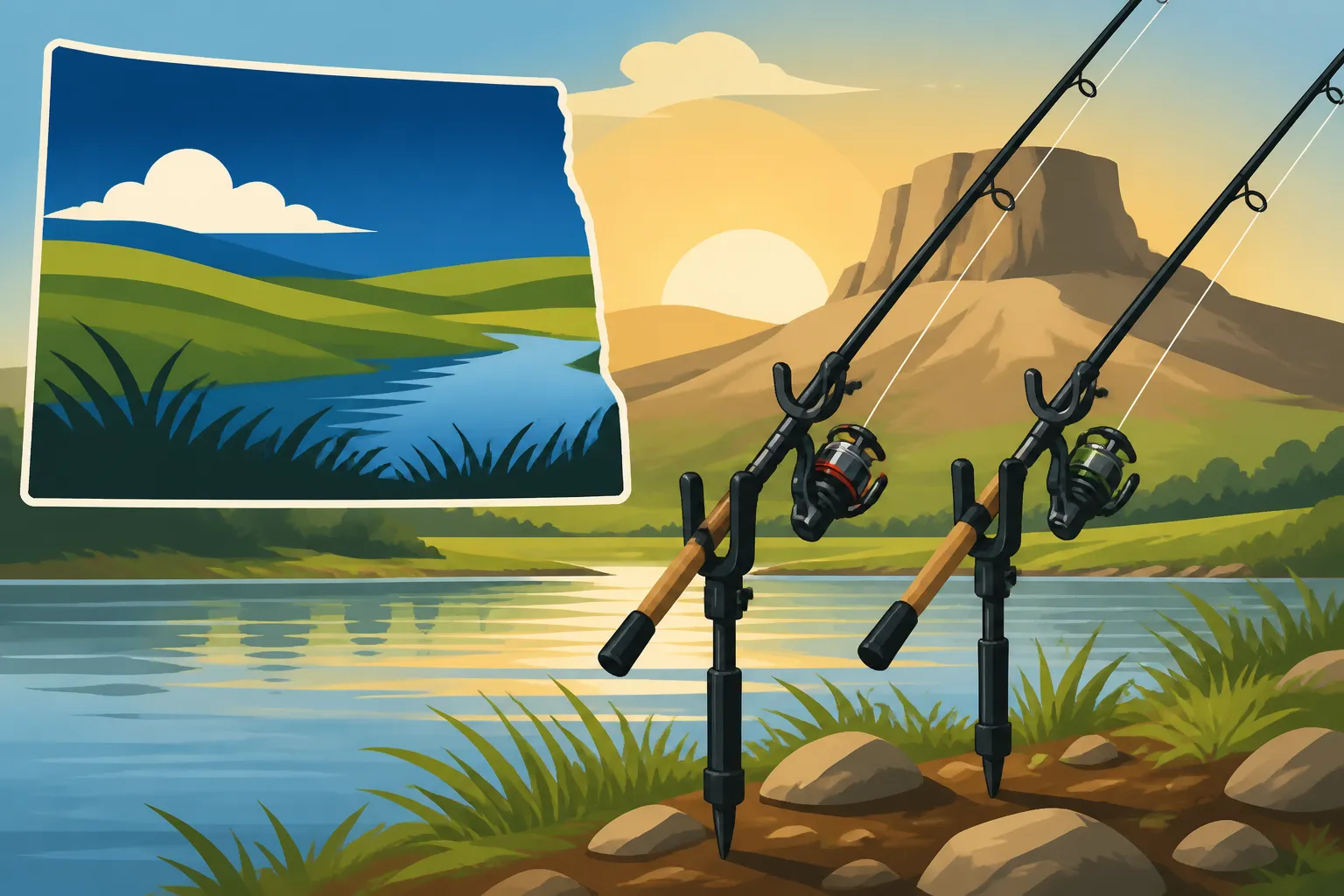
These are arguably the most common and simplest type of rod holder for bank fishing, and for good reason. They consist of a metal or heavy-duty plastic spike that you push or drive into the ground, with a cup or cradle at the top to hold your rod. They are incredibly popular among anglers who prefer to keep things minimalist and mobile.
Pros:
- Portability: They're lightweight and easy to carry, often collapsing or stacking neatly in a tackle bag.
- Affordability: Generally, these are the most budget-friendly option, making them a great starting point for new anglers or those looking for multiple holders without breaking the bank.
- Ease of Use: Simply push them into soft ground, and you're good to go. No complicated setup.
- Versatility: You can space them out exactly where you need them along the bank.
Cons:
- Ground Dependency: Their effectiveness hinges entirely on the type of ground you're fishing on. Hard, rocky, or frozen ground (which we certainly get a lot of in North Dakota during North Dakota Ice Fishing Rules season!) can make them impossible to use.
- Stability: While generally stable in soft soil, they can be pulled out by extremely powerful fish if not pushed in deep enough, or if the ground is very loose.
- Limited Adjustability: Most spike holders offer very little, if any, adjustability in angle. Your rod will sit at a fixed angle based on how you plant the spike.
You'll find these at just about any sporting goods store, and often in multi-packs on sites like Amazon, making it easy to stock up for different setups or fishing buddies.
Tripod and Bank Stick Systems
These systems offer more stability and versatility than simple spikes, especially for anglers who might encounter varied terrain or want more control over their rod's angle. Tripod systems, as the name suggests, have three legs that spread out for a very stable base, while bank stick systems are essentially more robust, adjustable spikes often used in pairs to support longer rods or provide a more secure setup.
Tripod Holders:
These are fantastic for uneven ground or when you need absolute stability. They often feature adjustable legs and a head that can hold one or more rods, allowing for precise angling.
Pros:
- Superior Stability: The three-point contact on the ground provides excellent stability, even on rocky or sloped banks.
- Adjustable Height and Angle: Many tripods allow you to adjust both the height of the rod holder and the angle of your rod, which is critical when you're trying to keep your line out of snags or position it perfectly for bite detection.
- Multiple Rods: Some larger tripod systems are designed to hold two or three rods at once, perfect for an angler running multiple lines.
Cons:
- Bulkier: They are larger and heavier than spike holders, making them less portable for long hikes.
- Higher Cost: Expect to pay a bit more for the added features and stability.
- Setup Time: While not complex, they take a little longer to set up and break down compared to a simple spike.
Bank Stick Systems:
These are like enhanced spike holders. They are usually made of metal, often telescopic for adjustable height, and have a pointed end to penetrate the ground. They are frequently used in combination with rod rests or bite alarms.
Pros:
- Improved Stability: Generally sturdier than basic plastic spikes, especially when pushed deep.
- Adjustable Height: The telescopic design allows you to adjust the height of your rod above the water, which is particularly useful for keeping line off the surface or clear of bankside vegetation.
- Modular: Can be combined with various rod rests or alarms to create a custom setup.
Cons:
- Still Ground Dependent: While better, they still need penetrable ground to be effective.
- Can Be Cumbersome: Carrying multiple bank sticks, especially longer ones, can be a bit more cumbersome than simple spikes.
Both tripod and bank stick systems offer a significant upgrade in terms of stability and adjustability, especially for those pursuing larger species or fishing in challenging conditions. You can find high-quality options at outdoor retailers like Bass Pro Shops.
Clamp-On Rail Mount Holders
While less common for purely "bank" fishing in the traditional sense, these are incredibly useful if you're fishing from a dock, pier, or a bridge railing that overlooks the water. They are designed to clamp onto a solid surface, providing a secure place for your rod.
Pros:
- No Ground Dependency: Perfect for situations where there's no soft ground, only a solid structure to fish from.
- Extreme Stability: Once clamped properly, they offer exceptional stability, resisting even the strongest bites.
- Adjustability: Many models feature adjustable angles, allowing you to position your rod precisely over the water.
Cons:
- Requires a Rail/Structure: Obviously, you need a suitable railing or sturdy structure to attach them to. They're useless on a natural, unimproved bank.
- Less Portable: While not excessively heavy, they are designed for specific attachment points, limiting their use to certain locations.
- Potential for Damage: If not clamped carefully, some models could potentially mar or scratch the surface they're attached to.
If your favorite fishing spot includes a public fishing pier in a North Dakota State Park, a sturdy clamp-on holder might be your best friend. Just remember to always be respectful of public property and ensure your setup isn't obstructing others or causing damage.
Key Features to Look for in a Bank Fishing Rod Holder
Choosing the right rod holder isn't just about picking a type; it's about considering the details that will make it truly effective and enjoyable to use. Here in North Dakota, where the weather can change on a dime and the fish can be feisty, these features really matter.
Material and Durability
The materials used in a rod holder's construction are paramount, especially given North Dakota's diverse weather conditions. You want something that can stand up to the elements and the rigors of fishing.
- Stainless Steel/Aluminum: These metals are champions of durability and corrosion resistance. Stainless steel is incredibly strong and rust-proof, making it ideal for wet environments. Aluminum is lighter, also corrosion-resistant, and a good choice for portability without sacrificing too much strength. Holders made from these materials will likely last you many seasons.
- Heavy-Duty Plastic/PVC: For lighter applications or more budget-friendly options, thick, UV-resistant plastic or PVC can work well. They won't rust, are very light, but might not stand up to the same abuse as metal, especially in freezing temperatures or if you're driving them into hard ground. Look for reinforced sections if opting for plastic.
- Galvanized Steel: This is steel that has been coated with a protective layer of zinc to prevent rust. It's a good middle-ground option, offering good strength and weather resistance, often found in more robust spike holders.
Consider if you'll be leaving your gear out in the rain, or if it will be exposed to significant sun. The longevity of your rod holder depends heavily on its material quality. Products from reputable brands often specify their materials, giving you a clear indication of their expected lifespan.
Adjustability and Versatility
This is where a rod holder moves from merely "holding" your rod to actively enhancing your fishing strategy.
- Angle Adjustment: Being able to tilt your rod up or down is crucial. An upward angle keeps more line out of the water, preventing snags on submerged weeds or debris, and helps with detecting light bites by keeping the line taut. A downward angle can be useful in windy conditions to reduce line blow.
- Height Adjustment: Whether you're fishing a steep bank or a flat sandy shore, being able to adjust the height keeps your reel out of the dirt and allows you to position your rod tip just right. Telescopic designs are excellent for this, allowing you to fine-tune your setup.
- Swivel Functionality: Some advanced models allow the rod to swivel left or right, which is particularly useful if you're using bite alarms and want the rod to perfectly align with the direction of the fish's run.
- Multiple Rod Positions: If you commonly fish with two or more rods (check North Dakota Fishing Regulations Explained for limits on lines!), a holder that can accommodate multiple setups or easily reposition is a huge plus.
The more adjustable a holder is, the more adaptable it will be to various fishing spots and conditions you'll encounter across North Dakota's diverse waters, from the tranquil shores of a smaller lake to the often-windy banks of Lake Oahe Fishing Guide.
Portability and Ease of Use
No one wants to haul cumbersome gear to their favorite secluded spot.
- Weight and Size: For hike-in spots, lightweight and compact designs are key. Spike holders excel here, while tripods will add a bit more bulk. Consider how you'll transport them – do they collapse, or do they have awkward shapes?
- Quick Setup/Teardown: The less time you spend fumbling with gear, the more time you spend fishing. Simple push-in designs or quick-clamp mechanisms are ideal.
- Storage: Do they come with a carrying bag? Can they be easily stacked or nested for efficient storage in your vehicle or garage?
Think about your typical fishing trip. Are you usually just pulling up to a convenient parking spot, or do you often trek a bit to find that perfect, quiet bank? Your answer will heavily influence the importance of portability. Even for short walks, a well-designed, easy-to-carry rod holder is a joy to use.
Security and Stability
This is perhaps the most critical aspect, especially when a monster fish decides to test your gear.
- Secure Rod Cradle: The part that holds your rod needs to be designed to prevent it from slipping out, either horizontally or being pulled upwards by a powerful bite. Some cradles have a deep V-shape, others have rubberized grips, and some even feature locking mechanisms.
- Ground Engagement: For spike or stake types, a long, sturdy spike with a good anchor point (like a T-handle or foot pedal) helps ensure it goes deep and stays put. For tripods, wide-spreading legs and non-slip feet provide maximum stability.
- Wind Resistance: In North Dakota, wind is a constant companion. A stable rod holder will prevent your rod from being blown over, which can happen with lighter, less secure models. Look for heavier bases or designs that sit low to the ground.
- Bite Indicator Compatibility: Many anglers use bells or electronic bite alarms when bank fishing. Ensure the rod holder's design allows for easy attachment and visibility of these indicators.
A truly reliable rod holder gives you peace of mind. You can step away for a moment, tie a new rig, or just enjoy your surroundings, knowing your rod is secure and ready for that next exciting strike. Check customer reviews on sites like Amazon or ask the staff at Bass Pro Shops about real-world stability tests for different models.
| Rod Holder Type | Ideal Terrain | Key Advantage | Primary Disadvantage | Portability | Typical Cost |
|---|---|---|---|---|---|
| Spike/Stake | Soft/Medium Soil | Lightweight, Simple | Ground Dependent | Excellent | Low |
| Tripod System | Uneven/Rocky Ground | Superior Stability | Bulkier | Good | Medium/High |
| Bank Stick System | Soft/Medium Soil | Adjustable Height | Still Ground Dependent | Very Good | Medium |
| Clamp-On Rail Mount | Docks, Piers, Railings | No Ground Needed | Requires Fixed Structure | Fair | Medium |
Setting Up Your Rod Holders for Success
Having the best rod holders won't do you much good if you don't set them up properly. There's a bit of an art to it, especially when you're dealing with North Dakota's varied landscapes. A thoughtful setup can make a huge difference in your comfort, your gear's safety, and ultimately, your fishing success.
Choosing the Right Location on Shore
This often feels like common sense, but there are nuances that can greatly impact your experience. It's not just about finding a comfortable spot to sit.
- Consider the Water's Edge: How close do you need to be? If you're targeting fish close to shore or in shallow weeds, you might want your rod tips closer to the water. For long casts into deeper channels or towards structure, a bit more distance from the immediate bank might be better. Always ensure your reel is well above any splash from waves, especially on windy days on big water bodies like Lake Sakakawea.
- Bank Slope and Material: This is crucial. A steep bank might require holders with more angle adjustment or a tripod system to keep your rod horizontal to the water. A soft, muddy bank demands long, sturdy spikes, while a rocky or hard-packed shore might force you to rely on tripods or seek out small patches of penetrable soil. Trying to force a spike into rock is a quick way to damage your holder.
- Clearance and Obstructions: Look up and around. Are there trees or bushes that will snag your line during a cast or when retrieving a fish? You want an unobstructed path for casting and fighting a fish. Also, ensure your rod holder isn't blocking a popular walking path or an access point for others.
- Sun and Wind Exposure: While not directly about the rod holder, positioning yourself and your holders to your advantage regarding the elements is smart. Fishing with the sun at your back often makes it easier to see your line, and understanding the wind direction can help you cast more effectively and avoid wind-induced slack in your line. On really windy days, consider setting your rod holder low to the ground to prevent your rod from catching too much wind.
Don't be afraid to scout a bit before settling down. A minute or two of careful observation can save you hours of frustration later. Sometimes, that slightly less comfortable spot just 20 feet away is the perfect place for your fishing rods for walleye.
Maximizing Stability in Varied Terrain
North Dakota's banks aren't always a neatly manicured lawn. You'll encounter everything from soft mud to gravel to solid rock.
- Spike Holders in Soft Ground: Push them in deep. Use your foot or a rubber mallet if needed, ensuring at least half of the spike is buried. If the ground feels too loose, you might even consider piling some rocks around the base for added stability, especially if you're targeting strong fighting fish like Red River Catfish Fishing Spots in North Dakota.
- Tripods on Uneven Surfaces: Adjust each leg individually until the base is perfectly level. Spread the legs wide to maximize the footprint and stability. Some tripods have articulated feet that can adapt to bumps and depressions. If you're on a slope, position one leg downhill for maximum support.
- Bank Sticks with Bite Alarms: If you're using electronic bite alarms, ensure the bank stick is planted so firmly that it won't wobble or shift with a strong take. Any movement could give you a false alarm or make it harder to detect subtle bites. Using two bank sticks with a rod rest in between for longer rods provides much better stability and prevents the rod from twisting.
- Weighting Down: For any type of holder on very loose or unstable ground, you can often add weight. A heavy rock placed on the legs of a tripod, or a bucket of water set nearby to act as an anchor (secured with a rope to the holder), can provide that extra bit of reassurance.
The goal is to make it so that a surprise bite from a powerful fish will pull the rod out of the holder, rather than pulling the entire holder over or into the water. Always test the stability with a firm tug before you cast out.
Protecting Your Rod and Reel
While the rod holder keeps your gear off the ground, there are additional steps you can take to keep it in prime condition.
- Avoid Over-Tightening: If your rod holder has a clamping mechanism for the rod itself, don't overtighten it. You want the rod to be snug, but able to be easily lifted out when a fish bites. Excessive force can damage the rod blank.
- Cleanliness: Even if your rod is off the ground, splashing water, wind-blown sand, or mud can still reach your reel. Give your reel a quick wipe-down after each trip, especially if it was near the ground. Grit and grime can quickly degrade performance.
- Rod Tip Protection: Some rod holders have an open design for the rod tip. Be mindful of where your rod tip is pointing – avoid having it accidentally poked into nearby branches or hitting obstacles behind you. If you're using multiple rods, ensure their tips aren't crossing or tangling.
- Line Management: When setting up, ensure your line has a clear path from the rod tip to the water. Avoid having it rub against the rod holder itself, which can cause friction and potentially weaken your line over time.
- Post-Trip Care: After a day of fishing, especially in wet or muddy conditions, wipe down your rod holders before storing them. This prevents rust on metal parts and extends the life of your equipment. For long-term storage, keep them in a dry place, perhaps even giving metal parts a light spray with a protective lubricant.
By paying attention to these details, you'll not only have a more comfortable and productive fishing trip but also ensure your valued fishing gear lasts for many seasons of North Dakota angling adventures.
Disclaimer
This article is for general informational purposes only and does not constitute professional advice. Laws, prices and regulations vary by location and change over time. Consult a qualified professional for guidance on your specific situation.