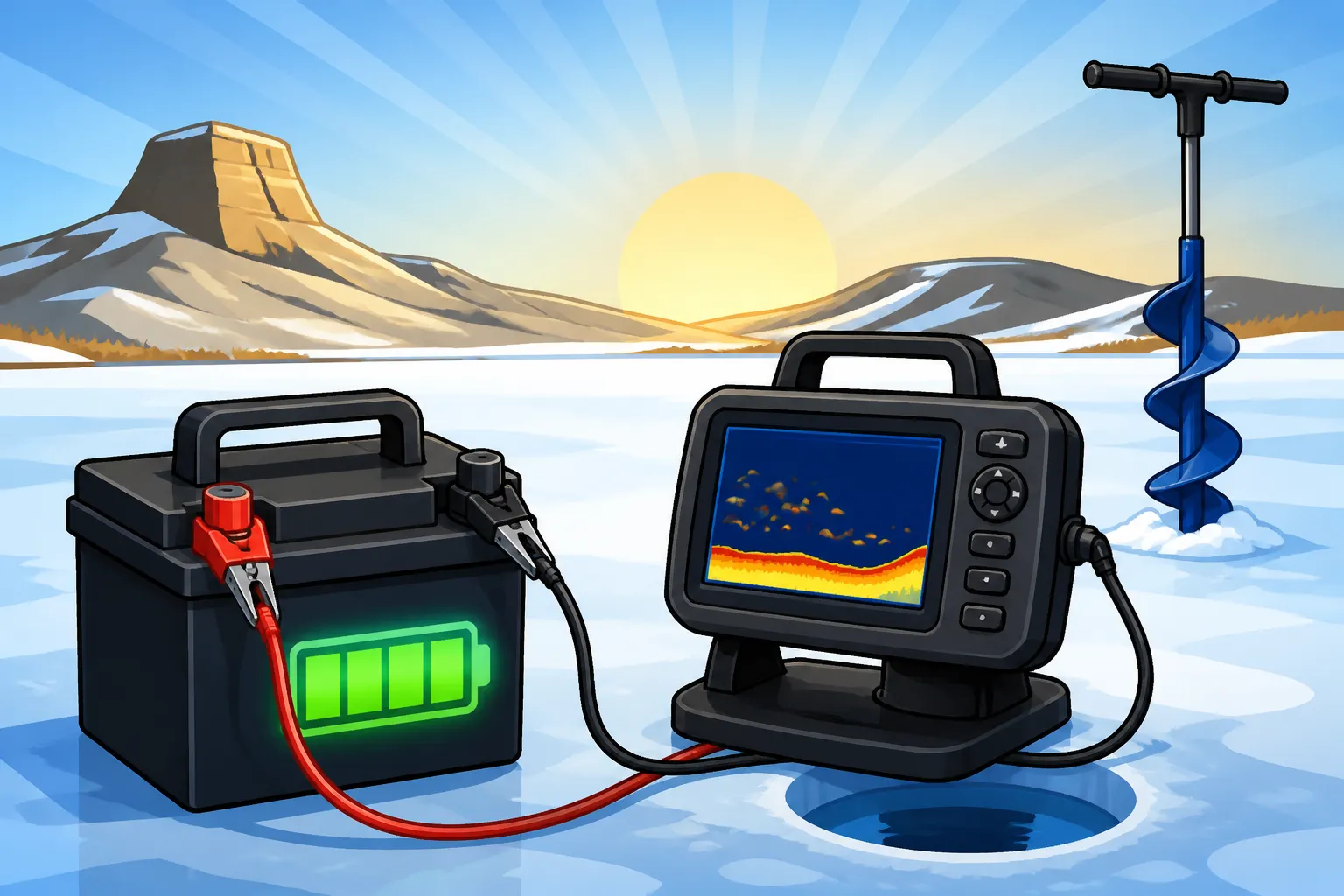
Best Way to Charge a Fish Finder Battery on the Ice
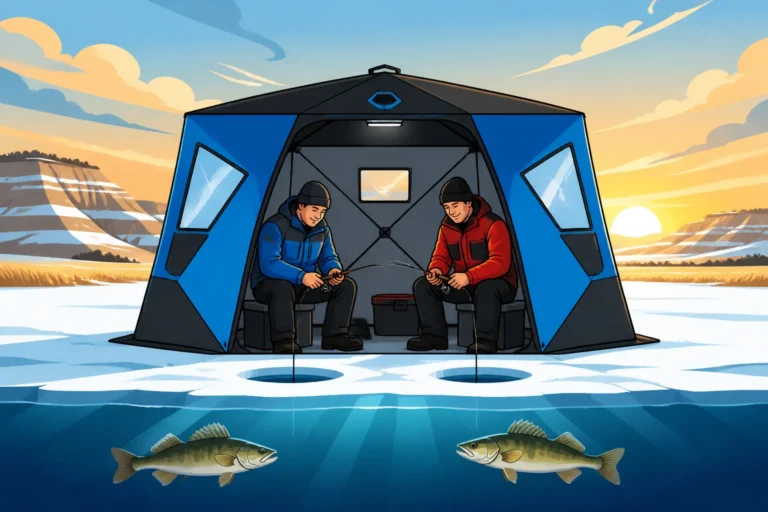
There’s nothing quite like the crisp air and serene quiet of a North Dakota ice fishing day. You’re out on the frozen lake, the auger's done its work, the lines are down, and your fish finder is humming, showing you exactly what's lurking beneath. Then, without warning, the screen flickers, dims, and goes dark. That sinking feeling? We’ve all been there. This guide is all about making sure that scenario is a thing of the past, so you can keep those transducers pinging and those fish biting all day long.
Why Your Fish Finder Battery Dies and Why It's So Annoying
It's a universal truth for ice anglers: batteries and extreme cold don't always play nice. That moment when your trusty fish finder gives up the ghost can be incredibly frustrating, especially when the bite is hot or you're miles from the truck. Understanding why it happens is the first step to preventing it.
The Cold Hard Truth About Battery Life
North Dakota winters are legendary, and while we bundle up, our electronics often struggle. The simple fact is that cold temperatures drastically reduce the efficiency and effective capacity of most battery types, especially the older lead-acid (SLA) batteries many of us still rely on. Imagine trying to run a marathon in a heavy winter coat – it’s harder, right? Batteries experience a similar struggle. The chemical reactions that generate electricity slow down in the cold, meaning your battery can't deliver its full rated power or sustain it for as long as it would on a warm summer day.
This isn't just an inconvenience; it can truly cut short a promising day on the ice. You might have left the house with a "full" battery, but after a couple of hours in sub-zero conditions, that full charge might only be delivering 60-70% of its potential. It's a cruel trick of physics, but one we can certainly work around. For more on preparing for the chill, check out our guide on What to Wear Ice Fishing in North Dakota.
Power Draw from Modern Fish Finders
Another reason your battery might be waving the white flag prematurely is the ever-increasing sophistication of modern fish finders. Gone are the days of simple, black-and-white screens. Today's units boast vibrant, high-definition displays, powerful CHIRP sonar, GPS mapping, Wi-Fi connectivity, and even touchscreens. All these incredible features, while making us better anglers, are essentially power hogs.
Think about it: a large, bright color screen consumes significantly more energy than a small monochrome one. If you're running multiple sonar frequencies, mapping capabilities, and keeping your screen brightness cranked up to see through the glare, your battery is working overtime. For a long day of ice fishing, especially if you're out from sun-up to sundown, the standard 7-amp-hour (Ah) or 9-Ah battery that often comes with portable ice fishing setups might simply not be enough to keep up with the demands of a feature-rich unit in cold weather. It's like trying to power a full-sized pickup with a scooter engine – it's just not designed for that kind of draw.
Understanding Your Fish Finder Battery Options
Before we dive into charging, let's quickly chat about the types of batteries you're likely working with. Knowing the strengths and weaknesses of each will help you choose the best charging strategy.
Lead-Acid SLA Batteries: The Workhorses of Yesteryear
Sealed Lead-Acid (SLA) batteries have been the go-to for portable fish finders for a long time, and for good reason: they're relatively inexpensive upfront. These are the heavy, rectangular batteries that probably came with your unit if it's a few years old or a budget-friendly model. They work, but they have their drawbacks, especially in our neck of the woods.
In the cold, their voltage drops significantly, leading to that "dimming screen" effect we talked about. They also suffer from a phenomenon called "voltage sag" under load, meaning as your fish finder draws power, the voltage can dip, potentially causing your unit to glitch or shut down prematurely even if there's still some charge left. They're also quite heavy, which isn't ideal when you're dragging a sled across a windswept lake like Devils Lake. Charging them typically requires a specific lead-acid charger, which performs a multi-stage charge to ensure a full charge without overcharging.
Lithium LiFePO4 Batteries: The Modern Solution
If you've been in a tackle shop or browsed online recently, you've probably seen a lot of buzz about lithium iron phosphate (LiFePO4) batteries. These are quickly becoming the gold standard for ice fishing, and for good reason. They are significantly lighter than their lead-acid counterparts, often weighing a fraction of the same capacity SLA battery. This is a huge win for portability when you're hauling gear for a day of North Dakota Yellow Perch Fishing Guide.
More importantly for North Dakota anglers, LiFePO4 batteries maintain a much more consistent voltage output, even in cold temperatures. This means your fish finder gets a steady flow of power, preventing those annoying dimming or shutdown issues. While they do cost more initially, their longer lifespan (often thousands of charge cycles compared to a few hundred for SLA) and superior performance make them a worthwhile investment for many. You'll need a charger specifically designed for LiFePO4 batteries, as their charging profiles are different from lead-acid. Never use a lead-acid charger on a LiFePO4 battery, as it can damage the battery or create a safety hazard.
On-Ice Charging Solutions for Extended Fishing Trips
So, your battery's going low, and you're not ready to pack it in. What are your options out on the ice? Thankfully, there are several clever ways to keep the juice flowing.
Portable Power Stations: Your Ice Fishing Lifeline
These fantastic gadgets have revolutionized how we power our gear in the backcountry, and they're absolute game-changers for ice fishing. A portable power station is essentially a large, high-capacity battery pack that comes equipped with various output ports – typically AC outlets, USB ports, and often 12V DC ports. Many of these are built around powerful lithium-ion battery cells, making them efficient even in the cold.
The beauty of a portable power station is its versatility. You can plug your fish finder's charger directly into an AC outlet on the power station (if your fish finder uses a wall charger), or many power stations have a 12V output that you can use with a compatible DC charging cable for your fish finder. This means you can actively charge your primary fish finder battery while you're fishing, or you can use the power station to run your fish finder directly if it has a compatible 12V output. Some models even come with built-in inverters, allowing you to run small appliances like a portable heater or charge your phone alongside your fish finder. When you're browsing for one, you might find a great selection at places like Bass Pro Shops, which often stock rugged outdoor gear. Just be mindful of their size and weight, as larger capacity units can be a bit bulky to haul. Look for models with a high Watt-hour (Wh) rating for maximum runtime.
Solar Chargers: Harnessing the Winter Sun
While North Dakota winters can be brutally cold, they often bless us with brilliant, sunny days. This makes portable solar chargers a surprisingly viable option for extending your battery life, especially on those bluebird days when the sun is beaming down on the expansive ice of Lake Sakakawea. Solar chargers for ice fishing typically come in the form of compact, foldable solar panels that you can set up outside your ice shelter.
The biggest pro here is that you're tapping into a free, renewable energy source. They're silent, eco-friendly, and don't require you to carry extra fuel or heavy power banks. However, they do have limitations. Their charging speed is highly dependent on direct sunlight, so cloudy days or late afternoons won't yield much power. They're also generally slower than plugging into a power station or wall outlet, so they're best for "trickle charging" to extend your existing battery's life rather than rapidly replenishing a dead one. You'll need a solar charge controller to ensure safe charging, especially for lithium batteries, which is often integrated into the portable panel kits you can find on sites like Amazon. For a fun read, check out North Dakota Ice Fishing Rules.
Backup Batteries: The Simple Swap
Sometimes the simplest solutions are the best. For many anglers, the most straightforward way to ensure uninterrupted fish finding is to carry fully charged spare batteries. If you're running a standard 7-9Ah SLA battery with your portable unit, having one or two additional, fully charged spares can easily get you through a full day, even in cold conditions.
The beauty of this method is its reliability and ease of use. When one battery dies, you simply unplug it and swap in a fresh one. There's no fumbling with chargers, cords, or finding a power source on the ice. The main limitation, of course, is that you only have a finite amount of power – once your spares are depleted, you're out of luck. This method requires a bit of foresight to ensure all your batteries are topped off before you leave the house. Consider how many hours of run-time you typically need and calculate how many spare batteries would cover that. This is especially useful for targeting species like the elusive North Dakota Chinook Salmon Fishing Guide.
Best Practices for Maximizing Battery Life and Safe Charging
Keeping your fish finder running reliably isn't just about having the right charging gear; it's also about smart battery management and safe charging practices.
Pre-Trip Battery Care
The battle for battery life starts long before you ever hit the ice. It begins at home, with diligent preparation. First and foremost, always ensure your batteries are fully charged before you head out. A partially charged battery will perform even worse in the cold. For SLA batteries, this means using a smart charger that goes through a multi-stage process to optimize the charge and prevent overcharging. For LiFePO4 batteries, use their dedicated charger.
Secondly, try to keep your batteries warm before you deploy them. Storing them in a heated garage or inside your vehicle until you're ready to set up can make a noticeable difference in their initial performance. Even keeping them in a small, insulated cooler or a soft-sided lunch bag can help them retain warmth for longer once you're out on the ice, delaying the inevitable performance drop due to cold. This simple step can add valuable hours to your fishing day. You might even consider keeping them inside your Best Portable Heater for an Ice Shelter.
On-Ice Management Tips
Once you're out on the frozen expanse, there are several things you can do to conserve that precious battery power. Think of it as putting your fish finder on "eco-mode." The biggest power drain on most modern units is the screen. Reducing screen brightness to the lowest comfortable setting will significantly extend battery life. On a bright, sunny day, you might need it higher, but if you're inside a dark ice shelter, you can likely dim it down considerably.
Another tip is to disable unnecessary features. If you're not actively navigating with GPS, turn off the GPS function. If you're not using a specific sonar frequency, disable it if your unit allows. Every little bit helps. Finally, consider insulating your battery while you're fishing. Keeping it in a small, insulated container (like a soft-sided cooler or a dedicated battery bag) inside your shelter can help it retain warmth and perform better for longer. The goal is to minimize its exposure to the biting North Dakota cold. When the seasons shift, consider our North Dakota Fall Fishing Guide.
Safety First When Charging on the Ice
Charging batteries, especially in a confined space like an ice shelter, requires attention to safety. Here are a few critical points to remember:
- Ventilation: If you're using a gas generator or anything that produces exhaust to power your charger (uncommon for small fish finder batteries but possible for larger setups), ensure ample ventilation to prevent carbon monoxide buildup. Even without generators, ensure good airflow in your shelter.
- Avoid Moisture: Water and electricity are a dangerous combination. Keep your batteries and chargers away from slush, melting ice, or any moisture. Store them in dry, elevated spots within your shelter.
- Proper Chargers and Cables: Always use the charger recommended by the battery or fish finder manufacturer. Using an incompatible charger can damage the battery, reduce its lifespan, or even pose a fire hazard. Ensure all cables are in good condition, free of frays or damage.
- Monitor Charging: While modern chargers are smart, it's always a good idea to periodically check on your batteries while they're charging, especially if it's your first time with a particular setup. Feel for excessive heat and address any unusual smells or sounds immediately.
- Protect from Extreme Cold: While charging, it's still beneficial to keep the battery as warm as possible, as extreme cold can impact charging efficiency and safety. Some LiFePO4 batteries have low-temperature charge protection, which is a great feature for ice anglers.
By combining smart battery management with the right charging solutions, you can conquer the cold and keep your fish finder humming all day, every day, on the North Dakota ice.
Battery Comparison for Ice Fishing
Here’s a quick overview comparing the two primary battery types for fish finders in an ice fishing context:
| Feature | Sealed Lead-Acid (SLA) Batteries | Lithium LiFePO4 Batteries |
|---|---|---|
| Initial Cost | Generally Lower | Generally Higher |
| Weight | Heavy | Very Lightweight |
| Cold Performance | Significant Voltage Drop, Reduced Capacity | Consistent Voltage, Better Cold Performance |
| Lifespan | ~200-500 charge cycles | ~2000-5000+ charge cycles |
| Voltage Output | Decreases steadily with discharge | Consistent throughout discharge cycle |
| Charging | Requires SLA charger (multi-stage) | Requires LiFePO4 charger (specific profile) |
| Safety | Prone to damage from deep discharge | Very stable chemistry, less prone to thermal runaway |
| Maintenance | Can self-discharge faster, best kept charged | Holds charge well, minimal maintenance |
| Best For | Budget-conscious, short trips, or backup power | Serious anglers, long trips, portability, long-term value |
Disclaimer
This article is for general informational purposes only and does not constitute professional advice. Laws, prices and regulations vary by location and change over time. Consult a qualified professional for guidance on your specific situation.