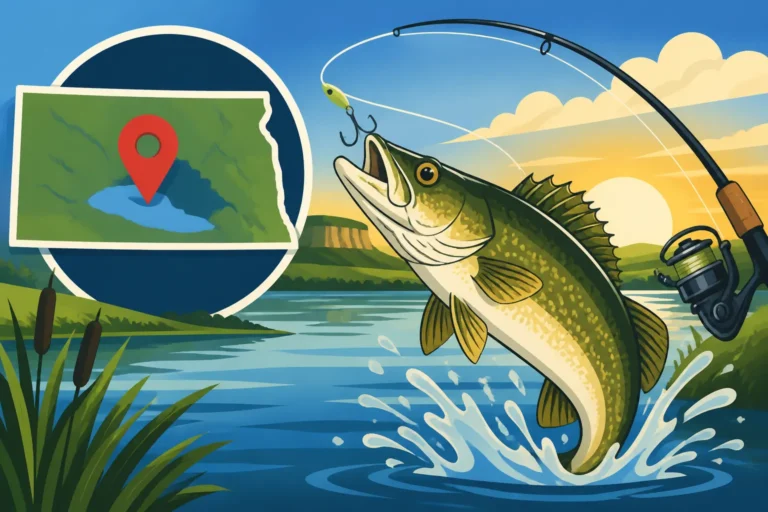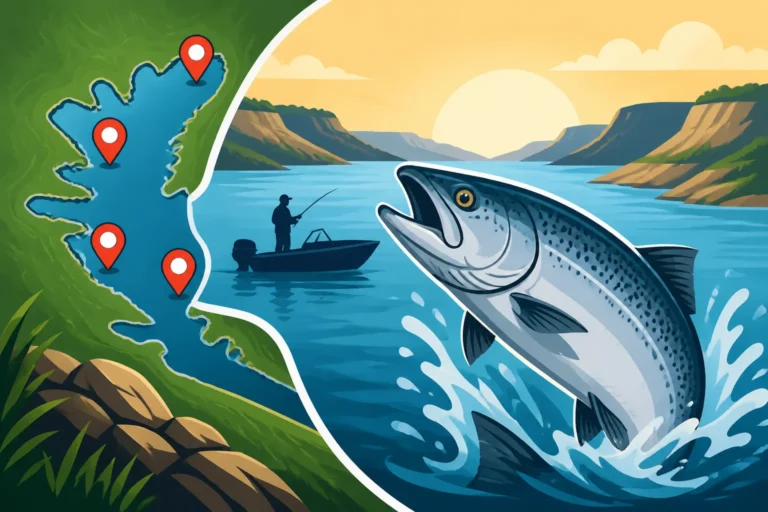
Missouri River Tailrace Fishing Below Garrison Dam
For many North Dakota anglers, the idea of consistently landing trophy walleye and sauger can feel like a dream, especially when the main lake bite is slow or unpredictable. The challenge of finding that prime, current-rich habitat where big fish feed aggressively is a real head-scratcher. This guide is dedicated to unlocking the secrets of Missouri River tailrace fishing below the Garrison Dam, offering practical, in-depth advice to help you master this incredibly productive stretch of water.
Understanding the Missouri River Tailrace Below Garrison Dam
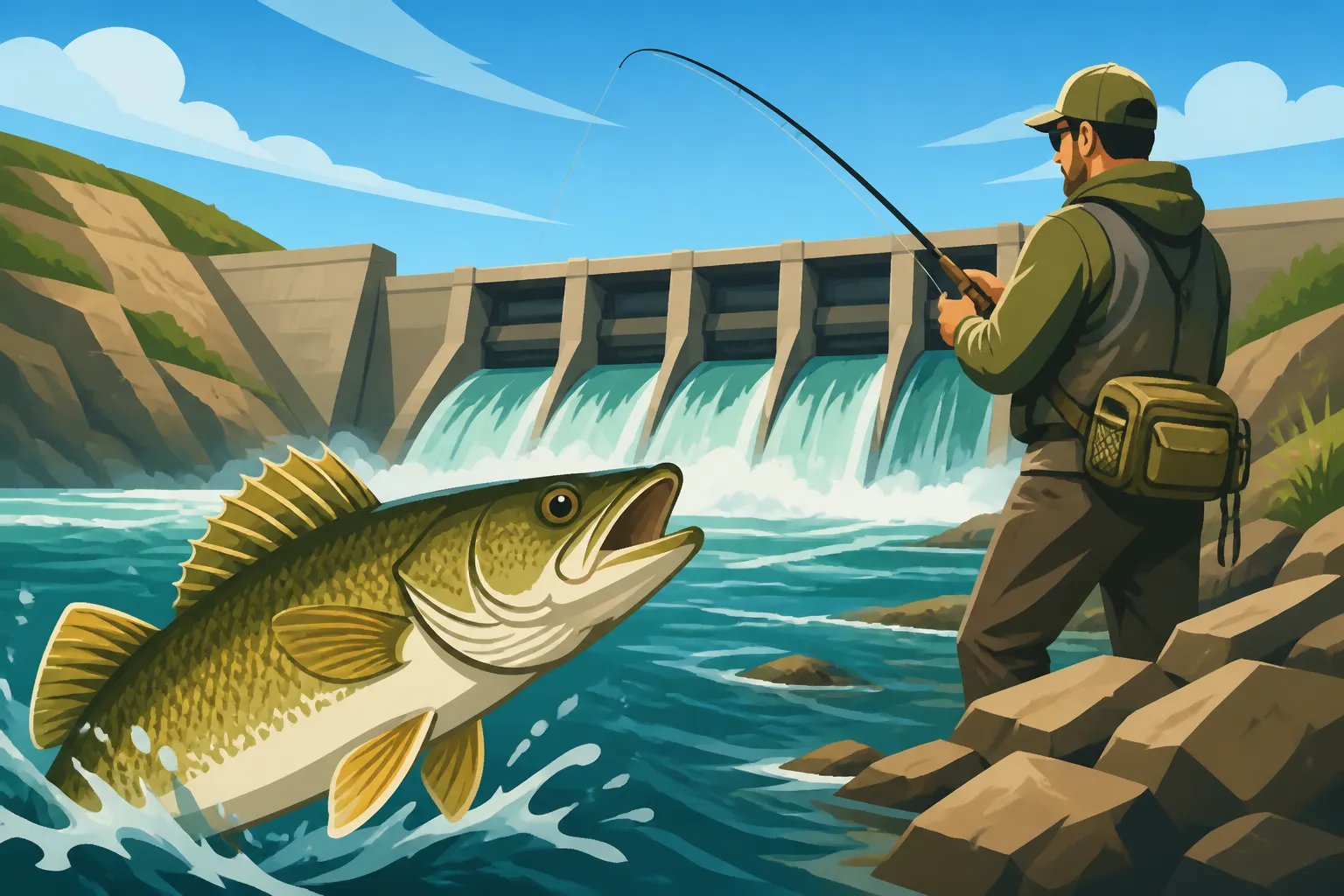
The Missouri River tailrace, immediately downstream from the imposing Garrison Dam, isn't just another section of the river; it's a dynamic, nutrient-rich ecosystem created by the constant release of water from Lake Sakakawea. This unique environment makes it a fishing hotspot, attracting a diverse range of species that thrive in its turbulent yet abundant waters. Anglers who take the time to understand this environment often find unparalleled success.
The Unique Environment and Its Appeal
Imagine a natural funnel, constantly fed by a massive reservoir. That's essentially what the tailrace is. Water discharged from the deep, cold waters of Lake Sakakawea creates a consistent flow and temperature regime that's often different from other parts of the river. This discharge, especially during peak power generation, oxygenates the water intensely, creating an ideal environment for game fish. The current itself acts like a conveyor belt for food, washing baitfish, insects, and other nutrients downstream, concentrating them in specific areas. Fish don't have to expend much energy to feed; they simply hold in current breaks and ambush passing prey. This makes them more predictable and often more willing to bite. The constant churn also breaks up the water column, providing cover and comfort for various species.
Primary Fish Species You'll Encounter
The Garrison Dam tailrace is a veritable smorgasbord for anglers, boasting an impressive variety of sought-after fish. While walleye and sauger often steal the spotlight, they are by no means the only game in town.
- Walleye: These iconic North Dakota game fish absolutely thrive in the tailrace. They relate to current breaks, scour holes, and rocky structures, ambushing baitfish. Their strong preference for moving water and abundant food makes them a primary target. You'll often find them schooled up, making for fast action when you locate a pod.
- Sauger: The walleye's close cousin, sauger are also abundant here, often mingling with walleye in the same habitats. They tend to prefer slightly deeper, darker water and can be a bit more structure-oriented. Knowing the subtle differences between these two species is important, especially when considering catch limits, so be sure to check out our guide on Sauger Identification vs Walleye.
- Northern Pike: While not as dominant as walleye or sauger in the immediate current, larger northern pike are often found in the calmer eddies and slower current areas adjacent to the main flow, especially around submerged timber or weed edges. They're opportunistic predators, always on the lookout for an easy meal.
- Chinook Salmon: Believe it or not, Chinook salmon make an appearance here, particularly during colder water periods when they migrate from Lake Sakakawea into the river. They're a powerful fight and a unique catch for a river system. Targeting them often requires different tactics than walleye, but the reward is immense.
- Smallmouth Bass: You'll find feisty smallmouth bass around the rocky banks, riprap, and submerged boulders. They love current and structure, providing a hard-hitting fight on lighter tackle.
- Catfish: Channel catfish are present, especially in the deeper scour holes and slower-moving sections. They're less impacted by current and will readily take cut bait on the bottom.
This diversity means you never quite know what you'll hook into, adding an exciting element of surprise to every cast.
Essential Gear and Tackle for Tailrace Success
Fishing in strong current demands specialized gear that can handle the extra strain and help you present your baits effectively. Trying to use lightweight lake tackle here is often an exercise in frustration. Investing in the right tools will dramatically increase your chances of success and enjoyment.
Rods, Reels, and Line for Varying Conditions
When you're battling fish in a fast-moving river, your setup needs to be robust and responsive.
- Rods: For jigging and bottom bouncing, a medium-heavy to heavy power spinning or baitcasting rod, typically 6'6" to 7'6" in length, is ideal. The stout backbone is crucial for driving hooks into hard-mouthed walleye and sauger, and for managing heavy jigs or bottom bouncers in the current. A fast-action tip provides the sensitivity needed to detect subtle bites, which can often feel like just a slight "tick" in the current. If you're considering a fishing excursion and need to know more about what to bring, a service like FishingBooker can often provide local guide insights into the specific gear they recommend.
- Reels: Pair your rod with a reliable spinning reel in the 2500-4000 series or a low-profile baitcaster that offers a smooth drag system. A strong drag is non-negotiable for battling large fish that try to use the current to their advantage. High-quality internal components will stand up to the constant abuse of river fishing.
- Line: This is where many anglers make mistakes. Monofilament stretches too much and makes it hard to feel bites in current. Braided line, with its near-zero stretch, is the absolute workhorse for tailrace fishing. Use 10-20 lb test braided line as your main line, depending on the weight of your lures and the strength of the current. A 10-15 lb fluorocarbon leader of about 3-5 feet is highly recommended. Fluorocarbon is nearly invisible underwater, providing a stealthy presentation, and its abrasion resistance is a huge advantage when fishing around rocks and other submerged structures. It also adds a bit of shock absorption that braid lacks. If you're a beginner, our guide on Best Rod and Reel Combo for Beginners in North Dakota offers great starting points.
Lure and Bait Selection for the Garrison Dam Tailrace
The fish in the tailrace are often aggressive due to the high metabolism fostered by the current, but they can also be finicky. Having a diverse tackle box is key.
- Jigs: Jigs are arguably the most versatile and effective lures for tailrace walleye and sauger. Lead head jigs from 3/8 oz up to 1 oz (sometimes even heavier depending on current speed and depth) are essential. Pair them with soft plastic paddle tails, curly tails, or traditional bucktail dressings. Colors like chartreuse, white, orange, and darker patterns like black or purple often produce. Experiment with different weights until you find one that allows you to maintain bottom contact without constantly snagging or being swept away.
- Live Bait: Nothing beats live bait in certain situations. Large minnows (like shiners or fatheads), leeches, and nightcrawlers rigged on jigs or slow death rigs are deadly. When the bite is tough, the natural movement and scent of live bait can be the difference-maker.
- Crankbaits and Stickbaits: For trolling or casting in shallower, slower current, dive-and-rise crankbaits and traditional stickbaits can be very effective. Choose models that dive to the appropriate depth for the area you're fishing. Colors mimicking local baitfish (perch, shiner, smelt) are a good starting point, but don't shy away from bright, aggressive colors.
- Bottom Bouncers and Spinner Rigs: When drifting or slow-trolling, bottom bouncers paired with spinner rigs tipped with live bait (especially crawlers or leeches) are a classic and highly productive setup. The bottom bouncer keeps your bait in the strike zone, and the spinner adds attraction. You might find a guide through FishingBooker who specializes in these exact techniques.
- Paddlefish Tackle (Specialized): If you're targeting paddlefish, you'll need heavy-duty snagging gear, including large treble hooks and very stout rods and reels. This is a highly specialized fishery with strict regulations, so ensure you're compliant.
Always remember to bring a variety, as fish preferences can change throughout the day and with varying water conditions.
Top Techniques for Fishing the Garrison Dam Tailrace
Fishing in a high-current environment like the Garrison Dam tailrace requires specific techniques to ensure your bait is presented effectively and you can detect strikes. It's a game of feel, adjustment, and precise boat control if you're on the water.
Mastering Jigging and Bottom Bouncing in Current
These are the bread-and-butter techniques for walleye and sauger in the tailrace. The key is maintaining control and feeling the bottom.
- Vertical Jigging: This is best done from a boat directly over suspected fish holding areas. Use your trolling motor to hold your position, or very slowly drift downstream, keeping your boat speed just slightly slower than the current. Drop your jig straight down, letting it hit the bottom. Then, subtly lift it 6-12 inches, letting it fall back to the bottom. The idea is to mimic a struggling baitfish or a crayfish. Pay extreme attention to your line; often, a bite won't be a hard "thump" but a slight slackening or a barely perceptible "tick" as the fish inhales the jig. Always set the hook at any unusual feeling. Using a sensitive rod is absolutely critical here.
- Casting and Retrieving Jigs: For shore anglers or those in a boat wanting to cover more water, cast your jig upstream or quartering across the current. Allow it to sink, and as it drifts downstream, maintain just enough tension to feel the bottom. Use a slow, controlled retrieve with small hops and pauses. The current will impart natural action to your jig. This technique is particularly effective for covering scour holes and current seams.
- Bottom Bouncing: This method is fantastic for covering ground, especially when fish are spread out. Use a heavy bottom bouncer (1-3 oz or more, depending on current) attached to your main line, with a 3-6 foot leader trailing behind, usually with a spinner rig and live bait. Let the bottom bouncer "walk" or "bounce" along the riverbed as you drift or troll slowly downstream. The bouncer keeps your bait in the strike zone without snagging as much as a jig. Again, maintain a slight bow in your line to feel the subtle taps. This is a very common technique for many anglers seeking walleye on the Missouri River Fishing Below Garrison Dam in North Dakota.
Trolling and Drifting Strategies
While vertical presentations dominate, trolling and drifting can be highly effective, especially when fish are relating to specific depth contours or scattered.
- Controlled Drifting: This involves letting the current carry your boat downstream, maintaining precise boat control with a powerful bow-mount trolling motor. You can drift jigs, bottom bouncers, or even live bait rigs. The key is to control your speed to be slightly slower than the current, allowing your bait to remain in the strike zone. Use your fish finder to identify structure, depth changes, and fish schools.
- Trolling Crankbaits: In areas with slightly less current or along defined breaks, trolling crankbaits can be a powerful search tool. Use deep-diving crankbaits that can reach the bottom where walleye and sauger often hold. Match your trolling speed to the lure's action and the fish's mood, typically 1.5 to 2.5 mph. Precision with your speed and depth control is paramount, and a good GPS-enabled fish finder can make all the difference in consistently hitting those productive zones. Learning Best Fish Finder Settings for Walleye can significantly improve your trolling game.
- Understanding Current Breaks: Fish rarely sit in the full force of the current; it's too energy-intensive. Instead, they position themselves in current breaks – behind large rocks, submerged logs, scour holes, or along the edges of the main channel where the fast water meets slower water. Learning to "read the water" to identify these subtle current breaks is a skill that comes with experience and is crucial for tailrace success.
Shore Fishing Opportunities and Tips
Not every angler has a boat, and thankfully, the Garrison Dam tailrace offers some excellent shore fishing access, particularly below the spillway and along designated public access points.
- Access Points: Check with the North Dakota Game and Fish Department (NDGFD) for maps of public access areas. Areas immediately below the dam often have riprap banks and eddies that hold fish.
- Gear for Shore Anglers: A longer rod (7-9 feet) with a medium-heavy action can help you cast heavier jigs or bottom rigs further. Heavy jigs (1/2 to 1 oz) are necessary to fight the current and reach the bottom.
- Targeting Eddies and Seams: Focus your efforts on the calmer water of eddies where fish gather to escape the main current and ambush food. Cast your jig or bait into the edge of the faster current and let it sweep into the eddy, maintaining bottom contact.
- Bottom Rigs: A standard bottom rig with a heavy sinker (pencil sinker or pyramid sinker) and a snelled hook tipped with live bait (nightcrawlers, cut bait, large minnows) can be very effective. Cast it out, let it settle, and be patient. Remember to abide by the How Many Lines Can You Fish With in North Dakota? rule.
- Safety First: Shorelines can be steep and slippery. Always wear appropriate footwear and be aware of rapidly changing water levels, which can occur with dam operations. Never venture into restricted areas.
Navigating Regulations and Safety on the Missouri River Tailrace
Fishing the Garrison Dam tailrace isn't just about knowing where the fish are; it's also about respecting the rules and staying safe in a powerful river environment. The flow here can be intense, and dam operations can change conditions quickly.
Key Fishing Regulations and Limits
North Dakota has specific regulations to manage its fisheries, and the Missouri River system, especially the tailrace, often has particular nuances. It’s absolutely vital to be informed before you cast a line.
- Fishing License: First and foremost, you need a valid North Dakota fishing license. Whether you're a resident or a nonresident, ensure your license is current. You can find detailed information in the North Dakota Fishing License Guide.
- Species-Specific Limits: Pay close attention to daily creel limits and possession limits for walleye, sauger, northern pike, and other species. These can vary by water body and often have combined limits for similar species. For instance, there might be a combined walleye/sauger limit. Always check the current North Dakota Fishing Regulations Explained proclamation or online resource from the NDGFD.
- Size Limits: Walleye often have minimum size limits, and sometimes slot limits, meaning fish within a certain size range must be immediately released. For example, understanding North Dakota Walleye Size Limit Rules is crucial, as keeping an undersized or oversized fish (depending on the regulation) can lead to a significant fine.
- Line Restrictions: Be aware of how many lines you are legally allowed to fish with simultaneously.
- Paddlefish Regulations: If you're targeting paddlefish, these are highly regulated with a specific season, tag requirements, and designated snagging areas. Do not attempt to snag paddlefish without fully understanding and complying with these strict rules.
Ignorance of the law is never an excuse. Always have a copy of the most current fishing proclamation on hand, either physically or digitally on your phone.
Essential Safety Considerations
The power of the Missouri River below Garrison Dam should never be underestimated. Safety must always be your top priority.
- Current Awareness: The water flow can be incredibly strong and change rapidly due to dam releases. If you're in a boat, a powerful trolling motor is essential for maintaining control. Always be aware of your position relative to the dam and any restricted zones.
- Personal Flotation Devices (PFDs): All occupants in a boat should have access to a PFD, and children are legally required to wear one. Given the cold water, especially during spring and fall, wearing a PFD at all times in a boat is a wise decision, even for adults.
- Cold Water Safety: Even in summer, the water released from the bottom of Lake Sakakawea can be surprisingly cold. Hypothermia is a real risk if you fall in, so dress in layers and consider wearing a cold-water survival suit if fishing in colder months.
- Boat Traffic: The tailrace is a popular fishing spot, especially during peak seasons. Be mindful of other anglers, give them space, and operate your boat safely. Communication is key; a quick nod or wave can prevent collisions.
- Weather Monitoring: North Dakota weather can be highly unpredictable. Storms can blow up quickly, bringing high winds and dangerous waves. Always check the forecast before heading out, and be prepared to get off the water if conditions deteriorate. Many experienced anglers check multiple weather sources, including those that provide wind forecasts, which are critical on large bodies of water.
- Restricted Zones: There are typically marked restricted areas near the dam spillways and power generation outlets. These are dangerous and illegal to enter. Pay attention to signage and buoys.
Always tell someone where you're going and when you expect to return, especially if fishing alone. Using a professional guide, often booked through platforms like FishingBooker, can also provide an invaluable safety net as they are intimately familiar with local conditions and safety protocols.
Seasonal Insights for Tailrace Anglers
The Garrison Dam tailrace is a year-round fishery, but the tactics, target species, and even the regulations can shift dramatically with the seasons. Understanding these seasonal patterns is key to consistent success.
Spring and Early Summer: Post-Spawn and High Flows
This is a dynamic time in the tailrace, often characterized by high water flows and aggressive fish activity following the spawn.
- Walleye and Sauger: After their spring spawn in tributaries or the main river, walleye and sauger often drop back into the tailrace, driven by hunger and the abundant food supply. They'll be actively feeding to regain energy. The fish can be found in shallower current breaks and scour holes during this time.
- Flows and Conditions: Spring runoff and increased dam releases for power generation can lead to very high, fast current. This requires heavier jigs and bottom bouncers, sometimes up to 1.5 or 2 ounces, to maintain bottom contact. Pay close attention to water clarity, as heavy runoff can muddy the water, sometimes making bright colors like chartreuse or orange more effective.
- Techniques: Vertical jigging and heavy bottom bouncing are paramount. When water levels are high, fish may push closer to shore or into slower eddies, making those areas productive targets. You might also find good action around the mouths of any small creeks or culverts flowing into the tailrace, bringing in additional food sources. This period can be one of the best times to target walleye, and knowing North Dakota Walleye Fishing Techniques specifically for current can be a game-changer.
- Chinook Salmon: Depending on the specific year's stocking and water temperatures, you might encounter lingering Chinook salmon from Lake Sakakawea. They typically prefer colder water, so high spring flows can bring them into the river.
Late Summer and Fall: Stable Conditions and Feeding Frenzies
As summer progresses and transitions into fall, conditions in the tailrace often stabilize, leading to some of the most consistent and exciting fishing of the year.
- Stable Flows and Temperatures: Dam releases might become more consistent, and water temperatures in the tailrace tend to stabilize, though still cooler than upstream areas. This stability allows fish to establish more predictable patterns and locations.
- Walleye and Sauger: Fish will be aggressively feeding in preparation for winter. They often stack up in classic current seams, deep holes, and along rocky breaks. Jigging and bottom bouncing remain highly effective. Trolling crankbaits can also shine during this period, especially in areas where fish are relating to slightly shallower contours or moving between feeding areas.
- Northern Pike: Larger pike become more active in the fall, feeding heavily. They'll lurk in slower currents, near submerged wood, or at the edges of weed beds (if present), ready to ambush baitfish. Casting large spoons, swimbaits, or even larger bucktail jigs can entice these predators.
- Best Time of Day: While walleye can bite all day, the Best Time of Day to Catch Walleye often leans towards early morning, late evening, and into the night, especially as water temperatures cool. This can be particularly true for larger, more elusive fish.
- Baitfish Abundance: Fall sees a massive schooling of baitfish, providing ample forage for game fish. Observing baitfish schools on your fish finder is often the fastest way to locate active predators.
Always be prepared for cooler weather in the fall, especially later in the season. Dressing in layers and having waterproof outerwear is crucial.
Here's a quick reference for tailrace species and tactics:
| Species | Preferred Habitat | Key Techniques | Best Baits/Lures | Peak Seasons | Notes |
|---|---|---|---|---|---|
| Walleye | Current breaks, scour holes, rocky areas | Vertical jigging, bottom bouncing, trolling crankbaits | Live minnows, leeches, nightcrawlers, soft plastics, crankbaits | Spring, Summer, Fall | Strong current, abundant food |
| Sauger | Deeper, darker current breaks, structure | Vertical jigging, bottom bouncing | Live minnows, soft plastics, blade baits | Spring, Summer, Fall | Often with walleye, slightly deeper |
| Northern Pike | Slower current eddies, weed edges (if present) | Casting spoons, swimbaits, large bucktail jigs | Large minnows, spoons, large soft plastics | Summer, Fall | Opportunistic, powerful fighters |
| Chinook Salmon | Cold, oxygenated current | Trolling spoons, deep-diving crankbaits | Spoons, dodgers/flashers with flies | Late Fall (migration) | Powerful, unique river catch |
| Smallmouth Bass | Rocky banks, riprap, submerged boulders | Jigs, crankbaits, tubes, soft plastics | Grubs, crawfish imitations | Summer, Early Fall | Aggressive, fun on light tackle |
| Channel Catfish | Deep holes, slower current, bottom | Bottom rigs, drifting | Cut bait, stink baits, chicken liver | Summer, Early Fall | Excellent eating, strong fighters |
The Missouri River tailrace below Garrison Dam is an angler's paradise, offering incredible opportunities for diverse species and challenging, rewarding fishing. By understanding its unique environment, arming yourself with the right gear, mastering effective techniques, and adhering to regulations and safety protocols, you'll be well on your way to experiencing some of the best fishing North Dakota has to offer. Whether you're targeting a trophy walleye or just enjoying the fight of a feisty smallmouth, this dynamic stretch of water promises an unforgettable adventure.
Disclaimer
Please remember that fishing regulations, water levels, and environmental conditions can change. Always consult the most current North Dakota Game and Fish Department (NDGFD) regulations and local advisories before heading out. Safety on the water is paramount.