How Many Miles of Shoreline Does Lake Sakakawea Have?
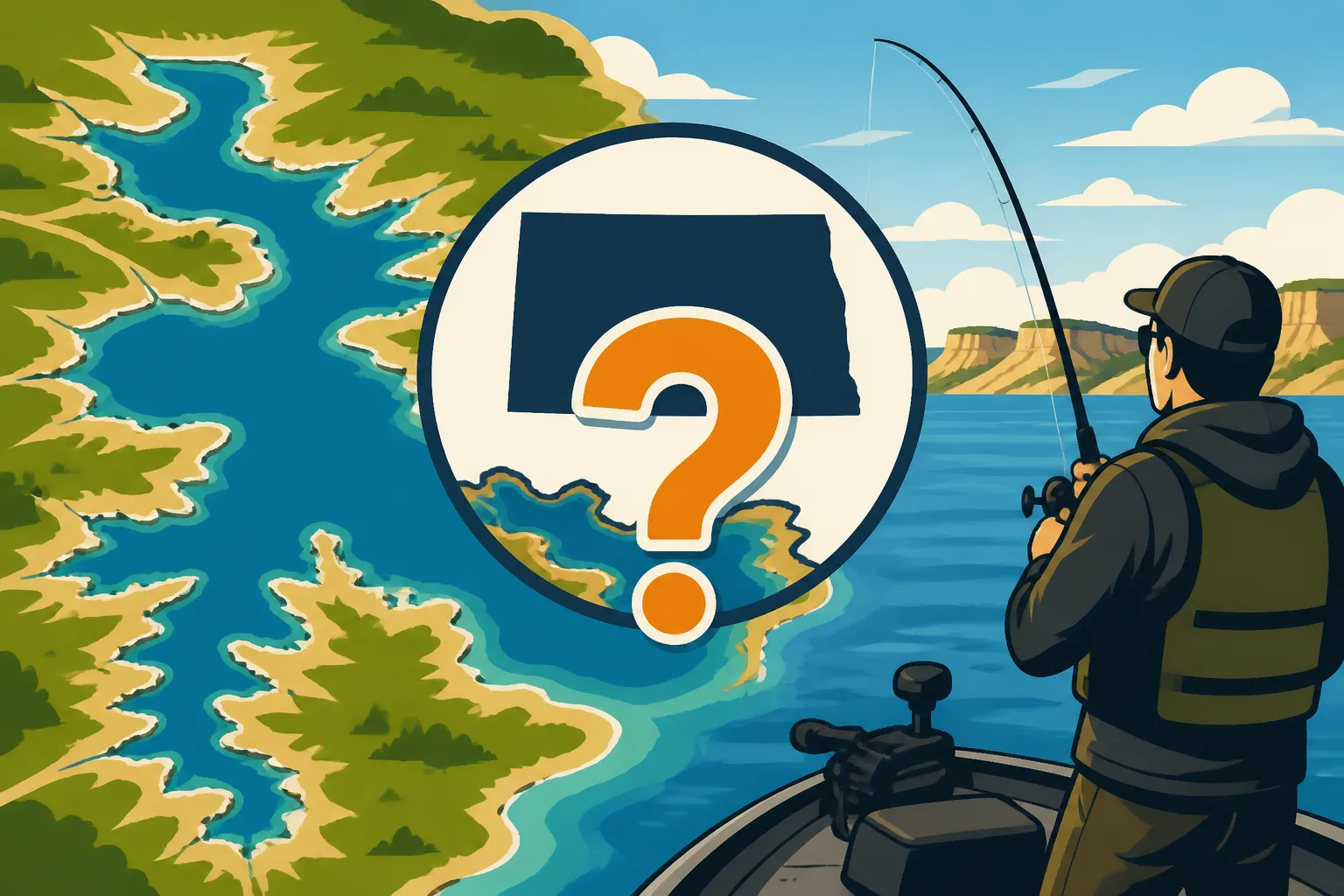
When you look at a map of North Dakota, Lake Sakakawea jumps out as this incredible, winding giant, and it’s easy to feel overwhelmed by its sheer size. Many anglers and outdoor enthusiasts often wonder just how much ground—or in this case, water and land—this massive reservoir actually covers. Planning a fishing trip or even a simple camping excursion can feel like trying to map out an entire coastline when you don't grasp the true scope of its edges. This comprehensive guide is here to untangle the mystery of Lake Sakakawea's shoreline, explain why that number is more dynamic than you might think, and help you appreciate the vast opportunities it presents for your next adventure.
The Monumental Scale of Lake Sakakawea's Shoreline
Lake Sakakawea is a truly remarkable body of water, and its shoreline is nothing short of immense. Stretching across the landscape of North Dakota, it boasts an incredible 1,320 miles of shoreline at its normal maximum operating pool elevation. To put that into perspective, that's more shoreline than the entire coast of California, and nearly twice as much as Florida's Gulf Coast! It's a staggering figure that speaks volumes about the lake's vastness and the endless nooks, crannies, and diverse habitats it offers. This monumental length is a key reason why Lake Sakakawea remains one of the premier fishing and recreational destinations in the upper Midwest, drawing anglers from across the country eager to explore its sprawling waters.
Why the Number Can Vary
Now, you might hear slightly different numbers for Lake Sakakawea's shoreline, and there’s a very good reason for that: the lake's water levels are constantly in flux. The official 1,320-mile figure is typically given for the lake at its optimal elevation, often referred to as "full pool" or normal maximum operating level, which is around 1,850 feet above sea level. However, Lake Sakakawea is a managed reservoir, part of the extensive Missouri River system, and its levels can fluctuate significantly throughout the year and from year to year.
When water levels are higher, the lake expands, flooding low-lying areas, timber, and coulees, which in turn increases the total measured shoreline. Conversely, when water levels drop, vast stretches of mudflats, sandy beaches, and rocky points become exposed, effectively shortening the water's edge and altering access points. These fluctuations make the shoreline a living, breathing entity, constantly reshaping itself. The highly irregular, dendritic pattern of the lake, with its countless bays, arms, and inlets formed by submerged river valleys, also contributes to this variability. Unlike a simple, smooth lake, Lake Sakakawea's intricate structure means that even small changes in water depth can have a dramatic effect on the measured length of its shoreline. It's truly a dynamic landscape, always offering something new to explore depending on the season and the whims of the weather.
Putting "Shoreline Miles" into Perspective
When we talk about 1,320 miles of shoreline, it can be hard to truly wrap your head around that figure. Imagine driving from Fargo, North Dakota, all the way to Denver, Colorado – that's roughly 800 miles. Or consider driving the entire length of North Dakota from east to west, which is about 350 miles. Lake Sakakawea's shoreline far surpasses these distances, offering an incredible amount of real estate for recreation and exploration.
This immense length translates directly into unparalleled opportunities for anglers, boaters, and outdoor enthusiasts. For fishermen, it means an almost inexhaustible supply of diverse fishing habitats. From sandy beaches and long points to rocky bluffs and submerged timber, every mile can offer a unique angling challenge and a different species to target. For those who enjoy Best Bank Fishing Spots in North Dakota, the sheer number of accessible areas is a dream come true, though finding your own secluded spot can still require a good map and some adventurous spirit. The vastness also means that even on the busiest days, you can often find a quiet cove or a hidden bay to call your own. It's this profound scale that makes the Lake Sakakawea Fishing Guide for North Dakota Anglers so essential, as it helps you pinpoint where to even begin your adventure on such a sprawling body of water.
Understanding Lake Sakakawea's Dynamic Water Levels and Their Impact
As we've touched upon, Lake Sakakawea isn't a static bathtub. Its water levels are a constantly shifting puzzle piece in the larger ecosystem of the Missouri River. This dynamic nature is a double-edged sword: it creates incredible diversity and challenges, but also means that conditions can change quite a bit from one visit to the next. Understanding these fluctuations is crucial for anyone planning to fish, boat, or simply enjoy the shoreline.
The Role of the Missouri River System
Lake Sakakawea is one of the largest man-made reservoirs in the United States, formed by the impoundment of the Missouri River by the Garrison Dam. This means its water levels are directly tied to the management of the entire Missouri River system, which is a massive undertaking managed by the U.S. Army Corps of Engineers. They have to balance many competing needs: flood control, irrigation, hydropower generation, navigation downstream, and recreation. As a result, water levels can swing dramatically depending on snowfall in the Rocky Mountains during winter, spring runoff volumes, and rainfall events throughout the basin.
In spring, you often see levels rise as snowmelt from upstream makes its way down, filling the reservoir. This can flood new areas, creating prime shallow-water spawning habitat for species like northern pike. By late summer and fall, levels might recede as water is released downstream for various purposes, or simply due to evaporation during hot, dry periods. This fluctuation is a key component of the Missouri River Fishing Guide and understanding how it affects fish movement and access on Sakakawea is paramount. You might find that your favorite boat ramp is completely out of water one year, while the next, it's easily accessible. Keeping an eye on the Lake Sakakawea Water Level Right Now is a smart move before any trip.
How Water Levels Affect Shoreline Fishing and Access
The ever-changing water levels on Lake Sakakawea have a profound impact on the fishing experience, especially for those who prefer to fish from shore or target specific shoreline structures.
During periods of high water, the lake expands its reach into previously dry areas. This can be fantastic for certain types of fishing. For instance, flooded timber and brush provide excellent cover for game fish like walleye and northern pike, offering ambush points for them to hunt baitfish. These newly submerged areas often become teeming with life, providing rich feeding grounds. However, high water can also mean that traditional access points, like some boat ramps or shore fishing spots, become inundated or harder to reach due to muddy, soft ground. Anglers might need to adjust their strategies, perhaps focusing on pitching lures into flooded vegetation or targeting the newly formed edges where deeper water meets the rising shoreline.
Conversely, low water levels reveal extensive stretches of shoreline that were once underwater. This can expose rocky reefs, sandbars, and old roadbeds, which can be fantastic fish-holding structures once the water rises again. However, during the low-water period itself, access can be severely limited. Many shallower boat ramps may become unusable, requiring boaters to find deeper access points or launch smaller vessels in less conventional ways. Shoreline anglers might find themselves walking across vast mudflats to reach the water's edge, and the fish might pull back to deeper water, making them harder to reach without a boat. The lack of flooded cover also changes fish behavior, often consolidating them around remaining deep-water structure or channels. Understanding these patterns is key to adapting your approach and still finding success on this magnificent, ever-evolving lake.
Navigating the Vastness for Your Fishing Adventures
With over a thousand miles of shoreline, the idea of "just going fishing" on Lake Sakakawea can feel like an impossible task. It’s so big that many anglers, even seasoned ones, find themselves wondering where to even start. But don't let the sheer size intimidate you! With a little planning and the right approach, you can unlock incredible fishing adventures.
Identifying Prime Shoreline Fishing Spots
Even on a lake as immense as Sakakawea, there are fantastic opportunities for fishing from shore if you know where to look. The key is to think like a fish: where would you hide, ambush prey, or find comfortable water? Look for areas that offer a change in depth, cover, or current. Long points that extend out into the main lake, especially those with rocky bottoms or submerged timber, are always good bets for walleye and smallmouth bass. Coves and bays that offer protection from the wind or have inflowing water can concentrate baitfish, attracting larger predators. Even seemingly featureless stretches of shoreline can be productive if they have subtle depth changes or isolated rocks.
Public access sites, especially those within state parks like Lake Sakakawea State Park and Fort Stevenson State Park, often provide excellent developed shoreline access with parking, restrooms, and sometimes even fishing piers. These are great starting points for beginners or families. Beyond these, numerous North Dakota Fishing Access Sites on Lake Sakakawea exist, some offering simple pull-offs and trails to the water's edge, giving you a chance to explore more secluded spots. Don't be afraid to pull out a map, identify interesting contours or features, and then physically explore the area. You'd be surprised what hidden gems you can find with a bit of legwork, especially if you're looking for Best Bank Fishing Spots in North Dakota away from the crowds.
Utilizing Boats and Guides to Explore Further
While shore fishing on Lake Sakakawea can be incredibly rewarding, truly exploring the lake's vast shoreline and unlocking its full potential often necessitates a boat. A boat allows you to reach those remote bays, fish deep-water structure far from shore, and follow fish migrations across large expanses of water. For a body of water this size, a stable, capable fishing boat is almost essential, especially given the potential for strong winds and rough water. When choosing a vessel, consider something like a deep-V aluminum boat or a fiberglass multi-species boat, which are ideal Best Boats for Lake Sakakawea's Big Water because they can handle the chop that Sakakawea can kick up.
For those who are new to the lake, don't have their own boat, or simply want to maximize their chances of success, hiring a local fishing guide is an invaluable strategy. A guide knows the lake's ever-changing conditions, understands fish patterns, and can take you directly to the hot spots. Whether you're targeting walleye, northern pike, or Chinook salmon, a guide can save you countless hours of searching and help you learn the nuances of fishing this immense reservoir. Platforms like FishingBooker can connect you with experienced, licensed guides who specialize in Lake Sakakawea, providing an easy way to book a trip tailored to your interests. These professionals are well-versed in North Dakota Fishing Guide Licensing Requirements Explained and can provide all the necessary gear and expertise for a memorable outing. They'll also be up-to-date on Lake Sakakawea Walleye Fishing Spots and other species-specific locations, making your fishing adventure much more efficient and enjoyable.
The Ecological Significance of Lake Sakakawea's Shoreline
The extensive and varied shoreline of Lake Sakakawea is far more than just a measurement; it's the very foundation of the lake's rich ecosystem. This massive edge provides critical habitat, feeding grounds, and spawning areas for a diverse array of fish and wildlife, making it a cornerstone of North Dakota's natural heritage. Understanding its ecological importance helps us appreciate why its preservation and responsible use are so vital.
Habitat for Fish and Wildlife
The incredible length of Lake Sakakawea's shoreline means there's a huge variety of microhabitats. You'll find everything from steep, rocky bluffs and gravelly points to gently sloping sandy beaches, vast mudflats, and drowned timber. Each of these different types of shoreline provides unique conditions that attract and support various species.
For instance, the rocky areas and submerged ledges are prime territory for smallmouth bass and walleye, offering structure for them to ambush baitfish. The sandy and silty stretches of shoreline, particularly in shallow bays, are crucial spawning grounds for yellow perch and other panfish. The vast areas of flooded timber and vegetation that become submerged during high water periods create ideal nursery habitats and protective cover for young fish, as well as providing excellent ambush points for predator species like North Dakota Northern Pike Fishing Guide. These intricate edges also support a thriving population of baitfish, which in turn fuels the growth of larger game fish like North Dakota Walleye Fishing Guide and even the impressive North Dakota Chinook Salmon Fishing Guide that patrol the deeper, open waters but often cruise the shoreline breaks. This rich tapestry of habitat ensures a healthy and diverse fishery, making Lake Sakakawea a truly special place. In fact, many people often wonder What Fish Species Live in Lake Sakakawea? and the answer is usually a long, impressive list, all thanks to its varied shoreline.
Conservation and Recreational Opportunities
The immense shoreline of Lake Sakakawea is not just ecologically vital; it's also a major draw for countless recreational activities. From fishing and boating to camping, hiking, wildlife viewing, and photography, the opportunities are boundless. However, with such extensive use comes a significant responsibility for conservation. Protecting this valuable resource ensures that future generations can continue to enjoy its beauty and bounty.
Efforts to manage aquatic invasive species are particularly critical along the shoreline, as these can easily be spread by boats and trailers. Anglers and boaters play a crucial role in preventing the spread of species like zebra mussels by diligently cleaning, draining, and drying their equipment. Additionally, respecting private property boundaries and utilizing designated public access points helps maintain positive relationships between landowners and recreationists. Many areas along the shoreline are public lands managed by federal or state agencies, providing ample access. State parks like Lake Sakakawea State Park and Fort Stevenson State Park offer developed campgrounds and facilities, making them perfect bases for exploring the lake. Beyond organized parks, countless undeveloped spots along the shoreline invite adventurers to camp under the stars, hike winding trails, or simply sit and observe the abundant wildlife, from majestic eagles soaring overhead to various waterfowl dabbling in the shallows. The shoreline is a precious resource, offering both solitude and community, and its continued health relies on all of us being responsible stewards of this incredible North Dakota treasure.
Here's a quick look at how Lake Sakakawea's shoreline compares:
| Body of Water / Region | Shoreline Length (Approximate) | Notes |
|---|---|---|
| Lake Sakakawea | 1,320 miles | At normal maximum operating pool (1,850 ft elevation) |
| California Coastline | 840 miles | Pacific Ocean border |
| Lake Michigan | 1,640 miles | One of the Great Lakes (larger overall area) |
| Devils Lake (ND) | 370 miles | Highly variable due to natural lake level fluctuations |
| Lake Superior | 2,726 miles | Largest of the Great Lakes |
| Entire State of North Dakota | 350 miles (east-west) | Not a shoreline, but for scale comparison of state dimensions |
Disclaimer
Please remember that fishing regulations, license requirements, and lake conditions, including water levels, can change. Always consult the North Dakota Game and Fish Department's official publications and website for the most current information before planning your trip. Safety on the water is paramount; be aware of weather conditions and always wear appropriate personal flotation devices.