Do Walleye Bite Better at Night?
Many North Dakota anglers find themselves pondering the age-old question: do walleye truly bite better at night? It’s a common debate around campfires and boat ramps, often fueled by tales of legendary catches under the stars versus frustrating daytime outings. If you've ever felt that elusive tug after sundown or wondered if you're missing out on prime fishing hours, you're in the right place. This guide will dive deep into the fascinating world of nocturnal walleye, exploring why they become more active, what conditions make for the best night fishing, and how you can gear up and technique your way to success in North Dakota's incredible waters.
The Nocturnal Nature of Walleye
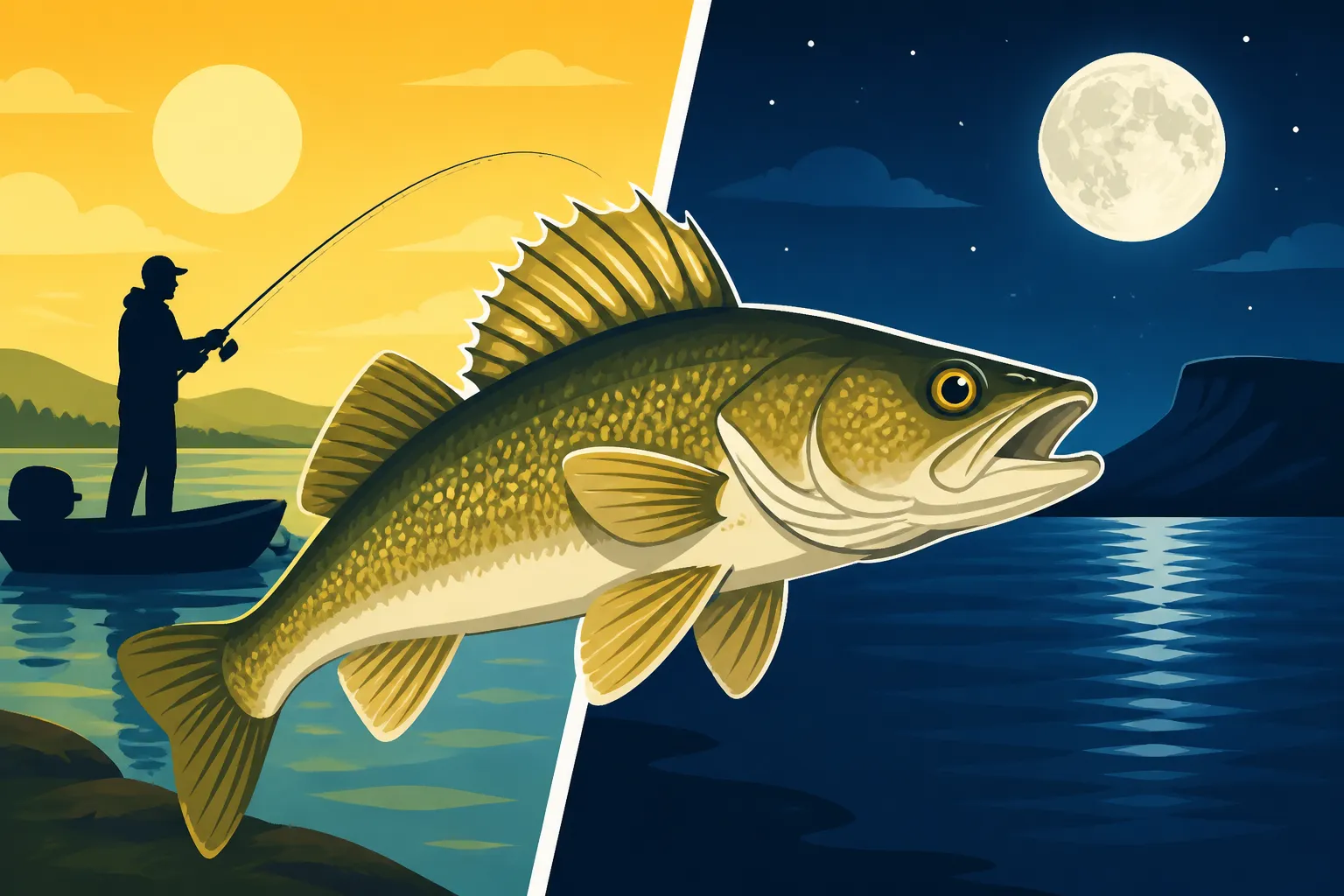
There's something uniquely magical about being on the water when the sun dips below the horizon, transforming familiar landscapes into mysterious silhouettes. For walleye anglers, this transition often signals the start of the most exciting fishing. It's not just a myth; walleye are indeed highly adapted for low-light conditions, and understanding their biology is key to unlocking consistent night bites.
Why Walleye Prefer the Dark
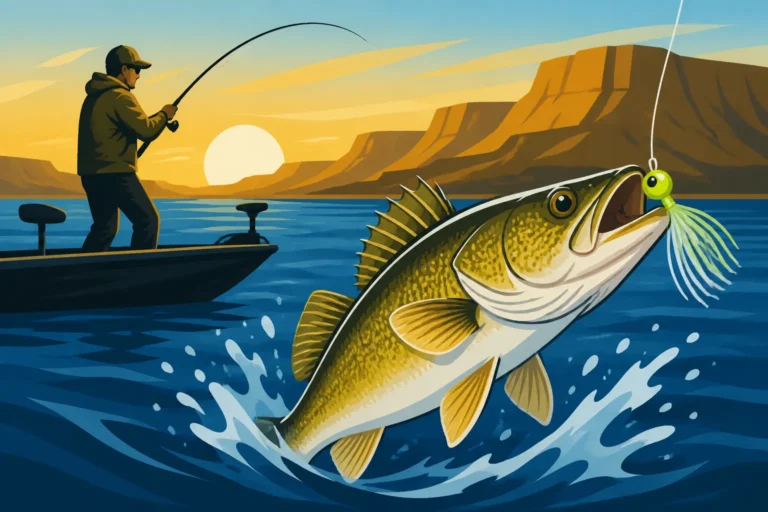
Walleye, scientifically known as Sander vitreus, possess an incredible adaptation that gives them a distinct advantage once daylight fades: their eyes. Unlike many other fish species, walleye have a specialized layer in their eyes called the tapetum lucidum. This reflective layer, similar to what you see in cats or deer eyes at night, helps gather and amplify even the faintest available light. Think of it like a built-in night vision enhancer. In essence, while other fish are struggling to see in the dimness, walleye's vision becomes remarkably efficient. This is why you'll often hear experienced anglers talk about walleye "turning on" as the sun goes down or on cloudy, overcast days; they simply see better than their prey and their competitors in those conditions. It gives them a significant edge in hunting.
The Low-Light Advantage and Predator-Prey Dynamics
This superior low-light vision profoundly impacts the predator-prey relationship in a lake or river. During the bright daylight hours, smaller baitfish like perch, shiners, and cisco can often spot and evade walleye more easily. However, once twilight sets in, the tables turn. The walleye's keen eyesight allows them to hunt with greater efficiency, while their prey struggles to detect the approaching danger. This period of increased predatory efficiency is why walleye move from their deeper, daytime holding patterns to shallower feeding areas as darkness descends. They're following the baitfish, which also often move shallower to feed under the cover of darkness. This shift in activity makes them more accessible to anglers who brave the night. It's a prime example of how understanding the nuanced behaviors of different fish species, a topic explored further in our comprehensive North Dakota Walleye Fishing Guide, can dramatically improve your success rate.
Optimal Conditions and Seasons for Night Walleye Fishing
While walleye have a natural inclination for the dark, not all nights are created equal. Certain seasonal windows and environmental factors can dramatically increase your chances of a successful nocturnal outing in North Dakota. Paying attention to these details can elevate your fishing from a hopeful cast into a strategic pursuit.
Key Seasonal Windows for Night Bites
North Dakota offers prime night walleye fishing across several seasons, each with its unique opportunities.
- Spring Post-Spawn: After the walleye spawn, typically in late April or early May, these fish are often ravenously hungry and recuperating from their strenuous reproductive efforts. As the water warms, they move into shallower areas to feed heavily on baitfish. Night fishing during this period can be incredibly productive, especially around rocky points, shallow reefs, and emergent vegetation where baitfish congregate. The water temperatures are still on the cooler side, so fish tend to stay shallower for longer.
- Summer Evenings and Nights: As summer progresses and water temperatures climb, walleye often retreat to deeper, cooler water during the day. However, as the sun sets and the water surface cools, they will migrate to shallower structures, humps, and weed lines to feed. These summer night bites are fantastic on big lakes like Lake Sakakawea, where fish might be found shallower than you'd expect. The key is to target transition areas where deep water meets shallow feeding flats. Even on smaller bodies of water like Lake Audubon, these patterns hold true, offering consistent action if you know where to look.
- Fall Feeding Frenzy: Arguably one of the best times for night walleye fishing is during the fall. As water temperatures drop and winter approaches, walleye embark on a massive feeding spree to pack on calories. They become incredibly aggressive, and their low-light advantage makes them formidable predators. This is when you can find big walleye in relatively shallow water, especially after a cold front. Focus on areas with remaining green weeds, rocky structures, and main lake points. The fish are often schooled up, so once you find them, the action can be fast and furious.
Understanding how North Dakota Fishing Season Dates and Limits align with these seasonal patterns is crucial for planning your trips.
Reading the Water: Ideal Weather and Clarity
Beyond the season, specific weather and water conditions can significantly influence how well walleye bite at night.
- Moon Phases: Many anglers swear by the new moon phase for night walleye fishing. The theory is that with minimal moonlight, the walleye's superior low-light vision provides an even greater advantage over baitfish, leading to more aggressive feeding. Conversely, a full moon, while beautiful, can sometimes make walleye more finicky, as the increased light might cause them to feed for shorter periods or in deeper water. However, don't let a bright moon deter you entirely; walleye will still feed, but you might need to adjust your tactics.
- Cloud Cover: Overcast nights are often fantastic. The uniform darkness created by heavy cloud cover enhances the walleye's visual advantage and can keep them active throughout the night. If the weather forecast calls for clouds, consider it a green light for a night fishing expedition.
- Wind and Waves: A little chop on the water can actually be your friend. Light to moderate wind creating a ripple or small waves on the surface helps break up the moonlight and further reduces visibility for baitfish, while also providing cover for the predatory walleye. It also helps create current, which can position baitfish. On dead calm nights, walleye can sometimes be warier, so don't be afraid of a gentle breeze. However, always prioritize safety, especially when on larger lakes like Sakakawea, where winds can kick up dangerous waves quickly.
- Water Clarity: Stained or slightly murky water can extend the walleye's low-light advantage into daylight hours, but it's particularly potent at night. The reduced visibility makes baitfish even more vulnerable. On the flip side, extremely clear water might mean walleye feed in shallower water for shorter, more intense bursts right after sundown and before sunrise, retreating quickly to deeper zones. Adjusting your lure colors, opting for bolder patterns or glow-in-the-dark options, can make a difference in different water clarities, a technique we explore in depth in our guide on Best Walleye Jig Color for Stained Water.
Gear, Tactics, and Safety for Successful Night Fishing
Night fishing for walleye is a different beast than daytime angling. It demands specific gear, thoughtful tactics, and an unwavering commitment to safety. Getting these elements right can be the difference between a memorable night of big fish and a frustrating, or even dangerous, experience.
Choosing the Right Lures, Baits, and Presentations
When the lights go out, walleye rely heavily on their lateral line to detect vibrations and their keen eyesight to spot silhouettes. Your lure choice should leverage these senses.
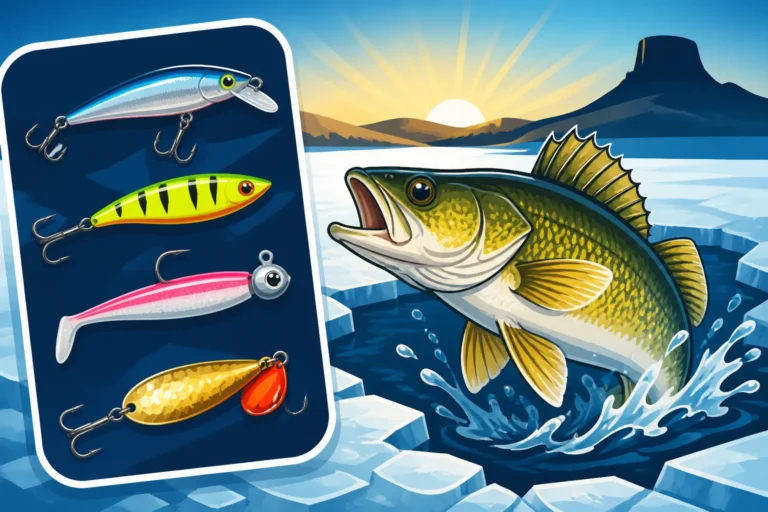
- Crankbaits and Stickbaits: These are perennial favorites for night walleye. Long, slender stickbaits that mimic baitfish, especially those with rattles or a strong wobble, are deadly. Colors that create a good silhouette against the moonlit (or starlit) sky, like black, dark blue, or purple, are often effective. Many anglers also swear by glow-in-the-dark or UV-enhanced crankbaits. For deeper presentations, lipped crankbaits that dive to the fish's depth are essential. Trolling these at slow speeds along break lines or over shallow flats is a proven method. Brands like Rapala and Berkley offer excellent options, and you can find a huge variety of them readily available on Amazon.com. For a comprehensive look at what colors work, check out Best Walleye Crankbait Colors for Lake Sakakawea.
- Jigs and Soft Plastics: Jigging can be incredibly effective, particularly if you're targeting specific structures like humps, rock piles, or bridge pilings. Pairing a lead head jig with a plastic paddle tail, grub, or a live minnow or nightcrawler creates an irresistible profile. Again, glow-in-the-dark jigs are a game-changer. The subtle thump and vibration of a soft plastic can be just enough to trigger a bite from a curious walleye. Vertical jigging directly over fish marked on your sonar or casting and retrieving slowly are common approaches.
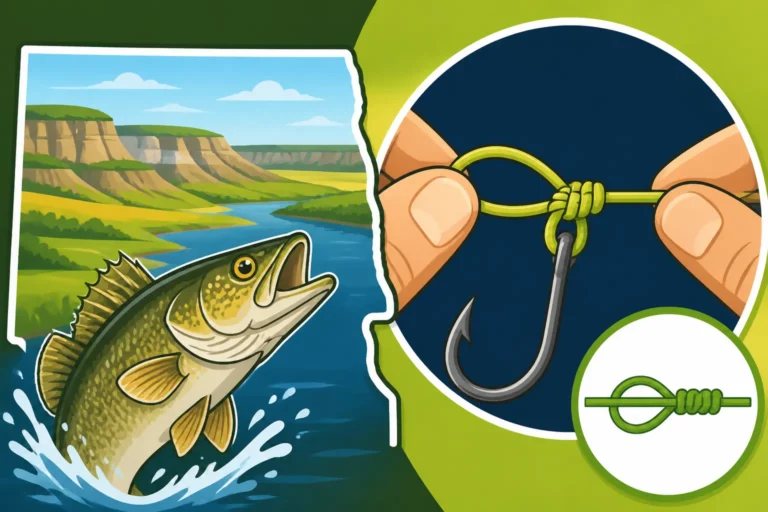
- Live Bait Rigs: Sometimes, nothing beats the real thing. A simple slip bobber rig, especially in shallower water, with a lively minnow or a juicy nightcrawler, can be incredibly effective. The bobber allows you to present the bait at a specific depth and detect even the slightest bite, which can be crucial when walleye are lethargic or spooky. You can learn more about how to set up these versatile rigs in our guide on How to Rig a Slip Bobber for Walleye. Bottom bouncers with spinner rigs or snell hooks tipped with live bait are also fantastic for slowly drifting or trolling along contours. The scent and natural movement of live bait can entice even the most hesitant walleye.
Here's a quick comparison of popular night walleye presentations:
| Presentation Type | Target Depth/Area | Advantages | Disadvantages | Preferred Conditions |
|---|---|---|---|---|
| Trolling Crankbaits | Mid-depths, open water, flats | Covers large areas, triggers reaction strikes | Requires boat, can be slow to pinpoint fish | Windy, searching for active fish |
| Jigging | Structure, humps, break lines | Precise presentation, good for schooling fish | Slower coverage, requires active manipulation | Calm, targeting known fish locations |
| Slip Bobber & Live Bait | Shallow water, weed edges | Natural presentation, detects light bites, versatile | Limited range, can be affected by current | Calm, targeting stationary fish or tight spots |
| Bottom Bouncers/Rigs | Contours, break lines, flats | Covers ground, good for slow trolling or drifting | Can snag in heavy cover, less active presentation | Moderate wind, searching for feeding lanes |
Essential Equipment for Navigation and Comfort
Safety and comfort are paramount when fishing at night. The last thing you want is to be fumbling around in the dark or battling the cold without proper gear.
- Lighting: A reliable headlamp is your best friend. Look for models with a red-light setting, as red light preserves your night vision better than white light, allowing your eyes to adjust quickly back to the darkness when you turn it off. Many great options are available on Amazon.com. Always carry spare batteries or a portable charger. For boaters, ensure all navigation lights are functional and visible. A powerful spotlight can also be incredibly useful for spotting hazards or locating landmarks.
- Navigation: A GPS unit or a chartplotter is non-negotiable, especially on large, complex lakes like Lake Sakakawea or Devils Lake. Pre-mark your fishing spots, boat ramps, and any hazards during daylight hours. A good fish finder is also essential to locate structure and baitfish, even if you're not seeing specific walleye arcs. Investing in one of the Best Fish Finders for North Dakota Lakes will pay dividends, day or night.
- Warm Clothing: Even in summer, nights in North Dakota can get surprisingly chilly, especially on the water. Dress in layers, including waterproof outer shells, hats, and gloves. Hypothermia is a real risk. A hot thermos of coffee or cocoa can also be a lifesaver. Consider a portable heater for larger ice fishing shelters, even if it's just a temporary late-fall setup.
- Safety Gear: Always wear a life jacket, or at least have it easily accessible. Inform someone of your fishing plans and expected return time. A fully charged cell phone (in a waterproof case) and a first-aid kit are also crucial. Learn about Best Life Jacket for Cold Water Fishing to ensure you're protected.
Strategic Approaches to Locating and Catching Night Walleye
Finding walleye at night involves a combination of pre-planning and on-the-water adaptation.
- Scout During the Day: Before heading out at night, spend some time during the day locating potential structures, weed lines, drop-offs, and points where walleye might feed. Identify baitfish schools. This reconnaissance is invaluable when you're navigating in the dark. Our guide on How to Find Walleye Structure With a Map offers excellent strategies for this.
- Target Transition Zones: Walleye often move from deep water to shallow feeding flats or shelves as darkness falls. Look for these "transition zones" – areas where a steep drop-off flattens out into a shallower shelf or where deep water meets a vast weed bed. These are natural ambush points for hungry walleye.
- Slow and Steady: Night fishing is rarely about speed. Walleye are often more wary in the dark, and they might need a slower presentation to commit. Whether you're trolling, jigging, or retrieving a cast, work your lures slowly and deliberately. Pay close attention to subtle bites, as they can be very light at night.
- Fish the "Edges": Walleye love edges. This could be the edge of a weed line, the edge of a rock pile, or the edge of a defined break line. These edges provide cover for them to ambush prey. Focus your efforts precisely on these areas.
- Patience is a Virtue: Sometimes the bite might not turn on until an hour or two after dark, or it might be concentrated in specific windows. Be patient, move slowly, and trust your electronics. The payoff can be immense.
Top North Dakota Destinations for Nighttime Walleye Anglers
North Dakota is blessed with incredible walleye fisheries, and many of them truly shine under the cover of darkness. Knowing which waters to target and where to focus your efforts within those lakes and rivers can drastically improve your night fishing success.
Productive Lakes and Rivers Under the Stars
When it comes to chasing walleye after sunset, a few North Dakota gems consistently deliver.
- Lake Sakakawea: This massive reservoir, formed by the Missouri River, is a walleye mecca, and it's equally impressive at night. Its vastness means there are countless points, submerged islands, and expansive flats that become prime feeding grounds once the sun is down. Target the myriad of bays and points in areas like the Van Hook Arm or the Deepwater Bay region. The fish move surprisingly shallow at night, so don't be afraid to target depths of 5-15 feet, especially in early summer and fall. Look for gravel bars, rocky shorelines, and areas with submerged timber where baitfish hide. For more detailed insights, our guide on Lake Sakakawea Walleye Fishing Spots offers excellent starting points.
- Devils Lake: Known for its "perch factory" reputation, Devils Lake is also a phenomenal walleye fishery, and its night bite can be epic. The lake's unique flooded timber and extensive shallow structure provide perfect ambush points for walleye. Focus on the edges of flooded roads, submerged tree lines, and rocky reefs. Walleye here are very much opportunistic predators, and the cover of darkness often makes them bolder. Trolling crankbaits along the edges of these structures or casting jigs into pockets within the flooded timber can be very effective. As the water fluctuates, understanding the current lake level and its impact on structure is vital, which is something we frequently cover in our guides like Devils Lake Walleye Fishing Spots.
- Missouri River System (Lake Oahe, Garrison Dam Tailrace): The moving water of the Missouri River offers a different challenge and opportunity. Below the Garrison Dam, the tailrace areas are often productive due to the consistent flow and abundance of forage. Walleye will use current breaks and eddies as ambush points. Further south, in the upper reaches of Lake Oahe, points and submerged humps are excellent nocturnal targets. The key here is understanding current and how walleye position themselves. Trolling or drifting with jigs and live bait (like large minnows or chubs) are effective strategies. The Missouri River Fishing Guide provides a fantastic overview of this dynamic fishery.
- Smaller Local Lakes: Don't overlook the smaller, community lakes scattered across North Dakota. Many of these lakes hold healthy walleye populations, and the reduced fishing pressure at night can lead to fantastic results. Lakes like Jamestown Reservoir, Lake Ashtabula, or even smaller regional impoundments can offer intimate night fishing experiences with great potential. Often, the walleye in these lakes behave very similarly to their larger lake cousins, moving shallow to feed under cover of darkness.
Pinpointing Walleye Locations in Specific North Dakota Waters
Even within these top destinations, knowing where to start looking after sundown makes all the difference.
- Shallow Flats and Points: On any walleye lake, once the sun sets, look for walleye to move onto shallow flats adjacent to deeper water. These are typically areas 5 to 15 feet deep where baitfish often roam. Main lake points, especially those with a rocky or gravel composition, are classic night fishing spots. Walleye will cruise these areas, ambushing unsuspecting forage.
- Weed Edges: If there are green weed beds in the lake, walleye will often patrol their outer edges at night. These weeds provide cover for both predators and prey, creating a dynamic feeding zone. Focus on the deepest edge of the weed growth, or cast over the top of submerged weeds if they aren't too thick.
- Artificial Light Sources: While natural darkness is key, sometimes walleye are drawn to artificial light. Docks, bridges, or marinas with lights shining into the water can attract baitfish, and in turn, walleye. Casting around these illuminated areas can sometimes yield surprising results.
- Humps and Submerged Islands: Any structure that rises from deeper water, creating a "hump" or a "plateau," is a prime target. Walleye will use the sides and tops of these structures as feeding grounds, especially if there's a good current or wind pushing baitfish over them. Using a good GPS to pinpoint these underwater features is crucial, as is a reliable fish finder to confirm the presence of fish before you start casting or trolling. Understanding the North Dakota Fishing Regulations Explained for specific bodies of water will also help ensure your night trips are compliant and enjoyable.
Disclaimer
Fishing can be a dangerous activity. Always prioritize safety on the water, especially during nighttime hours. Be aware of weather conditions, wear appropriate safety gear including life jackets, and inform others of your plans. This guide is for informational purposes only, and local regulations and conditions can change. Always consult the latest North Dakota Game and Fish Department proclamations before heading out.