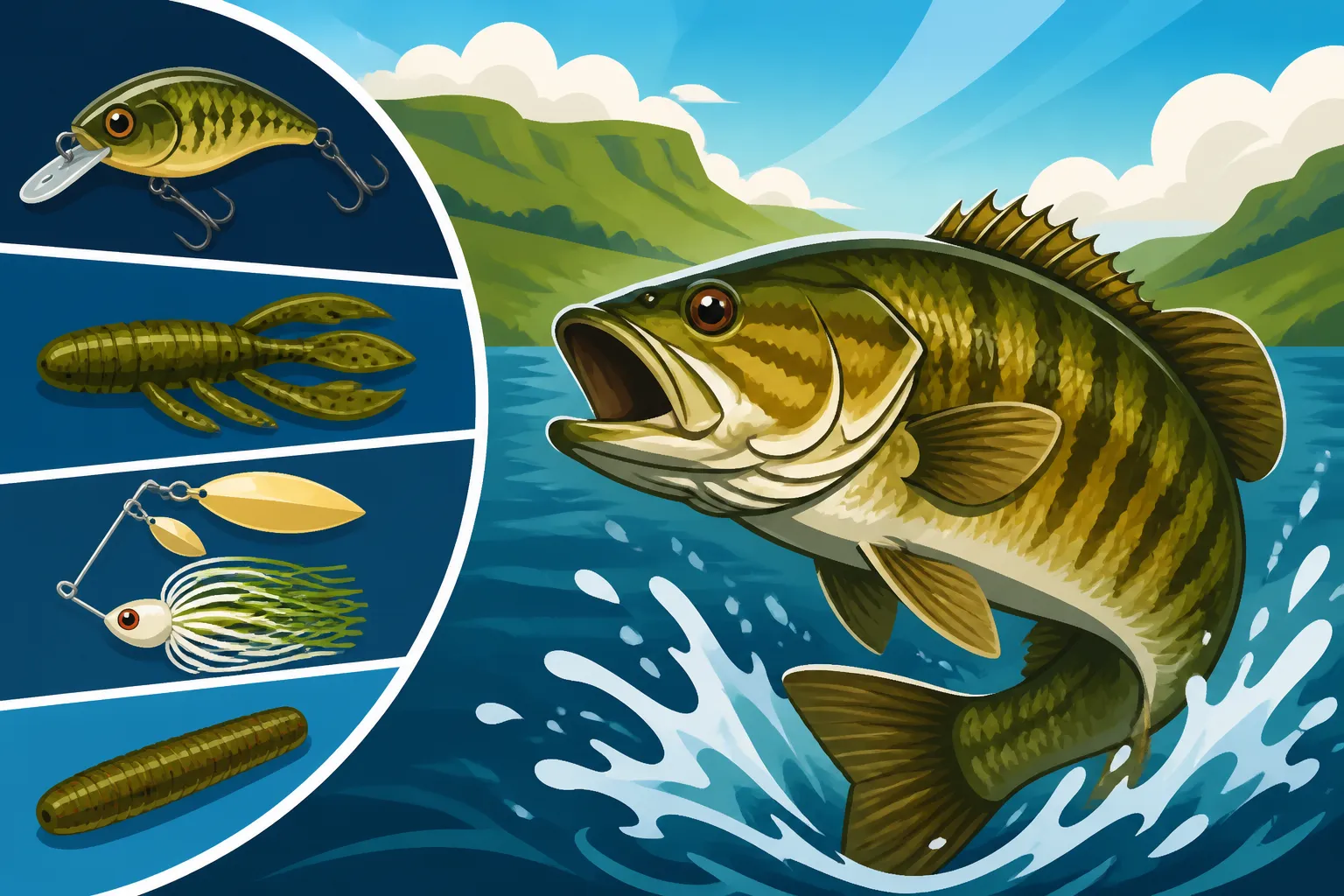
Best Lures for Smallmouth Bass in North Dakota
Chasing smallmouth bass in North Dakota can be an incredibly rewarding experience, but finding the right lure to trigger those aggressive strikes can feel like a constant puzzle. It’s frustrating to spend hours on the water, throwing everything in your tackle box, only to come up short. This comprehensive guide is designed to cut through that confusion, helping you understand the best lures for North Dakota smallmouth bass and how to use them effectively, so you can land more bronzebacks on your next outing.
Understanding North Dakota Smallmouth Bass and Their Habitat
Before we even dive into specific lures, it's crucial to understand the smallmouth bass themselves and the unique environments they inhabit in North Dakota. These feisty fish aren't just scaled-down versions of their largemouth cousins; they have distinct preferences that inform our lure choices.
Where Smallmouth Bass Thrive
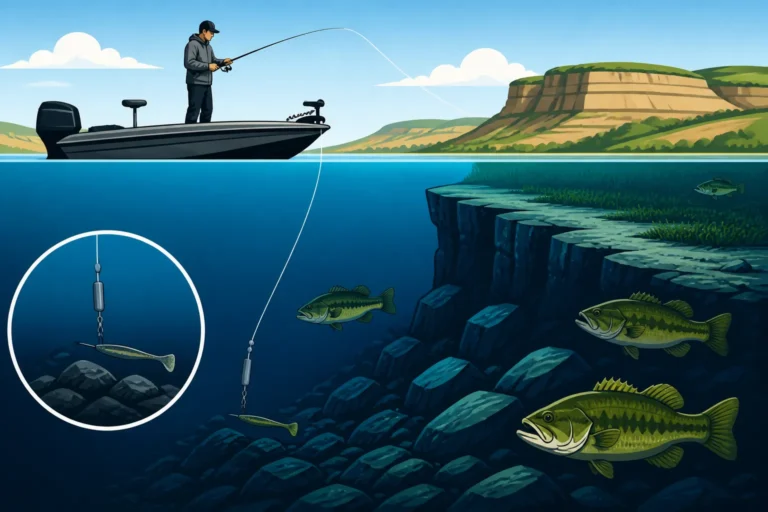
In North Dakota, smallmouth bass gravitate towards clear, rocky waters. Think about those beautiful, clean lakes with plenty of structure – submerged rocks, gravel beds, riprap shorelines, and even sunken timber. These aren't your muddy bottom-dwellers; smallmouth love ambush points where they can dart out to snatch unsuspecting prey. You'll find them in places like Lake Sakakawea, Lake Audubon, and even some stretches of the Missouri River. Understanding their preferred real estate is the first step in putting your lure in front of them. If you’re curious about more specific locations, our guide on Smallmouth Bass Habitat in North Dakota dives deeper into where these fish call home.
What Makes North Dakota Smallmouth Unique
North Dakota smallmouth bass are often known for their hard-fighting nature and robust size, especially in mature fisheries. They feed primarily on crayfish, minnows, and smaller baitfish, and their aggressive predatory instinct is what makes them such a blast to catch. Unlike some other species, smallmouth often react strongly to erratic movements and vibrations, which plays a huge role in selecting the right artificial lures. They are sight feeders, but also incredibly sensitive to subtle changes in water temperature and clarity, meaning sometimes the flash of a crankbait works, while other times a slow, methodical presentation with soft plastics is key. This adaptability is what makes them such an engaging target.
Top Lures for Smallmouth Bass in North Dakota
Now for the exciting part: what to tie on! When it comes to lures for North Dakota smallmouth bass, variety is your friend. You'll want a selection that covers different depths, retrieve speeds, and presentations to match the mood of the fish and the conditions of the day.
Crankbaits and Jerkbaits for Aggressive Bites
Crankbaits and jerkbaits are absolute staples for smallmouth, especially when they're actively feeding. These lures mimic baitfish with their erratic swimming actions and can cover a lot of water quickly, making them great for locating active fish.
- Crankbaits: These lipped lures dive to various depths depending on their design. For North Dakota smallmouth, medium-diving crankbaits (that run 6-12 feet deep) in natural baitfish patterns like perch, shad, or crawfish imitations are incredibly effective. Look for ones that deflect off rocks and structure – that unpredictable bounce is often what triggers a strike. Brands like Rapala (their Shad Rap and Scatter Rap series) or Strike King (like the KVD 1.5) are perennial favorites. You can often find a great selection of these on Amazon, making it easy to stock up before a trip. The key is to crank them down to their maximum depth and then vary your retrieve, sometimes speeding up, sometimes slowing down, and incorporating pauses. This stop-and-go action can be irresistible.
- Jerkbaits: Unlike crankbaits, jerkbaits are designed to be retrieved with a "jerking" or "twitching" motion, followed by pauses. During these pauses, many jerkbaits suspend motionless in the water, which is often when a smallmouth will strike. They excel in clear water, especially when fish are suspended or when you need a more precise presentation. Colors again should mimic local baitfish. The Lucky Craft Pointer and Rapala X-Rap are legendary jerkbaits that consistently catch smallmouth. Jerkbaits are particularly deadly in cooler water conditions, like early spring or late fall, when fish are a bit more lethargic and appreciate an easy, lingering target.
Soft Plastics for Finesse Fishing
When smallmouth are finicky, pressured, or conditions are tough (think bright sun, calm water, or a passing cold front), soft plastics often save the day. They offer a more subtle, natural presentation that can entice hesitant fish.
- Tubes: Tube baits, typically 3-4 inches long, are absolutely iconic for smallmouth bass. Rigged on an internal jig head, they spiral and glide through the water, perfectly imitating a dying baitfish or a crayfish. Green pumpkin, watermelon, and brown/black flake are fantastic colors in North Dakota's clear waters. Pitch them around rocky points, drop-offs, and current seams. Let them sink, then twitch your rod tip gently, allowing the tube to "swim" and fall. The strike often comes on the fall, so pay close attention to your line.
- Grubs/Swim Baits: Single-tail grubs on a small jig head (1/8 to 1/4 ounce) are simple yet incredibly effective. They have a subtle tail kick that vibrates through the water, drawing strikes from curious smallmouth. Small swimbaits, often 2-3 inches, can also be deadly when rigged on a jig head or even under a slip bobber. These mimic juvenile baitfish and work well when fish are keying in on smaller forage. Our article on Best Live Bait for North Dakota Walleye discusses some general bait principles, many of which also apply to the natural profiles mimicked by soft plastics.
- Drop Shot Rigs: The drop shot is a finesse technique where the weight is below the hook, allowing your bait (often a small worm, minnow imitation, or creature bait) to suspend at a specific depth just off the bottom. This presentation is deadly when smallmouth are deep or holding tight to structure. It presents the bait in a very natural, horizontal posture, which can be hard for a sluggish smallmouth to resist.
Topwater Lures for Explosive Action
There’s nothing quite like a smallmouth blowing up on a topwater lure. While not always the most consistent producers, topwater baits provide some of the most exciting strikes in fishing. These are best used in low light conditions (early morning, late evening), overcast days, or when fish are actively feeding on the surface.
- Poppers: Poppers create a "spitting" or "chugging" sound and splash as you twitch them, mimicking a struggling baitfish or insect. They are excellent for drawing fish out from cover or when bass are feeding aggressively on the surface. Try colors like frog patterns, white, or chrome.
- Walk-the-Dog Baits: Lures like the Heddon Super Spook Jr. or the Zara Spook are famous for their "walk-the-dog" retrieve, where the lure glides side-to-side across the surface. This unique action is incredibly enticing and can call in smallmouth from a surprising distance. Mastering this retrieve takes a bit of practice, but it's well worth the effort.
- Prop Baits: These lures feature small propellers on the front and/or back that churn water and create a commotion. They are great for attracting attention in choppy water or when you need to make a bit more noise to get a strike.
Spinnerbaits and Jigs for Versatility
These categories offer incredible versatility and are highly effective in a wide range of conditions, from clear to slightly stained water, and across various depths.
- Spinnerbaits: With their flashing blades and pulsating skirts, spinnerbaits are fantastic search baits that create both vibration and visual appeal. They excel when fished around submerged grass, rocks, or wood cover, where the blades deflect and trigger reactionary strikes. Tandem willow leaf blades for clear water and single Colorado blades for more vibration in stained water are common choices. Chartreuse, white, and baitfish patterns are go-to colors. If you're out on a windy day, these can cut through the chop effectively.
- Jigs (Hair Jigs, Football Jigs): Jigs are perhaps the most versatile lure in a smallmouth angler's arsenal.
- Hair Jigs: Small marabou or bucktail jigs (1/16 to 1/4 ounce) are phenomenal in colder water. They offer a very subtle, natural breathing action that drives smallmouth crazy. Fished with a slow, twitching retrieve, they mimic minnows.
- Football Jigs: These heavier jigs (often 3/8 to 3/4 ounce) are designed to crawl over rocky bottoms without snagging, making them perfect for covering deep, rocky structure where smallmouth love to hide. Tip them with a small plastic craw or chunk trailer for added bulk and action. Our guide on Best Fishing Tackle for North Dakota Lakes goes into more detail about how to choose the right jig weights for different depths and applications.
Adapting Your Lure Selection to Seasons and Conditions
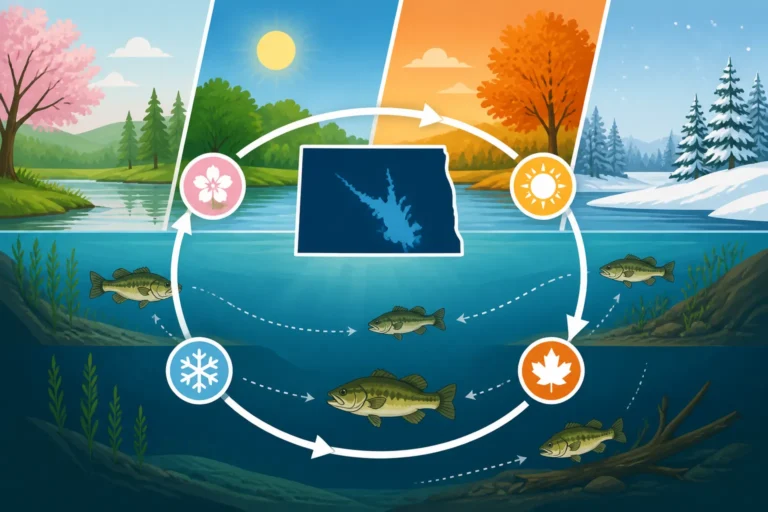
North Dakota's weather and water conditions can change dramatically throughout the year, and savvy smallmouth anglers adapt their lure choices accordingly. The fish’s behavior and location will shift with the seasons, so your approach should too.
Spring and Early Summer Strategies
As the ice goes out and water temperatures begin to rise, smallmouth bass start to move shallow, often staging on rocky points and flats near their spawning grounds.
- Pre-Spawn: This is a fantastic time for jerkbaits and suspending crankbaits. The fish are hungry and aggressive, but the water is still cool, so a lure that hangs in the strike zone can be deadly. Spinnerbaits retrieved slowly around visible cover are also very effective. Look for rocky shorelines that absorb sunlight, warming the water faster.
- Spawn: Smallmouth will build nests in shallow, rocky areas. While it's often best to leave spawning fish undisturbed, if you do fish near them, tubes or small jigs fished slowly can provoke strikes from protective males. Remember to check local regulations for any specific rules during the spawning season.
- Post-Spawn/Early Summer: After spawning, smallmouth scatter and feed heavily to regain energy. Crankbaits, topwater lures (especially poppers and walk-the-dog baits in the mornings and evenings), and fast-retrieved spinnerbaits are excellent for covering water and finding these active fish. They'll often be found transitioning to summer haunts, so look for deeper structure adjacent to shallow feeding areas.
Mid-Summer Deep Water Tactics
When the North Dakota summer heats up, smallmouth often move deeper to seek cooler water and stable temperatures. This is when understanding structure and using your electronics becomes critical.
- Deep Cranking: Use deep-diving crankbaits that can reach depths of 15-20 feet or more. Focus on offshore humps, rock piles, ledges, and transition areas. The trick is to bounce these lures off the bottom or structure.
- Carolina Rigs and Drop Shots: These finesse rigs are exceptional for presenting soft plastics to deep-holding smallmouth. A Carolina rig uses a sliding weight above a swivel, with a leader (2-4 feet) to a soft plastic bait. This allows the bait to float enticingly above the bottom, mimicking a crayfish or gobby. Drop shots are also deadly, especially on vertical breaks or when fish are suspended.
- Football Jigs: Slowly dragging or hopping a football jig with a craw trailer across deep rock and gravel bottom is a time-tested method for catching big smallmouth in the dog days of summer. If you're facing a cold front, which can make fish lethargic, adapting your retrieve to a slower, more deliberate motion, as discussed in our article on Fishing During a Cold Front in North Dakota, will be crucial.
Fall Transition and Pre-Winter Bites
As autumn colors arrive and water temperatures drop, smallmouth bass enter a feeding frenzy, bulking up for winter. This can be one of the best times of year for trophy fish.
- Aggressive Feeding: Jerkbaits are kings in the fall. Smallmouth will chase baitfish aggressively, and the suspending action of a jerkbait can be irresistible. Long pauses become more important as the water cools further.
- Deep Cranking and Blade Baits: Fish will often follow baitfish into deeper pockets and channels. Deep-diving crankbaits continue to produce, and blade baits (like the Damiki Vault or Sebile Vibrato) can be incredibly effective when vertically jigged over schooling fish or structure.
- Jigs and Tubes: As temperatures really plummet, tubes and small jigs fished slowly on the bottom become dominant. The fish might not be as active, but they'll still take a subtle, easy meal. This is a time to really work your lure meticulously through potential holding areas.
Essential Gear Beyond Lures for Smallmouth Success
Having the right lures is only part of the equation. To truly succeed in catching North Dakota smallmouth, you need the appropriate rod, reel, line, and a few other essential accessories.
Rod, Reel, and Line Considerations
Matching your gear to your presentation style and the feisty nature of smallmouth bass is crucial.
- Rods: For most smallmouth applications, a medium to medium-heavy spinning rod or baitcasting rod, typically 6'6" to 7'6" in length, is ideal. Spinning rods are excellent for finesse techniques like drop shots and lighter jigs, offering better line control and sensitivity. Baitcasting setups excel with heavier crankbaits, spinnerbaits, and football jigs, providing more power and casting accuracy. Our guide on Best Fishing Rods for North Dakota Anglers can help you choose the perfect rod for your style.
- Reels: For spinning setups, a 2500 or 3000 series reel offers a good balance of line capacity and smooth drag. For baitcasting, a reel with a moderate gear ratio (6.X:1) is versatile, while a faster retrieve (7.X:1) is great for quickly working topwater or spinnerbaits. You can find many reliable spinning reels on Amazon that are perfect for smallmouth, or check out our article on Best Spinning Reels for Walleye which offers insights transferable to bass fishing.
- Line: Fluorocarbon line in 8-12 lb test is a fantastic all-around choice for smallmouth. It's nearly invisible underwater, offers great sensitivity, and has low stretch. For topwater lures, some anglers prefer monofilament due to its buoyancy. Braided line (15-20 lb) is excellent for strength and sensitivity, especially in cover, but consider adding a fluorocarbon leader for stealth in clear North Dakota waters.
Essential Accessories for Anglers
Don't overlook the small things that can make a big difference on the water.
- Electronics: A good fish finder with side imaging or down imaging can be invaluable for locating deep structure, baitfish schools, and ultimately, smallmouth bass. When fishing the bigger lakes like Sakakawea, a reliable GPS chartplotter can help you mark and return to productive spots. Our article on Best Fish Finders for Boat Fishing offers detailed recommendations.
- Net: A quality landing net with rubberized mesh is essential for safely landing smallmouth bass, especially larger ones, and minimizing harm to the fish for release.
- Pliers and Hook Removers: Smallmouth have tough mouths and often inhale lures. A good pair of long-nosed pliers or a hook remover will make unhooking fish safer and faster for both you and the bass.
- Boat or Kayak: While shore fishing can be productive in some areas, accessing prime smallmouth habitat often requires a boat or kayak. A stable fishing kayak is excellent for navigating shallow, rocky areas and getting into tight spots. If you're considering a kayak, our guides on Fishing From a Kayak in North Dakota and Best Kayaks for North Dakota Fishing will give you some great starting points.
- Sun Protection and Hydration: Long days on North Dakota's open water mean exposure. Don't forget sunscreen, a wide-brimmed hat, polarized sunglasses, and plenty of water to stay hydrated. For a more comprehensive checklist, check out our Essential Gear Checklist for North Dakota Fishing.
| Lure Type | Best Conditions | Retrieve Style | Target Depth | Notes |
|---|---|---|---|---|
| Crankbaits | Active fish, covering water, structure bumping | Steady retrieve, varying speed, deflection off cover | Medium to Deep (5-20+ ft) | Mimics baitfish, great for aggressive fish. |
| Jerkbaits | Cooler water, clear water, suspended fish | Jerk-jerk-pause, erratic twitches | Shallow to Medium (2-12 ft) | Excellent for finicky fish; strikes often on the pause. |
| Soft Plastic Tubes | Finesse, pressured fish, imitating crawfish/gobies | Dragging, hopping, subtle twitches along the bottom | Shallow to Deep (0-30 ft) | Incredibly versatile, classic smallmouth catcher. |
| Topwater Lures | Low light, calm water, aggressive surface feeding | Popping, walking the dog, steady retrieve with props | Surface | Exciting visual strikes, best in specific conditions. |
| Spinnerbaits | Covering water, windy conditions, around cover | Steady retrieve, slow-rolling, deflection off structure | Shallow to Medium (2-15 ft) | Flash and vibration attract fish, good search bait. |
| Jigs (Football) | Deep structure, rocky bottoms, imitating crawfish | Dragging, hopping, short lifts and drops on bottom | Medium to Deep (10-40+ ft) | Heavy jig designed to avoid snags, great for big fish. |
| Jigs (Hair/Marabou) | Cold water, subtle presentation, mimicking minnows | Slow, subtle twitches, steady retrieve with pauses | Shallow to Medium (2-15 ft) | Extremely natural action, often works when nothing else does. |
Disclaimer
The information provided in this guide is for educational and informational purposes only. Fishing regulations and conditions in North Dakota can change. Always consult the latest North Dakota Game and Fish Department regulations before heading out on the water. Stay safe and fish responsibly.