Chinook Salmon Stocking Numbers in North Dakota
Many anglers dream of battling a powerful, ocean-going fish, but for those of us in landlocked North Dakota, that dream can feel a bit out of reach. However, thanks to a dedicated stocking program, we have our very own fighting salmon: the Chinook. This comprehensive guide will pull back the curtain on why and how these magnificent fish are introduced into our waters, specifically focusing on the annual stocking numbers that keep this unique fishery thriving, primarily in Lake Sakakawea.
The Story of Chinook Salmon in North Dakota Waters
It might seem wild, even a little bit unbelievable, to hear about Chinook salmon in North Dakota. After all, these are fish most commonly associated with vast oceans and mighty rivers flowing to the sea. But our state boasts one of the largest man-made reservoirs in the country, Lake Sakakawea, which provides a truly unique environment capable of supporting a Pacific salmon species.
Why Introduce an Ocean Fish to a Landlocked State?
The decision to introduce Chinook salmon into Lake Sakakawea was a bold and innovative move aimed at diversifying North Dakota's angling opportunities and utilizing the vast, deep, and cold waters of the reservoir. Back in the early days of reservoir management, fisheries biologists looked for species that could thrive in the specific conditions Lake Sakakawea offered – namely, a large, deep body of water with a stable coldwater prey base. Trout species like rainbow and brown trout were already present, but the idea was to introduce a truly trophy-sized, hard-fighting game fish that would appeal to a different kind of angler and provide a unique sporting challenge. The Chinook fit the bill perfectly, offering impressive size, incredible strength, and delicious table fare. It transformed Lake Sakakawea into a bucket-list destination for many anglers seeking a truly distinct freshwater salmon experience.
The Early Days: Establishing a Fishery
The first serious efforts to establish Chinook salmon in Lake Sakakawea began in the mid-1970s. It wasn't just a matter of dumping fish into the lake; a significant amount of research and planning went into determining if the lake could actually sustain a salmon population. Key factors included water temperature profiles, dissolved oxygen levels, and, crucially, the availability of a suitable forage fish. Without a robust and accessible prey base, the salmon simply wouldn't grow or survive. Once the conditions were deemed favorable, hatchery-reared fingerlings were introduced. The goal was to create a put-grow-take fishery, meaning the fish would be stocked, allowed to grow to trophy size, and then caught by anglers. Since Chinook salmon typically do not naturally reproduce in freshwater lake environments like Sakakawea, continuous stocking is absolutely vital for the fishery's existence. This ongoing commitment is what ensures anglers can continue to experience the thrill of catching these magnificent fish. If you're keen to learn more about how these incredible fish adapt to their new home, check out Chinook Salmon Life Cycle in Lake Sakakawea.
Understanding North Dakota's Salmon Stocking Program
The North Dakota Game and Fish Department (NDGFD), in close cooperation with federal agencies, manages the Chinook salmon stocking program. It's a complex operation that involves specialized hatcheries, careful transportation, and strategic release points to give these fish the best possible start in Lake Sakakawea.
The Role of the Garrison Dam National Fish Hatchery
At the heart of North Dakota's Chinook salmon program is the Garrison Dam National Fish Hatchery, located right below the mighty Garrison Dam on the Missouri River. This federal hatchery is a cornerstone of fisheries management in the region, responsible for raising millions of fish, including the Chinook salmon that eventually find their way into Lake Sakakawea. The process begins with obtaining salmon eggs, often from out-of-state sources where Chinook salmon have established spawning runs, or from mature salmon collected from Lake Sakakawea itself. These eggs are then carefully incubated, hatched, and the young salmon, known as fry or fingerlings, are raised in the hatchery's controlled environment. The hatchery staff meticulously monitor water quality, feed regimes, and fish health to ensure the young salmon are robust and ready for release into the challenging environment of Lake Sakakawea. This dedicated work at facilities like the Garrison Dam hatchery is truly essential; without it, our unique salmon fishery simply wouldn't exist.
Stocking Methods and Timing
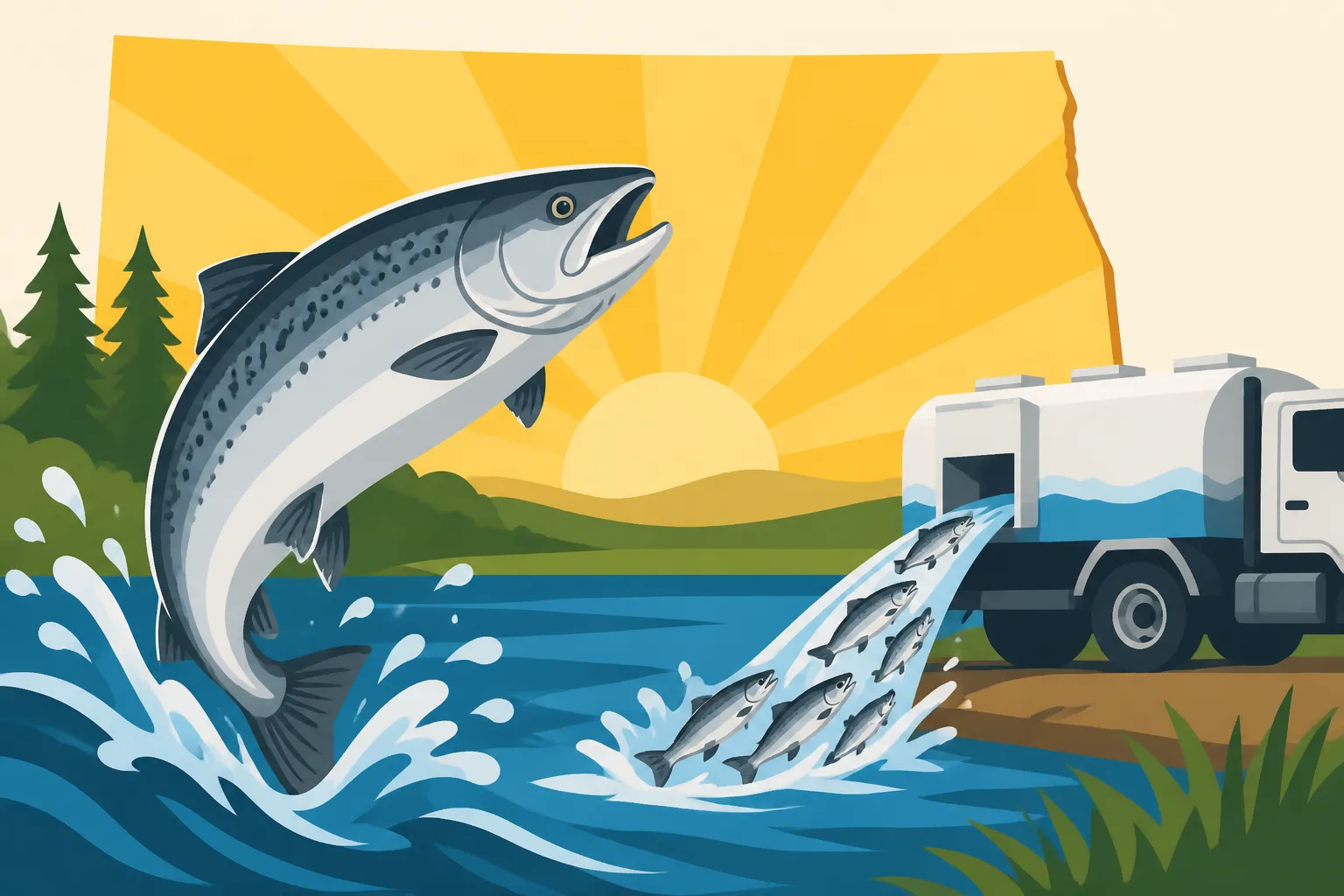
Once the Chinook salmon fingerlings reach an appropriate size, typically a few inches long, they are ready for their journey to Lake Sakakawea. This usually happens in the spring or early summer, a strategic time chosen to minimize stress on the young fish and provide them with optimal conditions for survival and growth. The stocking process involves transporting thousands, or even hundreds of thousands, of fingerlings in specialized tanker trucks equipped with oxygenation systems to various release points around Lake Sakakawea. These release points are carefully selected, often in protected bays or areas with good cover and plenty of food, giving the young salmon the best chance to acclimate to their new surroundings. The goal is to distribute them widely and reduce predation vulnerability. The survival rate of these tiny fish is never 100%, but by optimizing stocking methods and timing, the NDGFD maximizes the success of each release.
The Importance of Prey Base: Smelt Management
For Chinook salmon to thrive, they need a reliable and abundant food source, and in Lake Sakakawea, that food source is primarily rainbow smelt. Smelt are a small, oily baitfish that are exceptionally high in calories and fat, making them the perfect fuel for rapidly growing salmon. The health of the smelt population is directly tied to the success of the Chinook salmon fishery. If smelt numbers are low, salmon growth can be stunted, and their survival rates may decrease. This creates a delicate balance for fisheries managers: they must monitor both the salmon and smelt populations closely. Factors like water levels, water temperatures, and even angler harvest can impact smelt numbers. The NDGFD continually assesses these dynamics to make informed decisions about stocking levels, ensuring there's enough food to support the salmon we release. Without a strong smelt population, the dream of catching a trophy Chinook on Lake Sakakawea would quickly fade. When you're planning your trip, consider what gear you might need for targeting these fish; sometimes the latest fish finders available on Amazon can help you locate those crucial bait balls.
Diving Deep into Chinook Salmon Stocking Numbers
Understanding the actual stocking numbers provides a clearer picture of the scale of North Dakota's commitment to this unique fishery. These figures aren't just arbitrary; they represent a significant investment and strategic decision-making by fisheries managers.
Historical Trends in Stocking Figures
Over the years, the number of Chinook salmon stocked into Lake Sakakawea has varied, reflecting the dynamic nature of the reservoir's ecosystem and management objectives. In the early years, initial stocking efforts were focused on simply establishing the population. As the fishery matured and biologists gained more understanding of the lake's carrying capacity and the smelt population's health, stocking numbers began to stabilize, though they always remain responsive to environmental changes. For example, periods of low water levels or a decline in the smelt population might lead to a temporary reduction in stocking to prevent overpopulation and ensure the existing fish have enough to eat. Conversely, bumper years for smelt or particularly favorable conditions might see an increase in stocking to capitalize on the lake's ability to support more fish. It's a constant balancing act, always with the goal of providing a sustainable and exciting fishery for anglers.
Here’s a general look at how stocking numbers might vary:
| Year Range | Average Annual Stocking (Fingerlings) | Primary Factors Influencing Numbers | Fishery Impact |
|---|---|---|---|
| Early Establishment (1970s-1980s) | 100,000 – 300,000 | Establishing initial population, assessing lake viability | Foundation of the fishery, initial angler excitement |
| Peak Smelt Abundance (1990s-early 2000s) | 300,000 – 600,000+ | High prey base (smelt), strong angler demand | Trophy fish potential high, excellent catch rates |
| Periods of Environmental Stress (e.g., Low Water, Smelt Decline) | 150,000 – 300,000 | Prey base fluctuations, water levels, disease concerns | More conservative approach, focus on sustained population rather than expansion |
| Current Management (Recent Years) | 250,000 – 450,000 | Balanced approach, adapting to current smelt abundance and angler feedback | Consistent fishery, good opportunities for quality fish, but year-to-year variation |
Note: Specific annual numbers are subject to change based on NDGFD assessments and hatchery production.
Factors Influencing Annual Stocking Decisions
The decision on how many Chinook salmon to stock each year is far from arbitrary; it's a careful scientific process. Several critical factors weigh heavily on the NDGFD's stocking strategy. First and foremost is the health and abundance of the rainbow smelt population. If the smelt numbers are down, stocking fewer salmon prevents over-predation and ensures the existing salmon population doesn't suffer from a lack of food. Lake Sakakawea's water levels also play a significant role; lower water levels can reduce habitat and concentrate both prey and predator, which needs to be considered.
Hatchery production capacity is another practical limitation – the Garrison Dam National Fish Hatchery can only produce so many healthy fingerlings each year. Disease concerns within the hatchery or the lake can also impact stocking plans. Finally, angler feedback and harvest rates are considered; if anglers are consistently catching limits of large salmon, it indicates a healthy fishery that might support higher stocking. Conversely, if catch rates decline, biologists investigate the causes, which could lead to adjustments in stocking. All these elements create a dynamic decision-making process. The North Dakota Game and Fish Department provides detailed North Dakota Fishing Regulations Explained which often include insights into these management decisions.
Interpreting the Numbers: What They Mean for Anglers
For anglers, understanding stocking numbers isn't just about trivia; it directly impacts their fishing experience. Higher stocking numbers, particularly when combined with a healthy smelt population, generally translate to more opportunities to catch Chinook salmon and potentially larger fish. It means there are simply more fish in the water growing into those prized trophies. However, it's not a one-to-one correlation; stocking numbers represent the input to the fishery, but natural mortality, environmental factors, and angler harvest all influence the output.
When you see consistent stocking numbers year after year, it's a good sign of a stable and well-managed fishery. If numbers fluctuate dramatically, it often points to ecological shifts within Lake Sakakawea, which could mean a need to adjust your fishing strategies. For instance, after a year with lower stocking, you might expect slightly fewer fish in the system a few years down the line, suggesting you might need to work a little harder or refine your North Dakota Chinook Salmon Fishing Guide techniques. Keeping an eye on these trends helps anglers set realistic expectations and understand the health of this fantastic fishery.
The Impact of Stocking on the Lake Sakakawea Fishery
The consistent stocking of Chinook salmon has profoundly shaped Lake Sakakawea's fishery, turning it into a unique angling destination and contributing significantly to the state's outdoor recreation economy.
Angler Success and Economic Benefits
The introduction and sustained stocking of Chinook salmon have been a huge boon for North Dakota's angling community. For many, the chance to hook into a powerful salmon weighing upwards of 20 pounds is an irresistible draw. This has created a vibrant and specialized segment of the fishing industry centered around Lake Sakakawea. Guide services, tackle shops, boat dealerships, and local hospitality businesses all benefit from the influx of anglers seeking these prized fish. People travel from all over the region, and even farther, specifically for the opportunity to fish for Chinook. This tourism translates directly into economic benefits for communities surrounding Lake Sakakawea, such as Garrison, New Town, and Williston. Beyond the direct financial impact, there's the immeasurable value of outdoor recreation—the memories made, the challenges overcome, and the sheer joy of a day spent on the water, battling one of North Dakota's most unique game fish. Anglers are often looking for the right gear, and dedicated salmon fishing tackle can often be found readily available on Amazon, making it easier for enthusiasts to get started.
Ecological Considerations and Challenges
While overwhelmingly positive for anglers, the introduction of a non-native species like Chinook salmon into Lake Sakakawea isn't without its ecological considerations and challenges. The primary concern is the salmon's reliance on rainbow smelt as a food source. Maintaining a healthy balance between predator (salmon) and prey (smelt) is crucial. If salmon numbers become too high relative to the smelt population, it could lead to a decline in smelt, which would then negatively impact the salmon themselves, as well as other species that also feed on smelt.
Furthermore, changes in Lake Sakakawea's water levels, which can fluctuate significantly due to dam management and drought cycles, impact both smelt and salmon habitat. Low water years can concentrate fish, making them more vulnerable to predation and stress. High water years can expand habitat but might also affect prey fish spawning success. Fisheries managers constantly monitor these complex interactions to ensure the stocking program remains sustainable and doesn't inadvertently harm the broader ecosystem of Lake Sakakawea Fishing Guide for North Dakota Anglers. It's a delicate dance of science and stewardship.
When Do Chinook Salmon Bite on Lake Sakakawea?
Knowing when to hit the water is key for any angler targeting Chinook salmon on Lake Sakakawea. Generally, these fish are most actively pursued during the open water season, which kicks off after ice-out, typically in April, and extends through the fall. While you can catch them throughout this period, certain times of year tend to be more productive. Early spring, after the ice has melted, can offer good opportunities as salmon begin to feed actively after the long winter. However, the prime time for trophy-sized Chinook is often late summer and fall. As water temperatures start to cool, the salmon become more aggressive, feeding heavily in preparation for their pseudo-spawning runs (they won't successfully reproduce, but instinct still drives them). This is when they're at their heaviest and most feisty. Many anglers dedicate their entire fall schedule to chasing these powerful fish. For detailed seasonal patterns, looking into resources like North Dakota Fishing Season Calendar or When Do Chinook Salmon Run on Lake Sakakawea? can provide invaluable insights.
The Future of Chinook Salmon in North Dakota
The Chinook salmon fishery in North Dakota is a testament to adaptive fisheries management, but like all natural resources, it faces ongoing challenges and requires continuous effort to ensure its future.
Adapting to Changing Environmental Conditions
The future of Chinook salmon in Lake Sakakawea is inextricably linked to the health of the reservoir itself. Climate patterns, including drought cycles and extreme weather events, can significantly impact water levels, water temperatures, and consequently, the delicate balance of the ecosystem. Low water years reduce habitat for both salmon and smelt, potentially concentrating fish and increasing stress. Warmer water temperatures could also push salmon into deeper, colder pockets, making them harder to find or impacting their overall health.
Fisheries managers are constantly studying these trends and adapting their strategies. This might involve adjusting stocking numbers, exploring different strains of Chinook that might be more resilient, or focusing on habitat protection where possible. The ongoing success relies on vigilant monitoring and the willingness to implement new strategies as environmental conditions evolve. Understanding the importance of water levels is crucial, so consider checking resources like Lake Sakakawea Water Level Right Now before your trip.
How Anglers Can Support the Program
Anglers play a vital role in the continued success and sustainability of the North Dakota Chinook salmon fishery. The most direct way to help is by purchasing your North Dakota Fishing License Guide and any necessary permits, as these funds directly support fisheries management and stocking programs. Beyond that, practicing responsible angling is paramount. This includes adhering strictly to all regulations regarding size and daily limits, which are put in place by the NDGFD to ensure a healthy population.
Reporting your catches, especially trophy fish, to the Game and Fish Department can also provide valuable data for biologists tracking the health and growth rates of the salmon. Finally, being an advocate for clean waters and responsible boating helps protect the habitat that these magnificent fish call home. Whether you're a seasoned salmon angler with your specialized downriggers and deep-diving crankbaits or someone just looking for a new adventure, your actions on and off the water contribute to keeping this unique fishery thriving for generations to come. Finding the right bait for North Dakota fishing, and specifically for salmon, is also part of the angler's responsibility to understand and support the fishery. Many anglers source their specialized baits and lures, including those for Best Bait for North Dakota Fishing, from online retailers such as Amazon for convenience and selection.
Disclaimer
This article is for general informational purposes only and does not constitute professional advice. Laws, prices and regulations vary by location and change over time. Consult a qualified professional for guidance on your specific situation.