Bluegill Habitat in North Dakota
It can be incredibly frustrating to hit the water, knowing there are fish out there, but having no idea where to even start looking. Bluegill, with their feisty fight and delicious fillets, are a favorite for many North Dakota anglers, but they aren't just everywhere. Understanding their preferred hangouts – their habitat – is the secret sauce to consistent success, whether you're casting from shore with the kids or dropping a line through the ice. This guide is all about peeling back the layers to reveal where these sunfish call home in our beautiful state, helping you spend less time searching and more time catching.
Understanding North Dakota's Aquatic Landscape for Bluegill
North Dakota's lakes and ponds, while not always as deep or vast as some other regions, offer a surprisingly rich and varied environment for bluegill. Knowing the general principles of what bluegill seek out, and how our unique climate plays into that, is the first step to becoming a more successful panfish angler.
The Basics of Bluegill Preferences
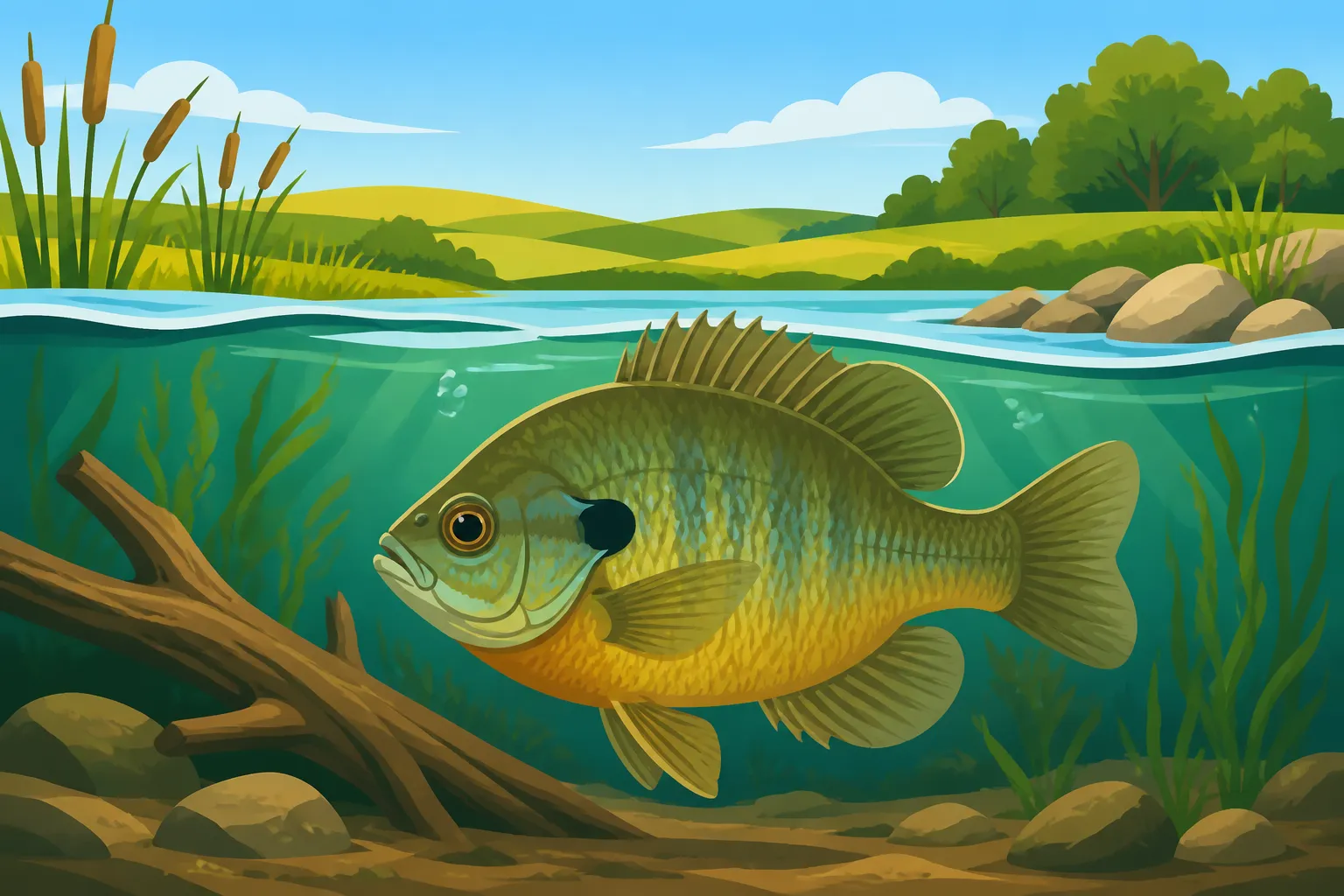
Bluegill, part of the sunfish family, are generally creatures of comfort. They thrive in waters that aren't too swift, preferring slower-moving or still environments like ponds, small lakes, and the quieter bays and backwaters of larger reservoirs. Think of them as needing a safe, warm, and food-rich pantry with plenty of places to hide. These fish are relatively small and rely on cover to protect themselves from larger predators like northern pike and walleye. If you find a spot that offers food, warmth, and safety, chances are you're in bluegill country.
They are opportunistic feeders, meaning they'll munch on a wide variety of things. This includes aquatic insects, small crustaceans, tiny fish, and even plant matter. A vibrant aquatic ecosystem, full of insect larvae and small invertebrates, is often a sign of healthy bluegill habitat. When you're scouting a new spot, look for signs of this rich underwater life. Best Bait for North Dakota Fishing can give you some ideas for what to offer them once you find them.
Water temperature also plays a huge role in their activity and where they choose to spend their time. Bluegill are most active in warmer waters, generally between 65 and 75 degrees Fahrenheit. This means their locations will shift dramatically with the seasons, moving from shallow, sun-warmed areas in spring and early summer to deeper, more stable temperatures during the heat of mid-summer or the cold of winter.
How North Dakota's Climate Shapes Bluegill Habitat
North Dakota experiences a truly continental climate, which means hot summers and incredibly cold, long winters. This extreme seasonal swing profoundly impacts bluegill behavior and habitat choices. Unlike states with more temperate climates, bluegill in North Dakota must constantly adapt to significant changes in water temperature, oxygen levels, and ice cover.
During our short but intense summers, bluegill will seek out areas that offer a reprieve from direct sunlight and higher water temperatures while still providing ample food. This often means deeper weed lines, submerged timber, or shaded structures. The long, harsh winters, however, present a different challenge. Under several feet of ice and snow, sunlight penetration is minimal, and oxygen levels can drop significantly in shallower, nutrient-rich waters. Bluegill will often congregate in deeper basins or near springs where oxygen levels remain stable, or near structure that provides thermal refuge. Understanding North Dakota Fishing Season Calendar and how it relates to these climate patterns is key.
The freeze-thaw cycles also affect the availability of food and the overall health of aquatic vegetation, which is crucial for bluegill. A lake that experiences a severe winterkill (when oxygen levels drop too low, killing fish) might see a slow recovery of its bluegill population. Conversely, lakes with consistent snow cover on the ice can actually insulate the water below, helping to stabilize temperatures and preserve oxygen. These climatic factors make bluegill fishing in North Dakota a dynamic and ever-changing pursuit, always requiring anglers to adapt their strategies based on the current conditions.
Prime Bluegill Habitats: What to Look For
When you're out on the water, whether in a boat, a kayak, or on foot, knowing what visual cues and underwater features signal a good bluegill spot is paramount. These fish aren't just randomly distributed; they have specific preferences that act like magnetic attractors.
Weeds, Wood, and Structure: The Bluegill's Apartment Complex
Imagine a bluegill's ideal home – it's going to be a place with plenty of rooms to hide, a grocery store nearby, and protection from bigger, hungrier tenants. This translates directly to aquatic vegetation and various forms of underwater structure. Bluegill simply love cover.
Dense weed beds, such as lily pads, cattails, coontail, and various submerged grasses, provide shelter from predators, shade from the sun, and a buffet of insects and small organisms. You'll often find bluegill holding right on the edge of these weed lines, darting in and out to feed or retreat from danger. During spring and early summer, shallower weed beds are prime spawning territory, making them excellent spots to target. Don't be afraid to cast right into the thick stuff; often, the biggest bluegill are the ones brave enough to venture deep into the protective cover.
Submerged timber, fallen trees, brush piles, and old dock pilings are also irresistible magnets for bluegill. These structures offer vertical cover, giving bluegill multiple levels to explore and hide in. A large, submerged tree, for instance, provides shade, hard structure to spawn against, and an ecosystem for small invertebrates. Many anglers even go so far as to sink their own brush piles, often using old Christmas trees, to create artificial bluegill habitats. Just make sure you understand North Dakota Fishing Regulations Explained regarding artificial structures. Even something as simple as a boat dock can hold a surprisingly large school of bluegill, especially on hot summer days when they seek shade and cooler water underneath.
Depth and Bottom Composition: Bluegill's Underwater Neighborhood
While cover is crucial, the depth of the water and what's on the bottom underneath that cover also play significant roles in where bluegill choose to reside. These factors influence water temperature, oxygen levels, and the presence of spawning grounds.
In general, bluegill prefer relatively shallow to moderate depths, especially during warmer months. During spring spawning, they move into very shallow areas, sometimes just a foot or two deep, to fan out their nests. Look for sandy or fine gravel bottoms in these shallow areas, as these are ideal for spawning beds. You might even spot the circular depressions of their nests if the water is clear enough. These spawning areas are often found in protected coves or along gradually sloping shorelines.
As summer progresses and water temperatures rise, bluegill will often retreat to slightly deeper water, seeking out the cooler, more stable temperatures found at depths of 8 to 15 feet, or even deeper in larger lakes. They will still relate heavily to cover at these depths – think submerged humps, deep weed lines, or rocky points. The transition zones between different bottom types, like where a sandy flat meets a mucky basin or a rocky outcropping, can be particularly productive as they offer diverse feeding opportunities and easy access to both shallow and deep water. Many anglers find great success by focusing on these "edges" where one habitat type meets another.
Top North Dakota Water Bodies for Bluegill
North Dakota is blessed with a diverse array of fishing waters, and while some are famous for walleye or pike, many lesser-known spots, and even parts of the big lakes, hold fantastic bluegill populations. Finding these can be a real treasure hunt!
Identifying Productive Lakes and Ponds
When it comes to bluegill, it's often the smaller, quieter waters that truly shine. Think small reservoirs, farm ponds, community fishing ponds, and the back bays of larger lakes. These waters tend to warm up faster in the spring, fostering the growth of aquatic vegetation and insect life that bluegill depend on. They also often have less fishing pressure for panfish compared to the prime walleye waters, which can lead to larger, more established bluegill populations.
Characteristics of a good bluegill lake include:
- Abundant Vegetation: As discussed, weeds are crucial. Look for lakes with healthy growth of submerged and emergent plants.
- Good Water Clarity (but not too clear): Moderately clear water is often best. It allows sunlight to penetrate for plant growth but isn't so crystal clear that bluegill feel exposed to predators.
- Diverse Structure: A mix of wood, rocks, and contour changes provides varied habitat.
- Accessibility: Often, the best bluegill ponds are smaller and might be found near towns or rural areas. Some are managed specifically for family fishing. Consider looking into Best Fishing Lakes for Families in North Dakota.
Don't overlook the potential of a local pond, even if it seems small. Many of these hidden gems are teeming with bluegill, offering a fun and accessible fishing experience, especially for kids. Sometimes the best bluegill spots aren't listed on every tourist map; they're the ones you discover through local word-of-mouth or by simply exploring.
Notable Bluegill Fisheries
While North Dakota might not be nationally renowned solely for its bluegill fishing, several water bodies consistently produce good numbers and sizes. While the emphasis in North Dakota is often on species like walleye or northern pike, many lakes offer excellent panfish opportunities if you know where to look.
Smaller Impoundments and Community Ponds: These are often your best bet for consistent bluegill action. Lakes like Alkali Lake Fishing Access and Lake Darling Fishing Access Near Minot are known to hold good populations of panfish, including bluegill, and are often stocked or managed for public access. These lakes frequently feature plenty of shallow-water cover and are excellent for a relaxed day of fishing from shore or a small boat. Similarly, spots mentioned in guides like Heart Butte Dam Fishing Guide or Jamestown Reservoir Fishing Guide often include specific areas known for their panfish potential, especially in bays and areas with abundant aquatic growth.
Large Lakes and Reservoirs (Specific Areas): Even our massive lakes like Sakakawea or Devils Lake, while famous for other species, can hold pockets of bluegill. However, you'll need to be more specific in your targeting. Look for sheltered bays, marinas, or the mouths of feeder creeks that offer protection from wind and current, along with plenty of submerged vegetation or timber. These areas mimic the conditions bluegill prefer in smaller waters. For instance, in the vastness of Lake Sakakawea, exploring the shallower, protected arms or back bays where vegetation can get a foothold, might yield surprising bluegill results.
It's always a good idea to check local fishing reports or contact the North Dakota Game and Fish Department for the most current information on specific lake conditions and bluegill populations. What was good last year might be even better this year, or vice-versa, depending on water levels and winter conditions.
Seasonal Shifts in Bluegill Habitat
Bluegill are creatures of comfort, but their definition of "comfort" changes dramatically with the seasons in North Dakota. Understanding these shifts is absolutely critical for consistent success, turning an occasional catch into a regular haul.
Springtime Spawning and Shallow Water Action
Ah, springtime! As the ice finally melts and water temperatures slowly climb into the 60s (Fahrenheit), bluegill have one thing on their mind: spawning. This is arguably one of the most exciting times to target them, as they become highly concentrated and aggressive. Bluegill move into the shallowest, warmest parts of the lake, often in water only 1-5 feet deep. Look for protected bays, coves, and gradual sloping shorelines with a firm bottom – typically sand or fine gravel. Here, the males will fan out circular depressions on the bottom, creating nests where the females will lay their eggs.
During this period, bluegill are very territorial and will strike at anything that approaches their nests. You can often see the nests if the water is clear, appearing as lighter, clean circles on the bottom. This visual cue is a dead giveaway! Casting small jigs, worms, or even tiny crankbaits near these visible nests can lead to fast and furious action. However, it's also a time for responsible angling; while fun to catch, consider practicing catch and release for some fish to ensure future generations, especially if you're taking advantage of the concentrated populations. Fishing during this period is a fantastic experience for the whole family and is one of the best times of year to catch plenty of bluegill.
Summer Deeper Water and Weedline Patterns
Once the spawn is over and the scorching North Dakota summer takes hold, bluegill typically retreat from the very shallowest water. As surface temperatures climb, they seek out more stable and cooler water, often found a bit deeper or in the shade of dense cover. This usually means moving to the edges of deeper weed lines, submerged brush piles, timber, or under boat docks and pontoons. The "sweet spot" during summer can often be in the 8- to 15-foot range, though this varies greatly by lake depth and clarity.
During this time, bluegill will still be actively feeding, but they might be spread out along these structures rather than tightly schooled. Using electronics like a fish finder can be incredibly helpful to locate these deeper weed edges or submerged structures. Drifting with a small jig and a piece of worm, or using a slip bobber to present bait at a specific depth along a weed line, are effective techniques. Don't be afraid to experiment with different depths and areas until you find where they are holding on a given day. Sometimes a slight change in wind direction or cloud cover can move them a few feet one way or another.
Fall Transition and Pre-Winter Feeding
As summer fades and the crisp autumn air returns, North Dakota's waters begin to cool. This fall transition period can offer another fantastic bluegill bite as these fish begin to bulk up for the long winter ahead. As water temperatures drop, bluegill will often move back to shallower areas, especially those that still hold healthy green weeds or are near deeper drop-offs. They become more aggressive, actively feeding to store energy.
Look for bluegill along the remaining green weed edges, especially those adjacent to deeper water. They might be in 5-10 feet of water, often near the same areas they were in during late summer, but with a renewed sense of urgency to feed. Small jigs tipped with a minnow piece or a wax worm, or tiny spoons, can be very effective. This period before the ice forms is often overlooked, but it can be a prime time for catching some of the biggest bluegill of the year as they are in peak condition. Think about those beautiful, dark-colored 'gills that are often heavier for their length.
Winter Ice Fishing Hotspots
When North Dakota's lakes finally freeze over, bluegill don't disappear; they just change their address. Ice fishing for bluegill is one of the most popular winter activities, offering steady action on even the coldest days. Under the ice, bluegill often congregate in deeper basins, around submerged humps, or near any remaining green weed growth. Oxygen levels can become a critical factor, driving them to areas with better flow or more consistent oxygen. How to Ice Fish in North Dakota is a great resource if you're new to the sport.
During early ice, bluegill might still be found relatively shallow, in 5-10 feet of water, especially if there's green weed cover. As winter progresses and ice thickens, they tend to move deeper, sometimes into 15-25 feet of water, often grouping into large schools. Locating these schools with a flasher or fish finder is key to success. Once you find them, using tiny jigs tipped with wax worms, spikes, or even small plastic baits can produce non-stop action. Pay attention to how they are reacting on your electronics; sometimes a slight jigging motion or a change in bait color can make all the difference. Remember to practice North Dakota Ice Fishing Rules and safety, especially when venturing onto new ice or late in the season.
Conservation and Responsible Bluegill Fishing
Fishing for bluegill is a cherished pastime in North Dakota, providing endless hours of fun for anglers of all ages. To ensure that future generations can enjoy this fantastic fishery, it's crucial that we all practice conservation and responsible angling habits.
Protecting Bluegill Habitat
The health of bluegill populations is directly tied to the health of their habitat. Without good places to live, feed, and spawn, bluegill simply can't thrive. This means we all have a role to play in protecting our aquatic environments. Littering, for example, directly impacts the underwater world. Fishing lines, plastic containers, and other trash can harm fish and degrade their living spaces. Always pack out everything you pack in, and if you see litter, consider picking it up.
Aquatic vegetation is paramount to bluegill. It provides food, shelter, and spawning grounds. Avoid disturbing weed beds unnecessarily, especially during the spring spawning season. This includes being mindful of where you anchor your boat or drive your ATV on the ice. Understanding and preventing the spread of Aquatic Nuisance Species Rules for Boaters is also vital. Invasive species like zebra mussels can drastically alter aquatic ecosystems, impacting native fish species by reducing their food sources and habitat. Always clean, drain, and dry your boat and gear after each outing to prevent their spread. Protecting these habitats ensures not only robust bluegill populations but also a healthy environment for all of North Dakota's aquatic life.
Practicing Sustainable Harvests
Bluegill are often abundant, and it can be tempting to keep every one you catch, especially when the bite is hot. However, practicing sustainable harvest is essential for maintaining healthy bluegill populations over the long term. This doesn't mean you can't keep fish for a delicious meal, but it does mean being mindful of size and daily limits. Yellow Perch and Panfish Daily Limits Explained provides details on current regulations.
Many anglers choose to practice "selective harvest," which involves keeping medium-sized fish (often 6-8 inches) for the frying pan, while releasing the largest bluegill. Why? The biggest bluegill are often the oldest and most successful breeders, contributing the most to the gene pool. By releasing these larger fish, you're helping to ensure that the lake continues to produce trophy-sized bluegill. Conversely, sometimes a lake can become "stunted" if there are too many small bluegill and not enough predators to thin them out. In such cases, keeping a good number of smaller fish can actually improve the overall health and average size of the population. Understanding the specific dynamics of the lake you're fishing can help you make informed decisions about what to keep and what to release.
Always know the regulations for the specific body of water you're fishing, as limits can vary. Carrying a ruler or measuring tape is a simple way to ensure your catch meets legal requirements. By following these practices, we can all contribute to preserving North Dakota's fantastic bluegill fishing for generations to come.
Bluegill Habitat Preferences by Season in North Dakota
Understanding how bluegill shift their preferred habitats throughout the year is key to consistent fishing success. Here's a quick overview:
| Season | Primary Habitat | Water Depth (Typical) | Key Attractions |
|---|---|---|---|
| Spring | Shallow, protected bays, coves, gradual slopes | 1-5 feet | Spawning beds (sandy/gravel bottoms), warm water, emerging weeds |
| Summer | Deeper weed lines, submerged timber/brush piles, docks | 8-15+ feet | Cooler water, shade, dense cover, insect activity |
| Fall | Green weed edges near drop-offs, sheltered coves | 5-10 feet | Aggressive feeding, preparing for winter, remaining cover |
| Winter | Deeper basins, submerged humps, deep weed lines | 10-25+ feet | Stable oxygen, thermal refuge, schooling behavior |
When you're gearing up for a bluegill trip, you'll want the right tackle to match these habitats. For example, a good selection of small jigs and bobbers, often found on sites like Amazon, will serve you well across all seasons. Small containers for live bait, also widely available, are essential for keeping your wax worms or minnows lively, whether you're out in the heat of summer or the chill of winter. Always ensure your gear is ready for the conditions.
Disclaimer
This article is for general informational purposes only and does not constitute professional advice. Laws, prices and regulations vary by location and change over time. Consult a qualified professional for guidance on your specific situation.