Fishing During North Dakota’s Windy Spring
North Dakota spring wind patterns, temperature differentials, and low-pressure systems explain how baitfish behavior changes on windy shorelines.
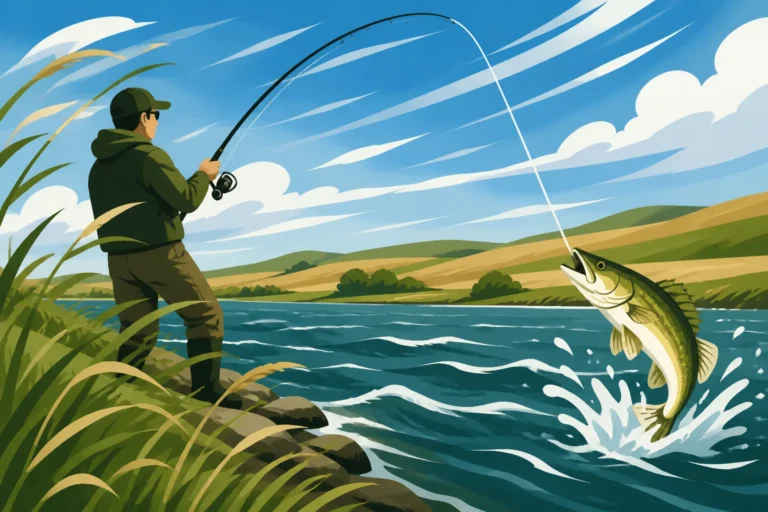
North Dakota spring wind patterns, temperature differentials, and low-pressure systems explain how baitfish behavior changes on windy shorelines.
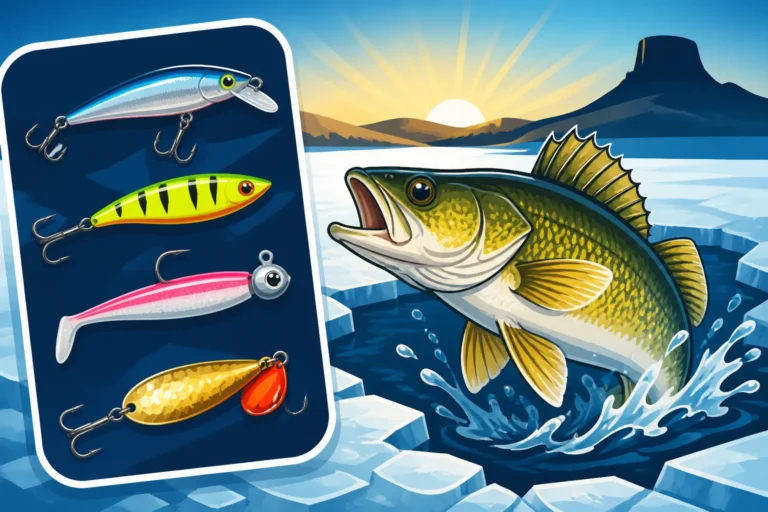
North Dakota ice-out walleye behavior and water temperatures explain how to select lures for early spring fishing success.
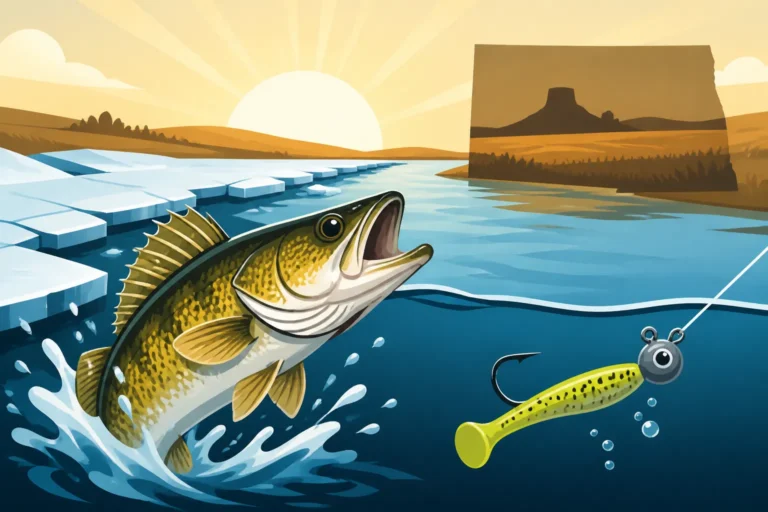
North Dakota ice-out fishing strategies explain fish behavior, shallow water walleye movements, and northern pike spawning migrations.
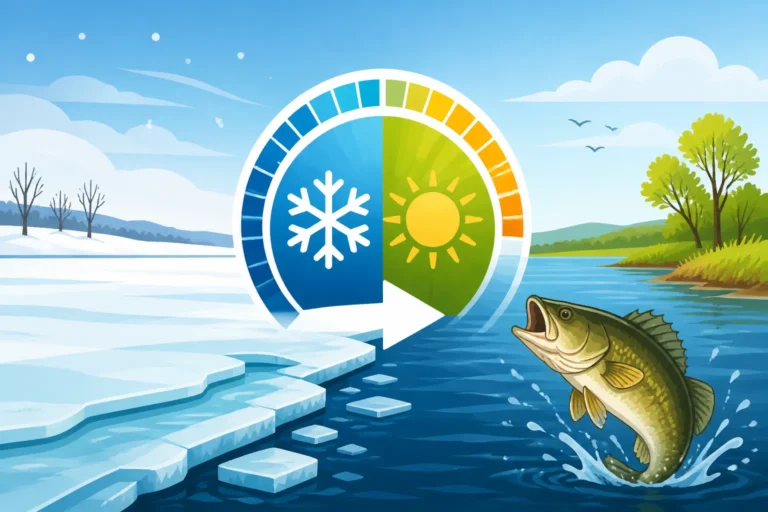
North Dakota lake ice-out timing depends on air temperature, sunlight, snow cover, strong wind, and water depth.
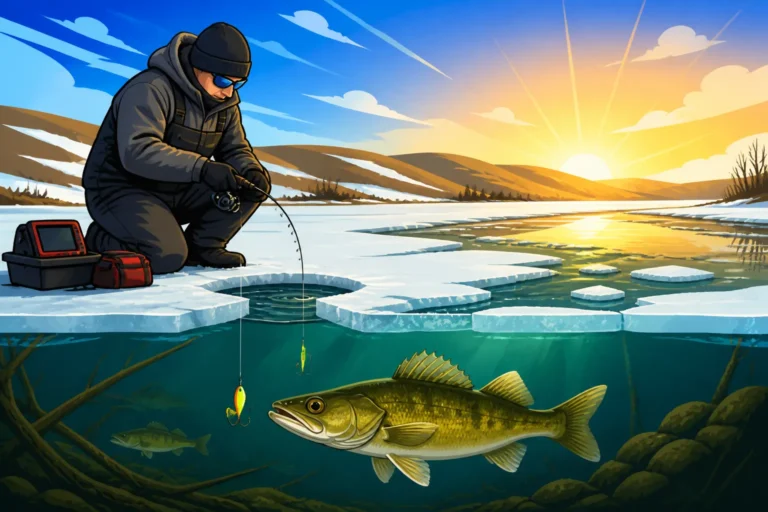
Late ice fishing safety tips explain how to recognize rotting ice conditions and monitor weather changes before ice-out.
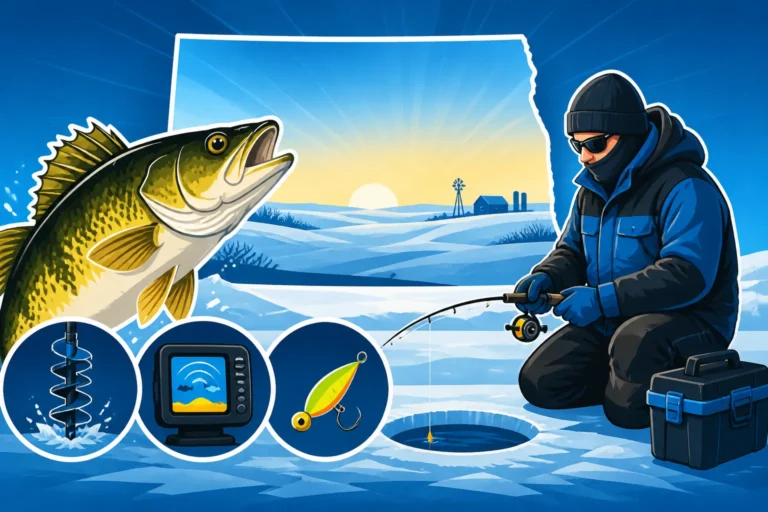
Early ice fishing safety rules and minimum thickness guidelines for North Dakota lakes help anglers avoid dangerous conditions.
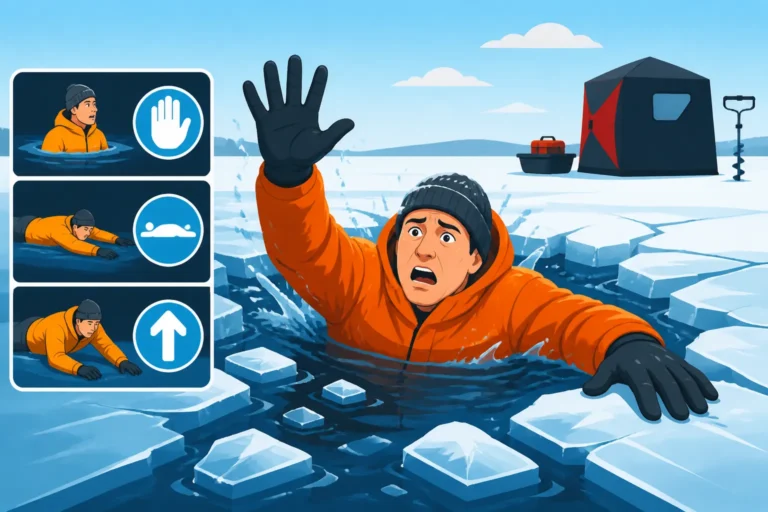
Falling through ice into cold water requires controlling breathing, using ice picks, and kicking horizontally to escape.
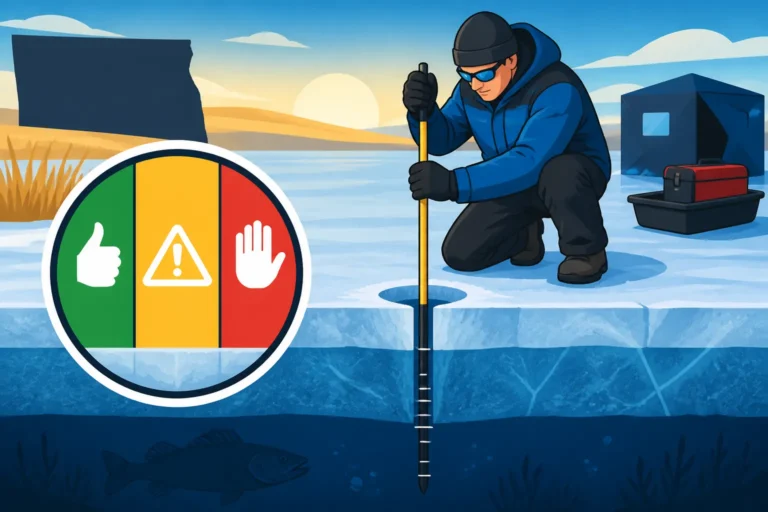
Spud bars and hand augers help North Dakota anglers measure ice thickness safely to avoid hidden thin spots on Lake Sakakawea.

Driving a truck on North Dakota frozen lakes involves weighing angler convenience against the risk of falling through ice.
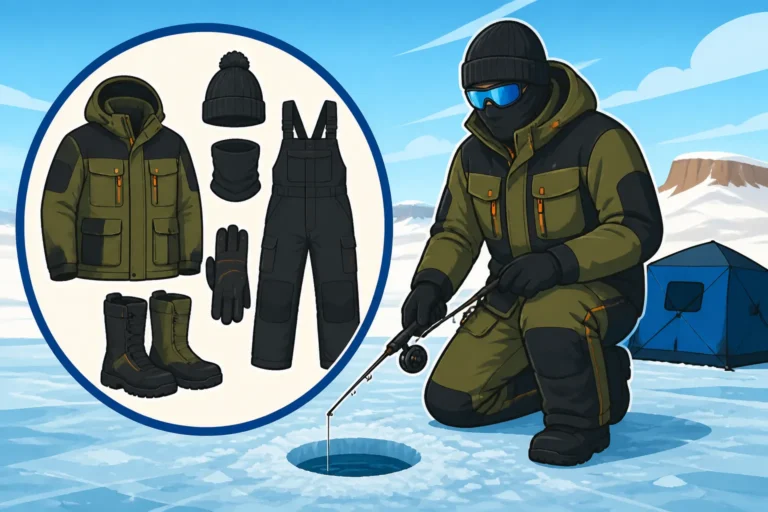
Proper layering of base, mid, and outer clothing protects ice fishers from cold weather and heavy sweat in North Dakota.