Are Smallmouth Bass Native to North Dakota?
Many anglers in North Dakota enjoy the thrill of battling a feisty smallmouth bass, but a question often surfaces during lakeside chats or while scrolling through online forums: are these hard-fighting fish actually native to our state's waters? It's a valid question that speaks to the unique history of many of our beloved sport fish. This guide will dive deep into the origins of smallmouth bass in North Dakota, separating fact from common misconceptions, and exploring where they've made a home today.
Understanding "Native" vs. "Introduced" Species in North Dakota
Before we get to the smallmouth bass specifically, it's really helpful to understand what we mean when we talk about a fish being "native" or "introduced." It's not just a fancy scientific distinction; it actually tells us a lot about the ecological history of our waters and how fisheries management decisions are made. Our lakes and rivers have seen a lot of changes over the decades, both natural and man-made, and understanding these terms helps us appreciate the intricate balance (or imbalance) of our aquatic ecosystems.
What Defines a Native Fish Species?
A "native" fish species is one that naturally occurred in a particular body of water or region without human intervention. Think about species that have been here for thousands of years, colonizing waters after glacial retreats, adapting and evolving with the landscape. Their presence is a result of natural dispersal, migrating through ancient river systems, or simply surviving in isolated pockets as conditions changed over geological time. These species are considered integral to the original ecosystem, having co-evolved with other native plants and animals, forming complex food webs and relationships. For instance, species like northern pike or walleye, in many of our waters, have been here for a very long time, part of the fabric of North Dakota's aquatic heritage. They have specific roles in the ecosystem, and other creatures depend on them, and they, in turn, depend on other native elements.
When you think about a native species, imagine them as the original residents, perfectly adapted to the local climate, water chemistry, and food sources. They have a long historical presence, often documented by early explorers, indigenous knowledge, and even archaeological finds. Their populations are self-sustaining, reproducing naturally without the need for constant stocking. Any introduction of non-native species can sometimes disrupt these delicate balances, affecting the habitat, food sources, or reproductive success of the native inhabitants. It’s a fascinating look into the very distant past of our fishing heritage, connecting us to the ancient movements of water and wildlife across this land.
How Fish Species Become Introduced
"Introduced" species, on the other hand, are those that have been intentionally or accidentally brought into a new environment by human activity. This isn't necessarily a bad thing, especially in the context of creating exciting new fishing opportunities, but it's important to recognize the distinction. Sometimes, fish are introduced deliberately to enhance sport fishing, fill an empty ecological niche, or control nuisance species. For example, many trout fisheries in states like North Dakota rely entirely on introduced species because the natural conditions don't support self-sustaining populations. Does North Dakota Stock Trout Anywhere? is a great example of this. These stockings are usually carefully planned by fisheries biologists to ensure they have the best chance of success and minimal negative impact.
Accidental introductions are also quite common, often occurring through bait buckets. An angler might bring live bait from one watershed and, at the end of the day, dump unused minnows or other baitfish into a different lake. If those baitfish are a species not native to the new lake, they can establish a population. This is why strict regulations are often in place regarding the transport of live bait and the cleaning of boats and gear to prevent the spread of aquatic nuisance species (ANS). The goal is to avoid introducing something that could outcompete native fish or introduce diseases. The long-term impacts of such accidental introductions can be hard to predict and manage, making careful practices crucial for all anglers.
The Truth About Smallmouth Bass in North Dakota
Now, let's cut right to the chase about those hard-fighting smallmouth bass we love to catch. This is where the distinction between native and introduced really comes into play, and it sheds light on how North Dakota's fishing landscape has evolved. For many, smallmouth bass feel like they've always been here, especially if you grew up fishing for them. But their story in our state is actually quite different from that of some of our other popular game fish.
Are Smallmouth Bass Native to North Dakota Waters?
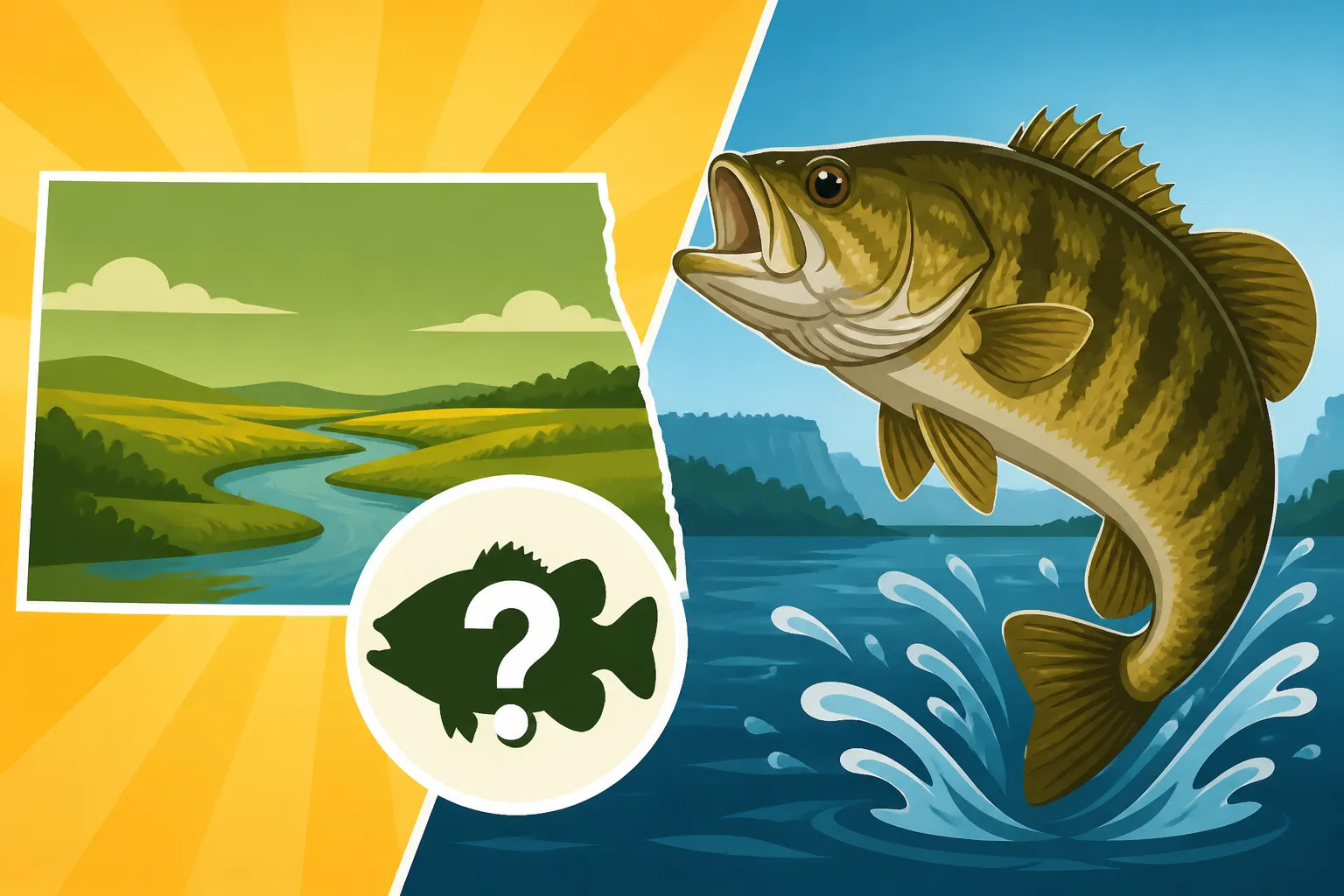
The definitive answer is no, smallmouth bass are not native to North Dakota. They are an introduced species, meaning they were brought into the state's waters by humans. While they've thrived in many areas and become a highly sought-after sport fish, they weren't part of the original fish community that naturally inhabited our lakes and rivers. Their presence is a testament to successful fisheries management and, in some cases, fortunate accidental introductions that created new angling opportunities. These fish have found environments very much to their liking in our state, particularly in waters with rocky structures and clear conditions that mimic their original native habitats further east.
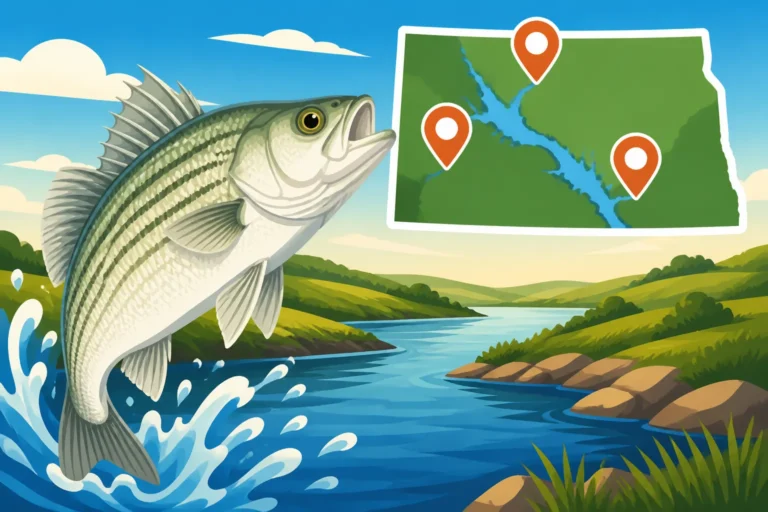
Today, you'll find healthy populations of smallmouth bass in significant bodies of water, primarily in the western and central parts of the state. They've found a niche and are now well-established, contributing greatly to the diversity of our fishing opportunities. Many anglers travel specifically to target these bronze beauties, drawn by their aggressive strikes and powerful fights. But it's always good to remember their journey to our state was a deliberate, or at least human-assisted, one.
The History of Smallmouth Introductions
The introduction of smallmouth bass into North Dakota was largely driven by a desire to diversify sport fishing opportunities. Fisheries managers recognized that these aggressive, hard-fighting fish would be a popular draw for anglers, particularly in waters that could support them. The earliest documented stockings of smallmouth bass in North Dakota date back to the 1950s and 60s. These initial efforts focused on waters deemed suitable for their survival and reproduction, primarily lakes and reservoirs with rocky bottom structures and relatively clear water, which are characteristic of prime smallmouth habitat.
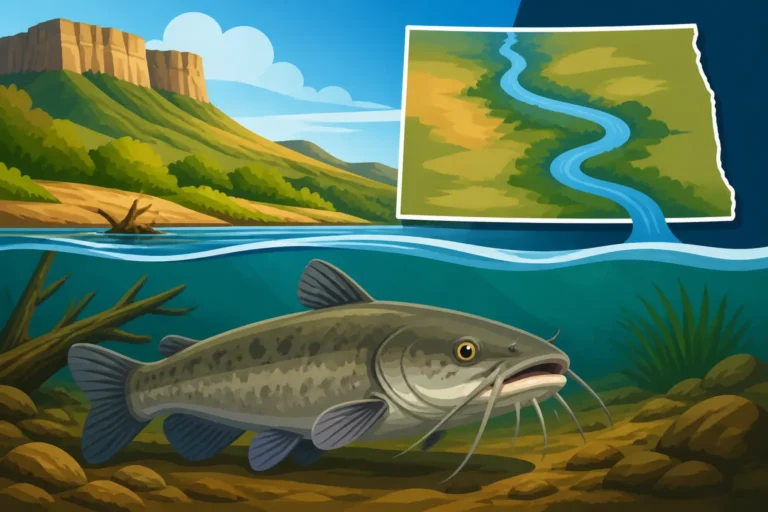
One of the most notable successes of smallmouth introduction occurred in the sprawling waters of Lake Sakakawea and its connected system, the Missouri River. These immense bodies of water provided the ideal combination of habitat: vast stretches of rocky shoreline, varying depths, and plenty of forage. Over time, these introduced populations flourished, establishing self-sustaining fisheries that now draw anglers from all over. Other smaller reservoirs and lakes also received stockings, some more successful than others, depending on the specific environmental conditions. It's a classic example of how thoughtful fisheries management can reshape a region's angling culture, bringing a new kind of excitement to the water. This history is really important when we consider topics like North Dakota Fishing Season Calendar and how different species contribute to the overall experience.
Where Smallmouth Bass Thrive in North Dakota Today
Even though smallmouth bass aren't native, they've certainly made themselves at home in North Dakota. They've found certain waters that perfectly match their preferences, turning these areas into prime destinations for anglers eager to experience their exhilarating fights. Knowing where they thrive is key to planning a successful smallmouth trip in our state. These fish are creatures of habit and specific habitat, so understanding their preferred hangouts is half the battle.
Key Lakes and Rivers for Smallmouth Bass
When you talk about smallmouth bass in North Dakota, a few names immediately come to mind, and for good reason. The undisputed champion is Lake Sakakawea, a massive reservoir on the Missouri River system. The lake's vast expanses of rocky points, submerged humps, and numerous bays provide ideal smallmouth habitat. Anglers targeting smallmouth on Sakakawea often focus on areas with rip-rap, rocky shorelines, and main lake points, especially during the warmer months. These areas provide structure for ambush points and attract the baitfish smallmouth love to feed on. Lake Sakakawea Smallmouth Bass Fishing is a fantastic resource if you're planning a trip there.
Another stellar location, particularly for its clear water and excellent smallmouth fishing, is Lake Audubon. This smaller but equally productive lake, also part of the Missouri River complex, is known for its incredible smallmouth populations and often produces larger-than-average fish. Anglers find success working the rocky shorelines, reefs, and submerged islands. Smallmouth Bass on Lake Audubon are often aggressive, making for some truly memorable fishing experiences. Beyond these giants, certain stretches of the Missouri River, especially those with current and rocky banks, also hold good numbers of smallmouth. Areas around Bismarck, for example, can offer fantastic opportunities for both boat and shore anglers. For a deeper dive, check out Missouri River Smallmouth Bass Spots Near Bismarck.
The Impact of Smallmouth Bass on North Dakota's Ecosystem
The introduction of smallmouth bass has had a multifaceted impact on North Dakota's aquatic ecosystems. On the one hand, they've undeniably enriched the state's sport fishery, offering a dynamic and challenging target for anglers. Their aggressive nature and acrobatic fights make them a favorite among many, adding significant recreational value to our waters. This influx of a popular game fish can also have economic benefits, drawing tourism and supporting local bait and tackle shops, outfitters, and lodging.
However, any introduced species also presents ecological considerations. Smallmouth bass are opportunistic predators, and their presence can create competition for food and habitat with native fish species. While fisheries managers carefully consider these factors before stocking, the long-term interactions can be complex. In established populations, like those in Lake Sakakawea, the smallmouth have integrated into the food web, becoming both predator and prey. They primarily feed on crayfish, minnows, and insect larvae, and in turn, are preyed upon by larger fish and birds. The key is balance, and ongoing monitoring ensures that these introduced populations remain healthy without unduly harming native species. It’s a delicate dance between maintaining biodiversity and enhancing recreational opportunities.
Fishing for North Dakota's Introduced Smallmouth Bass
So, now that we know smallmouth bass are here to stay and thriving, let's talk about the fun part: catching them! These fish are famous for their strong fights and willingness to hit a variety of lures, making them a blast for anglers of all skill levels. If you've never targeted them before, you're in for a treat. Understanding their habits and preferred presentations can significantly increase your chances of success and help you land that trophy smallmouth you've been dreaming of.
Popular Techniques and Lures
Smallmouth bass are incredibly versatile in what they'll strike, but some techniques are consistently more effective in North Dakota's waters. When the water is warm, topwater lures like poppers, walking baits, and prop baits can provide explosive strikes, especially during low light conditions or over shallow, rocky areas. Imagine a quiet morning on Lake Audubon, casting a chugging popper near a submerged rock pile, and suddenly, the water erupts as a smallmouth attacks! It's pure exhilaration. For a broader look at techniques, our North Dakota Smallmouth Bass Fishing Guide has even more detail.
For deeper water or when fish are less active, a variety of subsurface lures shine. Jerkbaits are fantastic for mimicking wounded baitfish, particularly in cooler water. Soft plastics, rigged on a jig head or as a Texas rig, are incredibly effective when fished along rocky drop-offs or around submerged timber. Crankbaits, both shallow-diving and deep-diving models, are great for covering water and locating active fish, especially on large bodies like Lake Sakakawea. Look for lures that mimic crawfish or shad, two primary food sources for smallmouth. When you're looking for gear, a quick search on Amazon for "smallmouth bass lures" will bring up a huge array of options, from specific soft plastics to various crankbait brands. Always remember that colors that mimic natural forage or bright, flashy colors can be very productive. For even more specific lure suggestions, check out Best Lures for Smallmouth Bass in North Dakota.
| Lure Type | Best Conditions / Application | Retrieve Style | Notes |
|---|---|---|---|
| Topwater Lures | Low light, calm water, shallow cover, active fish | Pop, walk, twitch, pause | Exciting visual strikes, great in summer. |
| Jerkbaits | Cooler water, clear water, suspending fish | Jerk-jerk-pause, vary retrieve speed | Mimics dying baitfish, very effective post-spawn. |
| Crankbaits | Covering water, targeting specific depths, windy days | Steady retrieve, occasional twitch, vary speed | Match lip size to desired depth; squarebills for shallow. |
| Jigs & Soft Plastics | Deeper water, rocky structure, finicky fish | Hop, drag, shake, slow retrieve | Versatile for different depths and presentations. |
| Spinnerbaits/Chatterbaits | Covering water, murky conditions, windy days | Steady retrieve, lift-drop | Good vibration and flash for aggressive fish. |
Best Times to Target Smallmouth
Smallmouth bass fishing in North Dakota can be productive throughout the open water season, but certain times of the year offer peak opportunities. Spring, particularly just after ice-out and leading up to the spawn, is an excellent time. As water temperatures rise into the 50s Fahrenheit, smallmouth become more active and move into shallower, rocky areas to feed. They're often very aggressive as they prepare for spawning. The spawn typically occurs when water temperatures reach the 60s Fahrenheit, and while some anglers avoid targeting spawning fish, the pre-spawn period is fantastic for big bass.
Summer offers consistent action, especially during early morning and late evening hours when water temperatures are cooler. During the heat of the day, smallmouth often retreat to deeper, cooler waters or seek refuge in shady areas around prominent structures. You'll find them holding tight to rocky humps, points, and submerged timber. Mid-day sun calls for more vertical presentations or deep-diving crankbaits. As fall approaches and water temperatures begin to drop, smallmouth enter a major feeding frenzy, bulking up for winter. This can be one of the best times to catch large, aggressive fish. They'll often be found shallower again, gorging on baitfish before they move to their deep wintering holes. This seasonal movement is an important factor to consider for any angler. Best Time of Year to Fish in North Dakota will give you a broader overview of seasonal patterns for all species.
Disclaimer
This article is for general informational purposes only and does not constitute professional advice. Laws, prices and regulations vary by location and change over time. Consult a qualified professional for guidance on your specific situation.