Where to Find Crappie in North Dakota Lakes
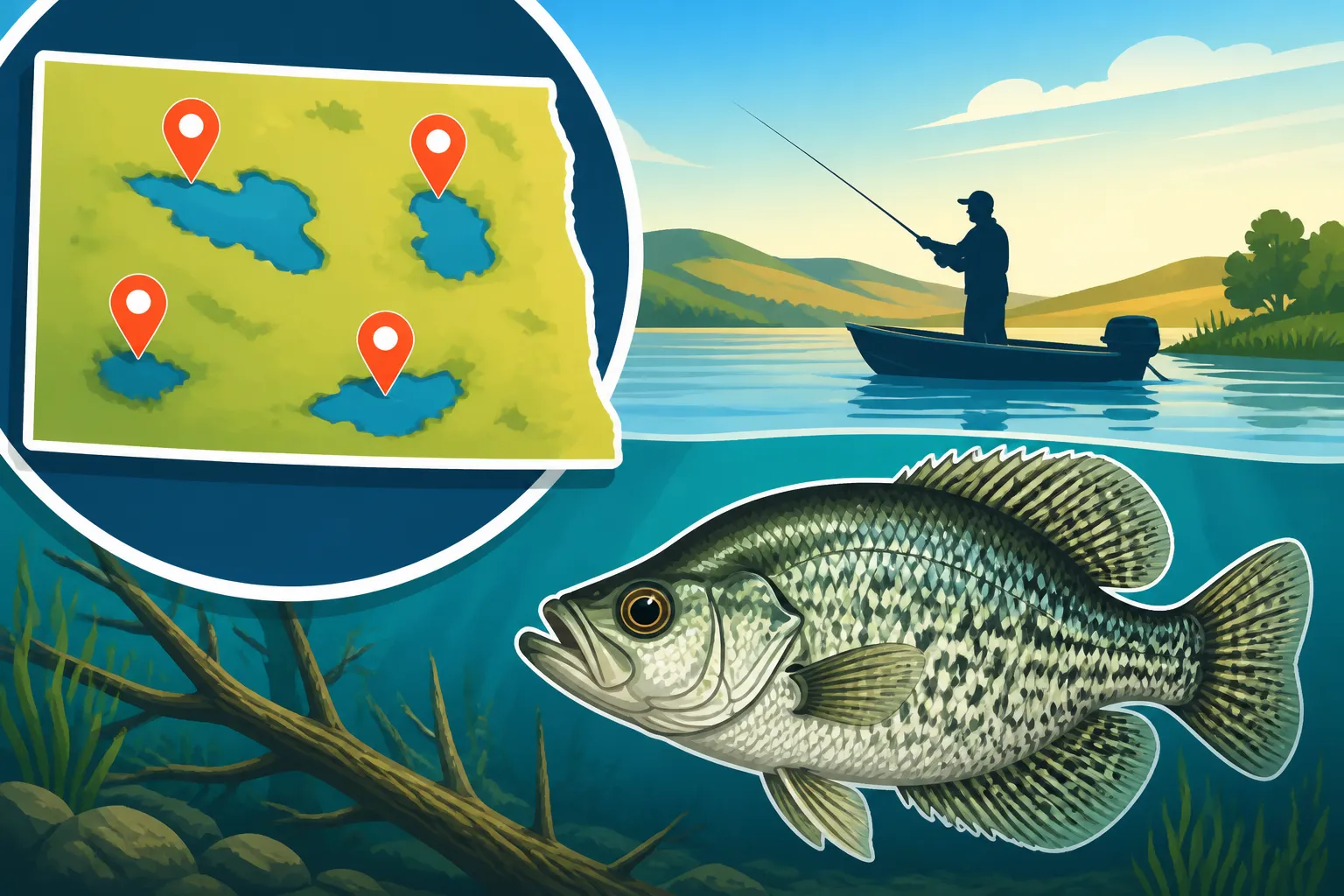
Finding crappie in North Dakota can sometimes feel like trying to find a hidden treasure chest – you know they're out there, and the reward is sweet, but figuring out where to even start looking can be incredibly frustrating. They're often schooling fish, meaning once you find one, you've likely found a whole mess of them, but they're notorious for disappearing and reappearing in entirely new locations. This comprehensive guide is here to cut through that mystery, offering you clear insights into crappie behavior, preferred habitats, and specific North Dakota lakes where you're most likely to reel in some of these delicious panfish.
Understanding Crappie Behavior and Habitat in North Dakota
Crappie are fascinating fish, and understanding their preferences and seasonal movements is absolutely key to consistently finding them. They're not just randomly swimming around; they have specific needs when it comes to cover, depth, and forage. Once you start thinking like a crappie, those hidden treasures become a lot easier to uncover.
Crappie Preferences: What Makes a Spot Ideal?
When you're out on the water, looking for crappie, you're essentially looking for their comfort zones. Crappie absolutely love structure – anything that breaks up the open water and provides a sense of security, shade, and ambush points for baitfish. Think of it like a cozy home with a built-in pantry.
Submerged timber is probably the most classic crappie hangout. This includes standing dead trees, fallen logs, brush piles, and stumps. These spots offer excellent cover from predators and strong currents, and they attract the small minnows and insects that crappie feed on. If you're on a lake where you know there were once trees, or if you spot old stumps near a shoreline, it's worth investigating. Another prime piece of structure is a healthy weed line, especially one that has a distinct edge dropping off into deeper water. Crappie will often position themselves right along this edge, darting into the weeds for cover or out into open water to ambush prey. Rocky points, humps, and even man-made structures like bridge pilings or old docks can also hold schools of crappie, particularly if they offer access to varying depths. The key is finding that blend of cover, food, and appropriate depth. Without these elements, you're likely casting into empty water.
Seasonal Movements of Crappie in North Dakota Lakes
One of the biggest challenges for crappie anglers is that these fish don't stay in one place all year. Their location is heavily dictated by water temperature, spawning urges, and the availability of food. What works in April certainly won't work in August, and knowing these general patterns will save you a ton of time and frustration.
In early spring, right after ice-out, crappie often start moving towards shallower bays and northern shorelines that warm up quickly. They'll stage in somewhat deeper water adjacent to these spawning grounds, typically around 10-20 feet, before moving into very shallow water (2-5 feet) once the water temperatures are consistently in the mid-50s to low 60s Fahrenheit. This is when you'll find them around flooded timber, reeds, and brush in those protected coves. After spawning, they gradually retreat to deeper, more open water for the summer. During the hotter months, you'll often find them suspended over deeper structure, like sunken islands or river channels, often at depths where the thermocline provides cooler, oxygen-rich water. They might be 15-30 feet down, sometimes even deeper. As fall arrives and water temperatures begin to drop, crappie will once again move shallower, often congregating in large schools in transition areas between deep basins and shallower flats. They're actively feeding, bulking up for winter, and can be found around submerged humps, points, and weed edges at depths of 8-20 feet. Finally, for winter ice fishing, crappie tend to settle into deep basins, often suspending in the middle of the water column over the deepest parts of the lake. They might also be found near submerged humps or distinct changes in bottom contour. Learning to track these shifts is like learning a secret language that crappie speak, making you a much more successful angler. When Do Yellow Perch Spawn in North Dakota? provides an interesting comparison to other panfish spawning cycles.
Top North Dakota Lakes Known for Crappie Fishing
While crappie can be found in many North Dakota waters, some lakes consistently produce better results and are well-known for their thriving crappie populations. It’s always a good idea to check local fishing reports, but these are generally reliable starting points for your crappie hunt.
Major Reservoirs and Their Crappie Hotspots
North Dakota's larger reservoirs, like Lake Sakakawea and Lake Oahe, offer vast expanses of water, which can be both a blessing and a curse. The blessing is the sheer amount of habitat, but the curse is trying to narrow down where exactly to drop your line.
Lake Sakakawea, being such an immense body of water, holds crappie in various locations, but they often relate to the old river channel and its numerous arms and bays. Areas like Van Hook Arm, Deepwater Bay, and the various submerged creek beds and timber patches within these larger arms are often prime crappie territory. Look for flooded timber near drop-offs where crappie can ambush baitfish. Finding old submerged roadbeds or bridge foundations can also be incredibly productive. These large structures tend to hold baitfish, which in turn attract crappie. It's not uncommon to find crappie suspending over deeper water near these structures, especially in the summer. Lake Sakakawea Fishing Guide for North Dakota Anglers is an excellent resource for general fishing on this massive lake, but specifically for crappie, focus on the more protected, treed areas.
Lake Oahe, further south on the Missouri River system, also offers fantastic crappie fishing. Similar to Sakakawea, crappie will concentrate around flooded timber, brush piles, and the various submerged contours of the old river channel. The deeper, calmer bays and coves that are protected from the main river current often hold impressive schools. Look for areas with standing dead trees or brush that provide that essential cover. The trick with these big lakes is using your boat's electronics to scan for suspended schools of fish near structure. If you’re just blindly casting, you're missing out on a huge advantage.
Smaller Lakes and Ponds for Consistent Crappie Action
Don't overlook the charm and often more consistent fishing of North Dakota's numerous smaller lakes and local ponds. These bodies of water can be fantastic for crappie, often offering easier access and more concentrated fish populations, making the hunt less overwhelming.
Many smaller State Parks and Wildlife Management Area lakes are regularly stocked or naturally support healthy crappie populations. Lakes like Jamestown Reservoir and Lake Ashtabula are great examples. These lakes often have a mix of natural and man-made structure. For example, on Jamestown Reservoir, crappie will relate to the edges of the old river channel, submerged humps, and artificial fish habitats that have been placed. In smaller, shallower lakes, weed beds become even more critical. Look for areas where healthy green weeds transition to deeper water, or where there are scattered pockets of deeper water within a generally shallow flat. These can be crappie magnets, especially during spring and fall. These smaller lakes are also much easier to explore with smaller boats or even from shore, and a good pair of waders can open up a lot of otherwise inaccessible areas. Sometimes, a simple Google search or checking the North Dakota Game and Fish Department's website for "fishing hotspots" can point you to smaller, less-pressured crappie lakes in your immediate vicinity. Fishing in North Dakota State Parks might highlight some prime, smaller locations for crappie as well.
Practical Tips for Locating Crappie in North Dakota
Knowing where crappie generally prefer to hang out is one thing, but actually putting them in the livewell requires some practical application and a bit of detective work. You’ve got to combine local knowledge with modern tools and a healthy dose of patience.
Utilizing Technology and Resources
In today's world, there's no reason to fish completely blind. Modern technology, combined with shared knowledge, can dramatically improve your crappie-finding success.
First and foremost, a good fish finder is almost a prerequisite for serious crappie fishing, especially on larger lakes. Side-imaging and down-imaging sonar can help you quickly scan vast areas for submerged timber, brush piles, and most importantly, schools of suspended crappie. Learning to interpret those arcs and blobs on your screen can literally shave hours off your search. You can find excellent, user-friendly fish finders on Amazon that fit a variety of budgets. Coupled with a good GPS mapping system, you can mark productive spots and return to them later. Additionally, don't underestimate the value of lake contour maps. These maps, often available online or at local bait shops, show depth changes, humps, and old river channels – all prime crappie territory. Studying these maps before you even launch your boat can give you a significant advantage, allowing you to prioritize areas to investigate. Finally, leverage local fishing reports and online forums. Many anglers are willing to share general information, especially during peak seasons. While they might not give away their secret honey holes, they can often tell you what depth crappie are being found at or what type of structure is holding them. Best Fish Finders for North Dakota Lakes could offer more detailed insights into specific models.
The Importance of Observation and Experimentation
Even with all the high-tech gear and maps in the world, fishing still comes down to keen observation and a willingness to experiment. Crappie fishing is as much an art as it is a science.
When you arrive at a promising area, start by observing the conditions. Are there other boats fishing? What are they doing? What's the wind doing? Sometimes, observing bird activity or even baitfish flicking on the surface can give you clues. If you're not getting bites in one spot, don't be afraid to move, even if it's just a short distance. Crappie often school tightly, so being just a few feet off can make all the difference. Try different depths within the same area. If you're fishing a brush pile, try presenting your bait at the top, middle, and bottom of the cover. Vary your bait, too. While minnows are classic crappie bait, small jigs, tubes, and even tiny crankbaits can be incredibly effective. Consider having a variety of jig colors and sizes on hand, perhaps picking up a multi-pack from Amazon. What works one day might not work the next, so staying flexible and open to new approaches is crucial. Think of each cast as a little experiment; you're gathering data with every retrieve. North Dakota Walleye Fishing Techniques explains this kind of experimentation for another popular species.
Key Crappie Holding Structures and Their Seasonal Relevance
To help you visualize where crappie might be throughout the year, here's a quick reference table. Remember, these are general guidelines, and local conditions always play a role!
| Season | Primary Crappie Locations | Typical Depths | Key Structures |
|---|---|---|---|
| Early Spring | Shallow, warming bays and coves, protected from wind | 5-15 feet | Flooded timber, brush piles, emergent weeds, creek channels |
| Late Spring (Spawning) | Very shallow, vegetated areas with soft bottoms | 2-6 feet | Reeds, lily pads, submerged brush, dock pilings |
| Summer | Deeper main lake basins, open water adjacent to structure | 15-30+ feet (suspended) | Submerged humps, old river channels, deep weed edges, bridge abutments |
| Fall | Transition areas between deep basins and shallower flats | 8-20 feet | Humps, points, deep weed lines, rock piles, standing timber |
| Winter (Ice Fishing) | Deep basins, main lake points, sharp break lines | 15-40+ feet (often suspended over bottom) | Submerged humps, drop-offs, deep timber, structure accessible by ice road |
This table shows just how much their preferences can shift. For instance, in winter, a good portable fish finder you might find on Amazon becomes indispensable for marking those suspended schools in deep water. You could also refer to North Dakota Ice Fishing Rules for regulations specific to winter angling.
Lure and Bait Considerations for North Dakota Crappie
Once you've found a promising spot, what do you throw at them? Crappie aren't usually picky, but having a few go-to options can increase your success rate.
Live bait is often king for crappie, especially small minnows. A lively minnow suspended under a bobber near a brush pile is hard for a crappie to resist. Shiners, fatheads, or even small worms can also be effective. For artificials, small jigs are incredibly versatile. Think 1/32 to 1/8 ounce jigs tipped with plastic tubes, grub tails, or curly-tail plastics. Colors can vary, but chartreuse, white, black, and various shades of green are often good starting points. Sometimes bright colors work best in stained water, while more natural colors excel in clear conditions. You can buy multi-packs of these jigs and plastics on Amazon to cover your bases. Best Bait for North Dakota Fishing offers a more general look at bait, but for crappie, stick to smaller presentations. Don't forget tiny crankbaits or blade baits for trolling or casting over deeper structure, especially in summer. These can cover water quickly and entice aggressive crappie. The key is to match the hatch, meaning use baits that mimic the size and appearance of the baitfish crappie are feeding on in that particular lake.
Finally, remember that patience and persistence are two of the most valuable tools in any angler's tackle box. Crappie can be here today, gone tomorrow, but with an understanding of their habits and a willingness to explore, you'll be enjoying stringers full of these delicious panfish from North Dakota's beautiful lakes. North Dakota Fishing Regulations Explained is always a good read to ensure you're compliant with limits and other rules for crappie and other species.
Disclaimer
This article is for general informational purposes only and does not constitute professional advice. Laws, prices and regulations vary by location and change over time. Consult a qualified professional for guidance on your specific situation.